
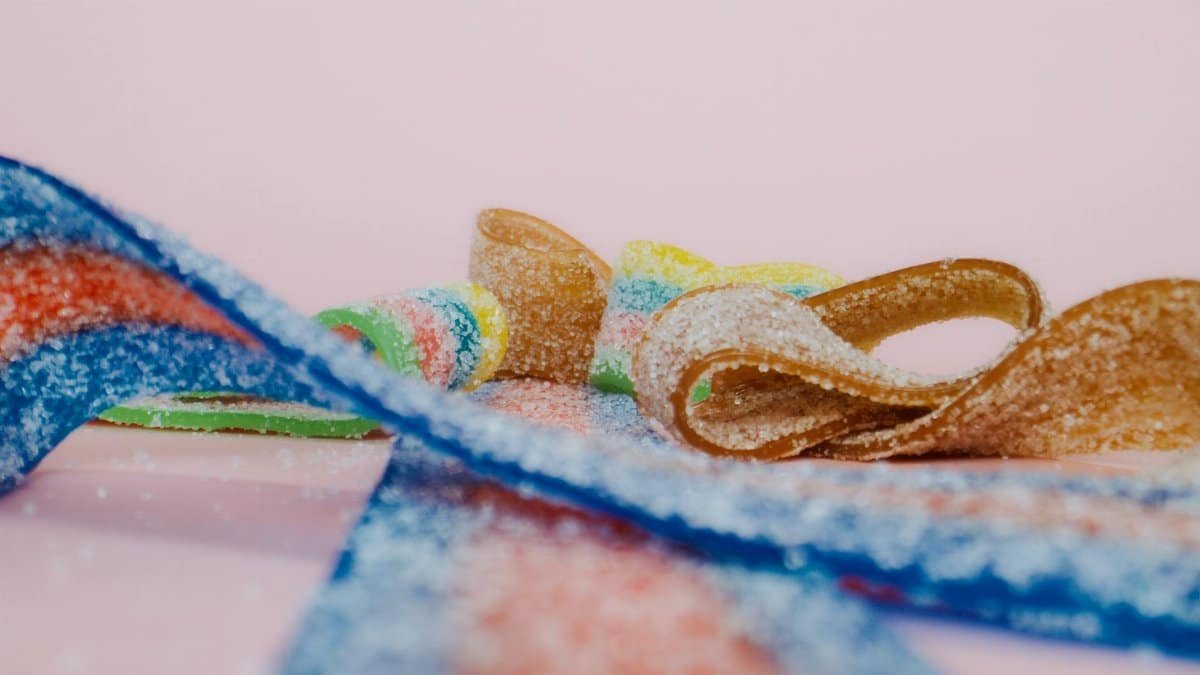
Panic attack hitting hard? Grab a Warhead. In a world where anxiety grips millions, the viral “Sour Candy Hack” is emerging as a 5-second sensory jolt that’s snapping people out of panic spirals. Dated February 2, 2026, this trend promises instant relief through intense sour flavor, shocking the senses to override the brain’s frenzy. Dubbed “sour candy anxiety” relief by enthusiasts, it’s gaining traction as a quick, accessible tool amid rising mental health conversations. But how does puckering up halt a meltdown?
The Viral Explosion
The “Sour Candy Hack” has exploded online, turning everyday treats into panic busters. Reports from February 2, 2026, highlight its simplicity: mid-panic, pop a Warhead into your mouth. The extreme sourness hits like a lightning bolt, demanding full sensory attention. This diversion yanks the mind from spiraling thoughts, offering a reset button in seconds. Social feeds buzz with users sharing success stories, propelling the hack into mainstream awareness. No apps, no therapy sessions—just pure, puckering power.
Warheads Take Center Stage

Why Warheads? Their notorious intensity sets them apart. These hard candies deliver a malic acid punch that builds from tangy to torturous, overwhelming taste buds and saliva glands alike. The hack leverages this escalation: the first shocking wave pulls focus from racing heartbeats and doom loops. By February 2026, Warheads have become synonymous with the trend, stocked in homes as emergency kits. Users report the flavor’s ferocity creates an unavoidable “now” moment, eclipsing anxiety’s grip.
Sensory Shock: The Core Mechanism

At its heart, the hack weaponizes sensory overload. Panic attacks thrive on unchecked mental loops—fear amplifying fear. Intense sour flavor disrupts this by hijacking the nervous system. Taste receptors fire wildly, flooding the brain with signals that demand immediate response. Salivation surges, cheeks contort, and suddenly, the panic feels distant. This aligns with basic distraction principles, where strong stimuli interrupt neural pathways. In 2026’s fast-paced U.S., where anxiety disorders affect over 40 million adults according to health trackers, such hacks fill a gap for on-the-spot relief. For deeper context on panic dynamics, see the National Institute of Mental Health’s Anxiety Disorders page.
Snapping Out of the Spiral
The magic happens in the snap-back. As the sour assault peaks, the brain shifts gears—panic’s abstract terror bows to concrete discomfort. Users describe it as an instant recalibration: thoughts halt, breathing steadies, control returns. This 5-second window proves pivotal, preventing escalation into full-blown attacks. The February 2026 buzz underscores its reliability across demographics, from students to professionals. It’s not therapy, but a bridge to composure, making “sour candy anxiety” management feel empowering and immediate.
Why It’s Spreading in 2026
Timing fuels the fire. With mental health awareness peaking post-pandemic, Americans seek practical tools. The hack’s low barrier—no cost, no stigma—drives adoption. Social platforms amplify testimonials: “Warhead saved my meeting,” one post reads. By early 2026, searches for sour candy remedies surge, reflecting broader wellness shifts. It’s a grassroots response to overburdened systems, where quick fixes resonate. Experts note such techniques echo established grounding methods, though this one’s flavor-forward twist captivates.
Practical Application Breakdown

Ready to try? Spot the panic cues—chest tightness, dizziness. Unwrap a Warhead, bite down, endure the sour storm. Hold for 5 seconds as senses dominate. Follow with deep breaths. Repeat if needed. The hack’s repeatability builds confidence, turning sweets into allies. In U.S. households, it’s slipping into first-aid drawers alongside bandages. While viral, it complements professional care, not replaces it. For panic attack overviews, the Mayo Clinic’s resource on symptoms and causes offers reliable guidance.
Beyond the Buzz: Real-World Impact
Early 2026 data hints at broader ripples. Pharmacies report Warhead sales spikes, signaling cultural embedding. “Sour candy anxiety” enters lexicon as shorthand for sensory hacks, inspiring variations like extreme mints. Yet its strength lies in accessibility—available at any corner store. Users in high-stress fields, from finance to parenting, hail it as a game-changer. The February announcement crystallized momentum, positioning this puckery ploy as 2026’s unexpected wellness warrior.
Limitations and the Bigger Picture
No hack is universal. Intense flavors may not suit everyone—dental issues or sensitivities could complicate. It’s a stopgap, urging follow-up with pros for chronic anxiety. Still, its virality spotlights demand for innovative aids. In a year marking mental health milestones, the Sour Candy Hack underscores ingenuity: ordinary items tackling extraordinary distress. As trends evolve, expect refinements, but the core—shock to snap—endures.
This phenomenon redefines panic response, proving relief can be as close as the candy aisle. With U.S. anxiety rates steady amid economic pressures, tools like this democratize calm. Watch for staying power as 2026 unfolds.