
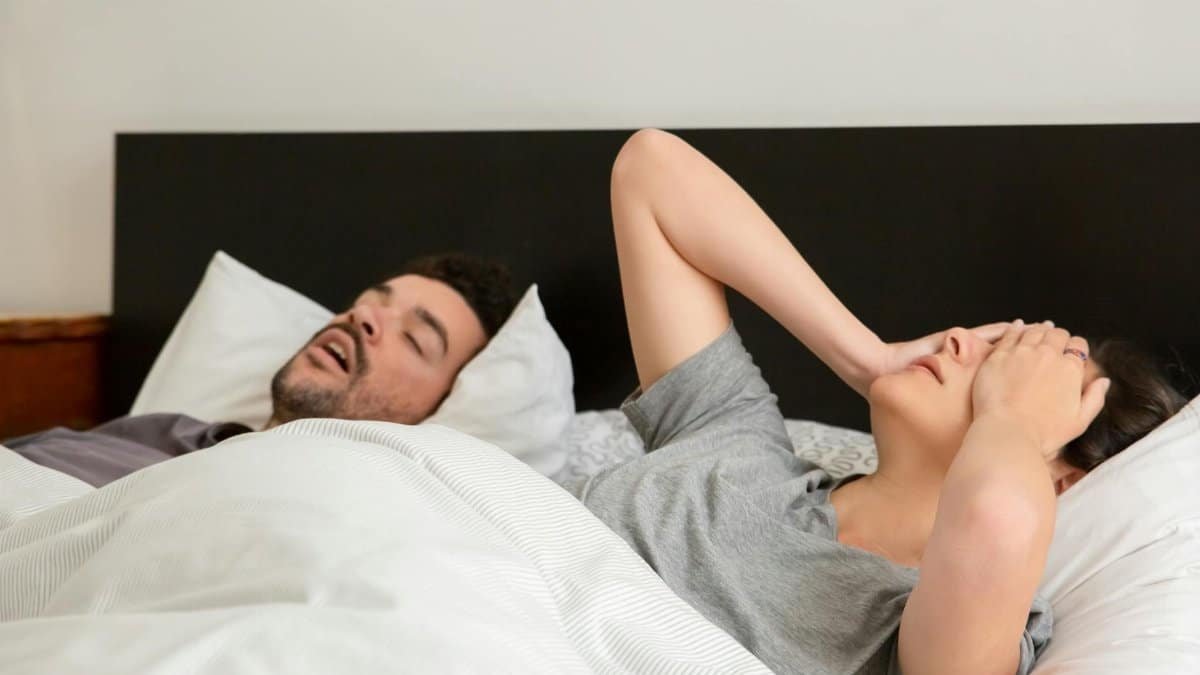
Could a simple snoring tongue exercise really replace nasal strips and silence nights forever?
Myofunctional therapists are promoting the “Tongue Roof” exercise as a game-changer. Announced on February 3, 2026, this natural method promises to strengthen the airway and stop snoring in weeks. No gadgets required. Ditch the strips, they say. Patients frustrated with temporary fixes are turning to this straightforward technique. Therapists emphasize its ease and effectiveness, positioning it as a drug-free alternative amid rising demand for non-invasive sleep solutions.
The Rise of the Tongue Roof Exercise

Myofunctional therapists have spotlighted the “Tongue Roof” exercise as a breakthrough for snorers. This snoring tongue exercise involves pressing the tongue firmly against the roof of the mouth. Therapists teach it as a daily practice to build strength in key muscles. The February 3 announcement underscores its simplicity—no equipment, no prescriptions. Snoring affects millions, disrupting sleep for couples nationwide. Therapists report quick adoption, with clients noticing changes fast.
Ditching Nasal Strips for Good
Nasal strips have long been a go-to for mild snoring relief. But they offer temporary adhesion, not lasting fixes. The “Tongue Roof” exercise targets the root cause. Myofunctional experts urge patients to abandon these strips. By strengthening the airway naturally, the exercise addresses muscle weakness directly. Therapists note strips often fail long-term, leading to frustration. This shift, highlighted in the 2026 update, empowers users with a sustainable option.
How Myofunctional Therapy Fits In

Myofunctional therapy focuses on oral and facial muscle training. Therapists specialize in exercises like “Tongue Roof” to improve breathing and swallowing. For snoring, it retrains the tongue to stay elevated, keeping airways open. The February 3 news positions therapists as leaders in this natural approach. Sessions are hands-on, teaching precise tongue placement. Clients learn to integrate it into routines, fostering independence from devices. For more on myofunctional therapy, see the Academy of Orofacial Myofunctional Therapy.
Strengthening the Airway Step by Step
The core of the snoring tongue exercise lies in airway fortification. Weak tongue muscles collapse during sleep, causing vibrations that produce snoring. “Tongue Roof” counters this by toning the genioglossus and other muscles. Therapists instruct holding the tongue flat against the palate for seconds at a time, repeating throughout the day. Over weeks, this builds endurance. The natural strengthening prevents airway narrowing, promoting quieter nights. No surgery, no machines—just consistent practice.
Timeline: Results in Weeks

Therapists promise noticeable improvements in weeks. Early adopters report reduced snoring intensity within days. Full effects emerge after two to four weeks of daily practice. The February 3, 2026, report stresses consistency as key. Unlike strips that peel off, this exercise delivers progressive gains. Patients track progress via partner feedback or apps. Myofunctional pros monitor via follow-ups, adjusting as needed. This rapid timeline sets it apart in 2026’s sleep health trends.
Why It Works Without Gadgets

Snoring stems from poor tongue posture and weak airways. “Tongue Roof” corrects both naturally. Therapists explain the tongue acts like a natural splint when positioned correctly. Daily reps mimic resistance training for the mouth. No CPAP masks or surgery required. The approach aligns with growing interest in body-based therapies. Cleveland Clinic resources detail similar orofacial exercises for snoring relief: Orofacial Myofunctional Therapy Overview.
Real-World Adoption in 2026

Across U.S. clinics, myofunctional therapists report surging interest post-announcement. Snoring tongue exercise fits busy lifestyles—practice anywhere, anytime. Families benefit too, with quieter homes. Therapists tailor it for all ages, from adults to teens. The natural method resonates amid skepticism toward pharma aids. February 3 marked a tipping point, amplifying word-of-mouth shares. Demand spikes in wellness hubs like California and New York.
Expert Guidance for Beginners

Start simple: Locate the tongue’s front third and press it to the roof, behind teeth. Hold five seconds, release, repeat 10 times. Therapists recommend morning and evening sets. Avoid shortcuts—full contact matters. Hydrate to ease practice. If snoring persists severely, consult a pro. Myofunctional sessions ensure proper form. This snoring tongue exercise thrives on habit-building, much like flossing.
Broader Impact on Sleep Health

Beyond snoring, strengthened airways may aid breathing overall. Therapists link it to better oxygen flow during sleep. Couples report restored rest, easing relational strains. In 2026, as sleep awareness grows, this exercise gains traction. No side effects, low cost—pure accessibility. Myofunctional therapy’s role expands, challenging gadget-dominated markets. The “Tongue Roof” stands as a testament to simple, effective innovation.