
Sleep like a mummy, wake up snatched—that’s the promise of face taping, the latest beauty hack turning heads. This method involves taping the skin back overnight as a cheap alternative to costly facelifts. Reports dated January 26, 2026, spotlight its surge in popularity this week, drawing in those seeking a lifted look without surgery. As Americans chase youthful skin on a budget, face taping positions itself as the go-to non-invasive trend reshaping nighttime routines.
The Emergence of Face Taping
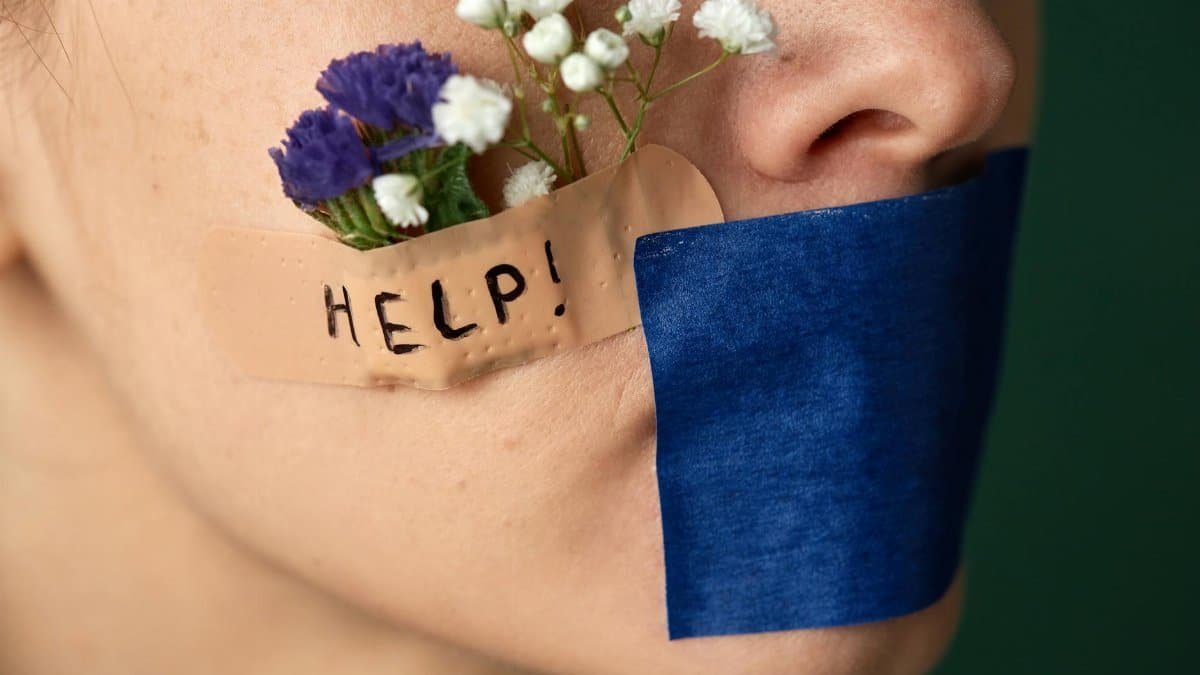
January 26, 2026, marked a key moment for beauty innovators. A buzzworthy report captured the essence of face taping: wrapping the face in tape overnight for a taut, refreshed appearance come morning. This simple technique has quickly captured attention amid rising demands for affordable anti-aging solutions. Unlike traditional cosmetic procedures, it requires no clinic visits or recovery time, making it accessible for everyday users. The trend’s timing aligns with broader shifts toward DIY beauty in 2026, where cost and convenience reign supreme.
Decoding the Mummy Method
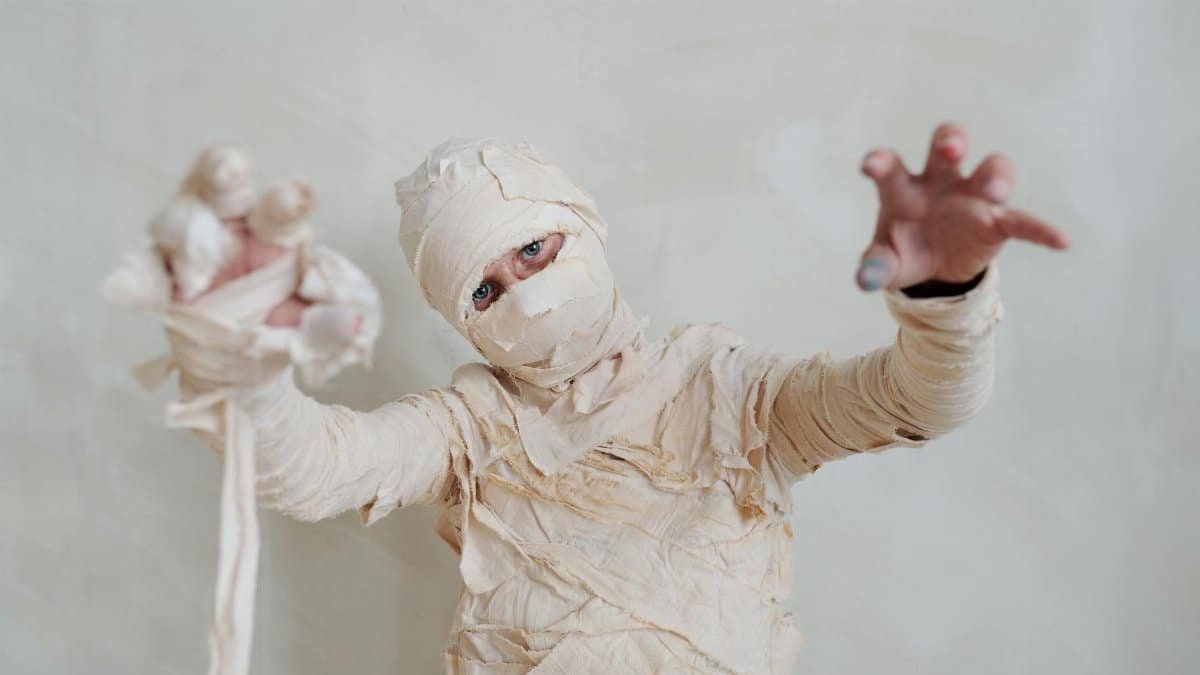
At its core, face taping means securing the skin in place while sleeping. Practitioners apply strips of tape strategically to pull areas prone to sagging backward, mimicking the tight binding of a mummy. This overnight hold aims to deliver a “snatched” effect—slang for sharply contoured, youthful features—upon waking. The appeal lies in its low-tech approach: no gadgets, just adhesive and rest. Reports emphasize how this ritual transforms bedtime into a beauty treatment, appealing to those tired of expensive alternatives.
Waking Up to a Snatched Look

The payoff arrives with the sunrise. After hours of tape holding the skin taut, users report peeling it off to reveal firmer contours. This immediate visual lift echoes facelift results but without scalpels or downtime. The January 26 dispatch underscores the “wake up snatched” mantra, suggesting repeated use could enhance effects over time. For many, it’s a revelation in 2026’s fast-paced beauty landscape, where instant gratification trumps long waits for surgical outcomes.
A Budget Facelift in Disguise
Facelifts often cost thousands, involving anesthesia and weeks of healing. Face taping flips the script as a cheap counterpart. A roll of tape pales in comparison financially, putting professional-level tightening within reach. The trend’s rise this week highlights economic savvy: why spend on surgery when tape delivers comparable pull? This positions face taping as a democratic beauty tool, especially resonant in an era of inflation-conscious consumers. For details on traditional facelifts, see the Mayo Clinic overview.
Why It’s Trending Now

This week’s momentum builds on social proof and simplicity. The catchy “sleep like a mummy, wake up snatched” phrase has fueled shares across platforms. Dated January 26, 2026, coverage notes its viral appeal as people seek surgery-free paths to sharp features. In the U.S., where beauty spending hits billions annually, such hacks thrive. Face taping taps into that hunger for quick, inexpensive wins, proving trends can launch from bedroom experiments to national chatter overnight.
Overnight Mechanics at Work
During sleep, tape maintains constant tension on the skin, countering gravity’s pull. This gentle repositioning offers a preview of lifted results, much like a facelift’s goal but sans permanence. Enthusiasts wake to reduced puffiness and defined lines, crediting the method’s hold. The summary from early 2026 illustrates how this passive treatment aligns with busy lifestyles—no daytime disruption required. It’s a subtle shift in beauty paradigms, prioritizing restful rejuvenation.
Cash-Smart Beauty Revolution
Economics drive the hype. Facelifts demand hefty investments, often exceeding $10,000, per industry norms. Face taping? Mere dollars for supplies. This disparity makes it a no-brainer for budget watchers. Trending reports this week celebrate its role in equalizing access to “snatched” aesthetics. As 2026 unfolds, such innovations challenge high-end clinics, empowering individuals to experiment safely at home. For broader skin health context, check the National Institute on Aging’s guide.
Face Taping’s Broader Impact

Beyond savings, face taping redefines anti-aging. It democratizes the pursuit of taut skin, inviting all to try without barriers. The mummy-to-snatched narrative resonates, blending whimsy with results. January 26, 2026, coverage signals its staying power amid 2026’s wellness boom. Users embrace it for jawline sharpening and overall lift, proving tape rivals scalpels in appeal. This trend underscores a cultural pivot: beauty through ingenuity, not incisions.
In summary, face taping’s ascent offers a fresh lens on affordable enhancement. As it trends, it invites scrutiny and adoption, all rooted in that simple overnight tape.