

“Some days I can’t lift a racket.” These stark words from Venus Williams highlight the relentless toll of Sjogren’s Syndrome on venus williams health. On January 25, 2026, the tennis icon laid bare the invisible fatigue that plagues her daily life. Yet she vows not to fade into retirement. Her candid revelation spotlights an autoimmune battle few see, fueling discussions on athlete resilience amid chronic illness.
Venus Williams Breaks Silence

Venus Williams, a seven-time Grand Slam singles champion, chose January 25, 2026, to share her struggle publicly. No sugarcoating. She described days when even gripping her racket feels impossible. This openness marks a pivotal moment in venus williams health narrative, shifting focus from her triumphs to the quiet fight behind the scenes.
Williams has long been a trailblazer on the court. Now, at an age where many peers have retired, she confronts Sjogren’s Syndrome head-on. Her words resonate beyond tennis, touching anyone grappling with unseen health woes.
Sjogren’s Syndrome: The Silent Attacker
Sjogren’s Syndrome strikes without warning. It targets moisture-producing glands, leading to dry eyes and mouth. But the real killer is the fatigue. Williams called it “brutal” and “invisible.” Energy drains away, leaving sufferers bedbound on bad days.
Medical experts note this autoimmune disorder affects millions worldwide. In the U.S., women bear the brunt, often diagnosed later in life. Williams’ account aligns with classic symptoms: profound exhaustion that defies rest. For more on the condition, see the National Institute of Arthritis and Musculoskeletal and Skin Diseases.
The Racket That Won’t Lift
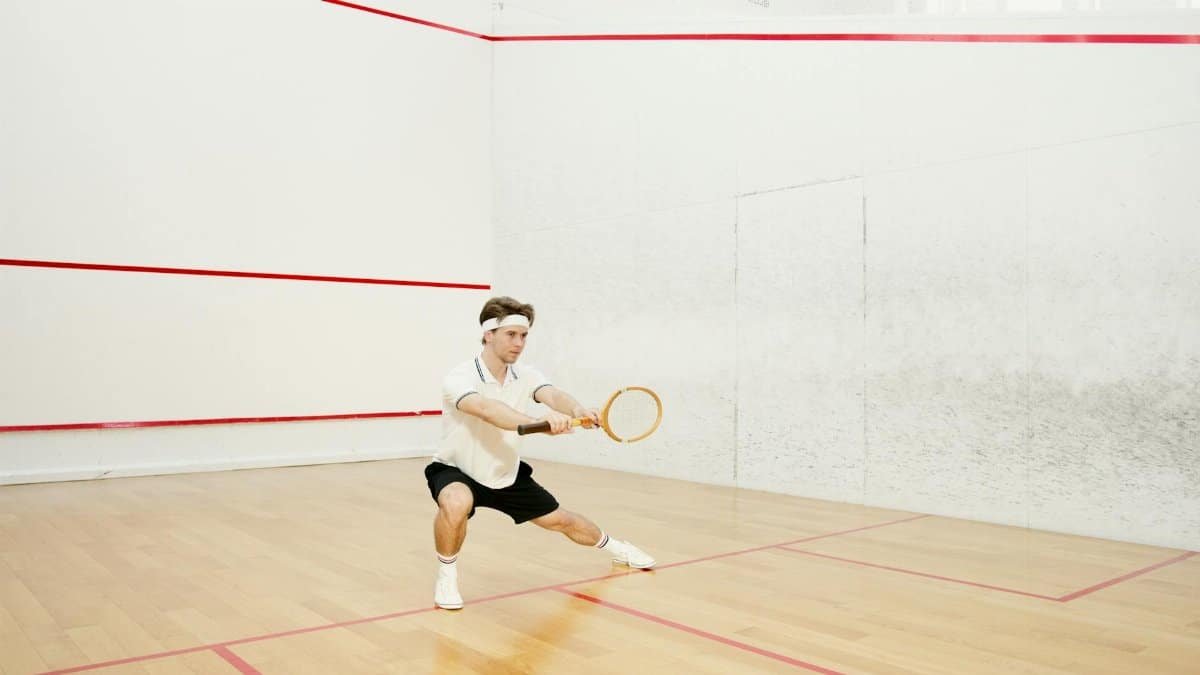
“Some days I can’t lift a racket.” Williams’ quote cuts deep. Imagine a player who once dominated serves and volleys, now sidelined by her own body. This isn’t dramatic flair. It’s her reality in 2026.
Tennis demands peak physicality. Sjogren’s erodes that foundation. Simple tasks become Herculean. Williams detailed how fatigue hits unpredictably, turning practice sessions into pipe dreams. Her honesty humanizes the sport’s elite.
Invisible Fatigue’s Toll

The fatigue Williams describes isn’t your post-marathon slump. It’s bone-deep, unrelenting. Sjogren’s triggers immune attacks on healthy tissues, sapping vitality. Sufferers report brain fog, joint pain, and a constant battle for energy.
In 2026, awareness grows, but stigma lingers. Williams shatters that by naming her foe. Her venus williams health update underscores how autoimmune diseases disrupt high-performance lives. The Sjögren’s Foundation offers resources for those facing similar battles.
Refusing Quiet Retirement

Retirement whispers follow legends. Not for Williams. She refuses to exit stage left. “I won’t retire quietly,” she declared. This defiance defines her 2026 stance.
Throughout her career, Williams has powered through injuries and setbacks. Sjogren’s tests that spirit anew. Her choice to speak out signals intent to compete, adapt, or inspire from afar. Fans watch closely.
Athlete Resilience in Chronic Illness
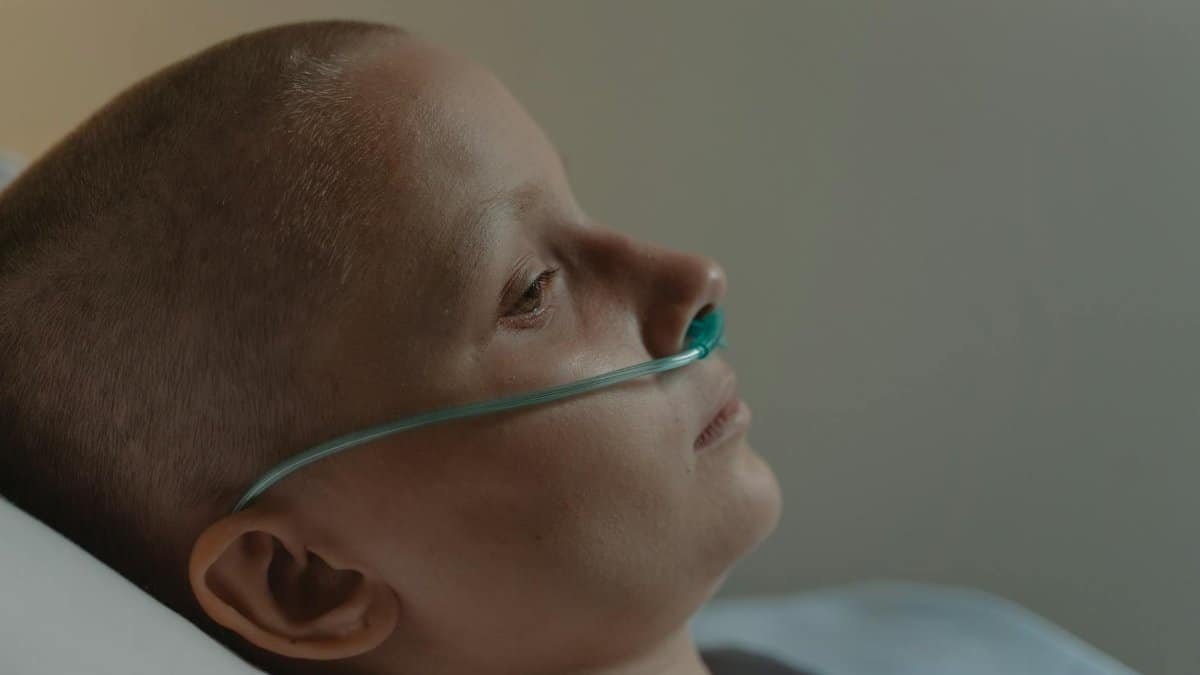
Williams embodies fighter’s grit. Diagnosed years ago, she hid the struggle while stacking titles. Now, in 2026, transparency reigns. Her story spotlights how venus williams health intersects with elite sports.
Other athletes share similar tales—autoimmune hurdles amid glory. Williams elevates the conversation, pushing for better understanding and support. Her platform amplifies the voiceless.
Raising Awareness in 2026
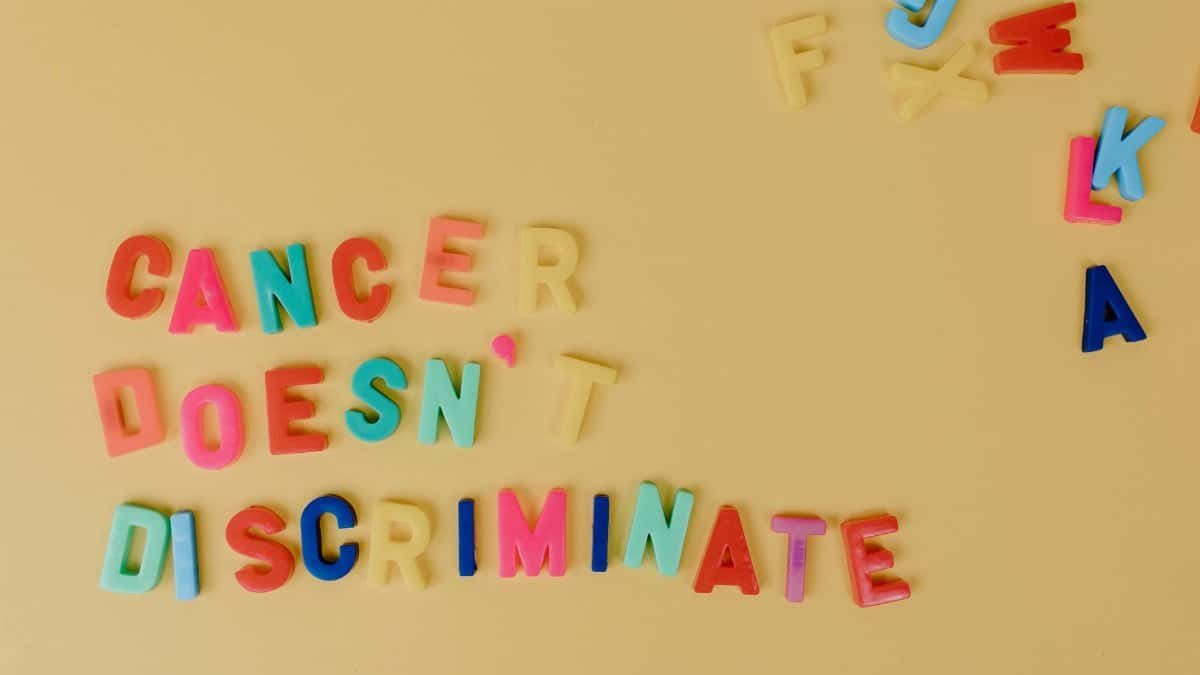
January 25, 2026, wasn’t just personal for Williams. It sparked broader dialogue on chronic illness. Tennis circles buzz with support. Media coverage surges, highlighting autoimmune realities.
Sjogren’s often flies under the radar. Williams’ racket-lifting confession changes that. In a year focused on health trends, her voice cuts through noise, urging research and empathy.
Williams’ Path Forward

What next for Venus? She offers no timeline. Fatigue dictates terms, but will doesn’t bend. Training adjustments, medical tweaks—expect evolution in her approach.
Her refusal to retire quietly inspires. Whether returning to slams or advocating, Williams shapes venus williams health discourse. Tennis awaits her next move.
Williams’ revelation on January 25, 2026, peels back the curtain on a champion’s hidden war. Sjogren’s Syndrome may steal energy, but not her fire. As debates on athlete health intensify, her story stands tall.