
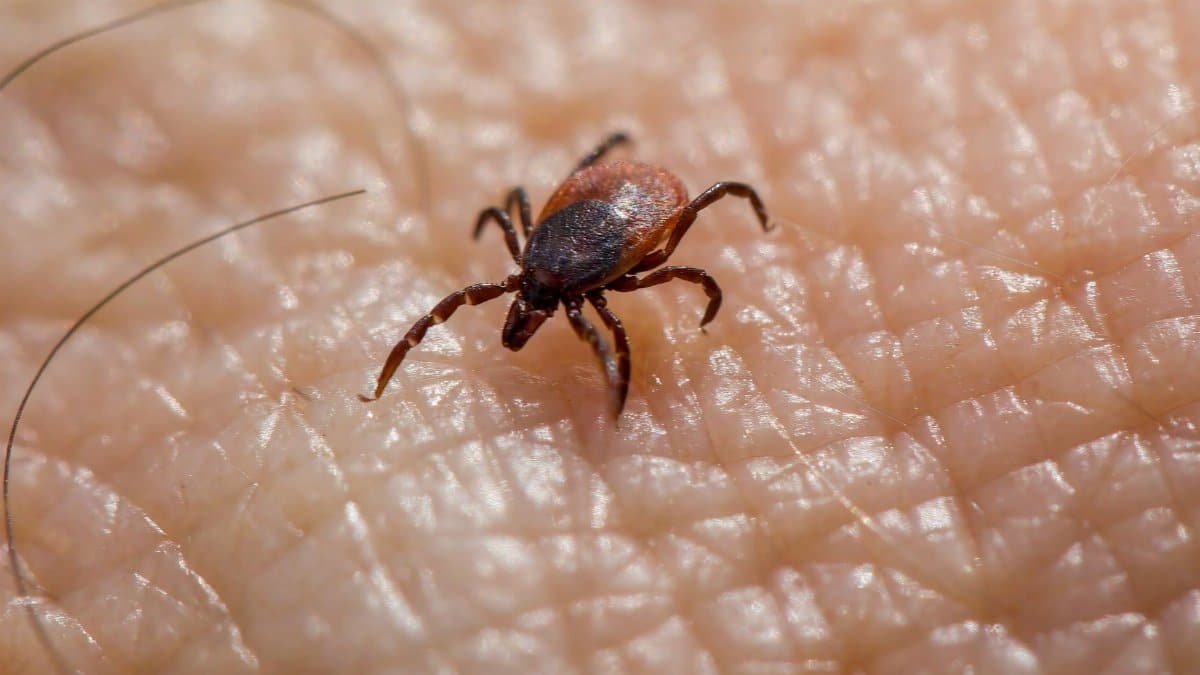
Bella Hadid’s Lyme disease struggle is forcing a national conversation on the hidden agony of chronic illness.
On January 12, 2026, supermodel Bella Hadid posted graphic photos of her ongoing medical treatment, paired with a raw admission: “I look fine, but I’m burning.” The images and words cut through the glamour of her public image, exposing the relentless toll of chronic Lyme disease. Hadid’s candid share spotlights an “invisible illness” that torments from within, despite outward appearances. In a world quick to judge health by looks, her move demands attention to the brutal reality many silently endure.
Hadid’s Bold Revelation

Bella Hadid, a fixture in fashion runways and magazine covers, dropped her guard on January 12. She uploaded stark visuals of her treatment process straight to social media. No filters, no gloss—just the unvarnished truth of her bella hadid lyme fight. This wasn’t a casual post. It marked a deliberate push to humanize chronic Lyme, a condition that defies easy visibility. Fans and followers reacted swiftly, flooding comments with support and shared stories. Hadid’s platform amplified a message long overdue: chronic illness hides in plain sight.
The Quote That Resonates
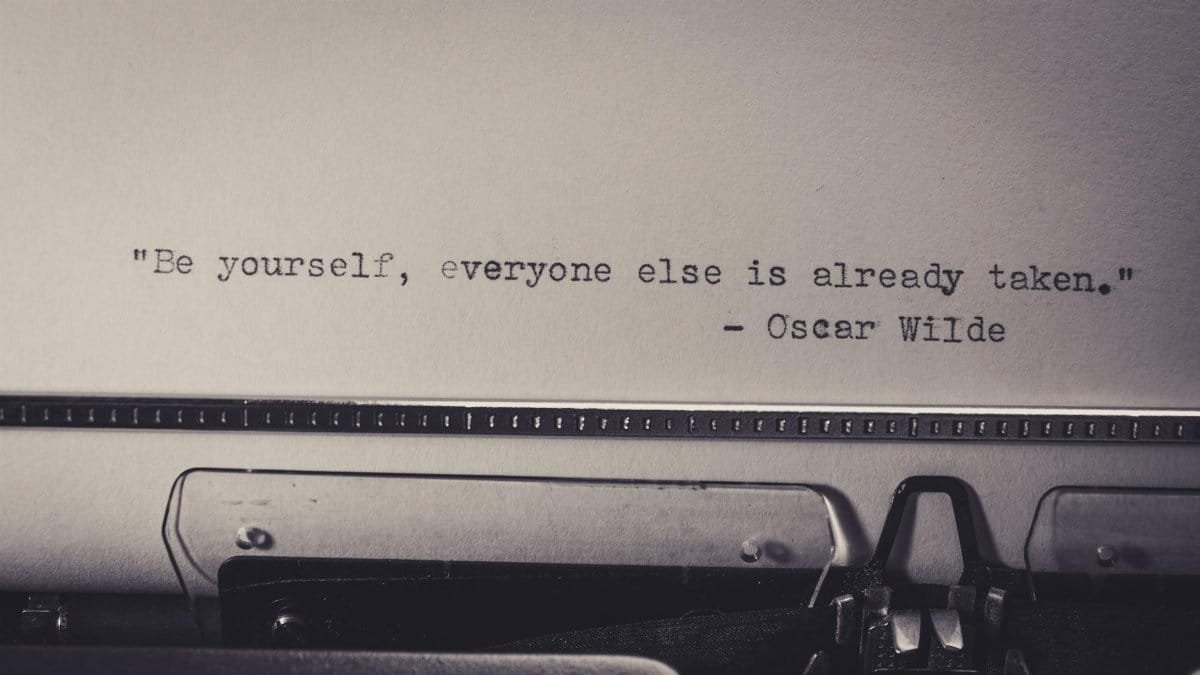
“I look fine, but I’m burning.” Those seven words pack a punch. Hadid captured the disconnect at chronic Lyme’s core. Outwardly, she projects vitality—flawless skin, poised strides. Internally, fire rages. The quote echoes countless patients’ frustrations. It underscores how bella hadid lyme symptoms simmer beneath the surface, mocking assumptions tied to appearance. Medical experts note such discrepancies fuel misdiagnosis and dismissal. Hadid’s phrasing turns personal pain into a universal rallying cry, urging empathy over snap judgments.
Graphic Photos Lay It Bare

The photos Hadid shared weren’t for the faint-hearted. They depicted invasive treatments—needles, IV lines, inflamed skin—hallmarks of aggressive Lyme protocols. No captions softened the blow; the visuals screamed severity. Chronic Lyme demands such interventions, often long-term and grueling. By going public, Hadid stripped away mystery. She showed what “burning” looks like up close: red welts, exhaustion etched in every frame. This transparency challenges the polished narratives of celebrity life, revealing bella hadid lyme as a foe that scars deeply.
Chronic Lyme’s Brutal Grip
Chronic Lyme disease strikes silently after initial tick bites. Bacteria burrow deep, evading standard antibiotics. Symptoms flare unpredictably—joint pain, fatigue, neurological fog. Hadid’s post highlights its “brutal reality”: a war waged inside the body. The CDC reports Lyme cases surging across the U.S., with chronic forms complicating recovery for thousands. Hadid embodies this fight, her treatment photos a testament to endurance amid endless battles.
Invisible Illness Exposed

Hadid called it out directly: invisible illness is hell. Bella Hadid lyme exemplifies this torment. Sufferers navigate skepticism—”You don’t look sick”—while flames consume them. Her January 12 share flips the script. By baring treatments, she validates the unseen. Advocacy groups praise the move, noting it could spur earlier testing. In 2026, with Lyme ticks thriving in warming climates, such stories hit harder. Hadid’s vulnerability invites scrutiny of healthcare gaps, where chronic cases linger undiagnosed.
Raising Awareness Nationwide

Hadid’s post ignited ripples. Hashtags surged, tying personal tales to her experience. Media outlets picked up the story, framing bella hadid lyme as a wake-up call. Public figures echoed her sentiment, sharing their brushes with tick-borne woes. The timing aligns with U.S. trends: expanded Lyme surveillance in endemic states like New York and Pennsylvania. Her shine on the issue pressures policymakers. For patients, it’s validation—proof that high-profile voices can shift perceptions and funding toward research.
Treatment’s Harsh Demands

Those graphic photos zero in on therapy’s intensity. Chronic Lyme often requires prolonged antibiotics, herbal supports, or detoxification regimens. Hadid’s images suggest heavy artillery: visible puncture sites, bandaged limbs. Such protocols drain resources and resolve. The National Institute of Allergy and Infectious Diseases outlines these approaches, stressing persistence. Hadid’s display demystifies the process, showing why “burning” persists despite efforts. It spotlights access barriers for everyday Americans.
A Call for Empathy
Hadid didn’t stop at photos and quotes. Her share pleads for understanding. Chronic Lyme isolates, as symptoms evade the eye. “I look fine” masks the inferno. By January 12, 2026, her message had reached millions, fostering dialogue. Support networks buzzed with gratitude. This moment redefines strength—not in silence, but in exposure. Bella Hadid lyme now symbolizes resilience, pushing society to see beyond surfaces.
Broader Implications in 2026

As Lyme cases climb—fueled by climate shifts and outdoor trends—Hadid’s story lands potently. U.S. health officials track rising incidences, with chronic subsets straining systems. Her post could boost screenings, especially in high-risk zones. It humanizes data, turning stats into faces. Hadid’s light on the brutal reality ensures chronic Lyme stays in headlines, not shadows. For the model and millions like her, it’s a step from burning alone to burning bright for change.