
Is a plate of cheese enough for dinner? Dietitians say no, spotlighting the girl dinner danger in a stark warning issued January 29, 2026. The “Girl Dinner” trend—casual solo plates of snacks like cheese—promises quick, low-effort meals but risks normalizing malnutrition and disordered eating habits. Experts argue these makeshift dinners fall short nutritionally, urging a rethink amid rising popularity on social media.
What Defines “Girl Dinner”?
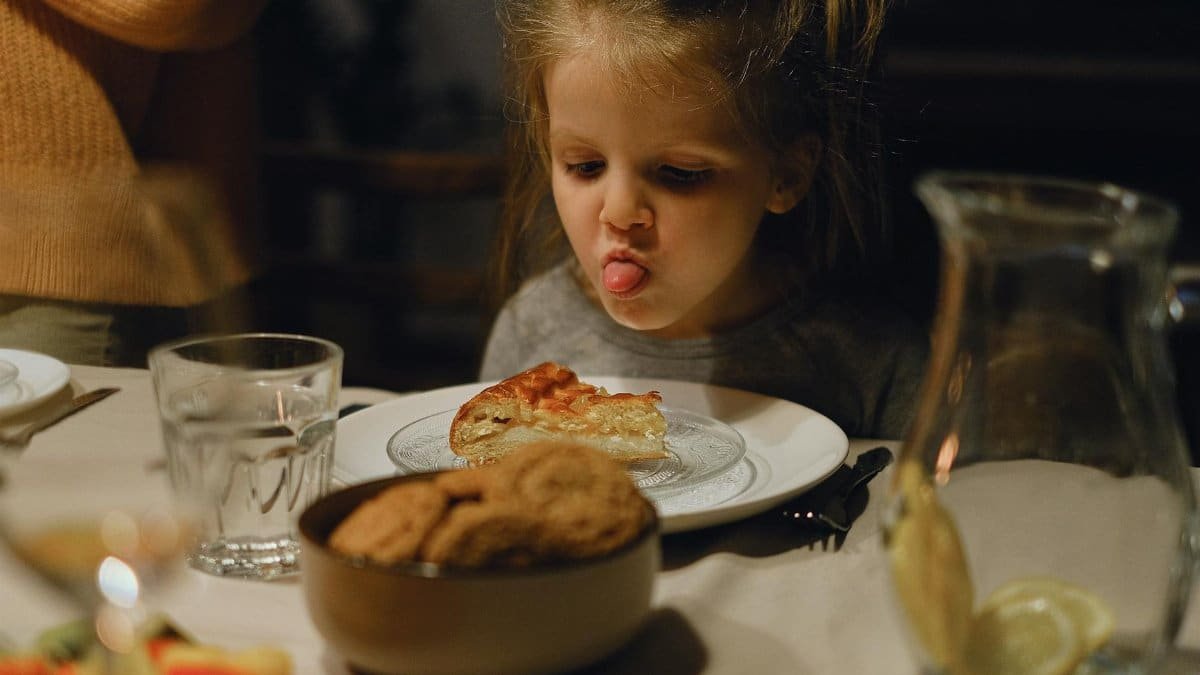
The “Girl Dinner” trend features simple, often indulgent plates centered on cheese, crackers, fruits, or dips. Popularized online, it markets itself as a relaxed alternative to structured meals, especially for solo eaters. Yet dietitians emphasize a plate of cheese isn’t a meal. Lacking proteins, vegetables, and whole grains, these assemblies prioritize convenience over balance, setting the stage for nutritional gaps.
Dietitians Issue Urgent Warning
On January 29, 2026, registered dietitians publicly cautioned against the trend’s spread. Their message: “Girl Dinner” normalizes inadequate eating patterns. Speaking to health concerns in 2026’s fast-paced lifestyle, they highlight how viral trends influence daily habits. This collective alert underscores professional consensus on the need for complete nutrition, countering the trend’s casual appeal.
The Core Problem: Not a Real Meal
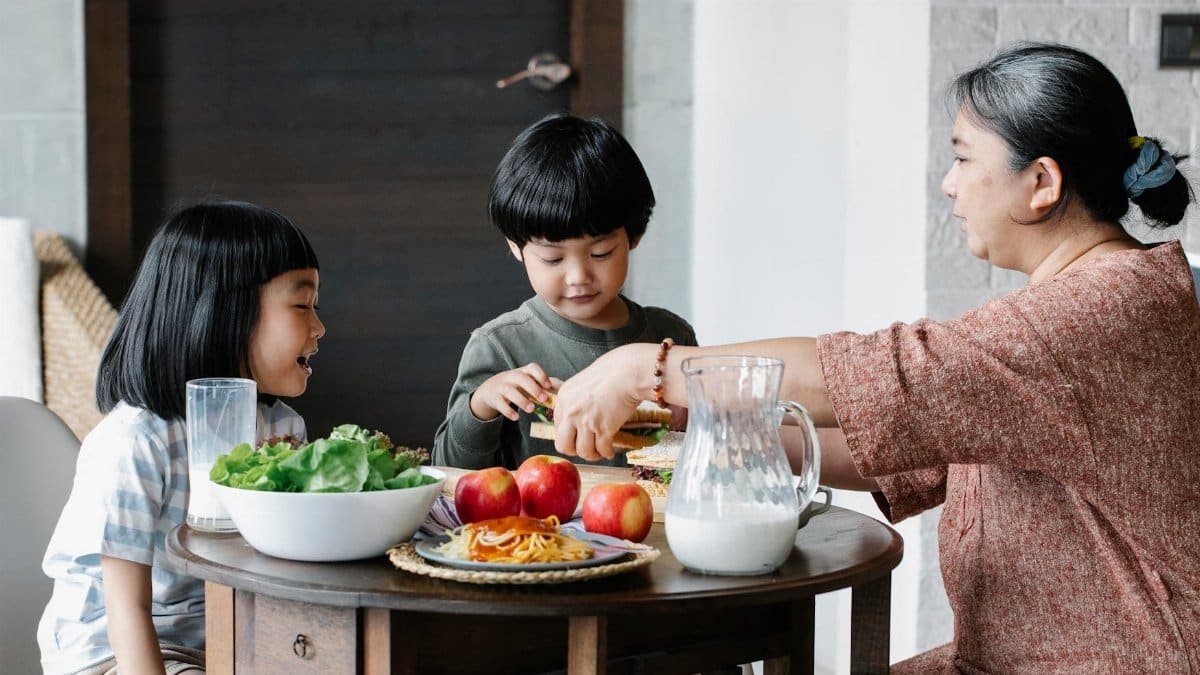
A true meal delivers balanced macros—carbs, proteins, fats—and micronutrients from diverse sources. Cheese-heavy plates dominate calories from dairy fats but skimp on fiber, vitamins, and minerals essential for energy and immunity. Dietitians stress this mismatch turns “dinner” into snacking, eroding long-term health without the sustenance bodies require.
Normalizing Malnutrition Risks
Malnutrition arises from chronic nutrient deficits, even in overfed populations. The girl dinner danger lies in habitual under-nourishment disguised as trendy minimalism. Repeated cheese-focused evenings mean missing iron, B vitamins, and antioxidants, potentially leading to fatigue, weakened bones, and immune dips. In 2026, as trends shape plates nationwide, experts warn of broader public health fallout.
For deeper insights on malnutrition basics, see the CDC’s malnutrition overview.
Links to Disordered Eating Habits
Dietitians flag “Girl Dinner” for fostering disordered patterns, like restrictive or irregular intake. What starts as fun flexibility can evolve into avoiding full meals, mirroring early signs of orthorexia or binge cycles. The trend’s low-effort ethos downplays hunger cues, normalizing skimpy portions. Professionals note this psychological shift, where social validation trumps satiety, heightens vulnerability in impressionable demographics.
Related guidance appears in the NIMH’s eating disorders page.
Why the Trend Resonates in 2026
Busy schedules and social media fuel “Girl Dinner’s” rise, offering empowerment through simplicity. Women, often trend leaders, embrace it for its no-fuss vibe amid 2026’s economic pressures and time crunches. Yet dietitians counter that appeal masks girl dinner danger, as viral posts glamorize insufficiency. Real-life adoption spikes without nutritional scrutiny.
Nutritional Shortfalls Exposed

Examine a typical plate: cheese provides calcium but loads saturated fats, with minimal veggies for vitamins C and K. No lean proteins mean muscle maintenance suffers; absent grains limit sustained energy. Dietitians calculate these dinners often hit under 500 calories—far below adult needs—compounding deficits over time and amplifying malnutrition risks.
Expert Call to Action
Dietitians advocate swapping trends for balanced plates: add greens, lean meats, or legumes to cheese boards. Their 2026 warning pushes awareness, urging discernment between fun and folly. By reframing “Girl Dinner” as a side, not staple, individuals sidestep the dangers of normalized poor habits. Public response will shape whether this trend fades or persists.
Broader Health Implications

Unchecked, girl dinner danger contributes to 2026’s nutrition challenges, from rising deficiency-related illnesses to strained healthcare. Dietitians’ alert aims to pivot culture toward mindful eating, preserving trends’ joy without health costs. As warnings circulate, expect more discourse on social media’s role in meal norms.