
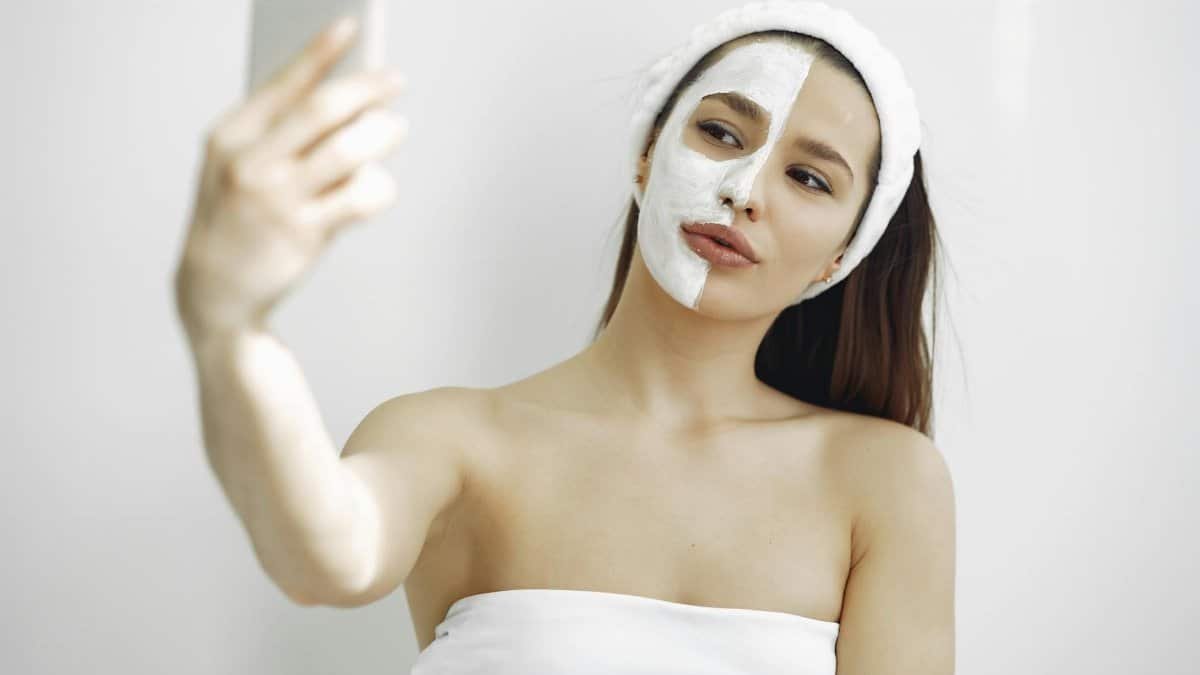
Would you put beef fat on your face? That’s the provocative question fueling beef tallow skin, the controversial skincare trend dominating 2026. Dubbed simply “beef tallow,” this unconventional approach has users applying rendered animal fat directly to their skin. They claim it outperforms pricey luxury creams in healing acne, sparking debates across social platforms. As of January 19, 2026, the buzz shows no signs of fading, challenging traditional beauty norms with bold, back-to-basics promises.
What Is Beef Tallow Skincare?
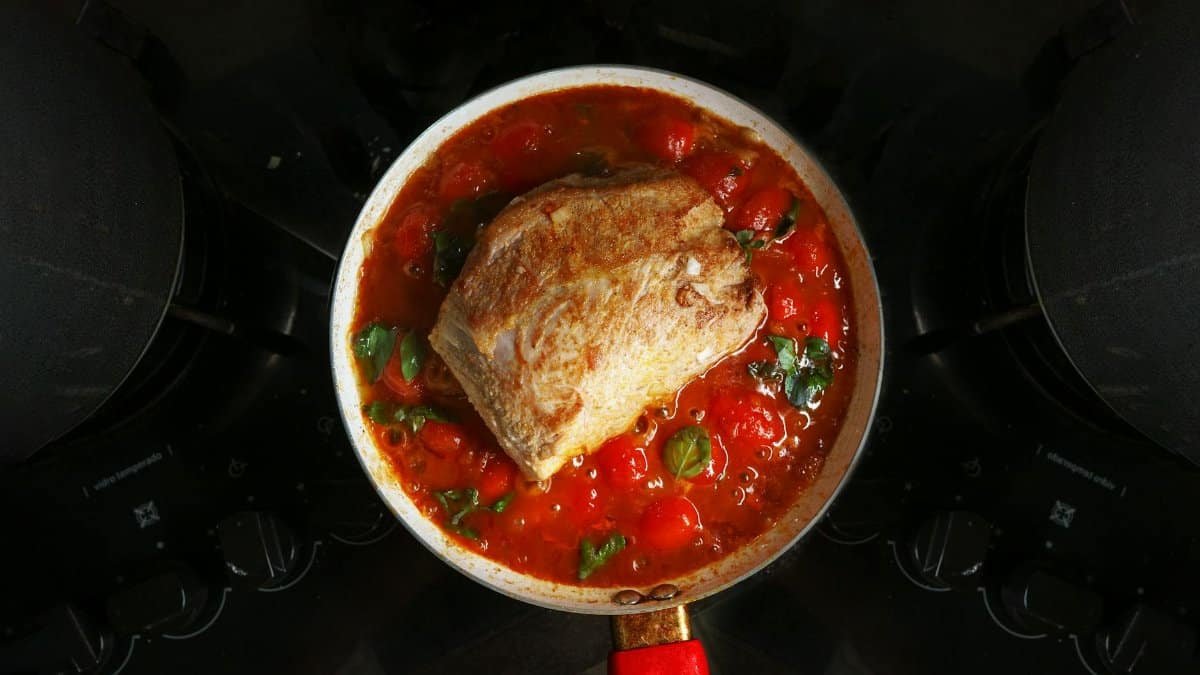
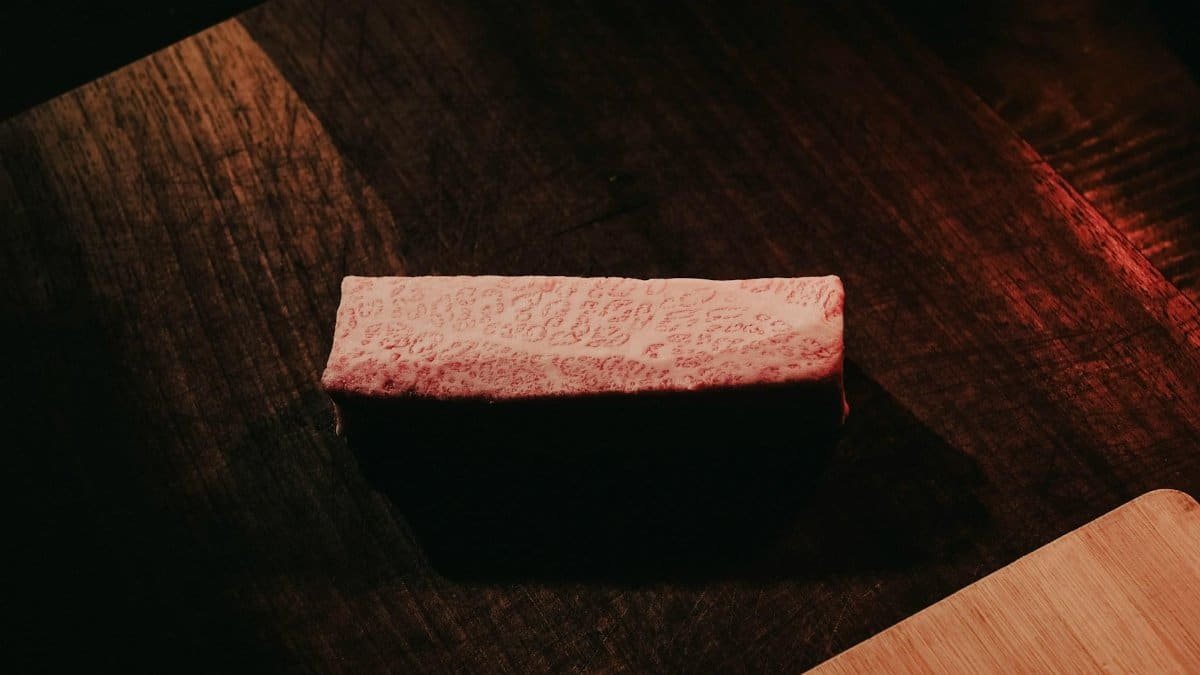
Beef tallow refers to rendered beef fat, a staple once confined to cooking but now entering skincare routines. In this trend, users melt and apply it topically, touting its natural composition. The practice gained traction as a DIY alternative amid rising skepticism toward synthetic products. Proponents highlight its similarity to human sebum, arguing it absorbs seamlessly without irritation. This shift marks a return to ancestral remedies in modern beauty, positioning beef tallow as more than a gimmick.
The 2026 Trend Explosion

Early 2026 has seen beef tallow skin surge as the year’s standout skincare phenomenon. Dated January 19, reports pinpoint it as a viral sensation, with everyday users experimenting boldly. Platforms amplify the movement, turning personal trials into widespread conversations. What began as niche advice has evolved into a cultural flashpoint, reflecting broader desires for simple, potent solutions over hyped alternatives.
User Claims Take Center Stage

At the heart of the trend, users assert beef tallow heals acne more effectively than conventional treatments. They describe clearer skin after consistent use, crediting the fat’s moisturizing depth. These testimonials emphasize rapid results, often within weeks, without the dryness linked to chemical-heavy options. The claims drive adoption, as skeptics convert through shared before-and-after visuals online.
Beef Fat vs. Luxury Creams
Direct comparisons pit beef tallow against high-end luxury creams, with users favoring the former for superior acne relief. While designer products command premium prices, tallow offers affordability and accessibility from local sources. Advocates argue its unprocessed nature delivers unmatched efficacy, bypassing additives that can clog pores. This rivalry underscores a trend toward ingredient purity in 2026 skincare.
Why the Controversy Rages

Beef tallow skin divides opinions sharply. Critics question slathering animal fat on the face, citing hygiene and suitability concerns for sensitive skin. Supporters counter with its historical use in traditional medicine, dismissing doubts as unfounded. The debate intensifies online, blending science skepticism with wellness enthusiasm. As the trend grows, it forces a reckoning on what defines effective beauty care.
Social Media’s Role in Virality

TikTok has propelled beef tallow into the spotlight, with videos demonstrating applications and results. Users showcase routines, from rendering fat at home to layering it overnight. The platform’s algorithm boosts raw, relatable content, accelerating the trend’s reach. By January 2026, hashtags tied to beef tallow dominate beauty feeds, drawing millions of views and sparking challenges.
For deeper insight into beef tallow’s skincare potential, see this overview from Healthline, which discusses its properties based on user reports and historical context.
Practical Appeal for Acne Sufferers
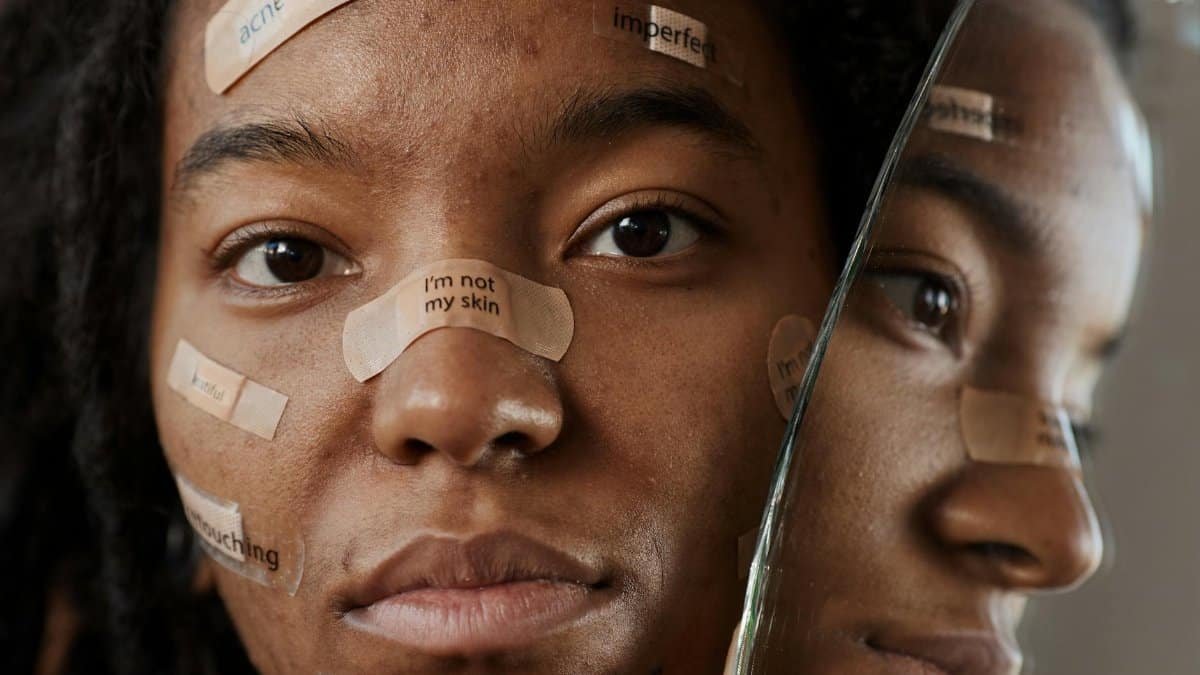
Acne-prone individuals lead the charge, claiming beef tallow calms inflammation better than gels or serums. Its occlusive barrier locks in moisture, they say, promoting healing without greasiness. This appeals to those frustrated by recurring breakouts despite expensive regimens. The trend’s simplicity—no complex steps—makes it a go-to for busy Americans seeking real results.
Challenges and Cautions

Not everyone embraces putting beef fat on the face. Potential drawbacks include sourcing quality tallow and adapting to its texture. Users advise grass-fed varieties to avoid impurities. Dermatological opinions vary, urging patch tests amid the hype. Still, the trend’s momentum in 2026 suggests caution hasn’t curbed enthusiasm.
Reputable coverage of emerging skincare fads, including tallow, appears in this Allure article, highlighting social proof and expert takes.
Shifting Beauty Paradigms

Beef tallow skin signals a pivot from glossy marketing to gritty realism in skincare. Users prioritize outcomes over packaging, claiming acne victories that luxury creams can’t match. As 2026 unfolds, this controversial pick challenges industry giants, proving trends can emerge from the unlikeliest sources. The question lingers: will beef fat redefine glow-ups for good?