

“It’s remarkable I can speak,” Emilia Clarke declared, stunning fans with a raw admission about her emilia clarke brain condition. On February 2, 2026, the actress revealed that brain scans show “missing parts” where blood flow was lost due to aneurysms. Despite the damage, Clarke’s ability to communicate stands as a testament to human resilience. This disclosure sheds light on the lasting toll of her health battles, captivating audiences worldwide.
Clarke’s Bold Revelation
Emilia Clarke broke her silence in a candid statement that cut through the glamour of celebrity life. “It’s remarkable I can speak,” she said, pulling back the curtain on her emilia clarke brain struggles. The revelation came on February 2, 2026, a date now etched in discussions about celebrity health transparency. Clarke, known for her role in Game of Thrones, chose directness over discretion, highlighting the invisible scars from her past medical emergencies.
The Brain Aneurysms Explained
Brain aneurysms struck Clarke multiple times, leading to catastrophic events. These are bulges in brain arteries that can rupture, causing bleeding and severe damage. When they burst, blood floods surrounding tissue, starving areas of oxygen and nutrients. Clarke’s case underscores the danger: rupture can happen without warning, affecting anyone. For context, medical experts note such conditions demand immediate intervention to prevent irreversible harm. Mayo Clinic on Brain Aneurysms details how these weaken vessel walls over time.
Scans Uncover Missing Brain Parts
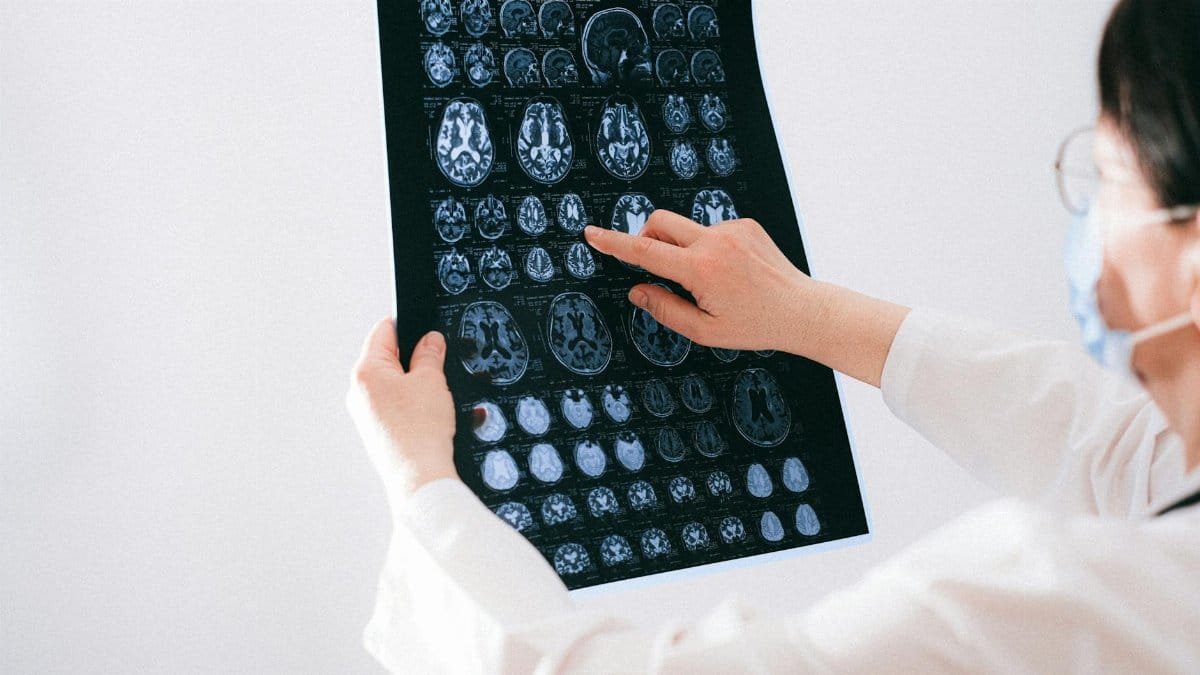
Recent scans laid bare the extent of Clarke’s emilia clarke brain damage. They revealed “missing parts” precisely where blood flow ceased during the aneurysms. This loss means tissue died, leaving voids in neural structure. Clarke’s disclosure emphasizes how imaging technology exposes what the eye cannot see. Such findings explain her ongoing challenges, yet her public poise defies expectations. The visual proof from her scans drives home the physical reality behind her words.
A Miraculous Survival Story

Survival alone marks Clarke’s journey as extraordinary. Aneurysms claim lives or leave profound disabilities, but Clarke emerged able to speak and work. Her quote—”It’s remarkable I can speak”—captures the sheer improbability. Medical recovery varies, but Clarke’s outcome highlights neuroplasticity, where the brain rewires itself. This aspect of her emilia clarke brain tale inspires those facing similar threats, proving function can persist amid loss.
Impact on Speech and Function

Speech relies on intricate brain networks, yet Clarke defies the odds. The “missing parts” targeted regions vital for language, but she articulates clearly. This points to the brain’s adaptability compensating for damage. Her revelation prompts questions about how much loss the human mind endures silently. In 2026, as health awareness grows, Clarke’s experience spotlights speech as a fragile yet resilient faculty. NINDS on Cerebral Aneurysms outlines potential deficits from such events.
Raising Awareness in 2026
Clarke’s openness arrives amid heightened U.S. focus on neurological health. In 2026, celebrity stories like hers amplify calls for aneurysm screening. Her emilia clarke brain update encourages early detection, as unruptured aneurysms often go unnoticed. By sharing scans and survival odds, she shifts conversations from stigma to science. This moment reinforces trends where stars humanize hidden illnesses, urging proactive care nationwide.
Medical Realities of Blood Flow Loss
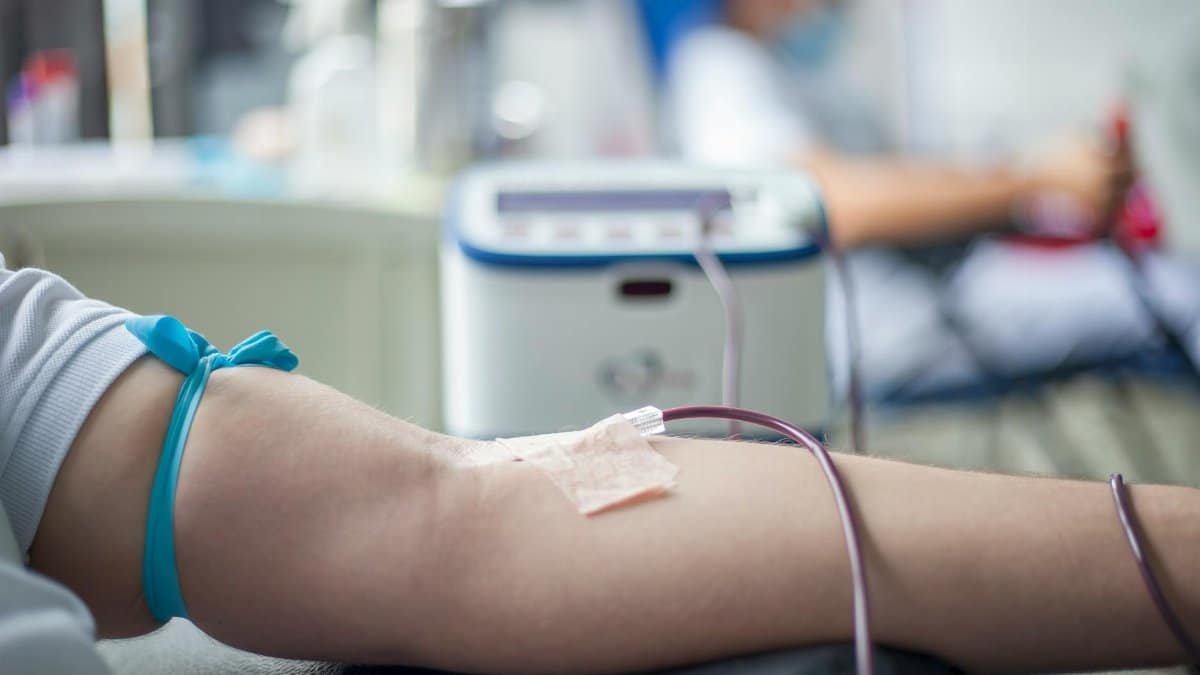
When aneurysms rob brain areas of blood, cells perish rapidly. Clarke’s “missing parts” reflect this necrosis, where tissue shrinks or vanishes. Scans confirm the voids, correlating with her health history. Such damage alters cognition, movement, or speech, but Clarke’s case shows variability. Her story in 2026 underscores advancing diagnostics, making invisible threats visible and treatable sooner.
Resilience Amid Brain Trauma

Clarke’s ability to speak amid emilia clarke brain voids embodies grit. Aneurysms test the limits of recovery, yet she speaks volumes—literally. This revelation, dated February 2, 2026, resonates as a beacon for survivors. It challenges assumptions about brain injury, proving eloquence can survive catastrophe. Her words propel broader dialogues on healing and hope.
Chris F. Weber covers health and entertainment trends.