
They look like delicate jewelry, but these tiny beads are making waves in pain relief. Ear seeds—small acupressure beads glued directly to the ear—have exploded as the viral hack for curing migraines without a single pill. Reported on January 12, 2026, this ear seeds trend promises quick relief through ancient techniques modernized for today’s fast-paced world. Users press the seeds to stimulate pressure points, mimicking acupuncture’s benefits minus the needles. As medication fatigue rises, this non-invasive option is capturing attention across the U.S.
What Are Ear Seeds?
Ear seeds are minuscule beads, often made from metal, ceramic, or plant-based materials like vaccaria seeds, adhered to specific spots on the outer ear. They resemble sparkling earrings or subtle piercings, blending seamlessly into daily wear. Unlike traditional jewelry, their purpose is functional: applying targeted pressure to auricular points linked to the body’s meridians. This setup allows continuous stimulation throughout the day, turning the ear into a personal pain-control dashboard. The trend’s appeal lies in its simplicity—no appointments, no tools, just stick and press.
The Jewelry-Like Appeal
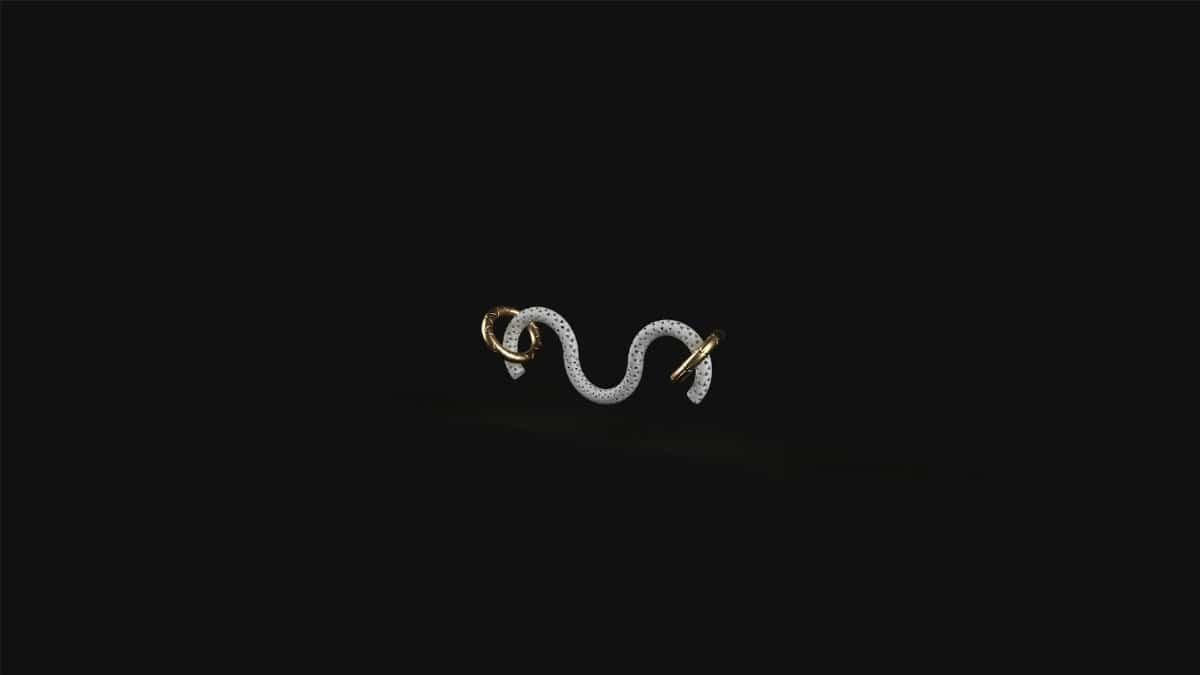
Visually, ear seeds mimic high-end accessories, with gold-toned or shimmering varieties drawing in fashion-forward users. Placed strategically on the ear’s cartilage and folds, they add a subtle glam without commitment. This aesthetic edge has fueled their virality, as people share close-up photos on social platforms, showcasing pain relief as a stylish secret. The non-permanent glue ensures easy removal, making them ideal for trial without altering one’s look. In a wellness culture craving beauty-meets-function, ear seeds stand out as wearable therapy.
Acupressure Roots
Rooted in traditional Chinese medicine, acupressure targets the same ear points as acupuncture but skips needles for seed pressure. The ear acts as a microsystem reflecting the whole body, with zones corresponding to organs and pain pathways. Gluing seeds ensures steady activation—users massage them gently with fingers for bursts of relief. This method echoes centuries-old practices now backed by modern interest in holistic alternatives. For migraines, seeds hit points tied to head tension and vascular response, offering a drug-free pathway to calm.
Curing Migraines Without Medication
Migraines strike millions yearly, often leaving sufferers desperate for relief. Ear seeds target this by pressing ear points that influence headache triggers, like stress and inflammation pathways. Users report reduced frequency and intensity, attributing it to endorphin release and nerve modulation. The January 12, 2026, buzz highlights cases where beads halted attacks mid-onset, no pills required. This shift appeals amid opioid concerns and side-effect worries, positioning ear seeds as a proactive, portable fix in the ear seeds trend.
For deeper insight into auriculotherapy, the foundation of ear seeds, see the Cleveland Clinic’s overview.
Why the Viral Hack Status?

Social media has propelled ear seeds into the spotlight, with videos demonstrating application and instant results racking up millions of views. Influencers and everyday users post before-and-afters, emphasizing the “hack” simplicity: peel, stick, press. The trend surged in early 2026, coinciding with post-holiday wellness resets. Word-of-mouth amplifies claims of jewelry-like beads stopping pain cold, drawing skeptics and believers alike. Accessibility—no prescription, low cost—fuels shares, making it a grassroots phenomenon.
Application Basics
Using ear seeds starts with clean ears and a chart mapping migraine points, often the top ear ridge or antihelix. Apply hypoallergenic adhesive dots, center the bead, and secure. Press firmly several times daily or during pain spikes, holding for 30 seconds. Seeds last 3-5 days before replacement. Precision matters—wrong spots yield less effect—but kits include guides. This ritual empowers users, turning passive suffering into active management within the ear seeds trend.
Advantages Over Pills
Pills bring drowsiness, dependency risks, and rebound headaches; ear seeds sidestep all that. They’re always on-hand, discreet, and cumulative—daily use may prevent episodes. No interactions with other meds make them versatile for chronic sufferers. The viral narrative stresses empowerment: control pain via touch, not swallows. In 2026’s health landscape, this medication-free edge resonates, especially as U.S. wellness seekers prioritize natural interventions.
Research on acupressure for headaches, related to ear seed techniques, is summarized in this National Library of Medicine review.
Growing Momentum in 2026
The January 12 report marks a tipping point, with ear seeds kits flying off shelves online and in wellness stores. U.S. demand spikes as migraine awareness grows, tying into broader holistic trends. Pharmacies stock them alongside supplements, signaling mainstream crossover. Early adopters praise sustained relief, propelling shares and trials. As the ear seeds trend evolves, it challenges conventional pain management, offering a tiny, glittering alternative that’s hard to ignore.
Real-User Buzz

Anecdotes flood feeds: office workers pressing seeds during deadlines, parents easing kid-free headaches. The consensus? Quick onset, no fog. This organic endorsement, absent clinical trials in the initial wave, drives adoption. Safety appears high—mild irritation rare—with most finding the glue gentle. The trend’s stickiness comes from results speaking louder than hype, cementing ear seeds as 2026’s pain-stopping jewelry.
Future in Wellness
Beyond migraines, whispers suggest broader pain applications, but the core win remains headache dominance. As production scales, varieties expand—magnet-infused, crystal-embedded—enhancing the jewelry vibe. The ear seeds trend underscores a pivot: ancient wisdom, viral delivery, modern relief. With no meds needed, it’s redefining accessibility in U.S. health conversations.