

Evangeline Lilly’s brain injury has turned a carefree Hawaii beach outing into a life-altering ordeal. The actress, best known for her role in Lost, shared on January 10, 2026, that she now lives with “decreased brain capacity” after fainting and slamming her head in a freak accident. What started as a simple day by the waves ended in tragedy, highlighting the sudden dangers of everyday moments.
A Simple Beach Day Turns Tragic
Hawaii beaches draw millions for relaxation each year. On that fateful day in 2026, Evangeline Lilly joined the crowds seeking sun and surf. The setting was idyllic—clear skies, gentle waves, and the promise of unwind. But routine shattered fast. A freak mishap flipped the script, transforming leisure into crisis. Lilly’s experience underscores how paradise can hide peril. Beachgoers nationwide now pause at such stories, reminded that vigilance matters even in vacation spots.
The Fainting Episode Unfolds
Fainting struck without warning. Lilly collapsed, her head meeting unyielding ground. Medical experts note such incidents often stem from dehydration, heat, or unseen health triggers—common in tropical heat. The impact was immediate and severe. No prior signs hinted at trouble. This evangeline lilly brain injury began in seconds, a stark example of how bodies betray in the blink of an eye. Recovery starts here, but challenges linger.
Head Impact: The Core of the Injury
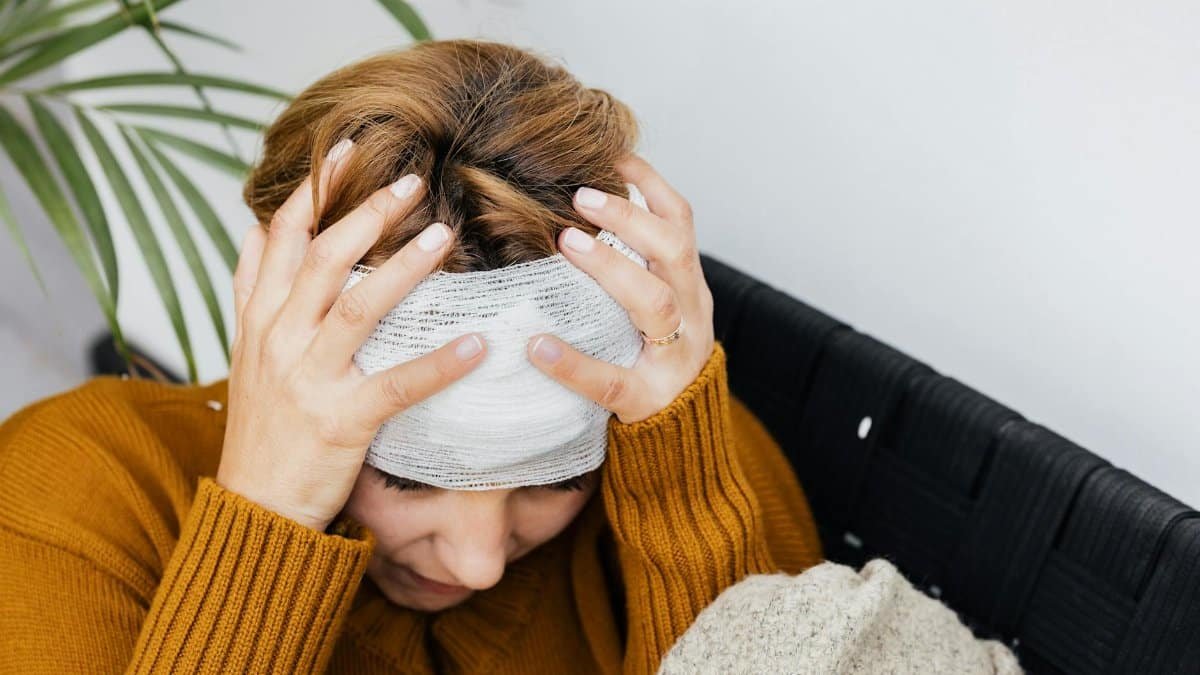
Hitting her head after the faint caused the damage. Brain tissue jostles violently inside the skull during falls, leading to trauma. Lilly described the aftermath plainly: decreased brain capacity. This term signals lasting cognitive shifts, from memory lapses to processing slowdowns. Traumatic brain injuries like this affect over 2.8 million Americans annually, per federal data. Lilly’s case fits a pattern where seemingly minor falls yield major fallout.
Revelation on January 10, 2026
Lilly went public on that crisp January date. Her announcement cut through celebrity chatter, raw and direct. She owns the “decreased brain capacity” label, refusing sugarcoating. Fans learned via her channels, sparking concern. The timing—early 2026—aligns with New Year reflections, yet her words hit harder amid Hawaii’s ongoing allure as a getaway spot. Transparency defines her response, setting her apart in Hollywood’s guarded world.
Living with Decreased Brain Capacity

Daily life adapts now. Decreased brain capacity means navigating fog—slower thoughts, fatigue, adjustments. Lilly embraces it head-on, living fully despite limits. Such injuries demand rehab, lifestyle tweaks, and patience. In 2026 U.S. trends, more survivors share stories, destigmatizing invisible wounds. Lilly’s openness aids this shift, showing resilience amid loss. Her beach tragedy fuels broader talks on brain health preparedness.
Freak Accidents: Rare but Real Risks

Freak accidents defy prediction. A faint on sand, a head strike—odds seem low, yet they strike. Hawaii reports steady ER visits from beach falls, mirroring national patterns. For context, the CDC’s Traumatic Brain Injury page details how falls cause nearly half of U.S. cases, with prevention key. Lilly’s evangeline lilly brain injury echoes these stats, urging hydration and shade in sunny states.
Brain Injury Realities in Modern America
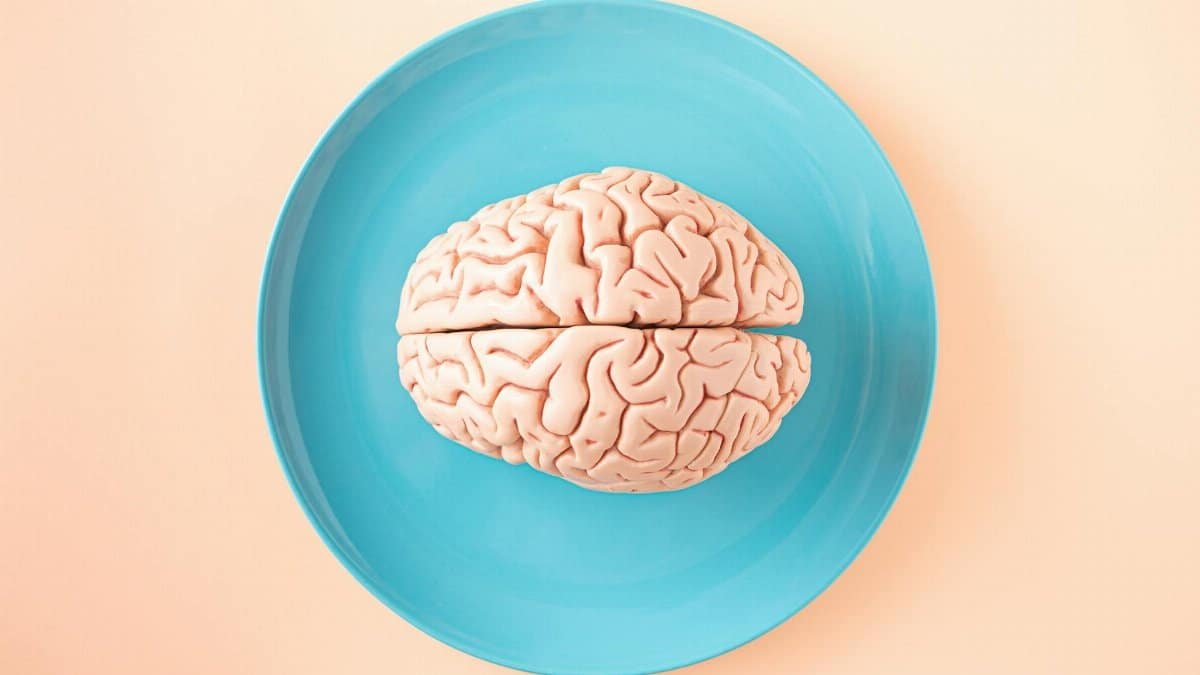
Traumatic brain injuries reshape lives quietly. Symptoms vary: headaches, confusion, emotional waves. Long-term, capacity dips affect work, relationships. Lilly’s “decreased brain capacity” phrasing captures this essence. Rehab focuses on neuroplasticity—brain rewiring potential. The Mayo Clinic’s TBI overview outlines causes like hers, stressing early intervention. In 2026, awareness rises via public figures like Lilly.
From Actress to Awareness Advocate
Known for Lost‘s intensity, Lilly now spotlights survival. Her Hawaii mishap pivots her narrative. Sharing “decreased brain capacity” invites empathy, sparks dialogue. U.S. neurology trends emphasize celebrity voices in health advocacy. Beach safety campaigns may cite her soon. Lilly lives onward, proving adaptation trumps despair. Her story, born January 10, 2026, resonates beyond shores, a punchy reminder of fragility.