

(January 15, 2026) – Tired of endless scrolling draining your energy? The dopamine menu offers a fresh fix. This simple list of quick, healthy joy-boosters has exploded as a viral ADHD hack. It’s pulling people away from doomscrolling and toward real brain relief in 2026. No more mindless feeds. Instead, a menu designed to deliver fast hits of joy without the crash. Experts note its rise signals a shift in how Americans combat digital fatigue and attention struggles.
What Exactly Is a Dopamine Menu?
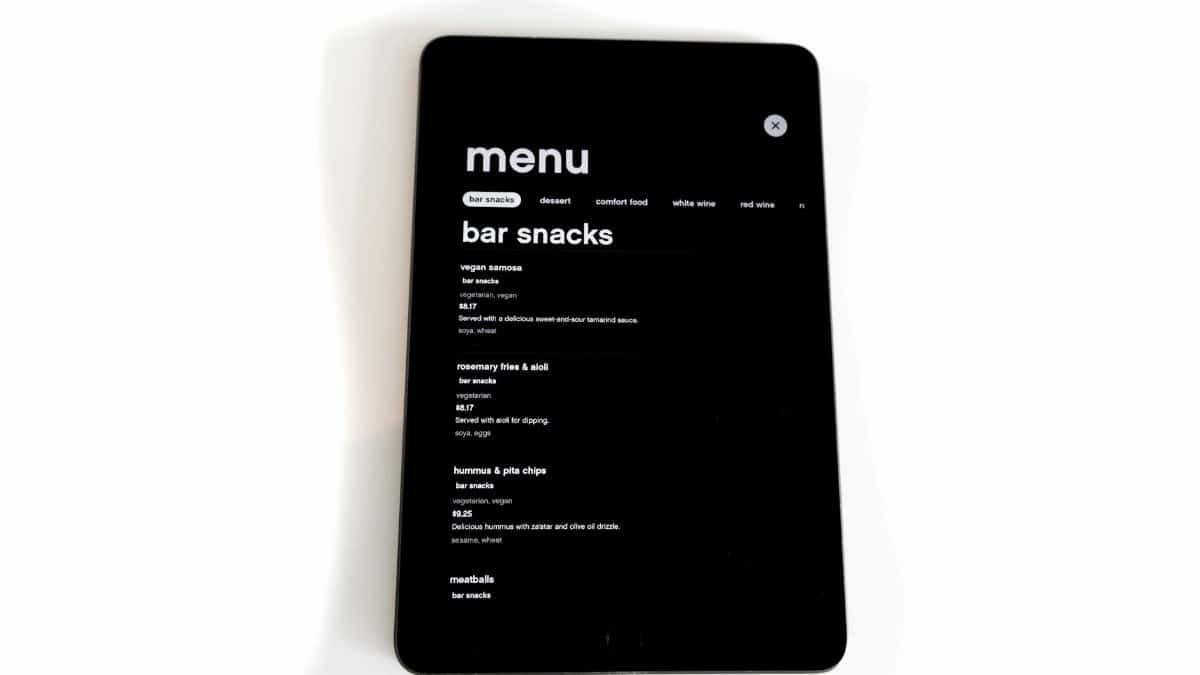
A dopamine menu is straightforward: a curated list of quick, healthy activities that spark joy and boost dopamine levels naturally. Think of it as your personal fast-food menu, but for brain health. Instead of junk content from social media, users pick from options that recharge without regret. The concept targets ADHD challenges head-on, providing structure amid chaos. In 2026, it’s gaining traction as screens dominate daily life. People report it cuts through the fog of overstimulation, offering immediate alternatives to scrolling.
From Niche Hack to Viral Sensation

The dopamine menu started as an ADHD community tip but hit mainstream speed in early 2026. Social platforms buzz with shares of personal menus, turning it into a collective movement. Users post their lists, inspiring others to ditch doomscrolling. Its appeal lies in simplicity—no apps, no fees, just a note on your phone. This organic spread reflects broader U.S. trends in mental health self-care, where quick wins beat complex therapies. By mid-January, mentions surged, proving its staying power.
Doomscrolling: The Habit It’s Replacing
Doomscrolling—endless consumption of negative news—hooks users with false dopamine spikes, leaving them depleted. The dopamine menu counters this directly. When the urge to scroll hits, pick a menu item instead. This swap breaks the cycle, fostering healthier habits. In a year marked by information overload, it’s a practical rebellion against addictive algorithms. Mental health advocates highlight how it restores control, especially for those with ADHD prone to hyperfocus on feeds.
Why It Works for ADHD Brains
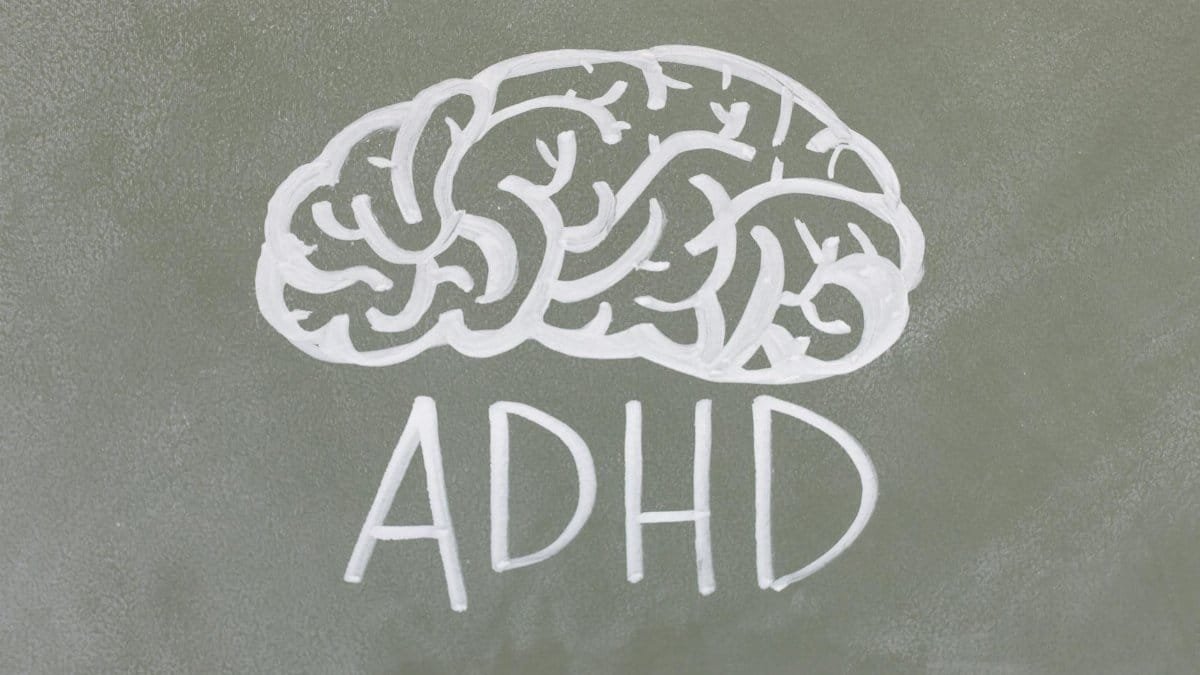
ADHD often means low baseline dopamine, making motivation tough. The dopamine menu delivers structured boosts through accessible joys. Quick tasks provide instant feedback, mimicking the reward social media promises but sustaining longer. Users with ADHD call it a “brain saver,” easing executive function struggles. For more on dopamine’s role in ADHD, see the National Institute of Mental Health’s ADHD overview. This hack aligns with evidence-based strategies for neurodiverse minds.
Quick Joy-Boosters at a Glance

Menu items focus on healthy, feasible actions: a brisk walk, favorite tune, deep breaths, or stretching. Each takes under five minutes, fitting busy schedules. The key? Variety to match moods. No perfection required—just choice. This approach builds momentum, turning small wins into daily resilience. In 2026’s fast-paced U.S., where ADHD diagnoses rise, such tools fill a gap left by overstretched healthcare systems.
Saving Brains in a Digital Age
By January 2026, the dopamine menu is credited with “saving brains” from scroll-induced burnout. It promotes proactive joy over reactive despair. Communities report better focus, mood stability, and sleep. This isn’t hype; it’s a response to real strains from constant connectivity. Public health data underscores dopamine’s importance in habit formation—check the National Institute on Drug Abuse’s explanation of brain reward systems, which parallels non-substance dopamine hacks like this menu.
Building Your Dopamine Menu

Start simple: jot five to ten joy-boosters that work for you. Test them during scroll urges. Customize for ADHD needs, like sensory-friendly options. Track what delivers the best lift. Share online to join the viral wave. In weeks, it rewires habits. U.S. users in high-stress jobs and parenting roles find it transformative, scaling back screen time organically.
The 2026 Mental Health Shift

This hack signals bigger changes. As doomscrolling peaks amid global news cycles, dopamine menus empower individuals. ADHD advocates push it as accessible self-help. Early adopters see reduced anxiety and sharper attention. With minimal barriers, it’s democratizing brain care. Expect it to influence wellness apps and workplaces soon, embedding menu-style breaks into routines.
The dopamine menu proves small changes yield big results. In 2026, it’s more than a trend—it’s a lifeline against digital drain. Stop scrolling. Start your menu today.