
Dentists across the U.S. are issuing a wake-up call: Is your nighttime teeth grinding—known as bruxism—really just from stress? On February 4, 2026, dental professionals revealed it’s often a hidden symptom of deeper issues like sleep apnea or even gut parasites. This punchy disclosure challenges long-held assumptions, urging patients to look beyond tension for the true teeth grinding cause. As awareness grows, millions may be overlooking treatable conditions masquerading as mere jaw clenching.
Dentists’ Bombshell Revelation

In a coordinated statement on February 4, 2026, dentists emphasized that nighttime teeth grinding isn’t solely a byproduct of daily pressures. Bruxism, the medical term for this involuntary habit, manifests during sleep and can signal underlying health threats. The revelation spotlights how professionals are shifting focus from stress management to comprehensive diagnostics. This comes amid rising patient reports of worn enamel and jaw pain, prompting a reevaluation of routine checkups.
What Exactly is Bruxism?

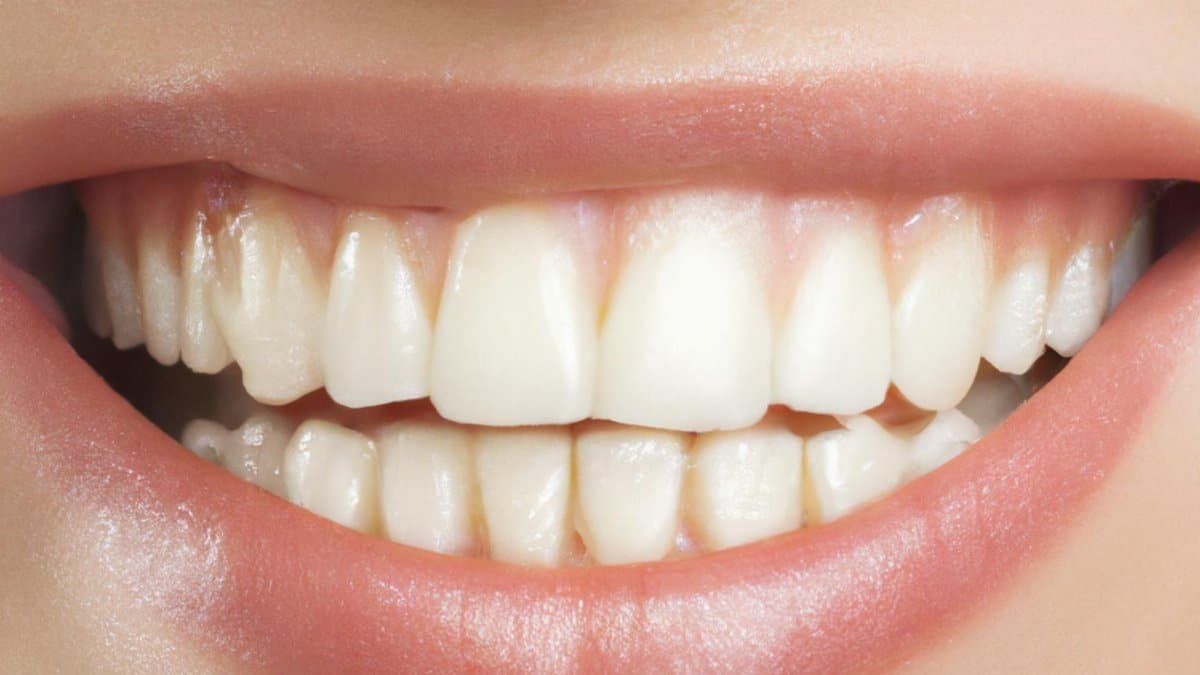
Bruxism involves the teeth grinding or clenching, predominantly at night when individuals are unaware. Unlike daytime habits tied to anxiety, nocturnal episodes erode dental structure silently. Dentists now stress that recognizing bruxism as a symptom—rather than an isolated issue—is key. The condition affects jaw muscles, leading to headaches, tooth damage, and disrupted sleep, but its roots often lie hidden.
Beyond Stress: Rethinking the Teeth Grinding Cause
For years, stress topped the list of culprits for teeth grinding. Yet, the February 4 announcement flips the script. Dentists clarified it’s frequently a secondary indicator of physiological disruptions. This paradigm shift encourages patients to probe deeper, as ignoring these links risks escalating damage. U.S. dental practices report increased inquiries post-revelation, reflecting a public hungry for answers.
Sleep Apnea Emerges as Prime Suspect

Sleep apnea, a disorder where breathing repeatedly stops during sleep, often triggers bruxism. Dentists highlighted how airway obstructions provoke grinding as the body fights for oxygen. This connection explains why many grinders wake with sore jaws and fatigue. Studies affirm the tie, with obstructive sleep apnea patients showing higher bruxism rates.Mayo Clinic on Bruxism and Sleep Disorders Early detection via sleep studies could prevent both dental wear and apnea complications like heart strain.
Gut Parasites: The Unexpected Link
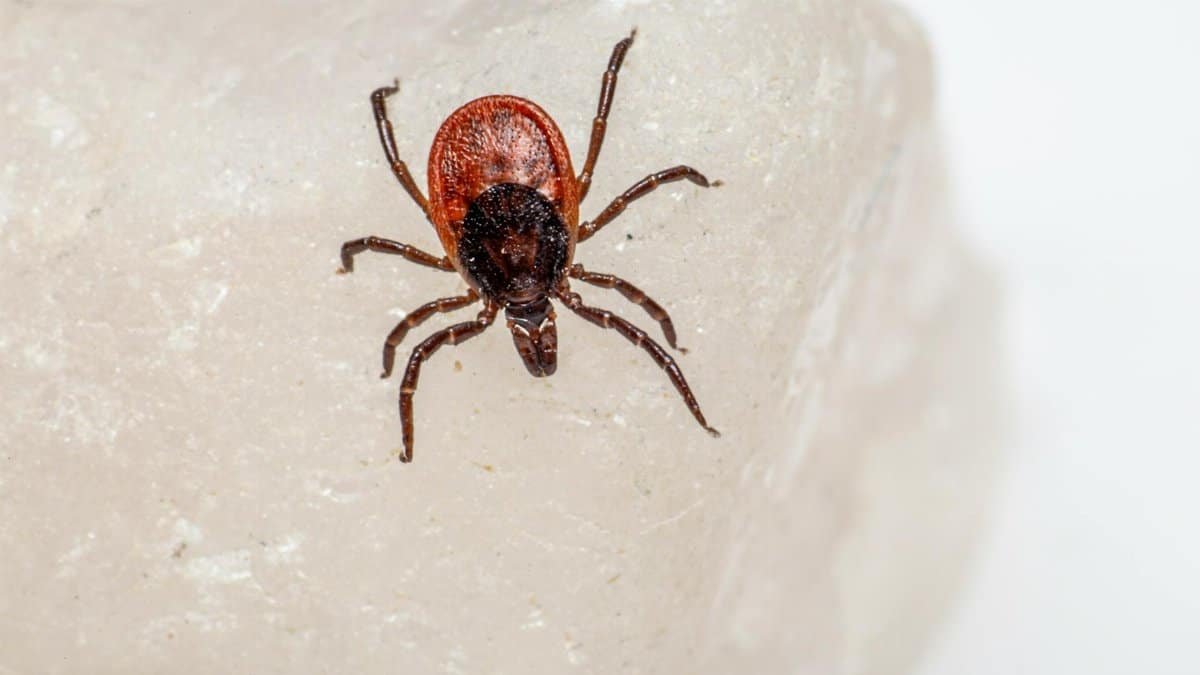
Even more startling, gut parasites join the list of potential teeth grinding causes. Dentists revealed how intestinal infestations irritate the nervous system, manifesting as nocturnal grinding. Parasites disrupt gut health, sending signals that prompt jaw activity during sleep. This association, though less common, underscores the need for holistic exams. In regions with varying sanitation, U.S. cases may underreported, dentists warn.
Why Nighttime Grinding Signals Danger

The nocturnal nature of bruxism amplifies its stealth. Unlike conscious clenching, sleep-time grinding evades notice until damage accumulates. Dentists’ 2026 alert stresses that as a symptom, it demands investigation into sleep apnea or parasitic loads. Untreated, it accelerates tooth loss and TMJ disorders, burdening healthcare systems.
Diagnostic Shifts in Dental Practices
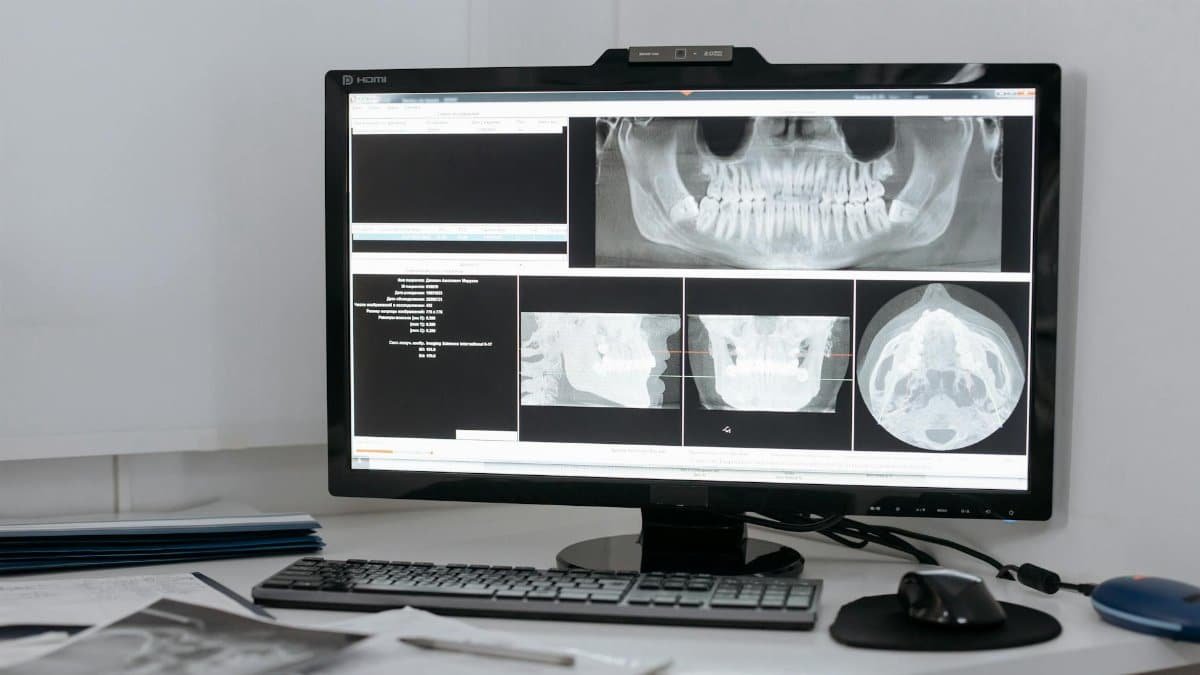
Post-revelation, U.S. dentists advocate screening for sleep-disordered breathing and stool tests for parasites. Simple questionnaires flag risks, while polysomnography confirms apnea.Sleep Foundation on Bruxism and Sleep Apnea This multi-angle approach promises better outcomes, reducing reliance on night guards alone.
Patient Stories Echo the Warning

Anonymous reports from dental clinics mirror the dentists’ claims. Patients treating stress alone saw no relief until addressing apnea or clearing parasites. One case involved persistent grinding resolved post-CPAP therapy, highlighting the symptom’s diagnostic value. These patterns, shared in the February 4 update, validate the push for integrated care.
2026 Trends in Bruxism Awareness

This year, U.S. dental discourse pivots toward symptom-driven care. With obesity fueling sleep apnea rises, bruxism screenings integrate into routine visits. Parasite checks gain traction in at-risk groups, like travelers. Dentists predict fewer misdiagnoses, preserving smiles and sleep quality nationwide.
Steps Forward for Grinders
Act now: Discuss grinding with your dentist, request apnea evaluations, and consider parasite screenings if symptoms persist. Lifestyle tweaks aid, but targeting root causes—per the experts—yields lasting relief. The February 4, 2026, revelation empowers proactive health, proving teeth grinding cause often hides in plain sight.
By Natasha Weber