
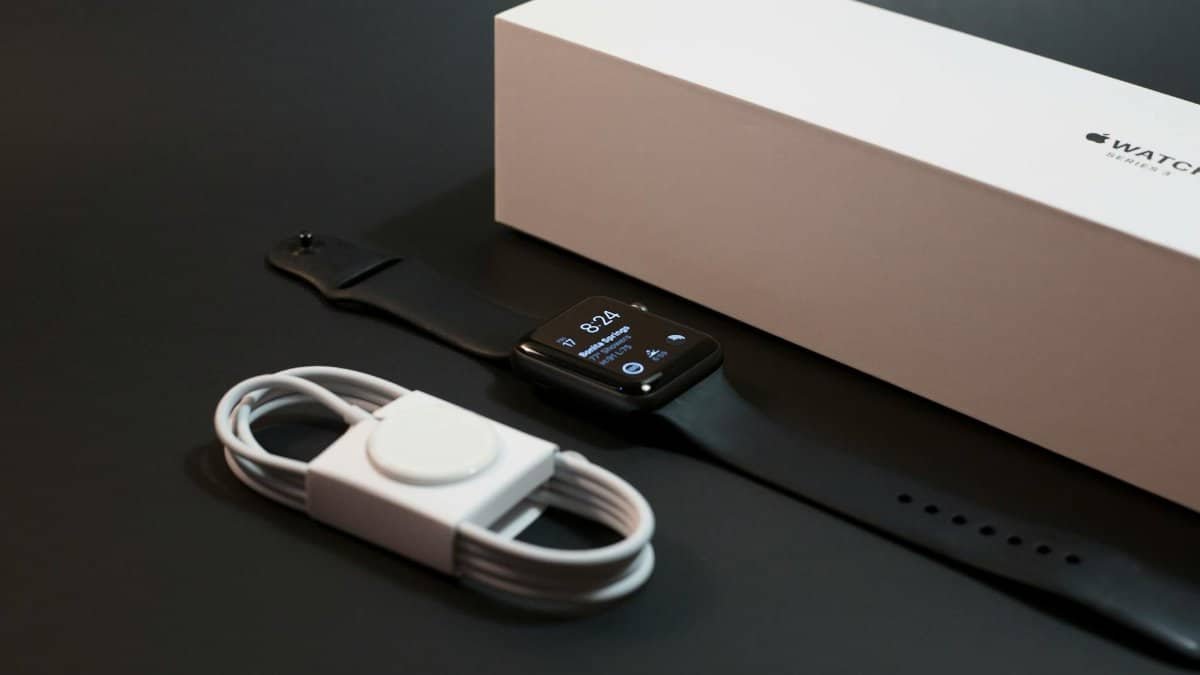
New York, January 14, 2026 – Stop counting your steps. The dumb watch trend has arrived, urging people to trade in their buzzing, data-obsessed smartwatches for the straightforward charm of classic Casios. This shift marks 2026’s bold fashion statement, prioritizing peace over constant notifications. No more heart rate alerts or sleep scores keeping users on edge. Instead, wearers embrace simple time-telling that lets life unfold without digital interference. As smartwatch fatigue sets in across the U.S., this back-to-basics movement gains traction, blending style with mental relief in everyday wristwear.
What Defines the Dumb Watch Trend?
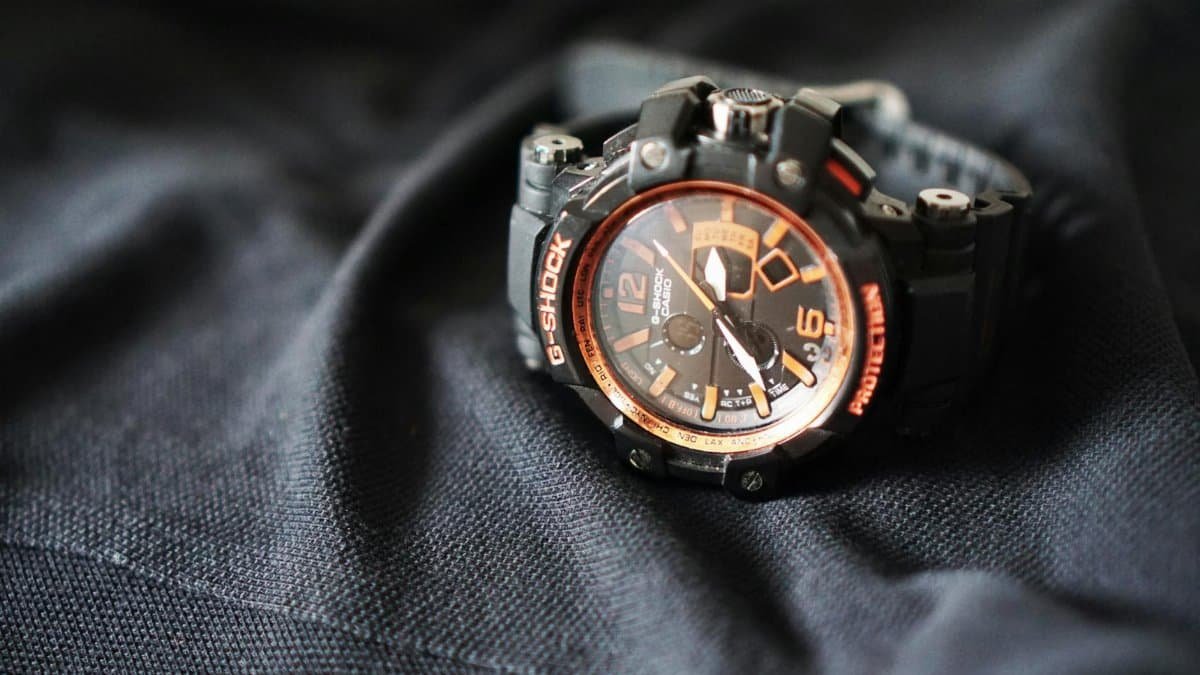
The dumb watch trend centers on deliberate simplicity. It involves ditching feature-packed smartwatches that track every move, breath, and blink. In their place, classic Casios emerge as the go-to choice. These analog or basic digital watches focus solely on telling time. No apps. No syncing. No endless data streams. The trend captures a growing pushback against wearable tech overload. Wearers report a lighter load, free from the pressure of quantified self-improvement. This swap redefines wrist accessories as tools for presence, not performance monitoring.
Smartwatches and the Anxiety Trap
Smartwatches promise health insights but often deliver stress. Constant step counts create unspoken goals, turning casual walks into missions. Vibration alerts for low activity or irregular heartbeats jolt users throughout the day. This barrage fosters anxiety, as noted in reports on wearable burnout. For many Americans, the devices meant to empower end up nagging. The dumb watch trend flips this script. By removing trackers, it eliminates the mental tallying that heightens worry. Users reclaim calm, proving less information can mean more well-being. Studies on fitness tracker fatigue underscore this shift, with many opting out for sanity’s sake. The Verge details smartwatch burnout.
Classic Casios Step into the Spotlight
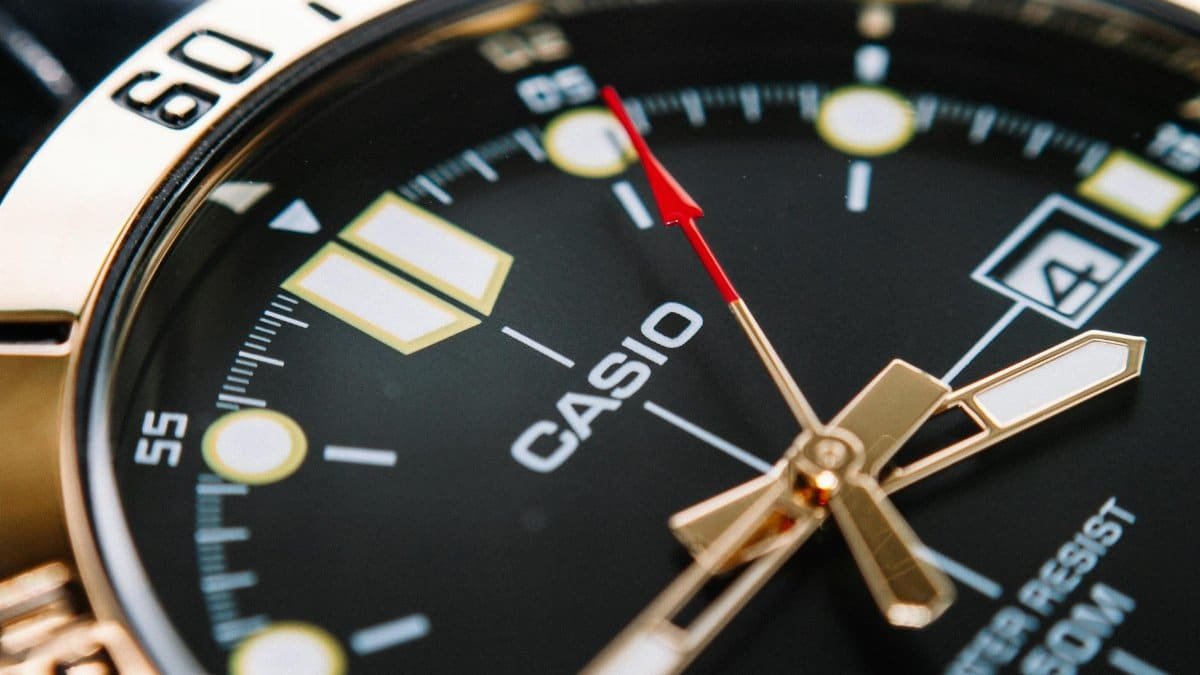
Casios stand out in the dumb watch trend for their unpretentious design. These watches feature clean faces, durable builds, and retro vibes that scream reliability without complexity. Popular models boast basic digital displays or analog hands—no screens demanding charges or updates. Their affordability and toughness appeal to urban professionals and fashion enthusiasts alike. In U.S. cities from New York to Los Angeles, Casios pair seamlessly with streetwear or suits. The brand’s legacy in everyday durability makes it perfect for those rejecting smartwatch fragility. This resurgence highlights a craving for timeless pieces over trendy tech.
Why Stop Counting Steps?

Step-counting lies at the heart of smartwatch frustration. Devices gamify movement, pressuring users to hit arbitrary targets like 10,000 steps daily. Missing them triggers guilt or demotivation. The dumb watch trend rejects this cycle entirely. Without pedometers, walks become enjoyable again—pure exploration, not exercise audits. This mindset shift reduces daily stress, allowing natural activity patterns to prevail. Fashion-forward adopters view it as liberation from metrics. In 2026, this philosophy resonates amid broader wellness conversations, where mental health trumps data dashboards.
Fashion Statement of the Year

The dumb watch trend elevates Casios to 2026’s must-have accessory. What was once utilitarian now struts runways and social feeds. Stylists pair rugged Casio G-Shocks with tailored outfits, merging sporty edges with high fashion. Celebrities and influencers amplify the look, showcasing how simplicity outshines screens. This isn’t just utility—it’s a statement against tech saturation. U.S. trendsetters embrace it for its cool factor, proving analog aesthetics hold power in a digital age. The trend’s rise signals wearables evolving toward elegance over excess.
Reducing Anxiety Through Simplicity

Anxiety reduction drives the dumb watch trend’s momentum. Smartwatches amplify worries with real-time feedback loops—poor sleep data leads to restless nights, ironic for rest trackers. Casios cut the cord, offering silence amid chaos. Users describe newfound freedom, unburdened by battery life or software glitches. This aligns with U.S. mental health priorities, where digital detoxes gain steam. Personal accounts echo the relief of glancing at a watch that just tells time. Broader research on tech-induced stress supports the move, with many finding joy in disconnection. NBC News on ditching smartwatches.
Cultural Shift in U.S. Wearables
America leads the dumb watch trend’s charge. From Silicon Valley techies to East Coast creatives, the swap reflects fatigue with always-on devices. Market whispers suggest Casio sales spiking as Apple Watch returns climb. This cultural pivot favors function over flash, echoing minimalist movements in tech and fashion. In boardrooms and gyms, wrists now sport Casios, signaling priorities: time over tracking. The trend embodies 2026’s ethos—intentional living amid information overload. It challenges wearable giants to rethink relentless innovation.
Embracing the Dumb Watch Lifestyle

Adopting the dumb watch trend means more than a new strap. It invites mindfulness, where checking time doesn’t mean checking stats. Classic Casios encourage living in the moment, their tick marking real progress. U.S. consumers, weary of subscription-based watches, find value in one-time buys. The fashion angle sustains it, with customizable bands adding personality without apps. As 2026 unfolds, this trend promises staying power, blending nostalgia, style, and serenity. For those overwhelmed by smart tech, it’s a wrist reset worth watching.