
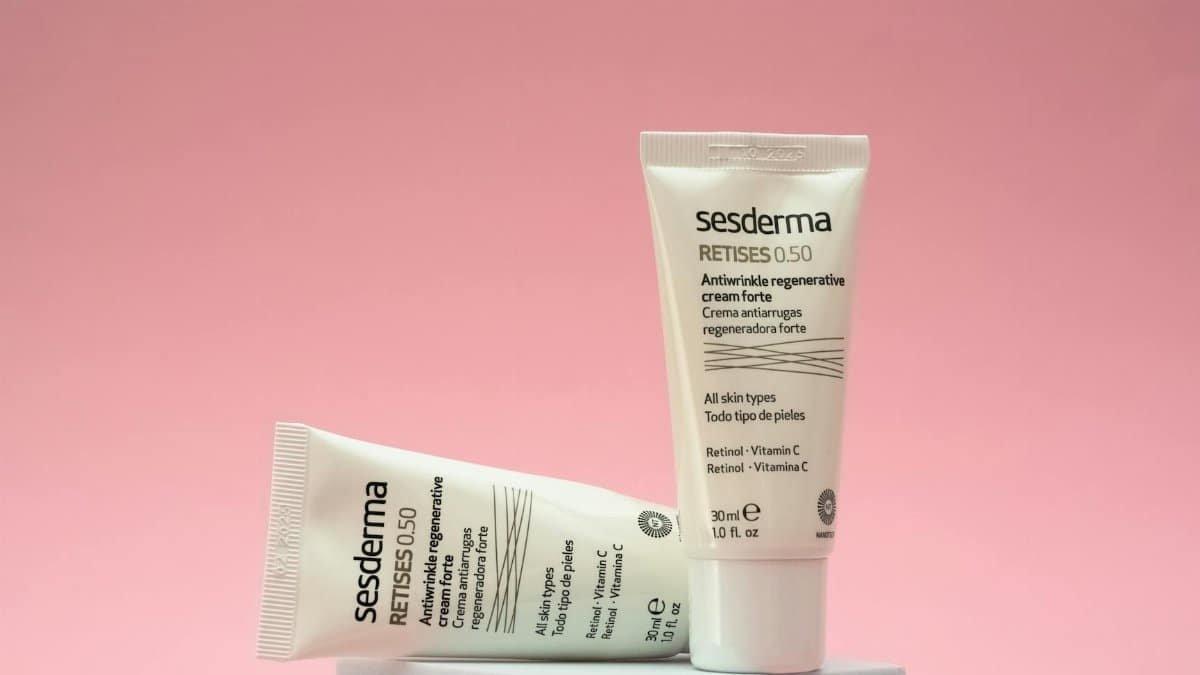
On January 27, 2026, a bold declaration hit the beauty world: stop fighting wrinkles, start fueling cells. The “skin longevity” movement declares war on the term “anti-aging,” ditching vanity-driven fixes for a focus on cellular health. This shift promises healthier skin from the inside out, prioritizing longevity over superficial battles. No more shaming lines or sagging—it’s about sustaining skin’s vital functions long-term. Industry watchers say this pivot marks a turning point, redefining skincare priorities across the U.S.
The Birth of Skin Longevity

The skin longevity movement emerged with a clear message on January 27, 2026. It calls for an end to wrinkle obsession. Instead, it urges action at the cellular level. This approach views skin as a living system needing fuel, not cover-ups. Experts in the field highlight how past strategies targeted visible flaws. Skin longevity flips that script entirely.
Killing Off Anti-Aging
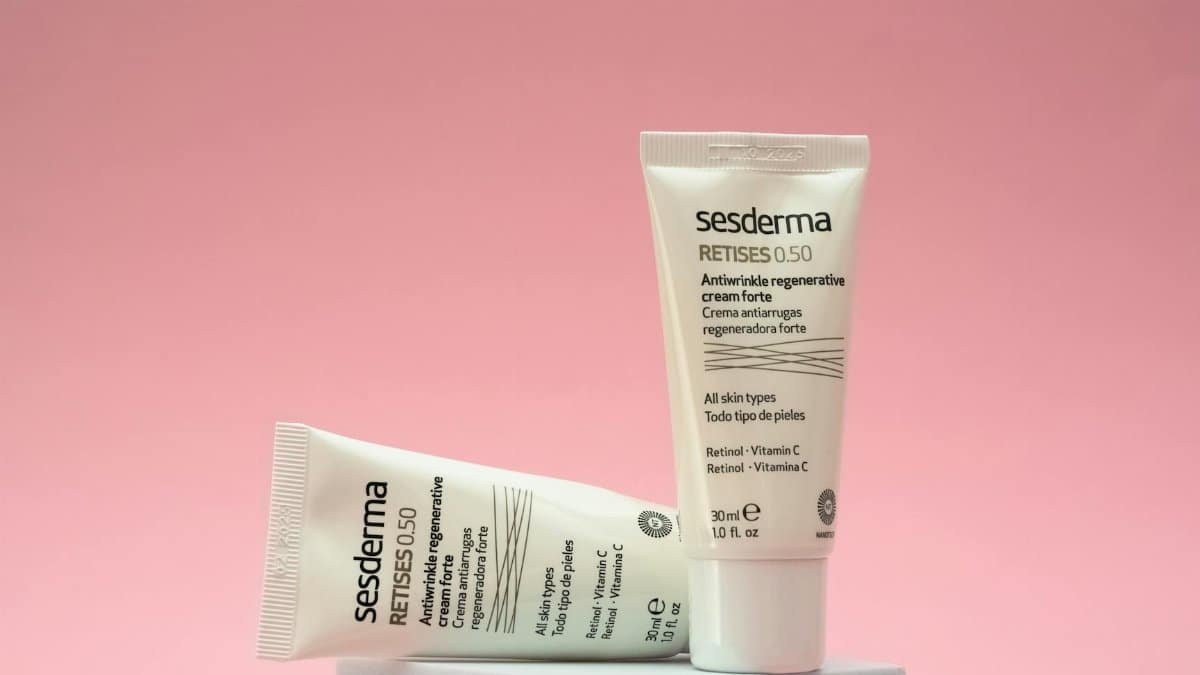
“Anti-aging” dominated skincare for decades. It framed aging as an enemy to combat. The skin longevity movement labels this outdated. On that pivotal date, proponents announced its demise. The term carried baggage—shame tied to appearance. Skin longevity rejects this. It positions aging as natural, not a flaw to erase. This semantic shift signals deeper change.
Fueling Cells Over Fighting Signs
Core to skin longevity: nourish cells directly. Wrinkles signal deeper issues, like cellular fatigue. Traditional anti-aging creams masked them. Fueling cells means supporting energy production and repair. Skin cells thrive when powered properly. This method aims for sustained vitality, not quick fixes. The movement stresses internal strength builds lasting resilience.
For insights into cellular mechanisms in skin health, see the National Institute on Aging’s overview on skin care and aging.
Vanity vs. Vitality
Anti-aging thrived on vanity. Products promised youth in a jar. Skin longevity dismisses this shallow pursuit. It elevates cellular health as the true goal. Vanity chases mirrors; vitality sustains life. The movement argues superficial tweaks ignore root causes. Healthy cells yield naturally vibrant skin. This philosophy resonates in a health-conscious U.S. market.
Why the Movement Matters Now

In 2026, skincare trends lean toward science-backed wellness. Skin longevity fits perfectly. It counters decades of hype with substance. Consumers seek authenticity amid wellness booms. The January announcement amplified this. Brands and influencers pivot fast. Expect formulations emphasizing cell nutrition over wrinkle warriors.
Core Principles Unpacked

Skin longevity rests on simple shifts. Prioritize cell fuel: nutrients that energize from within. Ditch the wrinkle war. Embrace skin’s natural lifecycle. Focus on longevity through health. These tenets challenge industry norms. They demand products supporting cellular function. Results? Skin that performs better over time.
Industry Shake-Up

Beauty giants feel the quake. Anti-aging lines face obsolescence. Skin longevity demands reformulation. Marketing must highlight cells, not concealment. U.S. shelves will reflect this by mid-2026. Smaller innovators lead, pushing cell-focused innovation. The movement forces accountability—vanity sells less when health trumps looks.
Research from the National Institutes of Health underscores cellular roles in tissue maintenance, relevant to trends like skin longevity: Skin Histology Overview.
Consumer Shift in Action

Americans embrace the change. Tired of empty promises, they turn to cell-centric care. Social feeds buzz with skin longevity talk post-January 27. It’s not fringe—it’s mainstream momentum. Users report mindset flips: less fear, more empowerment. This grassroots surge pressures the industry harder.
Long-Term Implications

Skin longevity redefines success. Measure by cellular vigor, not wrinkle count. It promises enduring benefits. Anti-aging offered temporary wins; this builds foundations. As 2026 unfolds, watch regulations and research align. The movement’s fuel-cells mantra could reshape global beauty standards, starting in the U.S.
Embracing the New Standard

The verdict is clear: skin longevity buries anti-aging. Announced January 27, 2026, it champions cells over cosmetics. Fuel your skin’s future. Vanity fades; health endures. This isn’t a fad—it’s the next chapter in skincare evolution.