

Gen Alpha children are launching sharenting lawsuits against their influencer parents, marking a dramatic backlash in 2026. These legal battles challenge the practice of posting kids’ images online without their consent. A surge of cases filed this year signals kids fighting back after years of exposure on social media. Courts now grapple with family privacy lines blurred by viral content.
The Rise of Sharenting Lawsuits

January 22, 2026, spotlighted the trend. Reports emerged of multiple lawsuits where children target parents known for family influencer accounts. These sharenting lawsuits center on unauthorized online sharing. Kids, now old enough to voice objections, demand accountability. The wave reflects growing awareness of digital footprints left by parents’ posts.
Defining Sharenting

Sharenting involves parents broadcasting their children’s lives across platforms like Instagram and TikTok. Influencer parents built careers on these posts, amassing followers through daily kid updates. Without consent, such sharing exposes minors to risks. The term captures this parental habit turned legal flashpoint in 2026.
Gen Alpha Enters the Fray

Generation Alpha, the youngest digital natives, leads the charge. Born into a connected world, these children grew up as unwitting stars. Now teens or preteens, they sue over past posts that haunt their privacy. Their actions highlight a generational rift in online family dynamics.
Influencer Parents Under Fire

Family influencers face direct hits. Parents who monetized kid content through sponsorships now defend against offspring claims. Lawsuits accuse them of exploiting children for profit without permission. This targets high-profile accounts that turned private moments public.
Consent at the Heart of Claims
No consent forms the lawsuits’ core. Children argue parents posted photos, videos, and stories without approval. As minors gain digital literacy, they reject perpetual online presence. Courts examine when consent becomes relevant, even within families.
2026 Lawsuit Momentum

This year unleashes a new wave. Multiple filings cluster around January, per initial reports. The trend builds on prior privacy debates but escalates to child-initiated suits. Legal experts note the shift from warnings to courtroom confrontations.
U.S. children’s privacy laws provide backdrop. The Children’s Online Privacy Protection Act (COPPA) regulates data collection from kids under 13, underscoring consent needs. Though not directly covering parental posts, it informs broader discussions on minor protections.
Privacy Rights for Minors
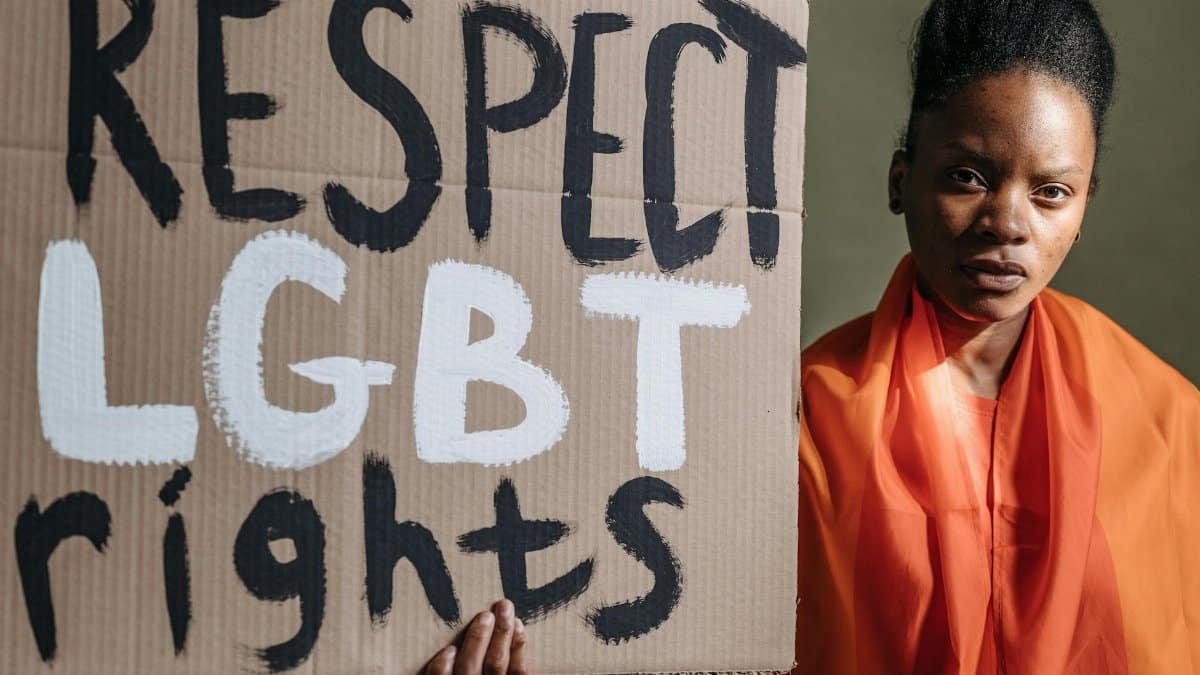
Children assert rights to control their image. Sharenting lawsuits test family versus individual privacy. Platforms amplify exposures, making deletion impossible. Kids seek court orders to scrub content and halt future shares.
Research highlights risks. Pew Research Center data shows most parents share kid photos online, often overlooking long-term effects. See their report on parenting children in the age of screens, which details sharing habits and privacy concerns.
Impact on Influencer Culture
Family vlogs and reels face scrutiny. Parents weigh content creation against legal threats. Some pause kid features amid suits. The backlash disrupts an industry reliant on authentic family portrayals.
Legal Challenges Ahead

Courts navigate uncharted territory. Do parental rights override child consent? Cases probe image rights, emotional harm, and platform liabilities. Outcomes could set precedents for digital parenting.
Shifting Parenting Norms
Sharenting lawsuits force reflection. Parents reconsider posts’ permanence. Kids’ pushback promotes consent talks early. In 2026, family influencers adapt or risk more suits. The trend underscores evolving digital ethics within homes.
This wave, starting strong in January, redefines boundaries. Gen Alpha’s legal stand challenges unchecked sharing, pushing for consent in the influencer era.