

A new report uncovers a harsh reality in the job market: 30% of postings in 2026 are “ghost jobs.” These fake listings trick overworked staff into believing reinforcements are imminent. Released on February 1, 2026, the findings declare, “It’s not you, it’s the listing.” Job seekers pour effort into applications that lead nowhere. Companies deploy this ruse amid labor strains, fueling frustration across the workforce. The tactic exposes deeper issues in hiring practices.
Unmasking Ghost Jobs

Ghost jobs represent a deceptive corner of recruitment. They appear as legitimate openings on job boards and company sites. In truth, no positions exist. Firms post them anyway. The summary from the new report pins their purpose clearly: to mislead current employees. Overworked teams see the listings and assume help arrives soon. This creates an illusion of expansion. Without real hires, the postings haunt applicants and staff alike. The practice turns job hunting into a game of shadows.
The 30% Bombshell

The report delivers a precise figure. Exactly 30% of all job postings in 2026 fall into the ghost category. This scale shocks observers. It means nearly one in three listings misleads. Data from February 1 highlights the trend’s grip on the market. U.S. companies, facing tight budgets or hiring freezes, lean on fakes. Job boards overflow with them. Seekers click through, only to hit silence. The statistic underscores a shift from transparent recruitment to strategic fakery.
For context on similar tactics, see this CNBC analysis of deceptive postings signaling false growth.
Targeting Overworked Staff

Companies aim these ghosts squarely at their own teams. Staff grind through long hours and heavy loads. Burnout looms large. Then, a posting pops up for a similar role. Employees think relief nears. Morale ticks up briefly. The report nails this intent: trick workers into patience. No interviews follow. No offers materialize. The ploy buys time. It masks understaffing without spending on payroll. In 2026’s competitive U.S. economy, firms prioritize retention over reality.
Illusion of Incoming Help

The core deception hinges on hope. Ghost jobs promise aid. Overworked departments scan listings daily. A new role matches their pain points. Excitement builds. “Help is coming,” they tell themselves. Weeks pass. Nothing happens. Trust erodes. The February report frames this as deliberate. Companies signal activity without action. Staff stay put, fearing worse elsewhere. This cycle sustains operations. It starves genuine hiring pipelines.
Job Seekers’ Wasted Efforts

Applicants bear the brunt too. Tailored resumes fly into voids. Follow-ups echo unanswered. The title says it all: ghost jobs explain why you can’t get hired. That 30% dilutes real opportunities. Seekers question skills and networks. Anxiety rises. The report ties this to broader market distortion. U.S. unemployment figures look off when fakes inflate supply. Frustrated candidates drop out. Talented workers sit sidelined.
Insights into applicant pitfalls appear in this Forbes report on spotting deceptive listings.
Cracks in Company Morale

Inside firms, the tactic backfires over time. Initial relief fades. Staff realize the listings lied. Resentment brews. Turnover risks climb. The report implies long-term damage. Overworked teams demand truth. Ghost jobs erode loyalty. Productivity dips as cynicism spreads. In 2026, U.S. businesses face scrutiny. Regulators and media spotlight fakes. Companies risk reputation hits. What starts as a quick fix turns toxic.
Ripples Across the Job Market

Ghost jobs warp the entire landscape. That 30% figure signals systemic strain. Employers game perceptions. Job boards lose credibility. Seekers adopt skepticism. The February 1 report captures a pivotal moment. U.S. trends show deceleration in real hires. Fakes fill the gap. Applicants adapt by targeting insiders or networks. Staff push for internal changes. The practice fuels a shadow economy of employment signals.
Calls for Hiring Transparency
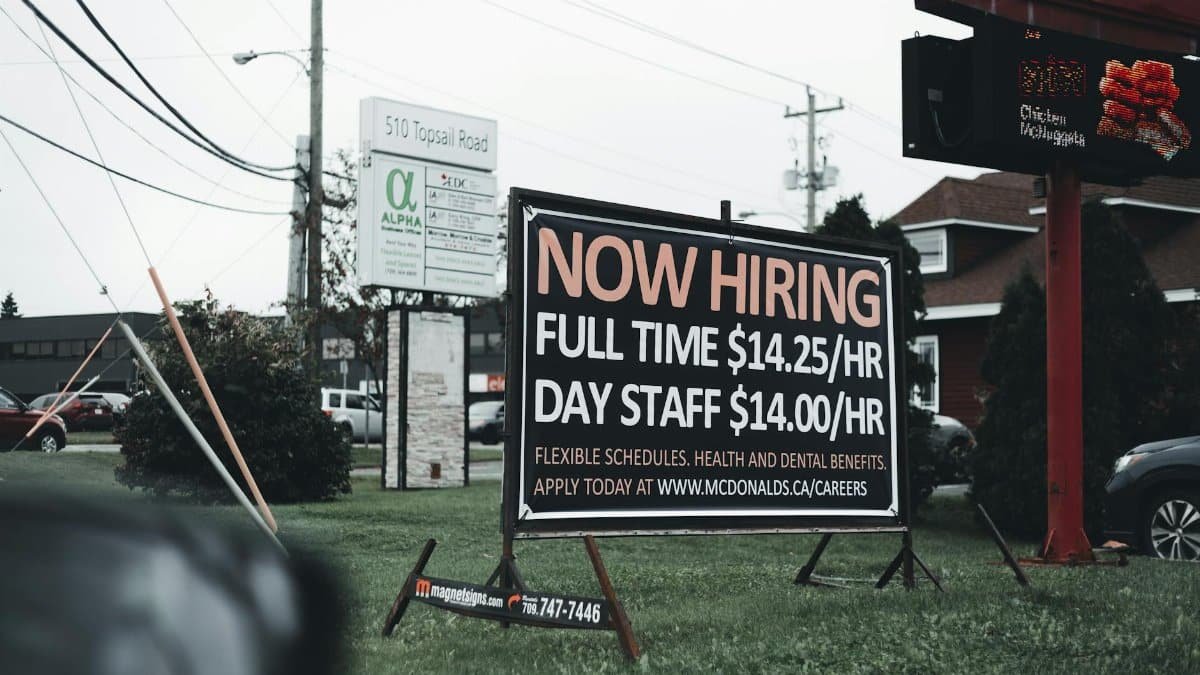
The revelation sparks demands for reform. Reports like this one urge honesty. Companies should pull fakes promptly. Job platforms could flag stale listings. Policymakers eye disclosures. The “It’s not you, it’s the listing” line resonates. It absolves seekers. It indicts employers. In 2026, transparency becomes a battleground. Overworked staff deserve real help. Applicants merit real shots. Ghost jobs force a reckoning. The market hungers for authenticity amid the phantoms.