
Is a sharper jawline worth wrecked teeth and chronic pain? Dentists say no, as mewing danger surges among teens chasing the viral tongue-posture trend. On January 30, 2026, reports emerged of a sharp spike in temporomandibular joint (TMJ) disorders and loose teeth linked directly to obsessive mewing. This social media fad, promising chiseled features through constant tongue pressure against the roof of the mouth, is backfiring hard. U.S. dental professionals are flooding offices with young patients complaining of jaw pain and dental instability. The mewing danger is real, and it’s hitting teens where it hurts most.
What Is Mewing?

Mewing stems from a simple premise: proper tongue posture can reshape the face. Teens press their entire tongue flat against the upper palate, holding it there around the clock. Proponents claim it defines the jawline naturally, no surgery needed. But dentists report this constant pressure disrupts natural jaw mechanics. The trend exploded on platforms like TikTok, drawing millions of young followers obsessed with aesthetics. What started as a niche orthodontic idea has morphed into a daily ritual for many, ignoring the building mewing danger beneath the surface.
The Teen Jawline Obsession
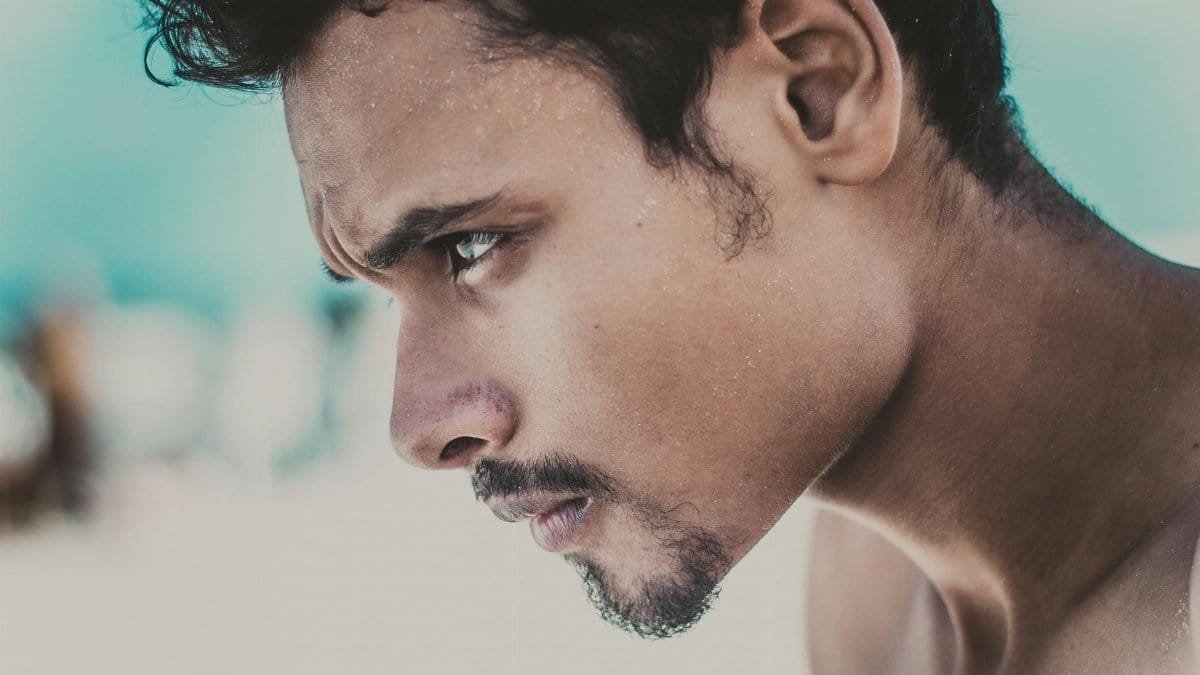
Teens in 2026 are fixated on sharp jawlines, fueled by influencers flaunting sculpted profiles. Mewing fits perfectly into this beauty chase—easy, free, and “natural.” Social media videos rack up views with before-and-after claims. Yet, dentists note the demographic hit hardest: adolescents whose jaws are still developing. Constant tongue force alters bite alignment over time. Loose teeth emerge as enamel shifts unnaturally. The allure blinds users to the mewing danger, turning a quick fix into long-term dental woes.
Dentists Report a Spike

Dental clinics across the U.S. are seeing unprecedented cases. On January 30, 2026, the warnings hit mainstream: a clear uptick in teen patients with mewing-related issues. Practitioners link the surge directly to the trend’s virality. Offices report more teens than ever presenting with jaw locking, clicking, and pain. “A sharp jawline isn’t worth this,” one headline captured the sentiment. Dentists urge parents to monitor social media habits, as the mewing danger spreads unchecked among youth.
TMJ Disorders on the Rise

TMJ, or temporomandibular joint disorder, targets the jaw’s hinge connecting to the skull. Mewing’s relentless tongue pressure strains this delicate area. Symptoms include severe pain, headaches, and difficulty chewing. Dentists confirm the spike ties back to improper posture forcing unnatural muscle tension. Teens describe grinding sensations and limited mouth opening. For more on TMJ basics and risks, see the National Institute of Dental and Craniofacial Research. This mewing danger turns a cosmetic pursuit into debilitating discomfort.
Loose Teeth: The Hidden Risk
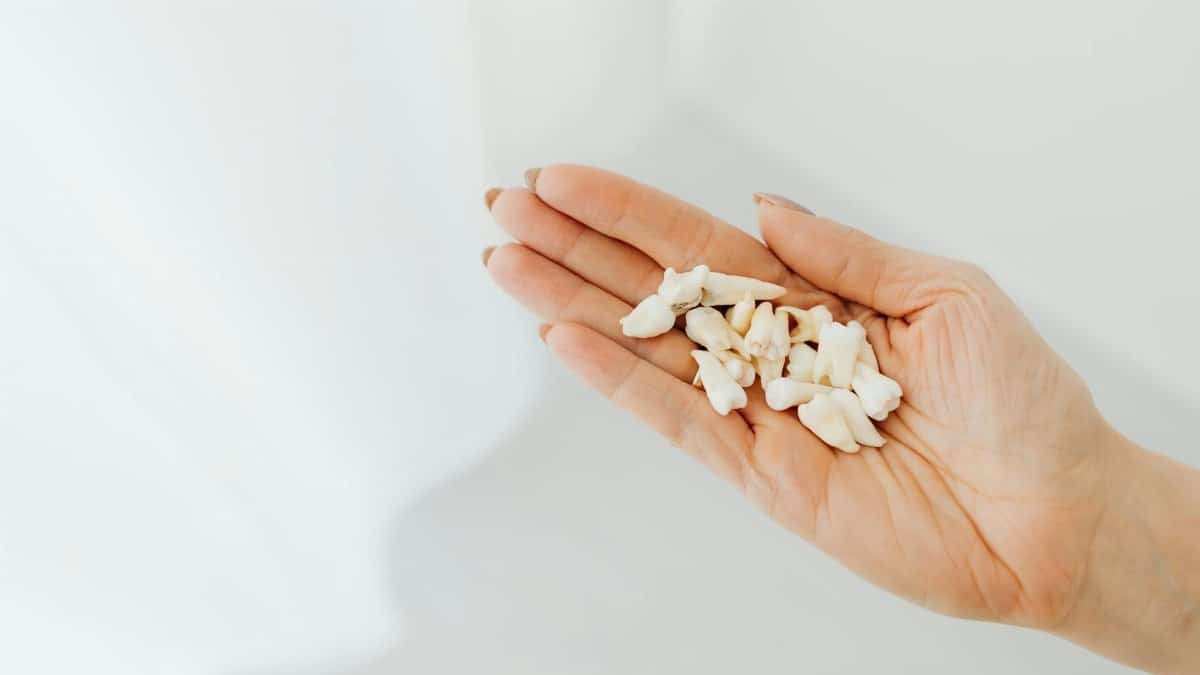
Beyond jaw pain, loose teeth signal deeper damage. Mewing enthusiasts apply excessive force, destabilizing tooth roots over months. Dentists observe periodontal ligaments weakening, leading to mobility. Teens notice teeth wiggling during meals, a red flag for gum recession. The viral trend ignores bite equilibrium, inviting infection risks. Early intervention is key, but many delay until pain forces action. This aspect of mewing danger underscores why professionals are raising alarms now.
Why Teens Are Hooked
The promise hooks fast: rest your tongue right, watch your face transform. No gym, no diets—just posture. In 2026’s image-driven culture, teens dive in without research. Viral challenges amplify it, with users sharing progress pics. Dentists see the fallout: jaws misaligned from overzealous practice. The obsession blinds them to early signs like soreness. Public health experts call it a perfect storm of misinformation and youth vanity fueling the mewing danger.
January 2026: The Wake-Up Call
Dated January 30, 2026, the reports mark a tipping point. Dentists’ observations coincide with peak trend popularity. Clinics note doubled appointments for jaw complaints among 13- to 19-year-olds. The timing aligns with winter break social media binges. U.S. trends show urban areas hit hardest, where aesthetic pressures run high. This snapshot reveals mewing danger evolving from fad to public health concern, prompting urgent professional outcry.
Expert Warnings Ignored?

Dentists plead: stop the obsession. They detail how mewing overloads jaw muscles, mimicking bruxism effects. For TMJ management insights, consult the Mayo Clinic’s overview. Teens dismiss advice, chasing that elusive jawline. Reports stress early detection—X-rays reveal shifts invisible to the eye. The mewing danger persists as influencers downplay risks, leaving dentists to pick up the pieces.
Safer Paths Forward

Professionals push evidence-based alternatives. Orthodontic consults offer real jaw guidance without DIY risks. Teens should prioritize balanced posture over viral hacks. Dentists advocate monitoring for symptoms like persistent ache or tooth movement. In 2026, education campaigns aim to curb the spike. The core message: mewing’s allure fades against proven harm. Families must intervene, steering youth from trends that jeopardize oral health long-term.