

In the high-stakes world of the 2026 Winter Olympics, Mikaela Shiffrin mental health emerged raw and real. The U.S. Olympian delivered a tearful interview from Milano-Cortina on February 8, her voice breaking as she revealed she’s skiing for her dad. “Grief doesn’t have a finish line,” she told fans, a stark reminder that personal loss shadows even the brightest athletic pursuits. Her words cut through the cheers, spotlighting the mental toll on elite competitors.
Shiffrin’s Emotional Outburst at Milano-Cortina

Mikaela Shiffrin, one of skiing’s top Olympians, let emotions spill during a post-run interview at the Milano-Cortina Games. Tears streamed down her face as she addressed the crowd and cameras. This moment unfolded on February 8, 2026, amid the Italian Alps’ demanding slopes. Her vulnerability stood out against the Games’ glamour, turning a routine chat into a profound statement on inner struggles. Fans watched in silence, gripped by her honesty.
Skiing with Purpose: For Her Dad

Shiffrin made it clear: every turn, every gate she navigates skis for her dad. This dedication fuels her runs at the Winter Games. The Olympian’s drive stems from deep family ties, now laced with loss. Her words paint a picture of competition as tribute. In Milano-Cortina’s crisp air, she channels that bond into performance, proving grief shapes but doesn’t stop her elite edge.
The Tearful Interview That Stopped Fans
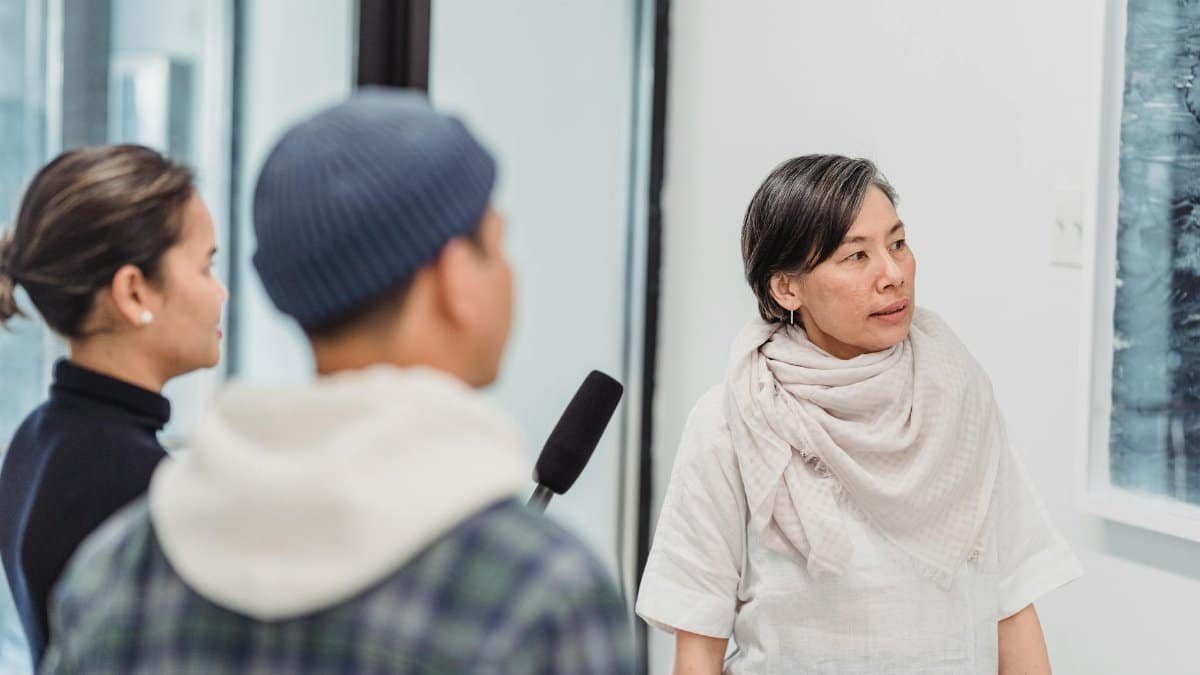
On that February day, Shiffrin’s interview hit hard. Tears flowed freely as she spoke from the heart. Held at the Milano-Cortina venue, it captured a champion unfiltered. No scripts, just raw truth about ongoing pain. This wasn’t scripted drama— it was real-time mental health reckoning. Her poise cracked, revealing the human behind the medals.
“Grief Doesn’t Have a Finish Line”: Her Powerful Quote

Shiffrin’s line—”grief doesn’t have a finish line”—resonates beyond the slopes. Delivered through tears, it underscores grief’s endless nature. Unlike races with taped endpoints, loss lingers. She reminded fans of this truth at the Olympics. The quote captures mikaela shiffrin mental health in its purest form: persistent, unyielding, yet navigated daily. It echoes for athletes everywhere facing similar shadows.
Olympic Spotlight on Personal Loss

Milano-Cortina’s Winter Games thrust Shiffrin’s story forward. February 8 marked not just competition but a grief milestone. As an Olympian, she skis under global eyes, her dad’s memory in tow. This blend of public pressure and private pain highlights mental health demands in sports. Her openness sets a tone for 2026’s Games, where athletes confront inner battles alongside outer ones.
Mental Health Realities for Skiing Stars

Shiffrin’s moment ties directly to mikaela shiffrin mental health challenges. Elite skiing demands peak focus, but grief disrupts that. Her tearful words affirm loss doesn’t vanish with training. At Milano-Cortina, she skis for her dad amid this reality. Such disclosures normalize mental hurdles in high-performance worlds. For U.S. athletes like her, 2026 trends show growing candor on these issues. Resources from the U.S. Olympic & Paralympic Committee stress support systems, as seen in their ongoing initiatives ( USOPC Mental Health Hub ).
Grief’s Lasting Echo in Competition
No finish line means grief races alongside Shiffrin. Her dad’s influence propels her through Milano-Cortina’s courses. The February 8 interview crystallized this: tears amid triumph. Olympians often mask pain, but she chose visibility. This approach redefines mental resilience. Fans connect through her reminder—loss evolves, never ends. In 2026’s Olympic context, it prompts broader talks on athlete well-being.
Broader Impact at the 2026 Winter Games

Shiffrin’s vulnerability ripples across Milano-Cortina. Her story humanizes the Olympics, blending sport with soul-searching. Skiing for her dad adds layers to her quest. The tearful exchange on February 8 elevates mikaela shiffrin mental health discussions. Official channels like the International Olympic Committee track such narratives, promoting mental health protocols ( Milano-Cortina 2026 Official Site ). Her quote endures as a call to recognize grief’s marathon.
A Champion’s Lesson on Endurance
Ultimately, Shiffrin teaches endurance beyond physical limits. Grief shadows her Olympic path, yet she persists—for her dad, for fans. Milano-Cortina witnesses this grit. Her February words ensure mental health stays central. In U.S. sports culture, such moments shift norms, urging empathy over invincibility. As 2026 unfolds, her voice amplifies the unspoken.