

In a stunning twist of tech irony, the very engineers who built the iPad refuse to let their kids near one. A new report dated January 29, 2026, spotlights this growing ipad kids backlash in Silicon Valley, where nannies command premium pay to uphold ironclad “no-screen” rules. Wealthy parents, many from Apple’s inner circle, prioritize unplugged childhoods amid fears over attention spans and development. This trend signals a broader rejection of the devices fueling their fortunes.
Engineers Behind the iPad Draw a Hard Line
The architects of one of Apple’s flagship products live by a different standard at home. These Silicon Valley innovators, credited with designing the iPad, enforce total bans on the tablet for their children. No casual browsing. No educational apps. The report details how these tech pioneers view their creation as a potential hazard, opting instead for screen-free environments. This personal embargo highlights a deepening skepticism within the industry toward constant connectivity.
A New Report Exposes Elite Parenting Practices

Dated January 29, 2026, the fresh report pulls back the curtain on Silicon Valley’s childcare secrets. It reveals how high-paid nannies serve as gatekeepers, tasked with blocking all screens. These professionals receive bonuses—premium compensation—specifically for maintaining zero-tolerance policies. The findings underscore a calculated shift among tech elites, who fund lavish homes yet demand analog play for their young ones. Such disclosures fuel national conversations on digital overreach.
Nannies Paid Extra to Block Screens

Premium wages define this niche of childcare. Nannies in Silicon Valley mansions earn top dollar not just for feeding and diapering, but for vigilant screen enforcement. The report specifies these bonuses as direct incentives for strict adherence. One slip—handing over an iPad—could cost them dearly. This pay structure reflects parental desperation to shield kids from the addictive pull of tablets, turning caregivers into frontline defenders of attention and focus.
Silicon Valley’s No-Screen Revolution

What began as whispers among iPad developers has swelled into a movement. The report captures a wave of families ditching screens entirely, led by those who engineered the tech. Toys, books, and outdoor time dominate playrooms in Atherton and Palo Alto. This backlash rejects the iPad’s sleek allure, prioritizing raw interaction over glowing interfaces. In 2026, as device sales soar, these insiders bet on low-tech upbringing as the smarter path.
Why iPad Builders Shun Their Invention
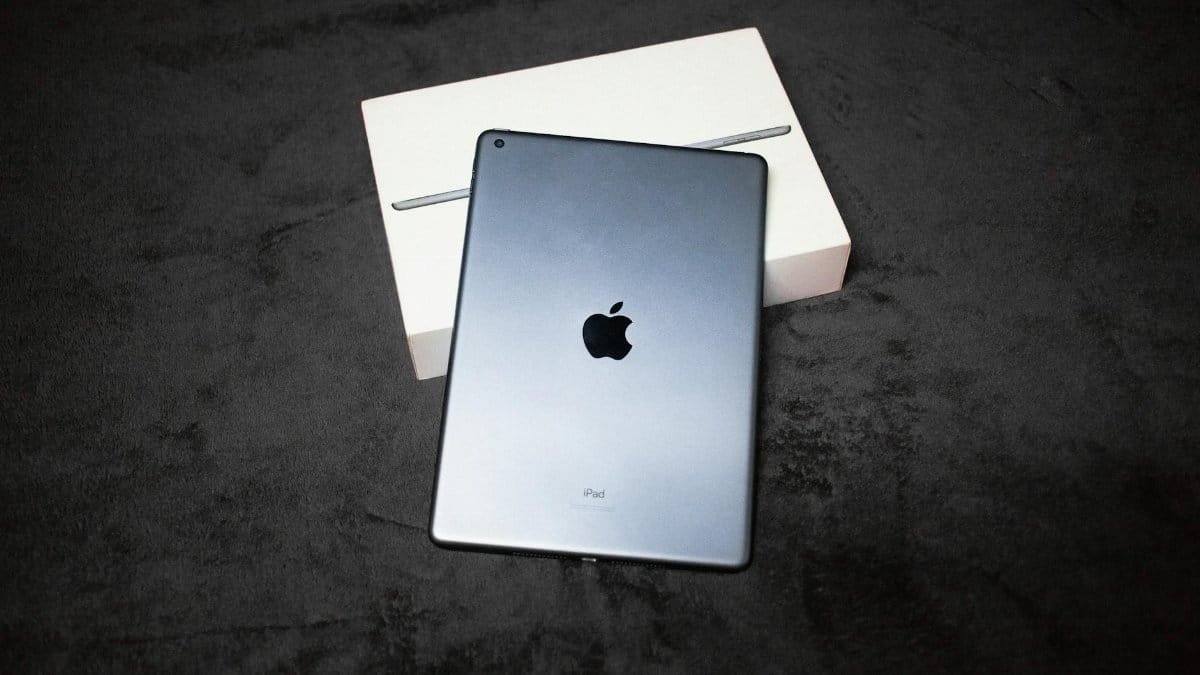
Proximity breeds caution. Those who coded, designed, and launched the iPad witness its grip firsthand. They bar it from family life, citing unseen risks to young minds. The report implies a crisis of conscience: creators grappling with unintended consequences like shortened focus or stalled social skills. This self-imposed exile from screens marks a pivotal ipad kids backlash, where innovation meets restraint.
For context on screen time guidelines, the American Academy of Pediatrics outlines limits that align with these parental choices.
Premium Perks Reshape Nanny Roles
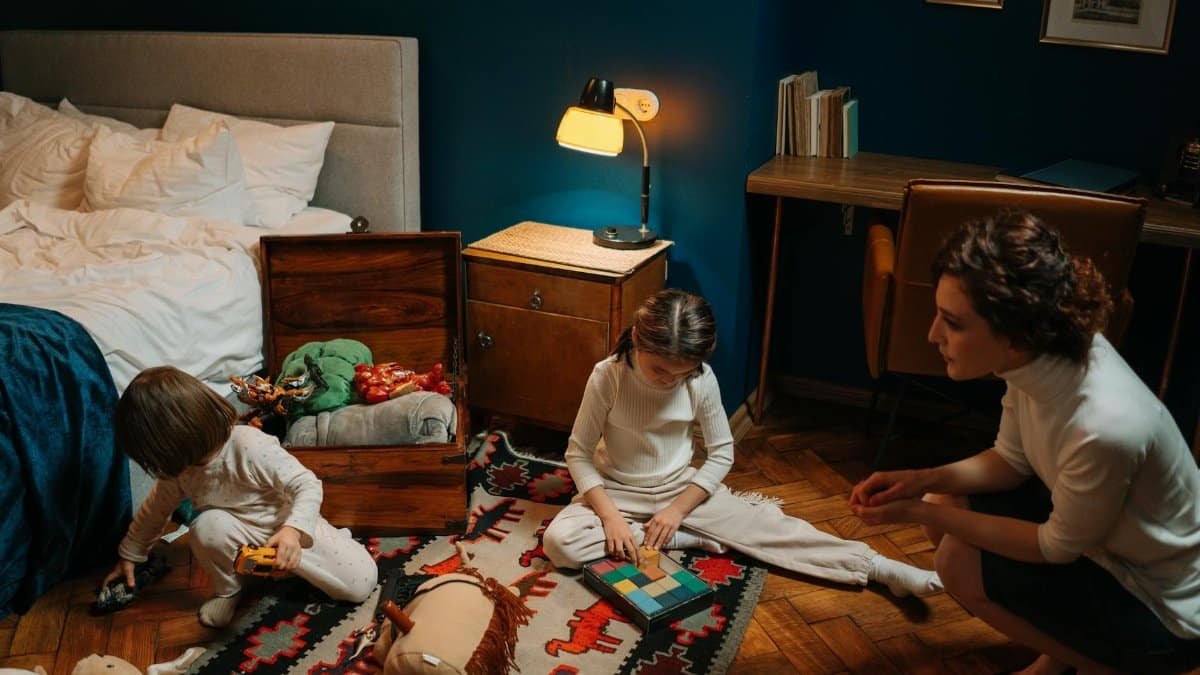
Nannies aren’t just babysitters here—they’re enforcers. Extra pay flows for every screen-free shift, per the report. This financial carrot ensures compliance in homes buzzing with prototype gadgets. Silicon Valley parents, flush from stock options, view it as an investment in their kids’ futures. The model spreads, with agencies advertising “tech detox” specialties to attract elite clients.
Tech Hypocrisy or Prudent Parenting?

Critics call it hypocrisy: peddling iPads globally while banning them locally. Yet the report frames it as savvy foresight. iPad team members, steeped in user data, foresee pitfalls others ignore. Their “no-touch” stance ripples outward, challenging the narrative that more tech equals progress. In 2026, this backlash questions whether Silicon Valley leads or lags in family well-being.
Enforcing Rules in Luxury Tech Havens
Silicon Valley estates now feature “screen safes” and nanny pacts. The report notes rigorous protocols: devices locked away, play structured around physical activities. Premium-paid staff monitor every moment, reporting lapses. This disciplined approach stems from iPad creators’ resolve, turning homes into no-go zones for tablets despite walls lined with prototypes.
Similar trends appear in earlier coverage, like this Wall Street Journal piece on tech families’ screen policies.
Broader Ripples from Silicon Valley

The report’s revelations extend beyond A-list engineers. As nannies pocket premiums for no-screens, average parents take note. iPad sales hum along, but whispers of backlash grow. Will this elite pivot inspire national policy? In 2026, with youth mental health under scrutiny, Silicon Valley’s example—rooted in its own invention—packs punch. Tech’s builders prove the sharpest critics.
Low-Tech Wins in High-Tech World
Ultimately, the iPad stays sheathed in these homes. Nannies, boosted by bonuses, uphold the creed. The January 29 report cements this as more than fad—it’s conviction from the source. Silicon Valley redefines success: not screen time, but undivided attention. This ipad kids backlash may just rewrite parenting norms for the digital age.