

Is sharing your bed with the family pet as cozy as it seems? Sleep specialists say no. On February 5, 2026, experts issued a stark warning: sleeping with pets triggers “micro-wakeups” that shatter deep REM sleep. The result? You wake up drained, even after logging eight full hours. This revelation challenges the bedtime ritual many pet owners swear by, highlighting hidden costs to health and rest.
Sleep Specialists’ Bombshell Revelation

Sleep specialists dropped a reality check on February 5, 2026. Their announcement targeted a common habit: sleeping with pets. “Sorry, Fido,” they declared, underscoring the downside for dog owners and beyond. These experts, drawing from sleep science, pinpointed how pets in bed sabotage quality rest. The finding lands amid rising U.S. pet ownership, where millions invite animals under the covers nightly. No longer just a comfort quirk, this practice now faces scrutiny for its toll on human sleep cycles.
Decoding Micro-Wakeups

Micro-wakeups form the core issue. These are brief arousals, often unnoticed, that interrupt sleep flow. Sleeping with pets sparks them through movement, warmth, or sounds. Specialists explain pets shift positions, nudge, or snore, jolting you awake for seconds at a time. Over a night, these add up. They fragment rest without full awareness. The February announcement stressed this subtle disruption as the hidden enemy of solid sleep. For context, learn more from the Sleep Foundation’s guide on pets and sleep, which aligns with specialist observations on disturbances.
Pets’ Direct Assault on REM Sleep
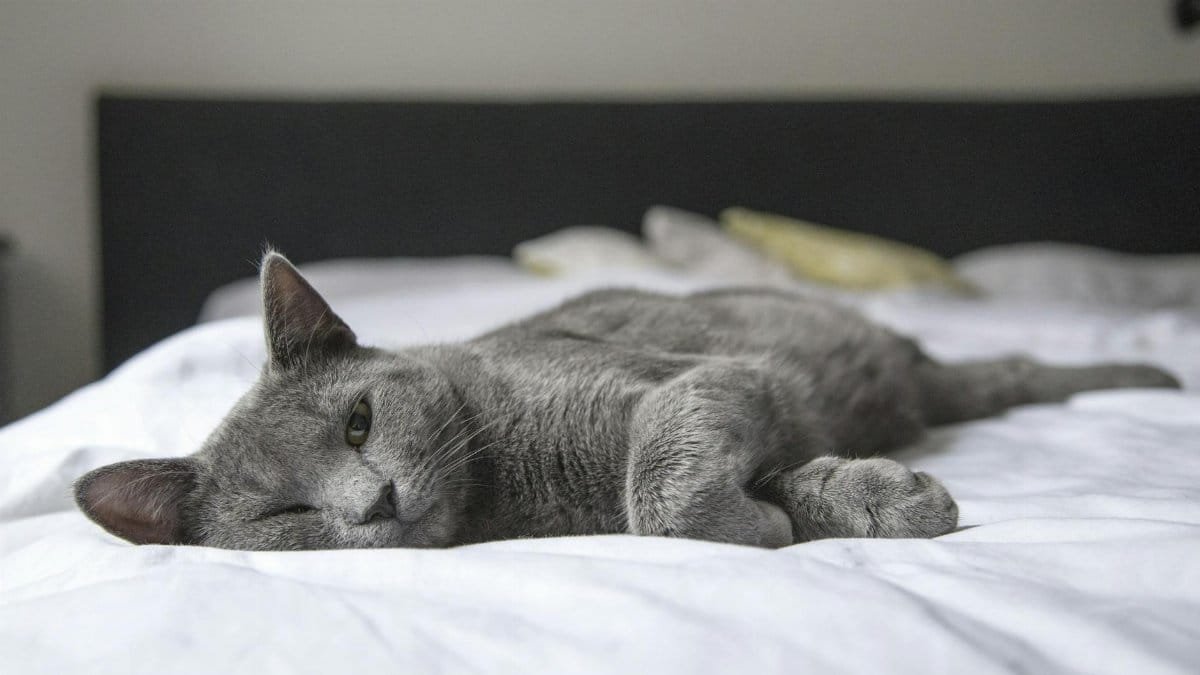
Deep REM sleep takes the hardest hit. This stage drives memory consolidation, emotional processing, and restoration. Sleeping with pets destroys it via those micro-wakeups. Pets’ presence prevents sustained REM phases, chopping them into pieces. Specialists revealed how even a loyal dog curling up nearby prevents the brain from diving deep. Without robust REM, recovery falters. The 2026 alert frames this as a silent thief, stealing benefits from your bed hours. Research echoes this; see the Harvard Health overview on pet-sharing’s sleep impacts.
The Eight-Hour Exhaustion Paradox

Clock eight hours in bed, yet drag through the day. That’s the paradox sleeping with pets creates. Micro-wakeups erode sleep efficiency, leaving you unrested. Specialists note quantity means little without depth. Pet-induced interruptions ensure fragmented cycles, mimicking shorter sleep. By morning, fatigue sets in—grogginess, poor focus, irritability. This 2026 disclosure urges reevaluation. Pet lovers report feeling wiped despite long nights, matching expert predictions. In a nation chasing wellness trends, this hits home for busy Americans balancing companionship and rest.
Why Pets Prove Such Disruptors

Pets aren’t passive bedmates. Dogs like Fido kick, roll, and radiate heat. Cats prowl or knead sheets. Specialists highlight these actions as triggers for micro-wakeups. Body temperature rises, crowding the bed. Breathing patterns clash, syncing poorly with yours. The February 5 reveal paints sleeping with pets as an active saboteur. Even well-behaved animals alter your sleep architecture. U.S. households, with over 70% owning pets, face widespread effects. This isn’t anti-pet rhetoric—it’s science calling out unintended consequences.
Health Ripple Effects Exposed
Beyond tiredness, wrecked REM sleep cascades. Immune function dips without deep restoration. Mood suffers, concentration wanes. Specialists tie this to chronic exhaustion from pet-sharing. The 2026 news spotlights long-term risks, like heightened stress or weakened recovery. Pet owners might dismiss grogginess as normal, but experts disagree. Sleeping with pets trades comfort for vitality. This revelation prompts a national rethink, especially as sleep health gains traction in 2026 wellness discussions.
Expert Consensus Builds

Unity marks the specialists’ stance. Multiple voices converged on February 5, 2026, affirming pets’ role in sleep sabotage. No outliers—consensus holds that micro-wakeups from animals demolish REM. This isn’t fringe opinion; it’s rooted in monitoring tech revealing hidden arousals. For pet devotees, the message stings yet clarifies. Sleeping with pets demands weighing bonds against biology. As U.S. sleep awareness rises, expect more discourse on balancing love and log Zs.
Pet Owners Face Tough Choices

Reactions pour in post-announcement. Many cling to tradition, citing emotional perks. Yet specialists counter with biology: exhausted days outweigh snuggly nights. Sleeping with pets persists in 2026 homes, but awareness shifts habits. Some crate pets nearby; others designate pet-free zones. The reveal empowers informed decisions. Fatigue from disrupted REM isn’t inevitable—adjustments restore depth. This news positions pet parenting at a crossroads, prioritizing human health without ditching Fido entirely.