

Floor time trend is reshaping anxiety relief rituals across the U.S. in 2026. On February 6, reports highlighted a simple directive: “Get on the floor.” Dubbed “Floor Time,” this practice means lying flat on a rug to “ground” the nervous system. It positions itself as the natural successor to “bed rotting,” the prior trend of extended bed lounging. Proponents push it as a fresh path to calm amid rising stress. This shift signals broader changes in how Americans tackle mental strain through everyday actions.
What Defines Floor Time?
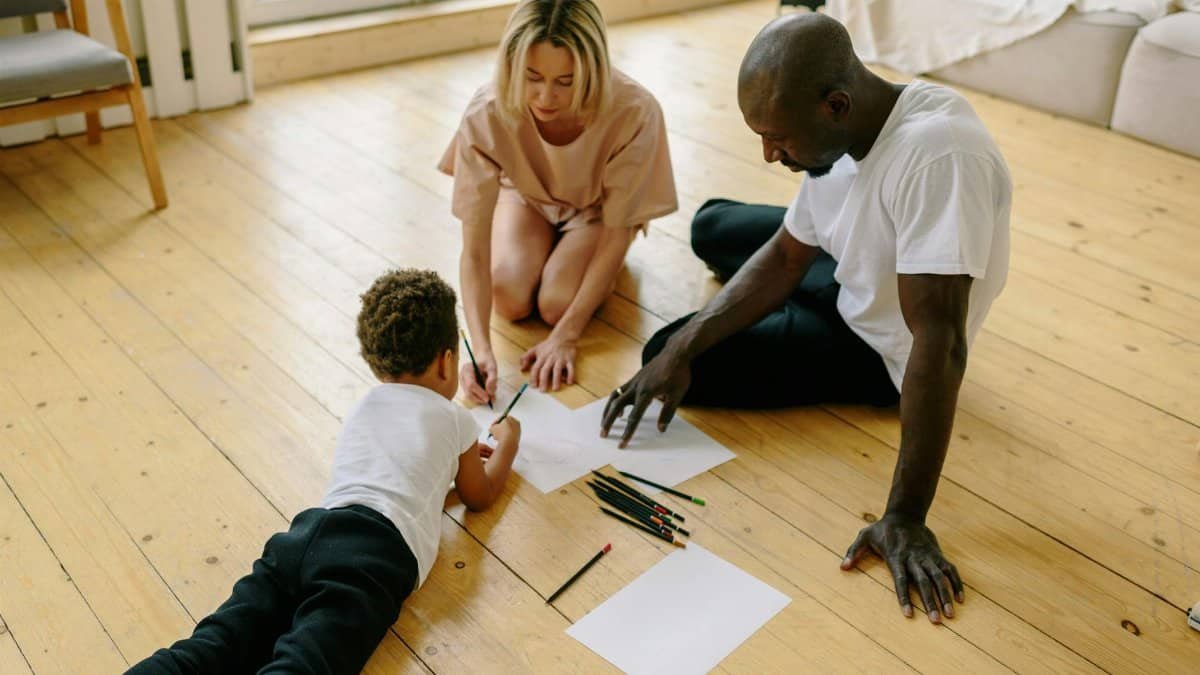
Floor Time centers on one core action: lying flat on a rug. Participants stretch out fully, embracing the floor’s firmness beneath a soft layer. The goal stays fixed on “grounding” the nervous system. This term evokes stabilizing an overactive mind and body, pulling focus downward. Unlike seated meditation or walks, it demands total surrender to the surface. Reports from early 2026 frame it as accessible—no gear required beyond a rug. Anyone can drop down anywhere, from living rooms to offices, making it a trend ripe for daily integration.
Bed Rotting’s Fade-Out

Bed rotting gripped attention in prior years. It involved prolonged bed confinement, blending rest with streaming and snacks. While pitched for recharge, critics noted it sometimes deepened isolation. Now, Floor Time steps in as its evolution. The shift swaps bedding’s softness for the floor’s unyielding support. This move rejects passive sprawl for active grounding. Early 2026 buzz declares bed rotting outdated, with Floor Time claiming the spotlight for its direct nervous system reset. The transition underscores a pivot toward more intentional relief tactics.
For context on bed rotting’s rise, see this Psychology Today overview.
Grounding the Nervous System Explained

At Floor Time’s heart lies “grounding” the nervous system. This practice aims to soothe frayed nerves through physical contact with the floor. Lying flat promotes a sense of rootedness, countering anxiety’s chaos. The rug adds comfort without elevating off the ground. Sensations build awareness: coolness seeps in, muscles release tension. Over minutes, the body syncs with earth’s stability—or at least its facsimile indoors. 2026 reports tie this directly to anxiety relief, positioning Floor Time as a tactile antidote to modern overload.
Anxiety Relief in Action

Anxiety demands quick counters. Floor Time delivers via simplicity. Drop to the rug during a stress spike. Breathe into the floor’s support. Nervous system signals calm as pressure points engage. This beats scrolling or caffeine. As bed rotting’s heir, it refines rest into purpose. Early adopters in 2026 report it cuts rumination fast. No apps, no classes—just floor contact. The trend gains traction for fitting hectic U.S. lifestyles, where brief pauses yield outsized calm.
Grounding techniques like this align with established anxiety tools; the Cleveland Clinic details similar methods.
Why 2026 Marks the Tipping Point

February 6, 2026, spotlighted Floor Time’s arrival. Social feeds exploded with “Get on the floor” calls. It rides post-pandemic wellness waves, where Americans seek grounded escapes. Bed rotting suited lockdowns; Floor Time fits reopened worlds. Economic pressures and screen fatigue amplify its appeal. The trend evolves self-care from indulgent to elemental. By mid-year, expect it embedded in routines, from yoga studios to corporate breaks. This isn’t fleeting—it’s anxiety management’s next phase.
Practical Steps to Start
Embrace Floor Time with ease. Select a rug in a quiet spot. Lie flat: back down, arms at sides, legs extended. Eyes can close or fix on the ceiling. Hold for five to twenty minutes. Focus on breath syncing with the floor. Feel weight distribute evenly. Repeat as anxiety flares. No rules beyond consistency. 2026’s push makes it rug-optional for hard floors, though padding prevents strain. It’s bed rotting refined—less mess, more method.
Cultural Shift Underway

Floor Time signals deeper changes. U.S. culture once glorified hustle; now it craves pause. This trend flips scripts on productivity, validating floor drops as vital. Influencers demo it mid-podcast. Therapists nod to its somatic roots. As bed rotting waned amid burnout backlash, Floor Time rises with precision. It democratizes relief—no privilege needed. In 2026’s tense climate, from elections to markets, it offers universal access. Watch workplaces adopt “floor breaks” soon.
Potential Drawbacks and Realities

Not all floors welcome traffic. Hard surfaces risk discomfort without rugs. Time-crunched users may skip it. Yet, its low barrier trumps bed rotting’s inertia. Reports stress moderation—don’t replace therapy. For anxiety, it’s a tool, not cure-all. 2026 evolution tempers hype with realism. Early feedback praises portability over bed-bound limits. The trend builds on proven rest needs, evolving smarter.
Looking at Momentum

Floor Time’s surge mirrors wellness evolutions. From hot girl walks to dopamine menus, each builds on the last. Here, grounding trumps rotting. February 2026 ignited shares; summer could solidify it. U.S. mental health stats underscore urgency—millions battle anxiety yearly. This rug ritual responds directly. As bed rotting retreats, Floor Time grounds a generation. Expect apps, mats, and studies soon, but core stays pure: lie down, reset, rise steadier.