

Can’t buy a house? In 2026, many are skipping the down payment and grabbing a designer bag instead. “Spite spending”—blowing cash on luxuries because the future feels too expensive—has emerged as the year’s nihilistic financial trend. Dated January 25, this shift captures a raw response to soaring costs. Homeownership dreams fade, so wallets open wide for immediate gratification. It’s retail therapy on steroids, fueled by despair over unaffordable basics.
What Drives Spite Spending?

Spite spending stems from a simple frustration: the basics like housing sit out of reach. Prices climb relentlessly, turning homeownership into a distant fantasy for many. Instead of saving for a mortgage that never materializes, people redirect funds to high-end purchases. A luxury handbag or gadget delivers instant joy when long-term goals crumble. This trend, pegged as 2026’s defining financial mood, reflects a calculated defiance against economic pressures. No more pinching pennies for a payoff that feels impossible.
The Housing Hurdle

Housing costs anchor the spite spending surge. Potential buyers face sticker shock at median prices that demand impossible incomes. The summary captures it bluntly: “Can’t buy a house? Buy a bag.” This isn’t hyperbole. Skyrocketing rents and mortgage rates push ownership further away, especially for younger adults eyeing stability. When the American dream of a front porch slips, the response is retail rebellion. Data from ongoing housing reports underscores this crunch, with affordability at multiyear lows.Freddie Mac Affordability Index tracks the relentless climb, validating the spite behind the spending.
Bags and Beyond: Prime Examples

Picture the pivot: funds earmarked for a home deposit now fund a $2,000 purse or designer sneakers. Spite spending favors flashy, feel-good buys over prudent investments. It’s not mindless splurging—it’s targeted. The future’s expense justifies the now. Bags symbolize status when stability evades. This pattern repeats across luxury categories, from fashion to tech gadgets. The January 25 observation nails it: amid housing woes, impulse trumps investment. Consumers chase highs that housing can’t provide.
Nihilism at the Checkout

Call it nihilistic because it rejects traditional financial wisdom. Why save for retirement or a home if costs devour hope? Spite spending embraces the void. The future feels rigged—expensive and uncertain—so why bother? This mindset flips thrift on its head. Blow the money today; tomorrow’s burdens loom anyway. Labeled 2026’s trend, it signals deeper disillusionment. No optimism here, just pragmatic pessimism. Shoppers wield credit cards as protest tools against a system that prices them out.
Future Feels Too Pricey

The core trigger? A horizon stacked with costs. Inflation bites into every plan: homes, education, healthcare. Spite spending reacts to this overload. When projections show endless expense, restraint crumbles. People calculate the math—decades of saving yield nothing—and opt out. Bags offer control in chaos. This 2026 phenomenon thrives on that dread. It’s financial fatalism: if victory’s impossible, claim small wins now. The trend’s bite lies in its honesty about economic reality.
Retail Therapy Reimagined

Spite spending elevates classic retail therapy. Where therapy once soothed stress, spite adds edge—it’s vengeful spending. Housing denial births this upgrade. Buy the bag to spite the market. The title says it: it’s the new retail therapy. Punchier, darker, more defiant. Consumers report catharsis in the purchase, a middle finger to foreclosed futures. As 2026 unfolds, this evolution dominates spending narratives, blending indulgence with ideology.
2026’s Financial Fingerprint
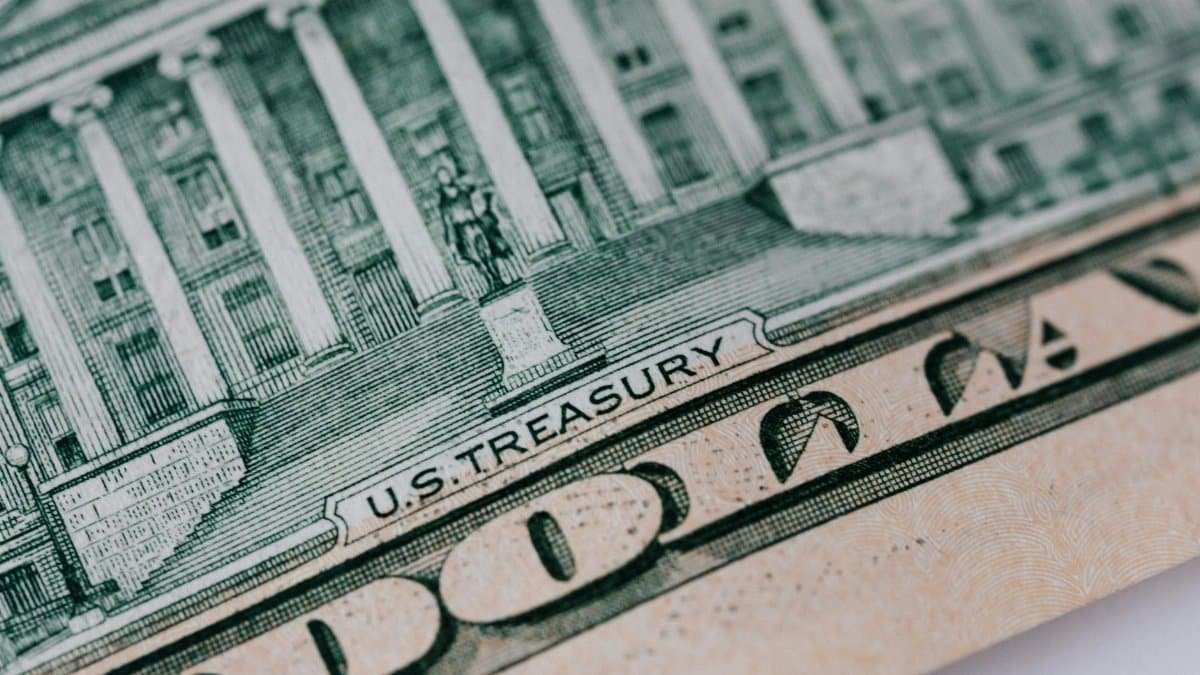
January 25 marked the trend’s spotlight: spite spending as 2026’s nihilistic hallmark. It’s everywhere—from social feeds to checkout lines. Housing unaffordability accelerates it, but the vibe defines the year. Trackers note upticks in luxury sales amid stagnant home buys. Younger cohorts lead, channeling frustration into finery. Reports on generational finances highlight this pivot.Pew Research Center Social Trends pages detail Gen Z’s strained finances, mirroring the spiteful shift. The trend cements as the year’s financial pulse.
Implications for Everyday Wallets
Spite spending reshapes habits nationwide. Savings rates dip as luxury outlays rise. Housing dreams defer, but handbags proliferate. This 2026 dynamic challenges advisors preaching patience. Critics see risk—debt piles up—but proponents view it as survival. When futures feel expensive, present indulgences rule. The bag-buying ethos spreads, questioning old rules. Will it last? The trend’s momentum suggests staying power, rooted in unyielding costs. Americans adapt, one spiteful splurge at a time.