

Major tech firms are mandating corporate dopamine fasts, betting on boredom to revive exhausted workers. A December 8, 2025, report highlights the shift: enforced breaks from meetings and emails aim to rescue burnt-out teams. “Boredom is the new productivity,” the initiative declares, flipping conventional hustle culture on its head. As U.S. workplaces grapple with relentless burnout, these tech giants lead a push for deliberate downtime.
The Dopamine Fast Phenomenon

Corporate dopamine fasts mark a bold pivot in high-pressure tech environments. Workers, overwhelmed by constant notifications and back-to-back calls, now face scheduled voids. These fasts strip away digital stimuli, forcing a reset. The goal? Reclaim focus amid chaos. Major firms enforce them company-wide, signaling a cultural rethink. No longer optional wellness perks, they become core policy.
Burnout Hits Tech Hard

Burnt-out teams plague the sector. Endless meetings drain energy, while email floods kill momentum. Tech employees report exhaustion from non-stop demands. Enter dopamine fasts: mandatory pauses to halt the cycle. By December 2025, leaders recognized the toll. Productivity dips when minds fray. These fasts target that exact pain point, prioritizing recovery over output.
Mandatory No-Meeting Zones

Picture blocks of time with zero calendars. Dopamine fasts ban meetings outright. No Zoom links, no conference rooms. Teams unplug, letting brains wander. This enforced idle time counters the always-on grind. Firms roll it out across departments, from engineering to sales. Compliance ensures everyone benefits, leveling the recovery field.
Email Blackouts for Mental Reset

Emails vanish during fasts too. Inboxes go dark—no sends, no checks. The silence shocks at first, but it builds space. Workers tackle deep work or simply breathe. Tech companies frame it as essential maintenance. Burnout thrives on reactivity; fasts demand proactivity. Results? Sharper teams post-pause.
Boredom Redefined as Productivity

“Boredom is the new productivity” captures the ethos. Idle minds spark innovation, proponents argue. Constant stimulation dulls creativity—fasts reverse that. Tech firms position boredom as fuel, not foe. Employees emerge refreshed, tackling tasks with renewed vigor. This mindset shift challenges grindset norms, embracing pauses as power moves.
Tech Giants Drive Adoption
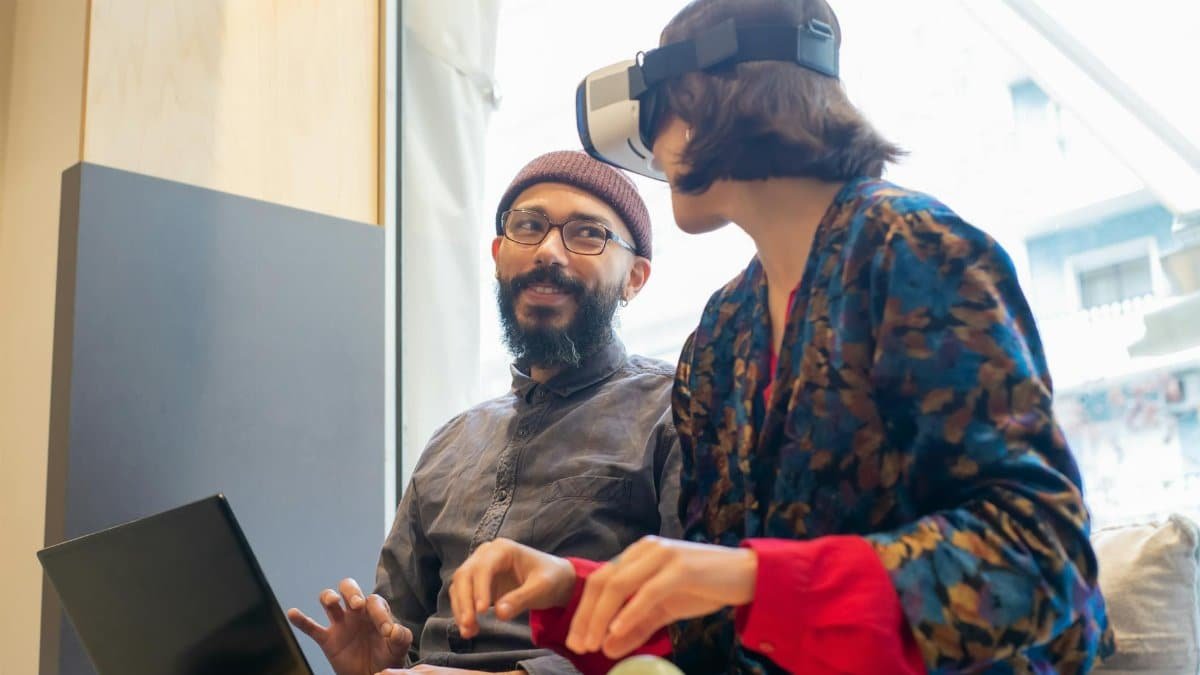
Major tech firms pioneer the trend. Silicon Valley heavyweights institute fasts firm-wide. By late 2025, the practice spreads, influencing broader U.S. business. Leaders cite burnt-out teams as the trigger. Mandatory status underscores commitment—no opt-outs. As 2026 unfolds, expect ripple effects in other sectors hungry for similar fixes. For context on burnout’s workplace impact, see the World Health Organization’s classification.
How Fasts Combat Burnout

Burnout stems from overload—dopamine fasts counter it directly. No-meeting rules curb decision fatigue. Email halts prevent shallow tasks from dominating. Teams rebuild resilience through rest. Firms report early wins: focused workers, fewer errors. The December 8 announcement ties it to productivity gains. Boredom, once shunned, now rebuilds capacity.
Implementation Across Teams

Rollouts target all levels. Engineers get coding solitude; managers gain strategy time. Fasts recur weekly or monthly, baked into schedules. HR enforces via tools blocking invites. Burnt-out teams see the most lift. Tech’s pace demands it—competitors watch closely. In 2026 U.S. trends, this could redefine remote and office hybrids alike.
Shifting Workplace Culture
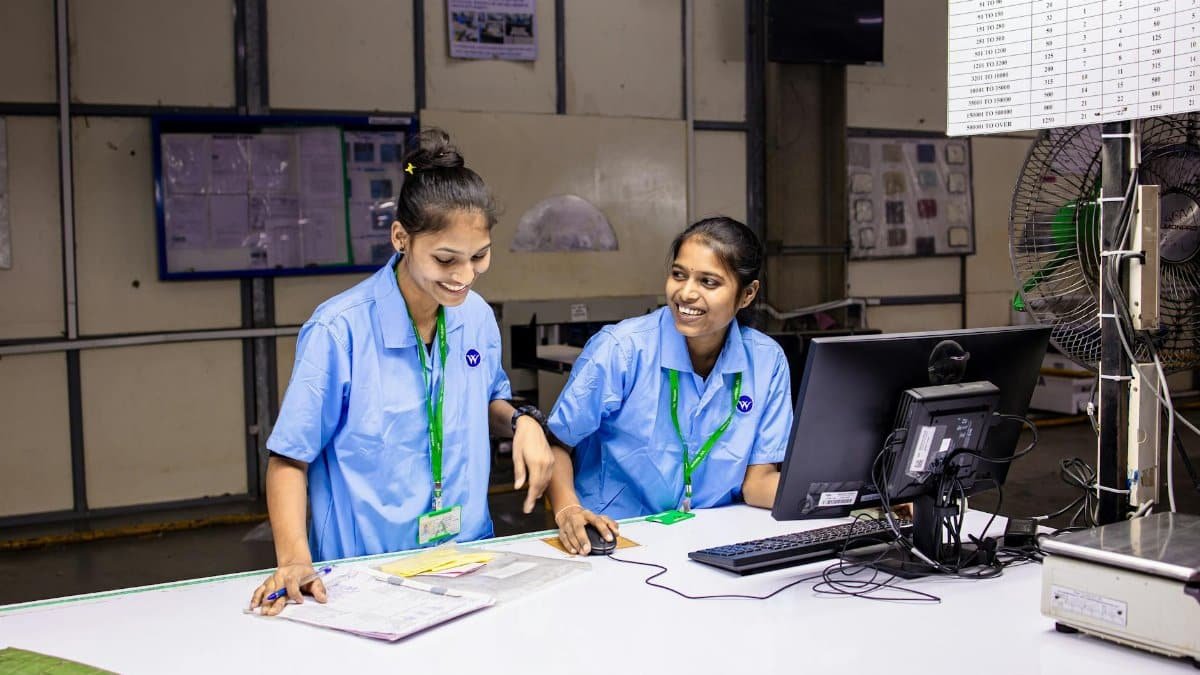
Corporate dopamine fasts signal deeper change. Hustle gives way to humane rhythms. Firms pay staff to pause, valuing output over hours. Burnout recovery becomes metric-worthy. The 2025 push proves timely amid talent wars. Employees stay longer when supported. Boredom fosters breakthroughs, aligning with innovation needs. Research on intentional breaks supports this; check Harvard Business Review’s take in The Case for Boredom.
Early Signs of Success

Anecdotal feedback from fasts points up. Teams return energized, ideas flowing freer. Major firms double down, expanding durations. The boredom mantra sticks, reshaping norms. As 2026 progresses, U.S. tech eyes scalability. Burnt-out eras end here—productivity via pause prevails.
This move arrives as workplaces nationwide confront fatigue. Tech leads, but others follow. Dopamine fasts prove simple fixes pack punch.