
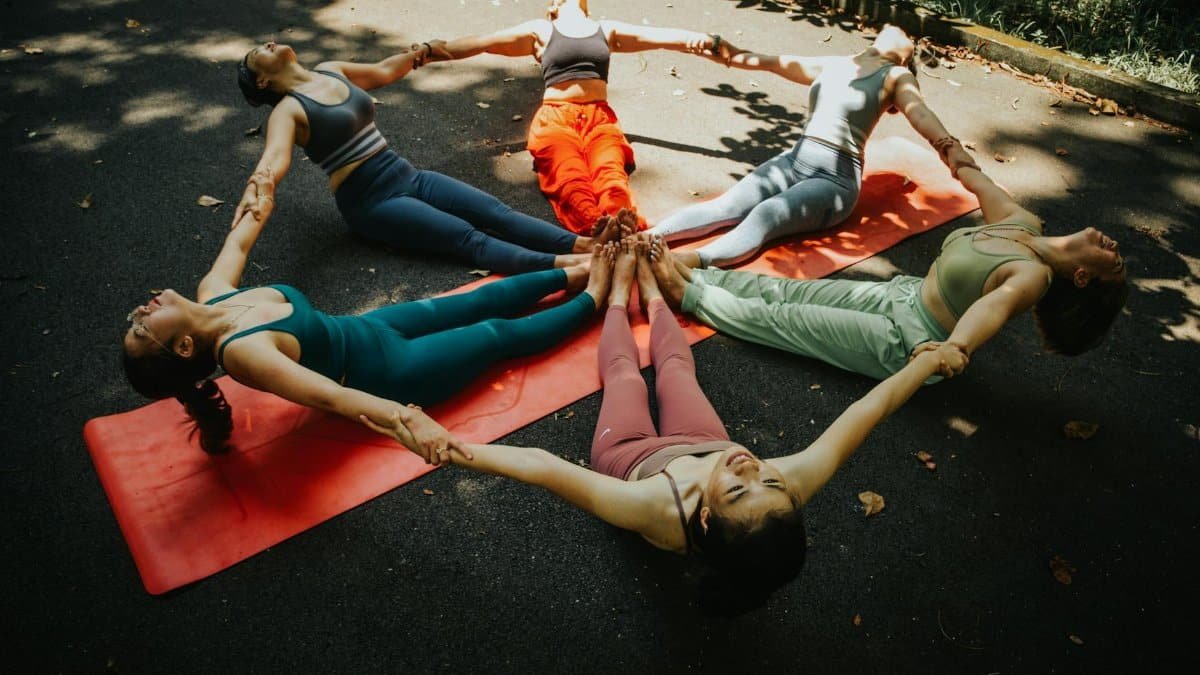
Forget silence. In a world obsessed with quiet mindfulness, scream circles—group gatherings designed explicitly for vocal release—are storming onto the scene as a top “anti-optimization” trend for 2026. Announced on January 28, this raw approach flips the script on polished wellness routines. Participants come together not to hush their inner turmoil, but to unleash it through collective screams. It’s a bold rejection of endless self-improvement, signaling a cultural pivot toward unfiltered emotional expression.
The Break from Quiet Norms

Silence has long dominated wellness landscapes, from meditation apps to silent retreats. Yet scream circles challenge this foundation head-on. Dated January 28, 2026, reports highlight how these gatherings prioritize noise over hush. Groups form specifically for vocal release, allowing voices to erupt in unison. This isn’t random shouting; it’s structured around letting go, a direct counter to the pressure of constant calm.
Unpacking Scream Circles
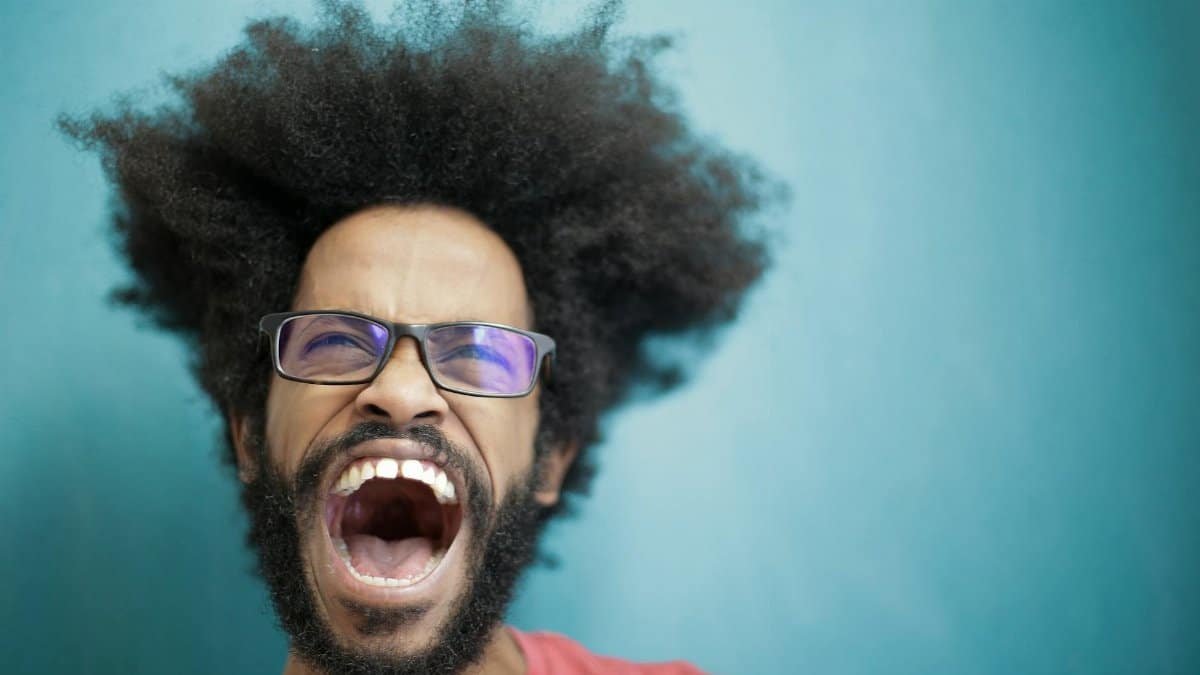
At their core, scream circles are communal events built for one purpose: vocal release. People assemble in circles, ready to vocalize pent-up energy. The format emphasizes group dynamics, where shared screams amplify the experience. No frills, no apps—just raw sound filling the space. This setup positions scream circles as accessible outlets in busy lives, distinct from solitary practices.
Vocal Release in Action
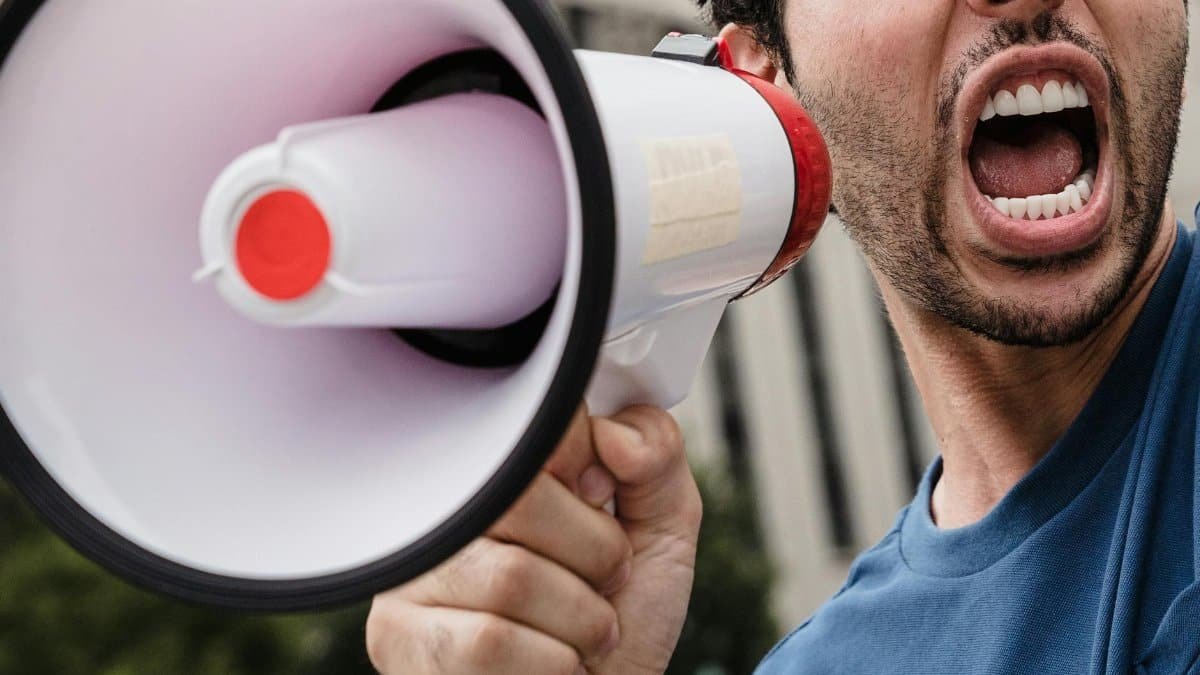
During a scream circle, participants engage in synchronized vocal outbursts. The design fosters a sense of unity through volume, turning individual stress into collective catharsis. Reports from January 28 underscore this as key to their appeal. Unlike whispered affirmations, the focus stays on unbridled expression, making it a straightforward group activity anyone can join.
Anti-Optimization Defined
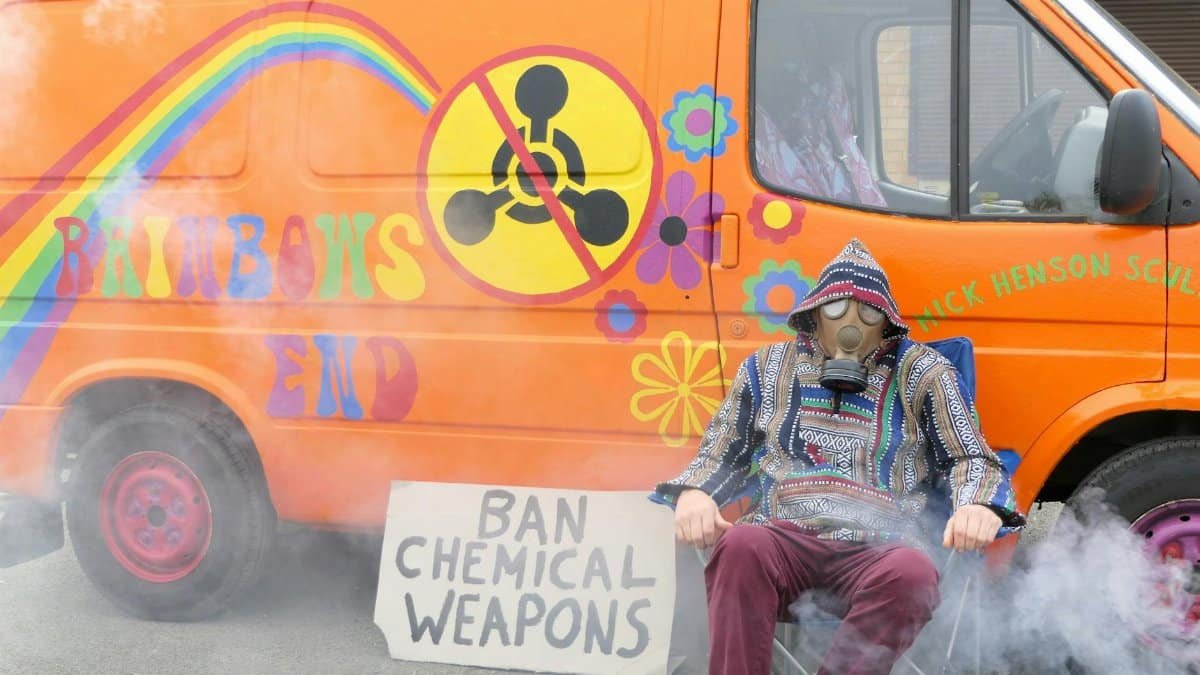
“Anti-optimization” captures a backlash against hyper-efficient living. Scream circles embody this by embracing messiness over perfection. Identified as a leading trend for 2026, they reject the grind of biohacking and productivity hacks. Instead, they promote release without refinement, a deliberate slowdown in an optimized era. This philosophy resonates as people seek balance beyond metrics.
Why Groups Matter
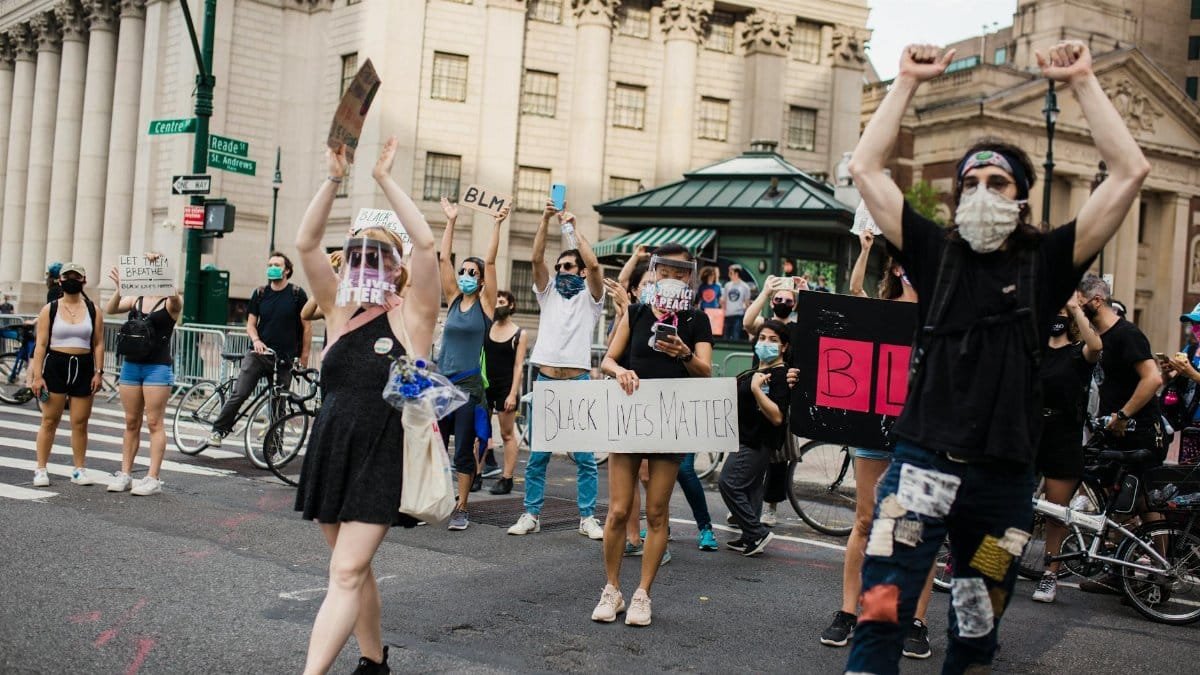
The group element sets scream circles apart. Gatherings create safety in numbers, where screams blend into a powerful chorus. Vocal release gains intensity through shared participation, building connection without words. January 28 announcements note this communal aspect as central, transforming personal outbursts into something larger. It’s wellness through witness, not isolation.
2026’s Top Trend Spot

Scream circles didn’t just appear—they’ve been pegged as a premier anti-optimization movement for 2026. The January 28 reveal positions them at the forefront, outpacing quieter alternatives. This ranking reflects growing fatigue with optimization overload. As groups multiply, scream circles signal a louder year ahead in wellness evolution.
Contrast to Conventional Wellness

Traditional yoga or meditation demand control and quiet. Scream circles invert this, demanding abandon. Vocal release replaces poses and breaths, offering immediacy over discipline. Labeled a top trend on January 28, they appeal to those burned out on structured serenity. It’s not about perfecting the self, but purging it audibly.
Cultural Shift Implications
This rise hints at broader changes. Anti-optimization through scream circles challenges the cult of efficiency. Groups gathering for screams normalize emotional noise in a hushed society. As 2026 unfolds, their status as a leading trend suggests more voices will join, reshaping how Americans handle pressure. For more on vocal therapies, see Psychology Today on the power of screaming.
Accessibility and Appeal
No gear required, just a circle and willingness to vocalize. This simplicity fuels their anti-optimization edge, stripping wellness to basics. January 28 coverage emphasizes their rise as groups form nationwide. In the U.S., where burnout trends climb, scream circles offer a primal fix. Related insights appear in reports from the American Psychological Association on burnout trends, underscoring the need for release.
Scream circles arrive at a tipping point. As the top anti-optimization pick for 2026, they invite a noisier path to relief. Dated January 28, their momentum builds on rejecting silence’s tyranny. In group settings tuned for vocal release, participants find freedom in the roar.