

Stop faking it. Loud budgeting—the bold practice of proudly declining social plans to safeguard your finances—stands as the defining financial self-care trend of 2026. Launched into spotlight on January 5, this movement rejects pretense and champions honesty. It empowers individuals to prioritize savings over obligatory spending, directly bolstering bank accounts across the U.S. As economic realities bite, loud budgeting delivers unapologetic relief, turning “no” into a tool for fiscal health.
Defining Loud Budgeting
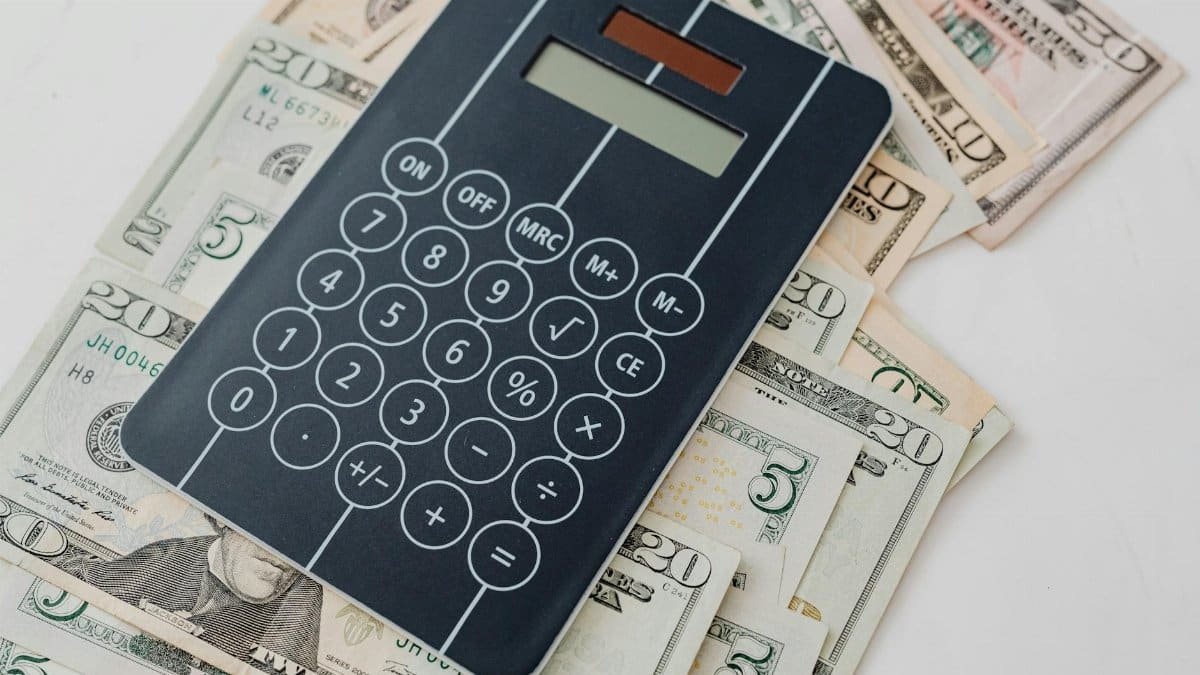
Loud budgeting boils down to one core action: openly refusing invitations that strain the wallet. No more mumbling excuses or dipping into savings for dinners out or weekend getaways. This trend redefines frugality as a virtue. It positions saving money not as deprivation, but as empowered choice. In a culture long dominated by keeping up appearances, loud budgeting breaks the cycle. Participants declare their financial boundaries upfront, fostering transparency in everyday interactions.
The Message: Stop Faking It
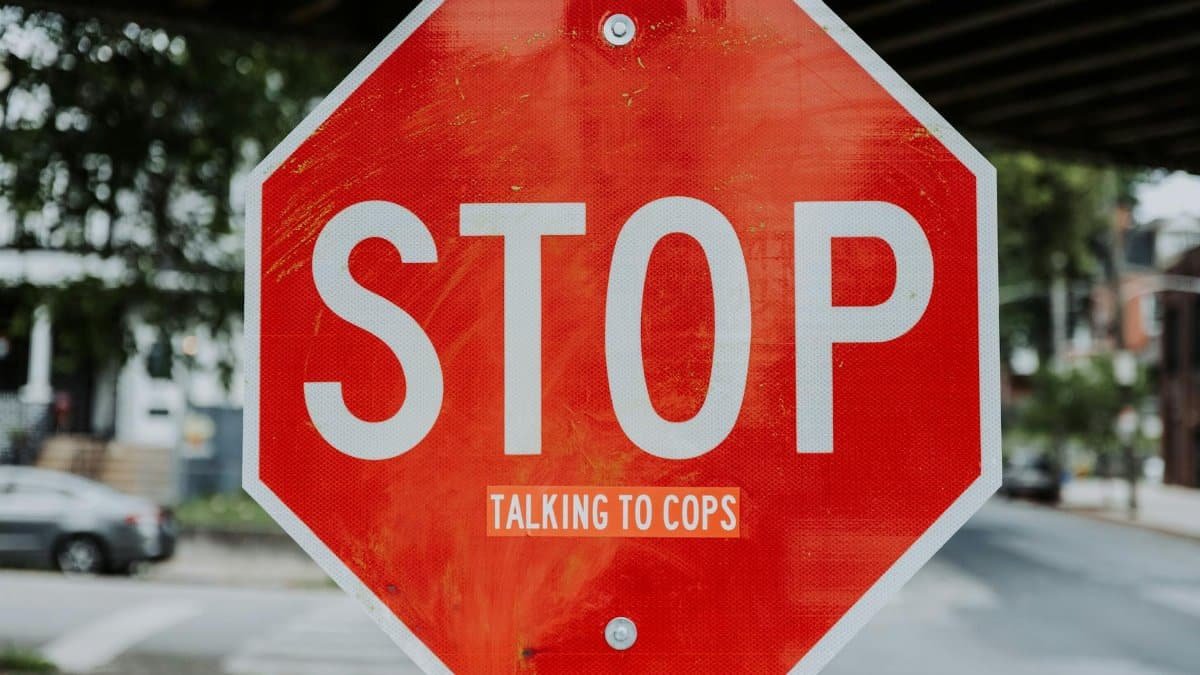
The rallying cry of “stop faking it” cuts through years of financial posturing. Pretending affordability has long masked real struggles, leading to debt accumulation. Loud budgeting calls for authenticity. It urges people to voice their limits without apology. This shift arrives at a pivotal moment in 2026, when U.S. households grapple with persistent costs. By dropping the facade, individuals reclaim control, aligning spending with reality. The trend’s punchy ethos resonates widely, sparking conversations nationwide.
Proudly Declining Plans

At its heart, loud budgeting thrives on confident refusals. Picture turning down a pricey brunch or concert tickets—not with guilt, but pride. “I can’t afford it right now,” becomes a statement of self-respect. This proud stance saves immediate cash and builds long-term discipline. Social plans often carry hidden costs: drinks, rideshares, impulse buys. Declining them preserves funds for essentials. In 2026, this practice gains steam as Americans rethink peer pressure versus personal stability.
Financial Self-Care Takes Center Stage

Loud budgeting elevates saving to self-care status. Traditional self-care involves spa days or vacations—luxuries out of reach for many. This trend reframes it affordably: protecting your bank account is the ultimate nurture. It combats financial stress, a quiet epidemic in the U.S. By prioritizing solvency, practitioners invest in mental peace. For more on linking finances to well-being, see resources from the American Psychological Association’s money and mental health page. The approach proves self-care need not cost a dime.
Saving Bank Accounts Directly

The payoff is tangible: fuller bank accounts. Each declined plan averts outflows, compounding over time. Skip a $100 outing weekly, and savings stack up fast. Loud budgeting turns potential leaks into fortified reserves. In 2026, this matters amid inflation’s linger. U.S. consumers, weary of stretched budgets, find relief in the strategy. It shifts focus from earning more to spending less strategically. Bank balances grow, debt shrinks, and financial security strengthens—all from vocal restraint.
The 2026 Trend Explosion

January 5 marked the official buzz for loud budgeting as 2026’s must-do. It arrives as U.S. financial habits evolve post-pandemic. Younger demographics lead, but it spans generations. The trend’s simplicity fuels its spread: no apps, no diets, just honesty. Media pickup amplifies its reach, positioning it as antidote to overspending culture. Savings reports hint at early wins, though details emerge. This isn’t fleeting—it’s a sustained push for fiscal realism in a high-cost era.
Removing Shame from Finances

Shame once shrouded money talks. Admitting limits felt like failure. Loud budgeting dismantles that. Proudly owning your budget normalizes varied incomes. It fosters empathy in social circles, reducing pressure to splurge. U.S. conversations evolve toward openness, mirroring broader wellness shifts. Tools from the Consumer Financial Protection Bureau align with this by promoting practical planning. The result: lighter emotional loads alongside heavier savings.
Everyday Impact of the Shift

Daily life transforms under loud budgeting. Friendships test then strengthen around true priorities. Work events, family gatherings— all face the “no, thanks” filter. Savings fuel goals like emergencies or investments. In 2026 America, this trend signals maturity in money matters. It challenges consumerism’s grip, proving less can yield more security. As adoption grows, expect ripple effects: thriftier norms, candid dialogues, resilient finances. Loud budgeting proves small voices yield big results.