

In a striking surge this January 2026, eco-anxiety support groups have claimed the title of fastest-growing communities on major therapy apps. Users grappling with the weight of environmental concerns are banding together digitally, seeking relief amid mounting climate worries. The trend underscores a broader mental health shift, where collective online spaces offer immediate connection. No longer isolated, individuals discover they’re far from alone in their distress.
What Drives Eco-Anxiety?

Eco-anxiety captures the chronic fear and distress tied to environmental degradation and climate instability. This month’s explosion in support groups signals how pervasive these feelings have become. Therapy app data highlights users turning to shared experiences for coping strategies. The phrase “feeling the weight of the world” resonates deeply, as participants voice worries over planetary futures. These groups provide validation, turning personal turmoil into communal dialogue.
Therapy Apps Fuel the Boom

Digital platforms have transformed mental health access, and eco-anxiety communities lead the charge. This January, they’ve outpaced all others in growth rates, drawing users seeking peer support without stigma. Apps facilitate anonymous chats, live sessions, and resource shares, making them ideal for climate-stressed individuals. The rapid ascent reflects apps’ role as frontline responders to rising emotional demands.
Signs of a Collective Crisis
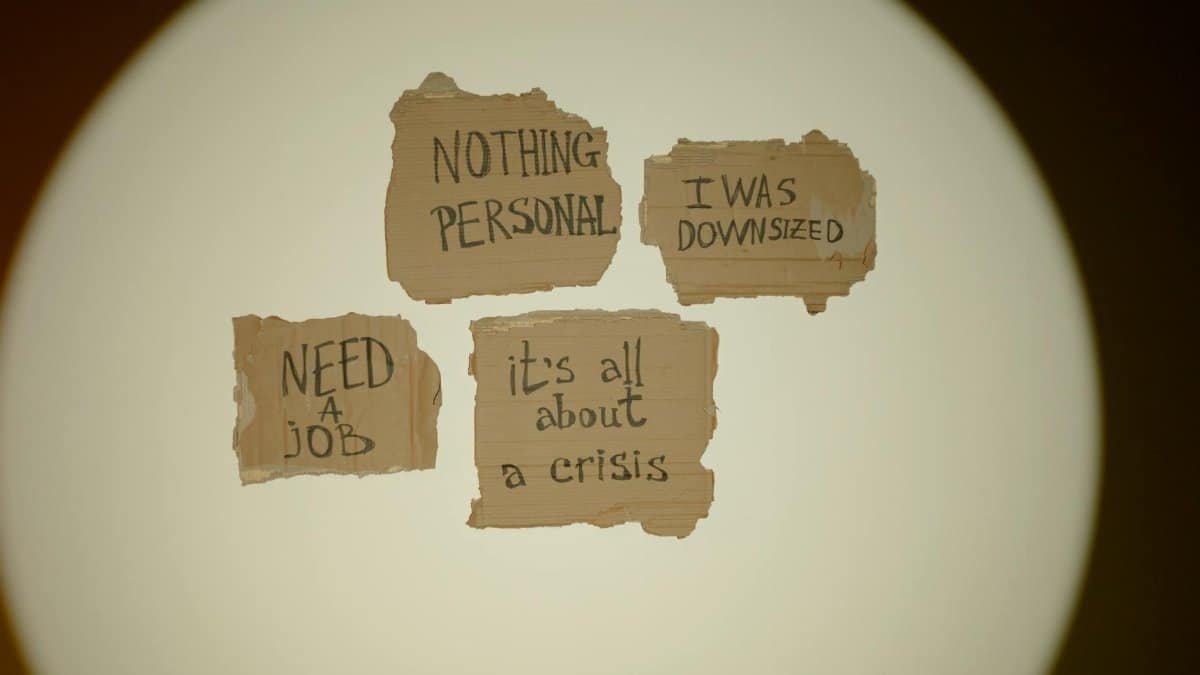
Participants report sleepless nights, hopelessness, and urgency over ecological threats. Support groups amplify these voices, fostering empathy. The fastest-growth status this month points to a tipping point, where eco-anxiety moves from niche concern to mainstream conversation. Users connect over shared symptoms, from doom-scrolling news to activism burnout, building resilience through mutual understanding.
Why Support Groups Resonate Now

Structured peer circles offer structure amid chaos. In eco-anxiety groups, members exchange grounding techniques, mindfulness tips, and hope stories. This January 2026 spike aligns with intensified media coverage of climate events, pushing more into therapy apps. The “you aren’t alone” message combats isolation, a core eco-anxiety barrier. Groups evolve into action hubs, blending emotional aid with practical steps.
Mental Health Platforms Step Up
Therapy apps prioritize scalability, and eco-anxiety’s dominance showcases their adaptability. Moderated forums ensure safe spaces, with facilitators guiding discussions on coping. Growth metrics reveal unprecedented engagement, as users prioritize climate-related mental health. This trend positions apps as vital tools in addressing eco-anxiety’s societal toll.
For deeper context on eco-anxiety’s psychological impacts, the American Psychological Association outlines key symptoms and responses among diverse populations.
From Isolation to Community

Solo struggles give way to group solidarity. New members find instant kinship, sharing how eco-anxiety disrupts daily life. The fastest-growth label this month validates the need, encouraging sign-ups. Discussions cover everything from policy frustrations to personal adaptations, creating a feedback loop of support.
Implications for 2026 Mental Health

As eco-anxiety groups proliferate, therapy apps signal shifting priorities. This January’s data suggests sustained demand, influencing app features like climate-specific tools. Users report reduced overwhelm through consistent interaction, hinting at long-term benefits. The phenomenon highlights mental health’s intersection with environmental advocacy.
Broader Societal Echoes

The surge mirrors U.S. trends, where climate awareness fuels emotional responses. Support groups democratize access, reaching urban and rural users alike. Fastest-growth status underscores urgency, prompting apps to expand resources. Participants emerge empowered, channeling anxiety into informed engagement.
Research from the Yale Program on Climate Change Communication supports the rise in climate-related distress, linking it to community-based interventions like therapy app groups.
Next Steps for Those Affected

Spotting eco-anxiety? Join a therapy app group today. These spaces offer immediate entry, with growth ensuring vibrant communities. The January 2026 boom proves demand meets supply, providing outlets for the weight many carry. Connection starts with one click, turning global worry into shared strength.