
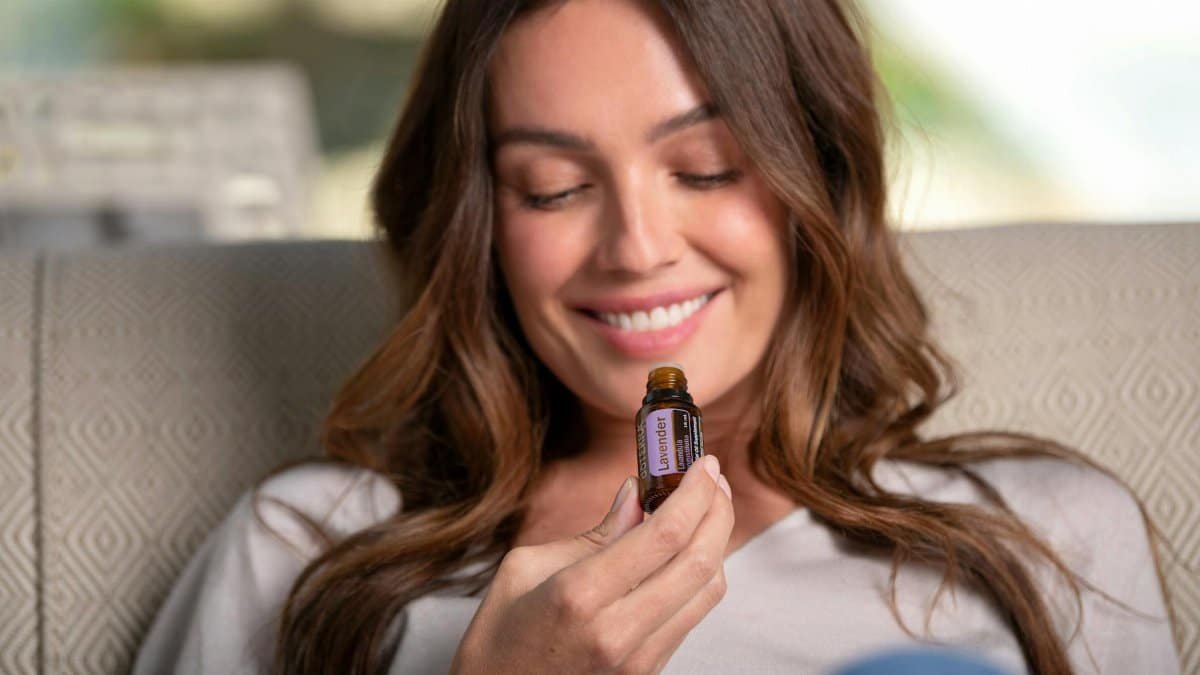
January 27, 2026 – Global – Could blending everyday scents unlock better mental health? Fragrance layering has surged as a leading tool in 2026. People mix perfumes and colognes not just to smell good, but to spark targeted emotional responses. This practice treats scent as a deliberate strategy, moving beyond surface appeal into emotional regulation territory. Experts note its rapid rise signals a shift in how individuals manage moods amid daily stresses.
What Drives Fragrance Layering’s Appeal
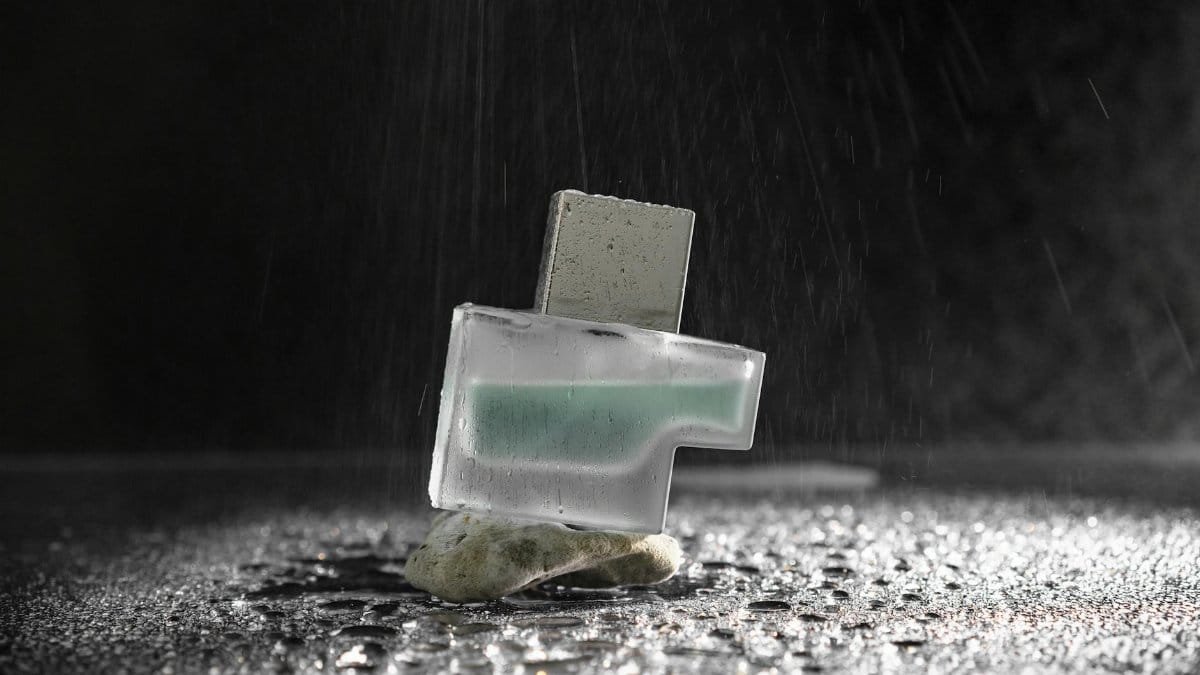
Fragrance layering starts simple: users combine multiple scents from their collection. A base note might ground them, layered with a brighter top note for uplift. This isn’t random. The goal targets specific feelings, like calm or energy. In 2026, it tops mental health trends because it empowers personal control over emotions through accessible means. No appointments needed—just bottles at hand. Its global spread shows people seek proactive wellness hacks.
Beyond the Surface: Scent as Therapy
It’s not just about smelling good. Traditional fragrance use focused on allure or masking odors. Fragrance layering flips that script. Practitioners blend scents intentionally, triggering brain responses tied to memory and mood. This emergence marks a pivot. Mental health tools evolve from clinical settings to daily rituals. The practice democratizes emotional care, available to anyone with perfumes. Global adoption in 2026 underscores its timeliness.
How Mixing Scents Triggers Emotions

Layering works by stacking complementary or contrasting fragrances. Citrus over vanilla might evoke joy; woods with florals foster serenity. Each combo aims at a precise emotional state. Users report tailored results, fine-tuning blends for mornings or evenings. This precision elevates it to a top mental health strategy. Science backs scent’s emotional pull—the olfactory system links directly to the brain’s limbic region, as detailed in research from the National Institute on Deafness and Other Communication Disorders (NIDCD).
Fragrance Layering Tops 2026 Mental Health Lists
By January 2026, fragrance layering claims the spotlight among wellness innovations. Surveys and reports highlight its climb, outpacing apps or supplements for everyday use. People integrate it seamlessly into routines, making mental health maintenance feel effortless. Its status as a “top tool” reflects broader demand for sensory-based self-care. Global data points to widespread experimentation, with users sharing blends online and in communities.
Global Reach Reshapes Daily Routines

From urban centers to remote areas, fragrance layering crosses borders. No cultural barriers slow its momentum. In 2026, it unites diverse groups under one practice: scent mixing for emotional precision. Busy professionals layer for focus; others unwind with soothing stacks. This universality fuels its rise. Mental health benefits extend universally, proving scent’s power transcends geography.
Practical Steps in Emotional Scent Design
Start with intention. Identify the desired state—alertness, peace, confidence. Select 2-3 fragrances: one anchor, others enhancers. Test small sprays to avoid overload. Adjust based on response. Repeat daily for consistency. This method positions fragrance layering as a repeatable mental health ritual. Its simplicity drives adoption, turning closets into emotional toolkits.
Why It Resonates in a Stressed World
Modern life piles on pressures. Fragrance layering offers quick relief. A custom blend can shift mindset in minutes, rivaling meditation or exercise. As a 2026 standout, it fills a gap in fast-access emotional tools. Users value its subtlety—no stigma, just a spritz. Psychological studies affirm scents influence mood profoundly, with the American Psychological Association noting olfaction’s role in emotion processing via their analysis on smell and the brain.
Challenges and Real-User Adaptations
Not every mix succeeds on first try. Overlayering risks clashing notes, muting effects. Seasoned users refine through trial. Skin chemistry varies, so personalization rules. Despite hurdles, persistence pays off in emotional tuning. This learning curve strengthens commitment, cementing its place as a premier mental health aid in 2026.
Future Implications for Wellness
Fragrance layering hints at scent’s untapped potential. Brands may respond with layering kits or guides. Therapists could incorporate it formally. Its current trajectory as a top tool suggests staying power. Globally, it redefines mental health as sensory and self-directed. People mixing scents today pioneer tomorrow’s standards.
In summary, fragrance layering transforms perfume from vanity to vitality. Its 2026 dominance proves emotional health starts with what we smell. As adoption grows, expect deeper integration into daily life.