

Bio-syncing fitness promises a smarter path to staying fit without the exhaustion. Defined as aligning workouts with your body’s circadian rhythm, this approach is hailed as 2026’s key to burnout-free training. No more battling against natural energy peaks and dips. Fitness enthusiasts are urged to sync sessions to internal clocks for optimal results and sustainability. As dated January 2, 2026, the message is clear: stop fighting your body clock and embrace rhythm-driven routines.
Understanding Bio-Syncing Fitness
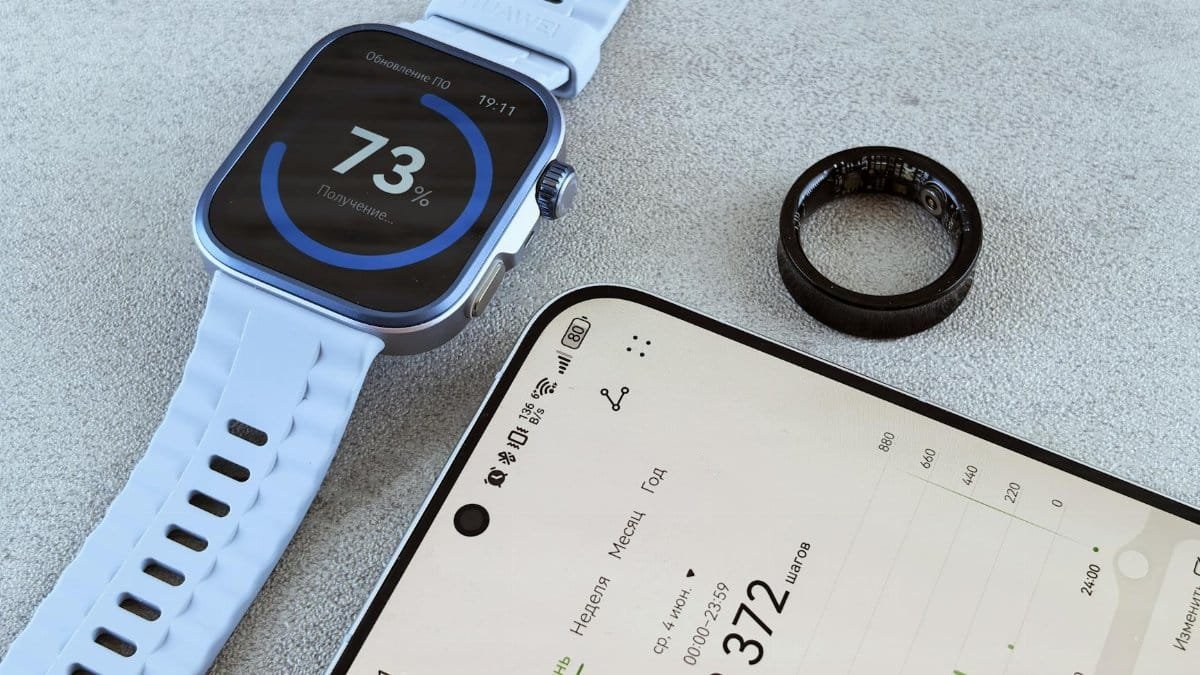
Bio-syncing fitness centers on one core idea: harmonizing exercise timing with the body’s internal timing system. Traditional workouts often ignore these natural cycles, leading to forced sessions at off-peak times. By contrast, bio-syncing prioritizes rhythm alignment to enhance performance and recovery. This trend positions itself as a practical evolution in fitness, directly addressing common fatigue issues head-on.
The Circadian Rhythm Explained

At the heart of bio-syncing fitness lies the circadian rhythm, the roughly 24-hour cycle that regulates sleep, alertness, and energy levels. Influenced by light and darkness, it dictates when bodies feel primed for activity. Morning types might thrive with early cardio, while evening peaks suit strength training later. Ignoring this rhythm creates mismatches, amplifying stress. For details on these biological cycles, see the National Institute of General Medical Sciences fact sheet.
Why Stop Fighting the Body Clock

Pushing workouts against natural rhythms exhausts the system. Late-night sessions after low-energy afternoons or dawn lifts during sleepy phases invite burnout. Bio-syncing flips this by respecting peaks—higher hormone levels during optimal windows boost efficiency. U.S. gym-goers, facing packed schedules, stand to gain most from this shift. The January 2 announcement underscores a cultural pivot: fitness should flow with biology, not defy it.
Bio-Syncing as Burnout Prevention

Burnout plagues modern fitness, with overtraining leading to dropout rates. Bio-syncing fitness offers a remedy by matching intensity to rhythm-driven vitality. Shorter, timed sessions yield better adherence and results, fostering long-term habits. This isn’t about less effort but smarter timing, reducing recovery demands. In 2026, as wellness priorities evolve, this method emerges as the sustainable standard.
Key Benefits of Rhythm-Aligned Workouts
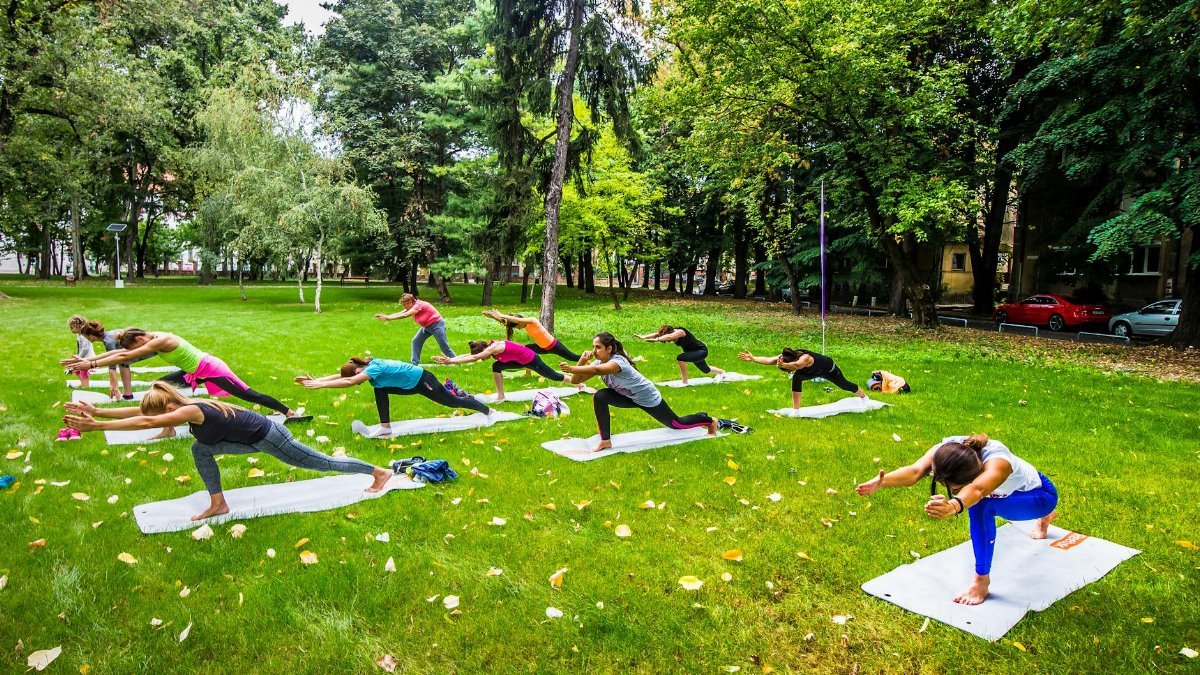
Aligning with circadian cues improves endurance, strength gains, and mood stability. Energy highs mean more effective reps; aligned rest prevents overreach. For American workers balancing jobs and health, bio-syncing minimizes fatigue spillover into daily life. Research on exercise timing supports this, showing performance variances by hour. Check the NIH summary on time-of-day exercise effects for related insights.
Implementing Bio-Syncing in Daily Routines

Start by tracking personal energy patterns—note peak alertness via simple logs. Schedule high-intensity bio-syncing fitness sessions during those windows, reserving lows for mobility or rest. Flexibility is key; rhythms vary by individual. Gyms and apps are adapting, offering rhythm-based class schedules. This practical alignment turns vague advice into actionable steps, making fitness feel intuitive.
Shifting U.S. Fitness Culture
In the U.S., where 24/7 gym culture dominates, bio-syncing fitness challenges the grind mindset. Coastal cities see early risers syncing sunrise yoga; urban professionals time evening lifts. The 2026 spotlight signals broader adoption, with chains tweaking hours. This trend resonates amid rising burnout awareness, positioning bio-syncing as a science-backed alternative to relentless routines.
Challenges and Realistic Expectations

Not every day aligns perfectly—travel or shifts disrupt rhythms. Bio-syncing fitness requires observation, not overnight overhaul. Beginners might experiment with one-week trials. Critics question universality, but proponents argue adaptation yields dividends. Patience ensures the burnout-free promise holds, emphasizing consistency over perfection.
The 2026 Momentum
Dated January 2, 2026, the bio-syncing call arrives as fitness resets post-holidays. It counters fad diets with biology fundamentals, gaining traction in wellness circles. U.S. trends lean toward personalized, recovery-focused training, making this timely. As adoption grows, bio-syncing fitness could redefine peak performance standards.