
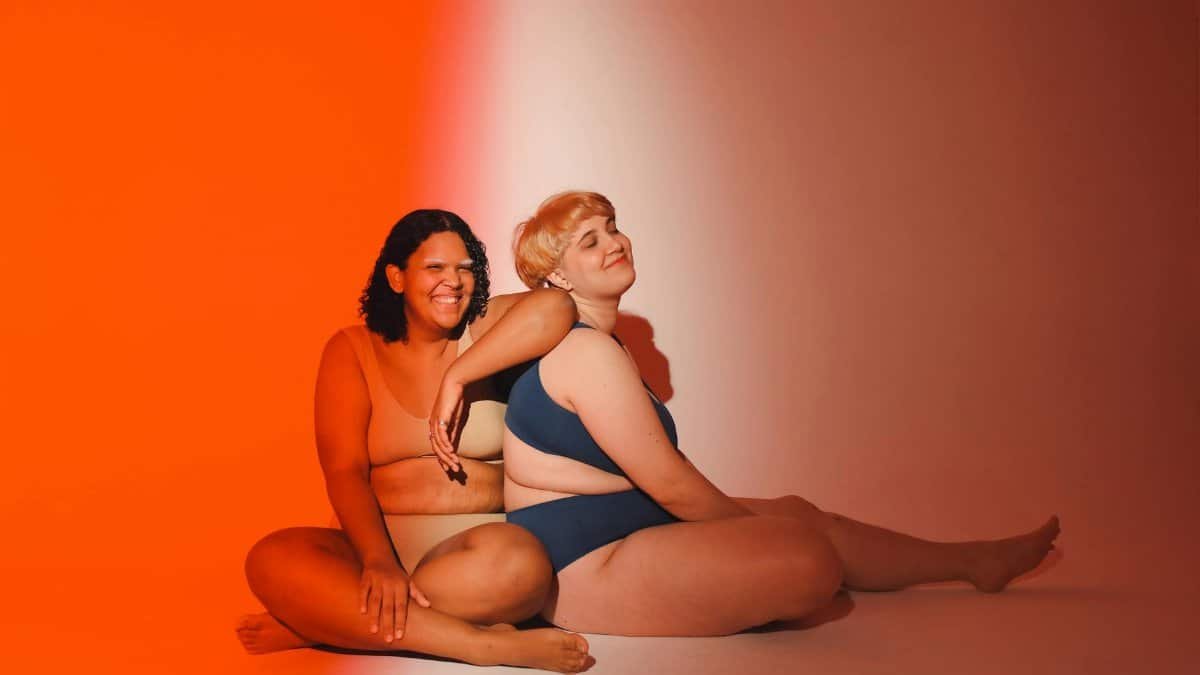
In Los Angeles on January 14, 2026, singer Lizzo declared a personal shift from the demands of “body positivity” to the liberating approach of body neutrality. “I don’t have to love it every day, I just have to live in it,” she stated. This pivot highlights growing fatigue with constant self-love mandates, offering fans a sense of relief amid body image pressures.
Lizzo’s Pivotal Announcement

From the heart of Los Angeles, Lizzo made headlines on January 14, 2026. The singer, long a champion of self-acceptance, announced her embrace of body neutrality. This move signals a broader cultural reevaluation of how individuals relate to their physical forms. No longer bound by daily affirmations of love, Lizzo’s stance resonates in a year marked by evolving wellness dialogues.
The Iconic Quote Explained
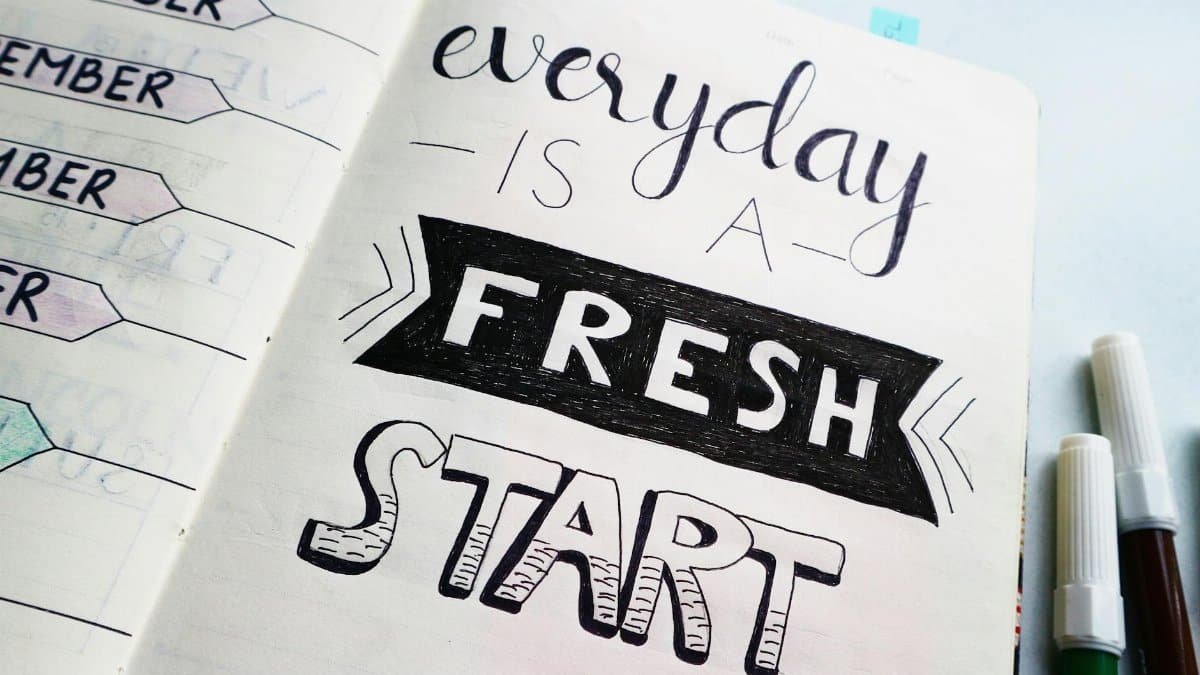
“I don’t have to love it every day, I just have to live in it.” These words capture Lizzo’s core message. They reject the exhaustion of perpetual adoration for one’s body. Instead, they advocate functionality over emotion. Fans latched onto this simplicity, seeing it as permission to exist without judgment. The quote went viral, sparking discussions across social media platforms.
Pressure from Body Positivity
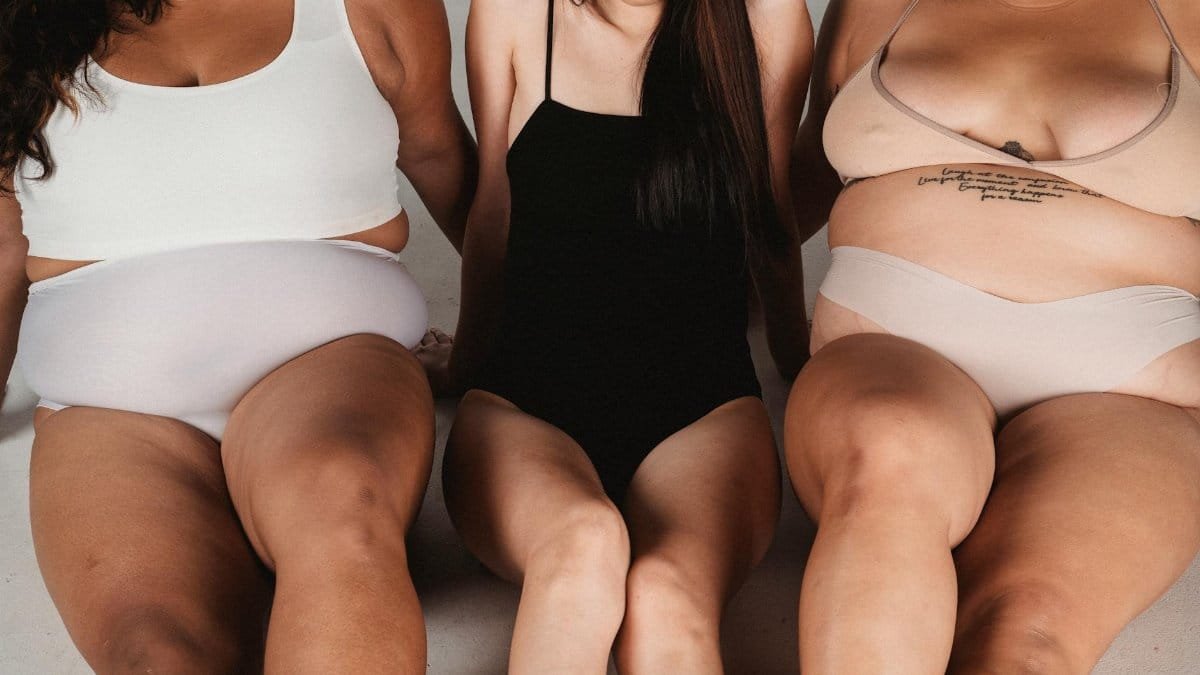
Body positivity pushed a narrative of unwavering love for every curve and feature. Lizzo’s pivot underscores its unintended burden. The constant need to celebrate one’s appearance daily created stress for many. In 2026, this pressure has intensified under social media scrutiny. Lizzo’s shift exposes how such ideals can feel performative rather than freeing. For Psychology Today on body positivity pressures, experts note similar sentiments among public figures.
Defining Body Neutrality

Body neutrality centers on detachment from aesthetic obsession. It views the body as a vessel for living, not a source of joy or shame. Lizzo embodies this by prioritizing existence over admiration. This mindset reduces emotional labor tied to appearance. In practice, it means moving through life without fixating on mirrors or scales. Health professionals endorse it as sustainable amid 2026’s mental health focus. For a deeper look, see the National Eating Disorders Association’s guide on body neutrality.
Freedom in the Pivot

Lizzo describes body neutrality as “freedom.” Free from the grind of daily love declarations, individuals gain mental space. This approach allows energy for pursuits beyond looks. In Los Angeles, where image reigns, her words cut through Hollywood’s gloss. The pivot empowers followers to inhabit their bodies practically. No rituals required—just presence. This resonates in a culture weary of filtered perfection.
Fans Express Relief

Fans welcomed Lizzo’s change with open arms. Relief swept online communities as her message spread. Many shared stories of burnout from body positivity’s highs and lows. “Finally, someone gets it,” one supporter posted. This reaction validates the shift’s timeliness in 2026. Lizzo’s influence amplifies voices tired of forced enthusiasm. Her authenticity strengthens fan loyalty, turning personal evolution into collective exhale.
Shifting Body Image Conversations

Lizzo’s announcement reframes national dialogues on self-perception. Body neutrality challenges extremes of hate or hype. It promotes utility: bodies enable dance, work, connection. In U.S. trends, this neutral stance gains traction amid wellness overhauls. Celebrities like Lizzo lead by example, influencing millions. Los Angeles, a trendsetter, spotlights this evolution from January 14 onward.
Implications for Wellness Trends
As 2026 unfolds, Lizzo’s pivot hints at wider adoption. Body neutrality offers a middle path in polarized body talks. It sidesteps toxicity while honoring reality. Fans’ relief points to demand for approachable ideals. Expect ripples in media, therapy, and activism. Lizzo’s Los Angeles moment marks a turning point, easing societal self-scrutiny.
Lizzo’s embrace of body neutrality arrives at a pivotal time. Her candid words from Los Angeles provide a blueprint for balanced living. Fans, unburdened, signal readiness for change. This shift promises healthier relationships with the physical self nationwide.