

Even EGOT winners aren’t immune to self-doubt. On January 8, 2026, in Los Angeles, Viola Davis laid bare her inner turmoil. Despite holding the rare Emmy, Grammy, Oscar, and Tony—proof of her mastery in TV, music, film, and theater—she confessed that imposter syndrome hits hard every time she steps on set. Her candid admission delivered a masterclass in humility, reminding Hollywood elites and everyday strivers alike that accolades don’t silence the voice of fraudulence.
Viola Davis’s EGOT Milestone

Viola Davis stands among an elite few with an EGOT. This grand slam of entertainment honors marks unmatched versatility. She has conquered stages with Tony wins, screens with an Oscar, television with Emmys, and even music with a Grammy. Yet on this January day in LA, Davis revealed the awards do little to quiet her doubts. Her status amplifies the shock: if she feels like an outsider, who doesn’t?
The LA Confession
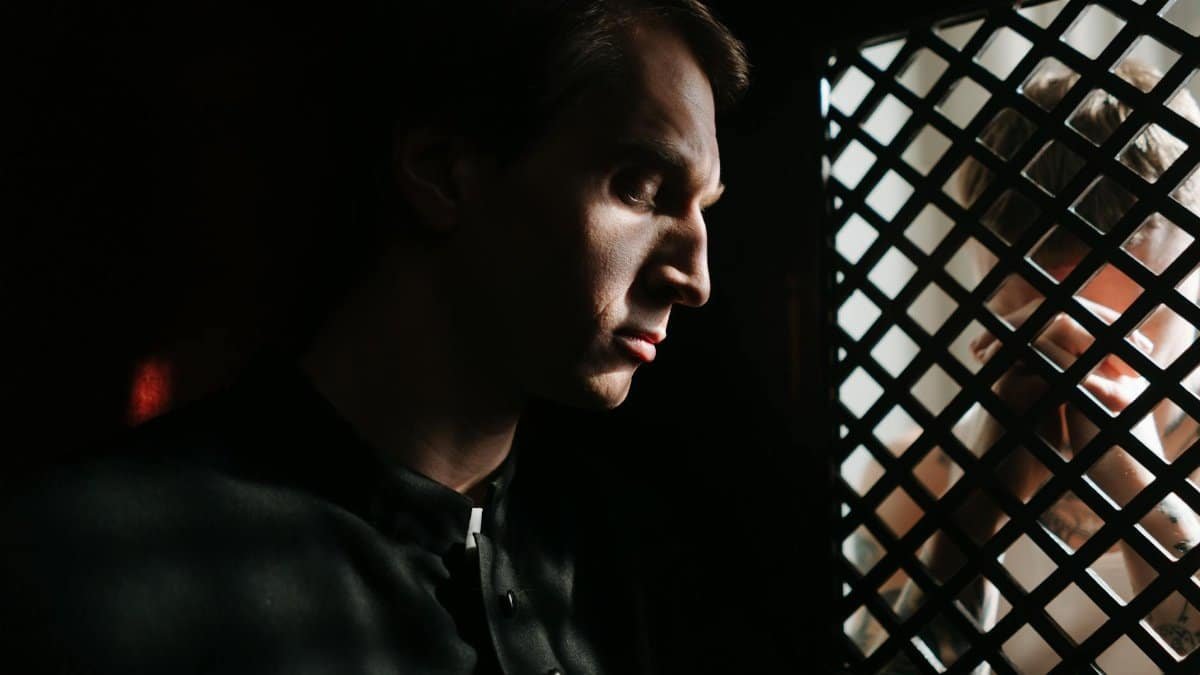
Los Angeles buzzed as Davis spoke openly. The date was January 8, 2026—a fresh start to the year. In a city built on glamour and grit, her words cut through the facade. She described imposter syndrome not as a whisper, but a scream. Every set walk triggers it. This wasn’t a scripted line; it was raw truth from a woman who’s headlined blockbusters and Broadway revivals.
Defining Imposter Syndrome

Imposter syndrome describes the persistent fear of being exposed as a fraud, despite clear evidence of competence. High achievers like Davis often grapple with it most intensely. For a precise breakdown, the American Psychological Association details how it manifests in professionals doubting their skills. Davis’s account fits the pattern: external success clashes with internal disbelief.
Screams on Every Set

Davis pinpointed the trigger—walking onto set. Lights glare, cameras roll, crews watch. For her, that’s when imposter syndrome roars. It’s not occasional; it’s routine. This revelation humanizes a star whose performances have defined eras. In 2026 Hollywood, where AI scripts and streaming wars dominate, her vulnerability underscores a timeless struggle amid industry flux.
Humility Amid Accolades

Davis turned her doubt into a lesson. She called it a masterclass on humility. Holding an EGOT should breed arrogance, yet she chooses candor. This stance challenges Tinseltown’s ego-driven culture. Her words urge restraint: celebrate wins, but question comfort. In a year of economic pressures on entertainment, her approach offers grounded perspective.
Why EGOT Holders Still Doubt

Rare air at the EGOT level breeds isolation. Davis joins a short list—think Rita Moreno or John Legend—where pressure peaks. Awards validate publicly but privately fuel fears of unworthiness. Her admission spotlights this paradox. Even with global acclaim, the syndrome persists, screaming louder against the backdrop of success. U.S. trends in 2026 show mental health talks surging in creative fields, aligning with her timely share.
Hollywood’s Hidden Struggle

Los Angeles sets the stage for such confessions. The city’s relentless pace amplifies doubts. Davis’s story mirrors untold actor tales: red carpets hide inner critics. Her EGOT shields her career, yet not her psyche. This event in early 2026 signals shifting norms—stars now voice vulnerabilities once hushed. It ties into broader awareness campaigns pushing mental wellness in media hubs.
Lessons Beyond the Spotlight

Davis’s humility resonates universally. Imposter syndrome doesn’t discriminate by fame. Office workers, students, entrepreneurs—all hear the same scream. Her masterclass teaches persistence: face the set, ignore the fraud voice. In 2026 America, with remote work blurring lines and AI threatening jobs, her example bolsters resilience. Acknowledge doubt, then act anyway.
Research Backs the Phenomenon

Studies confirm imposter feelings plague top performers. The Harvard Business Review explores its ties to burnout and depression, especially among leaders. Davis embodies this: EGOT elite, yet tormented. Her public stand validates research, urging therapy and peer talks as antidotes. No quick fix, but awareness starts the fight.
Ripples in 2026 Entertainment

Davis’s words land amid Hollywood’s reset. Strikes linger in memory, diversity pushes forward. Her imposter syndrome reveal fosters empathy. Producers, peers—everyone nods in recognition. It humanizes icons, potentially easing set tensions. As 2026 unfolds, expect more stars to echo her, normalizing doubt in pursuit of craft.
Viola Davis proves triumph and turmoil coexist. Her LA moment cements a truth: imposter syndrome screams loudest for those who’ve earned the stage. Humility, she shows, is the real award.