

In a bold stand against infertility stigma, Selena Gomez revealed she cannot carry children due to her bipolar medication, igniting worldwide support from women facing similar struggles. The Los Angeles star’s January 20, 2026, disclosure has thrust selena gomez fertility into the spotlight, highlighting the tough choices between mental health treatment and motherhood dreams. Her story resonates deeply in a year when U.S. conversations on women’s reproductive health are gaining urgency.
Selena Gomez’s Candid Admission

Selena Gomez stepped forward in Los Angeles on January 20, 2026, sharing a personal truth that few celebrities dare to voice. She explained that her bipolar medication, essential for managing her condition, prevents her from carrying a pregnancy. This revelation came as part of a deliberate effort to normalize discussions around infertility caused by medical necessities. Gomez, long an advocate for mental health transparency, framed her choice as one of survival over societal expectations.
The Link Between Bipolar Treatment and Fertility
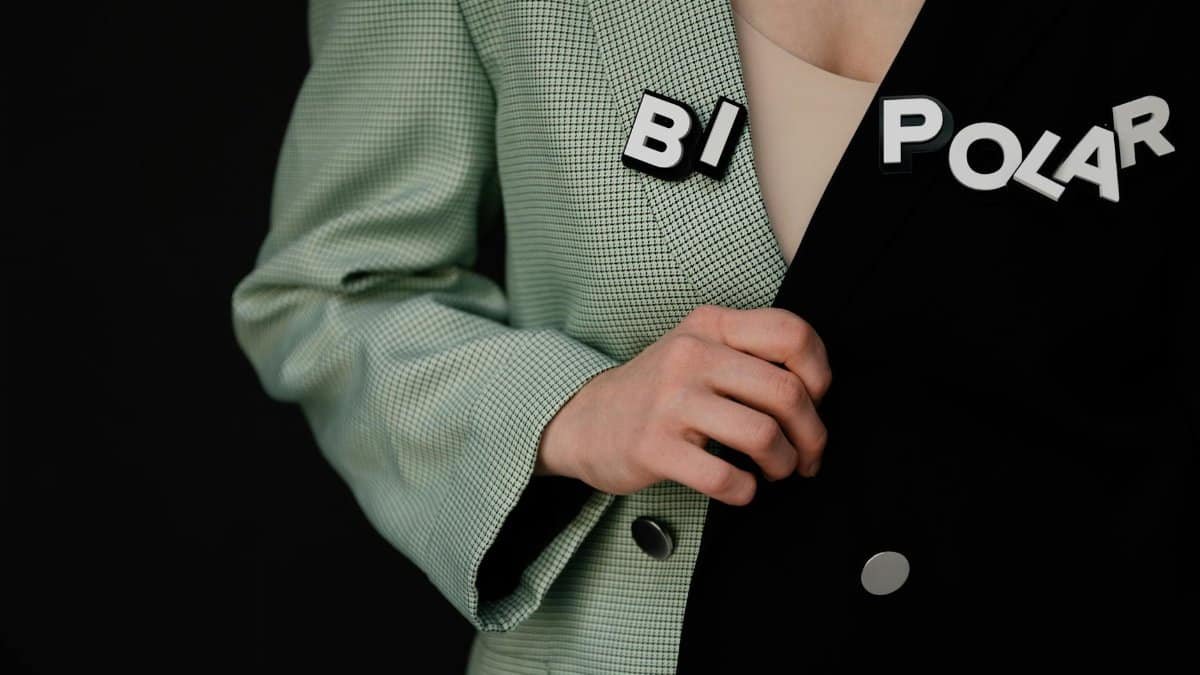
Bipolar disorder requires mood stabilizers and other medications that carry significant pregnancy risks. Gomez’s case underscores how these treatments, while life-saving, can render natural conception or carrying a child unsafe. Doctors often advise against pregnancy for patients on certain regimens due to potential harm to the fetus. Gomez’s openness shines a light on this hidden trade-off, affecting countless women who prioritize mental stability. For context, bipolar disorder impacts about 2.8% of U.S. adults, per the National Institute of Mental Health.
Challenging the Infertility Taboo
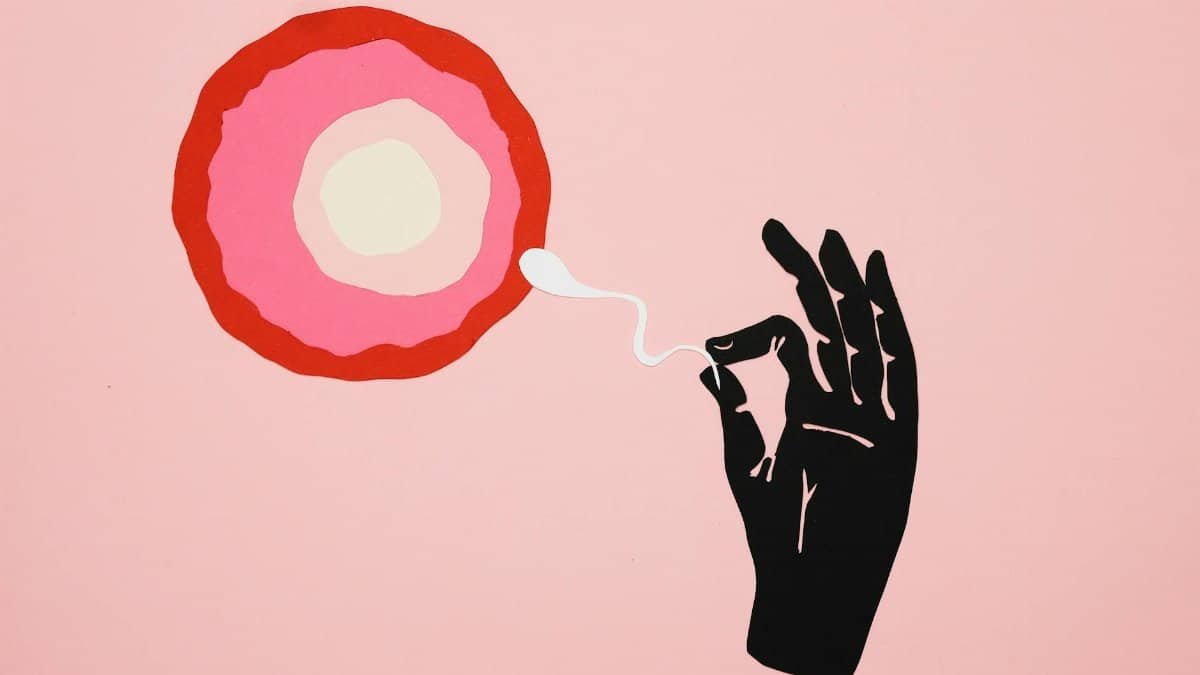
Gomez’s move directly targets the shame surrounding infertility. By going public, she dismantled the silence that leaves many women isolated. Infertility affects roughly 1 in 8 couples in the U.S., according to CDC data, yet personal stories like hers make the statistics feel real. Her bravery reframes infertility not as a personal failing, but as a medical reality intertwined with other health battles.
A Global Outpouring of Support
Within hours of her announcement, women worldwide flooded social media with messages of solidarity. Hashtags tied to Gomez’s story trended across platforms, creating virtual support networks. Fans shared their own experiences with medication-induced fertility issues, from antidepressants to chronic illness treatments. This massive wave validates Gomez’s impact, proving one voice can amplify millions. In 2026, as digital communities grow, such moments accelerate empathy on a planetary scale.
Mental Health vs. Motherhood Dilemma

Gomez’s disclosure exposes the stark choices women face: risk mental health relapse by stopping medication or accept fertility limitations. She chose the latter, emphasizing that her well-being enables her to contribute elsewhere—through advocacy and art. This perspective shifts focus from loss to empowerment, urging better medical options like fertility preservation before starting long-term treatments. Her story prompts questions about support systems for those navigating these intersections.
Implications for Women’s Advocacy
The response to Gomez’s words signals a tipping point in 2026 women’s health discourse. Advocacy groups praised her for humanizing selena gomez fertility challenges, calling for more research into safer bipolar treatments during reproductive years. In the U.S., where mental health parity laws evolve, her platform could push policymakers toward integrated care models addressing both mind and body. Celebrities like Gomez often lead where systems lag.
Ripples in Hollywood and Beyond

Los Angeles, a hub for entertainment and wellness trends, amplified Gomez’s message through local media and events. Fellow stars echoed her sentiment, sharing anonymized stories of similar hurdles. This Hollywood ripple extends to everyday women, fostering clinic conversations and online forums. By 2026, with rising awareness of polycystic ovary syndrome and other fertility blockers alongside mental health meds, Gomez’s narrative fits a broader pattern of destigmatization.
Future Paths for Fertility Awareness

Gomez’s revelation paves the way for proactive steps. Experts note options like egg freezing or surrogacy, though access remains uneven. Her influence may boost funding for studies on medication alternatives, benefiting the next generation. Women reporting heightened empowerment post-announcement suggest lasting cultural change. In a nation grappling with declining birth rates amid health complexities, stories like hers cut through the noise, demanding holistic solutions.
Gomez’s stand marks a pivotal moment. By owning her selena gomez fertility reality, she not only destigmatizes infertility but also champions unmedicated mental health trade-offs. The global support affirms her reach, proving vulnerability breeds strength. As 2026 unfolds, expect her voice to echo in clinics, capitols, and communities alike.