

On January 5, 2026, the dating world got a clear signal: status flexxing tops the trends for the year. This global shift targets the fatigue from “situationships”—those murky, undefined connections that drag on without commitment. Now, daters who state exactly what they want upfront earn respect. It’s a flex, not a flaw. No more guessing games. This approach kills ambiguity dead, promising straightforward romance in an era craving certainty.
Situationships Reach Breaking Point

Situationships have worn out daters globally. These non-relationships linger in limbo, mixing intimacy with zero labels. People invest time and emotions, only to face endless uncertainty. The January 5 announcement highlights this exhaustion as the spark for change. Daters want out. Status flexxing steps in as the antidote, flipping vague flirtations into direct declarations. No more mixed signals or late-night doubts.
Core of Status Flexxing
Status flexxing boils down to bold transparency. From the first match or message, individuals spell out their intentions. Seeking marriage? Say it. Casual fun only? Declare it upfront. The summary positions this as the 2026 pinnacle, a trend where honesty leads. It’s simple yet revolutionary. Daters broadcast relationship goals without apology, setting expectations early and firm.
Clarity Becomes a Flex

Stating desires outright was once risky—labeled needy or intense. Not anymore. The trend reframes it as confident swagger. A flex signals self-awareness and strength. Why hide wants when owning them attracts the right matches? This mindset shift empowers users. It weeds out mismatches fast, saving time for real connections. Global daters see it as attractive, not aggressive.
Top Spot in 2026 Trends
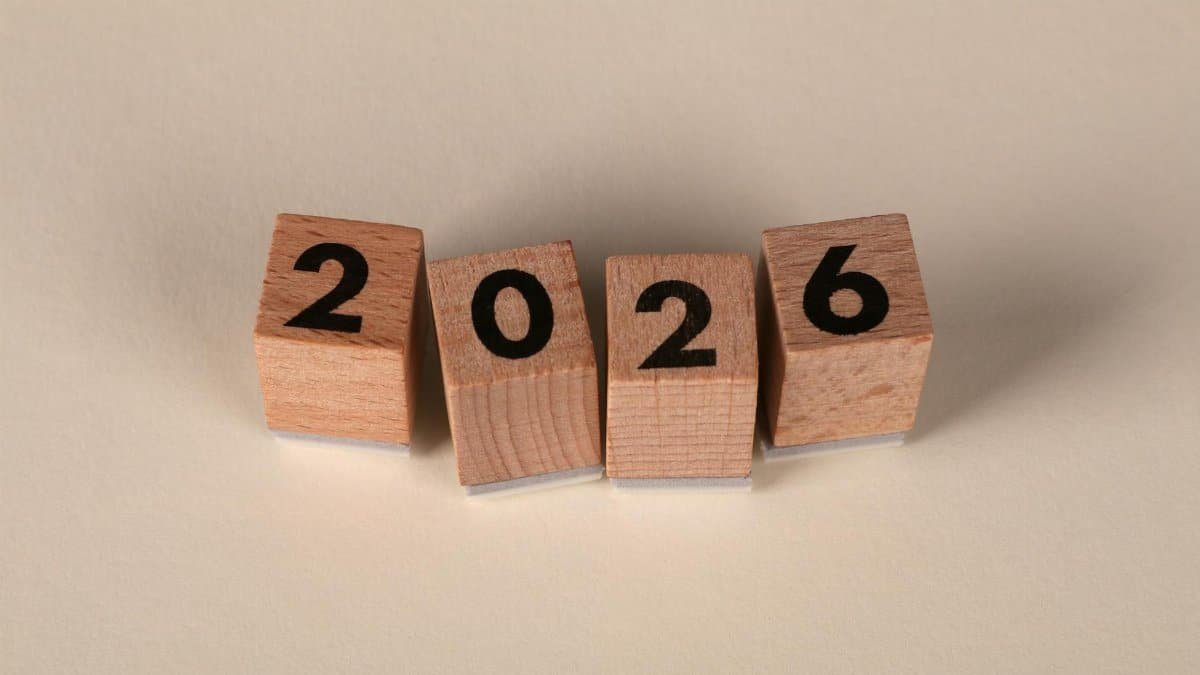
Experts crowned status flexxing the number one dating trend for 2026 on January 5. It outpaces fads like ghosting comebacks or niche apps. Why? It addresses a universal pain point head-on. In a post-pandemic world of digital dating, clarity reigns. U.S. singles, active on apps daily, stand to benefit most from this no-nonsense vibe. The buzz builds as word spreads worldwide.
Global Reach Hits Home
This isn’t a regional quirk—it’s global. From U.S. coasts to international cities, daters adopt status flexxing. The announcement underscores its broad appeal. Americans, navigating crowded apps like Tinder and Bumble, feel the pinch of situationships hardest. Pew Research notes ongoing frustrations with unclear online intentions, fueling the push for upfront status checks.Pew Research Center on digital dating dynamics.
Dating Apps Embrace the Shift

Dating platforms align perfectly with status flexxing. Profiles now scream intentions through bios and prompts. “Marriage-minded only” or “Fun dates, no strings” become standard. This kills the slow-burn ambiguity apps once fostered. Users report quicker decisions, fewer dead-end chats. The trend forces apps to highlight status upfront, streamlining swipes. It’s a win for efficiency in the swipe-right era.
Why It Resonates Now
Post-2020, priorities sharpened. People demand efficiency in love. Situationships waste that. Status flexxing fits the bill, offering control and respect. It’s good news for those burned by vagueness. Psychology Today outlines how such limbo harms mental health, amplifying the trend’s pull.Psychology Today on situationship pitfalls. Directness builds trust faster than games ever could.
Transforming Modern Romance
Status flexxing redefines pursuit. It prioritizes mutual alignment over prolonged testing. Couples form stronger from day one, knowing terms match. Singles dodge heartbreak from unspoken assumptions. The global endorsement on January 5 cements its role. U.S. trends mirror this, with apps updating features to support clear statuses. Expect fewer flings-that-aren’t, more defined paths forward. Dating enters a clearer chapter.
This trend delivers on its promise: end ambiguity, start strong. As 2026 unfolds, status flexxing leads the charge toward honest hearts.