
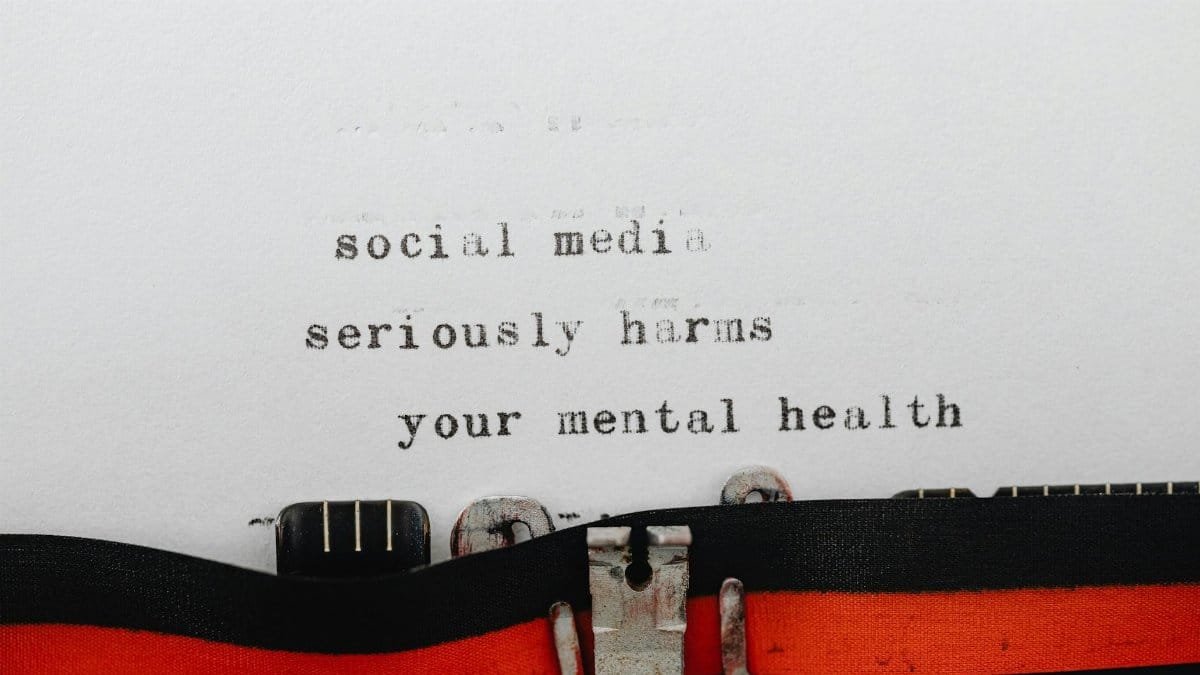
Doctors are sounding a stark alarm: the rapid weight loss from drugs like Ozempic delivers results, but at what mental cost? A new global warning issued on January 10, 2026, highlights ozempic side effects including severe mood swings and “identity crises” in patients. While the weight drops fast, doctors caution that these psychological tolls could upend lives. This punchy advisory urges caution amid soaring use of these GLP-1 agonists for obesity and diabetes.
Global Doctors Issue 2026 Alert

Medical professionals worldwide have united behind a fresh cautionary note dated January 10, 2026. They target rapid weight loss medications, spotlighting Ozempic as a prime example. The message cuts through the hype: yes, pounds melt away, but unpredictable emotional upheavals follow. Health leaders frame this as a pivotal heads-up for the year ahead, pressing patients and providers to weigh benefits against hidden risks. No longer just physical side effects—now the mind takes center stage.
Weight Loss Wins Meet Unexpected Hurdles

Ozempic and similar drugs shine in shedding excess weight quickly. Patients see transformations that reshape bodies and boost confidence initially. Yet doctors stress the flip side. What starts as triumph can sour into turmoil. The summary underscores this duality: real results clash with real repercussions. Rapid changes demand vigilance, as the body adjusts and the brain scrambles to keep pace.
Mood Swings Strike Hard

Central to the warning: severe mood swings. Users report wild emotional rollercoasters—euphoria one day, despair the next. These aren’t mild blues; they disrupt daily life. Doctors link them directly to the drugs’ mechanisms, which alter hunger signals and metabolism at breakneck speed. For more on established side effects, see the Ozempic official side effects page, which details potential psychiatric impacts alongside gastrointestinal issues.
Identity Crises Emerge as Key Concern

The term “identity crises” grabs attention in this advisory. Rapid weight loss upends self-perception. Patients who tied their sense of self to their size face disorientation. Who am I now, post-transformation? Doctors describe these as profound psychological shifts, potentially leading to confusion, anxiety, or detachment. It’s not just vanity—core identity unravels when physical form changes overnight.
Why Rapid Weight Loss Triggers Turmoil

These drugs accelerate fat burn via hormone mimicry, curbing appetite and slowing digestion. But speed breeds problems. The body rebels with side effects, and the mind follows. Sudden leanness challenges long-held body images, sparking crises. Doctors note this pattern across global cases, urging slower approaches where possible. The 2026 warning positions this as a growing epidemic tied to blockbuster demand.
Patient Stories Echo the Warning

Though specifics vary, patterns hold: users celebrate scales at first, then grapple with emotional voids. One common thread—mood instability derails relationships and work. The global alert amplifies these voices, framing ozempic side effects as a public health pivot. Clinicians worldwide report upticks, blending relief with regret.
Balancing Act for Doctors and Patients

Providers now navigate dual duties: prescribe for obesity’s toll while screening for mental fragility. The January advisory calls for pre-treatment psych evals and close monitoring. In the U.S., where Ozempic prescriptions surged, this resonates deeply. Trends in 2026 demand integrated care—endocrinologists teaming with therapists. For clinical insights, consult Mayo Clinic’s semaglutide side effects overview, highlighting mood-related risks.
Implications for 2026 and Beyond

This warning reshapes the conversation. As Ozempic-like drugs dominate, 2026 marks a reckoning. Global health bodies push education campaigns. Patients must probe deeper: is the slim figure worth the inner storm? Doctors advocate alternatives like lifestyle tweaks for sustainable change. The message lands firm—victory over weight can’t eclipse mental wellness.
Steps Forward Amid the Alerts

Action items emerge clear. Consult specialists before starting. Track moods alongside measurements. Report swings promptly. The advisory empowers informed choices, turning awareness into armor. In a world chasing quick fixes, this 2026 call recenters humanity over headlines.
The punchline? Weight loss drugs deliver, but ozempic side effects demand respect. Doctors’ unified voice ensures patients enter eyes wide open.