
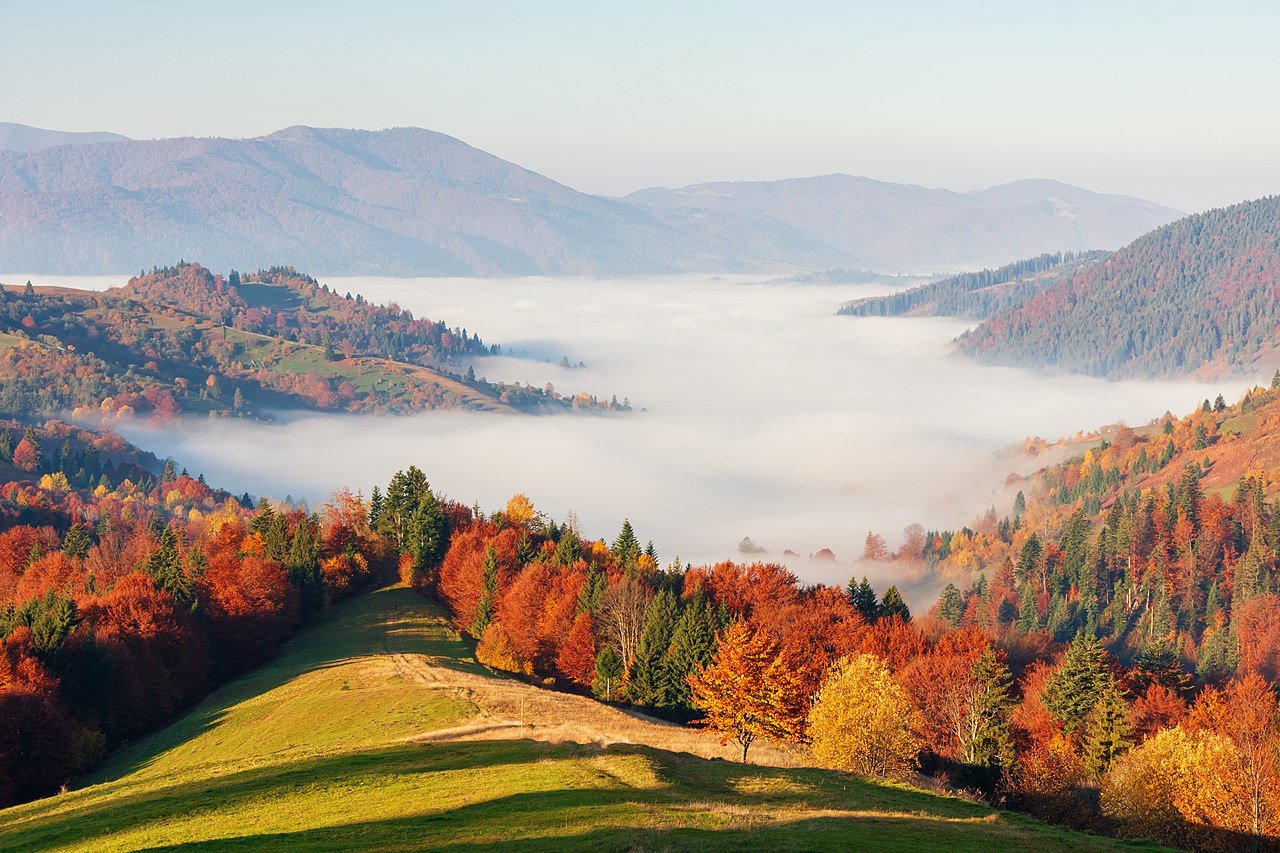
Healing is not a sprint toward some distant finish line; it’s a gentle return home to oneself. In a world that glorifies quick fixes and constant productivity, the art of gentle return invites us to slow down, to meet our pain with tenderness, and to allow deep restoration to unfold at its own pace. This approach draws from mindfulness traditions, trauma-informed practices, and somatic wisdom, emphasizing that true healing happens layer by layer—through presence, compassion, and patience. Whether recovering from trauma, burnout, loss, or the accumulated stresses of life, these practices create a safe inner sanctuary where the nervous system can settle, emotions can flow, and the spirit can renew.
The “gentle return” is rooted in the understanding that we’ve never truly left ourselves; we’ve simply wandered into survival modes, disconnection, or numbness. Mindfulness becomes the quiet guide back—inviting us to notice without forcing, to hold without clinging. As we explore these practices, remember: there’s no right way, only your way. Start small, with kindness, and let the depth emerge naturally.
Understanding the Gentle Return
By Kate Nielsen Photos – Own work, CC BY-SA 3.0, https://commons.wikimedia.org/w/index.php?curid=24358760
At its core, the gentle return is about reclaiming presence in a fragmented world. Trauma and stress often trap us in the past (reliving memories) or future (anticipating threats), pulling us away from the safety of now. Mindfulness, as taught by pioneers like Jon Kabat-Zinn, offers a pathway back: non-judgmental awareness of the present moment. But for deep healing, we adapt it gently—trauma-sensitive approaches, such as those from David Treleaven, remind us to prioritize safety, choice, and self-compassion.
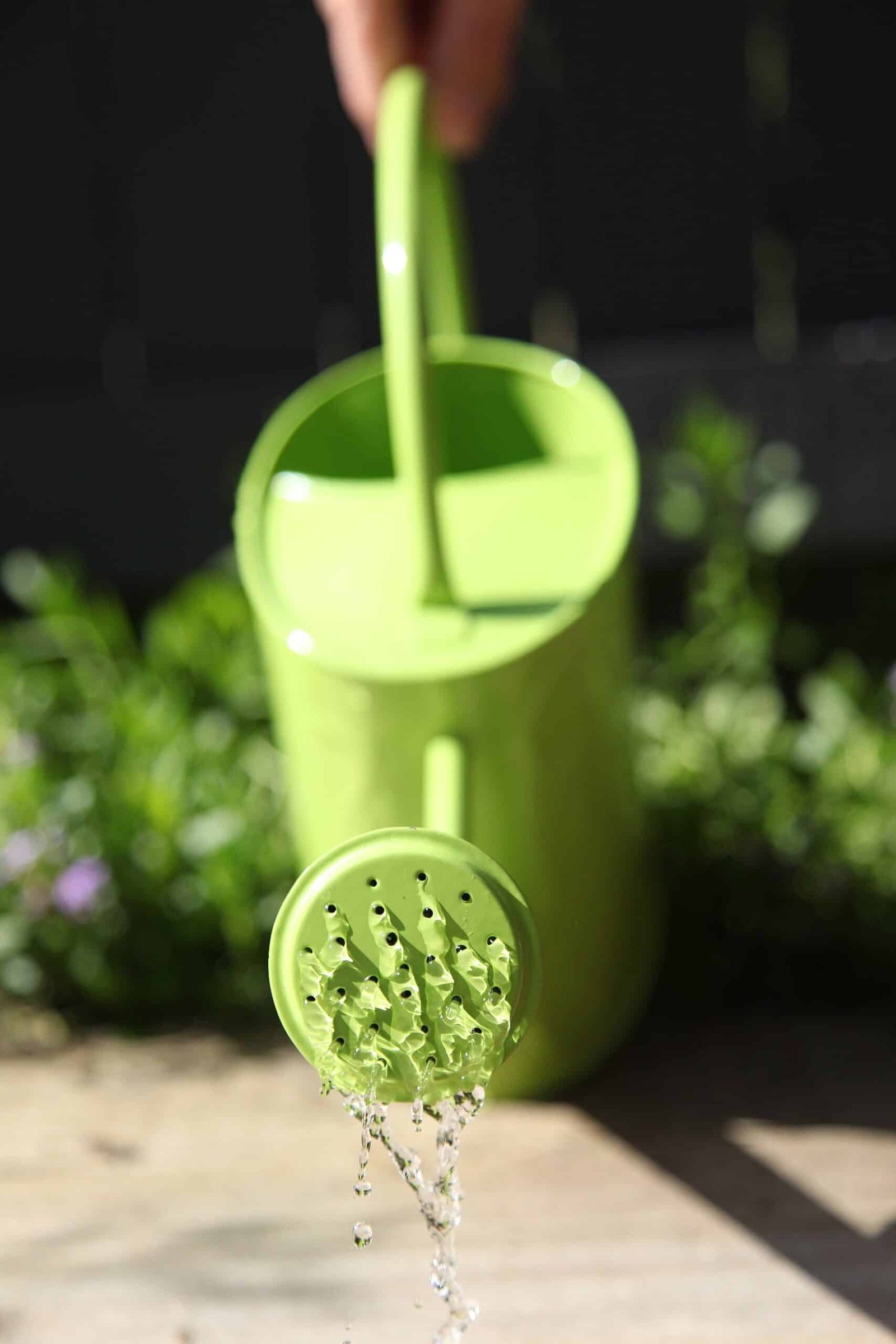
This isn’t about erasing pain; it’s about befriending it. Imagine returning to a long-neglected garden: you don’t yank out weeds in one go; you tend softly, watering what nourishes and allowing the rest to compost. Similarly, these practices cultivate inner soil where healing can root. Research from the fields of neuroscience and psychology supports this: regular mindfulness reduces amygdala reactivity (the fear center) while strengthening prefrontal cortex functions like emotional regulation. Over time, what felt overwhelming becomes manageable, one gentle step at a time.
Breath as the Anchor
By Kevin Kandlbinder – Own work, CC BY 4.0, https://commons.wikimedia.org/w/index.php?curid=77212445
The breath is our most reliable companion on this return—a constant, rhythmic reminder that life flows even amid stillness. Begin with simple awareness: sit comfortably, close your eyes if safe, and notice the inhale filling your belly, the exhale releasing softly. No need to change it; just observe. When the mind wanders to painful memories or worries, gently note “wandering” and return to the breath.
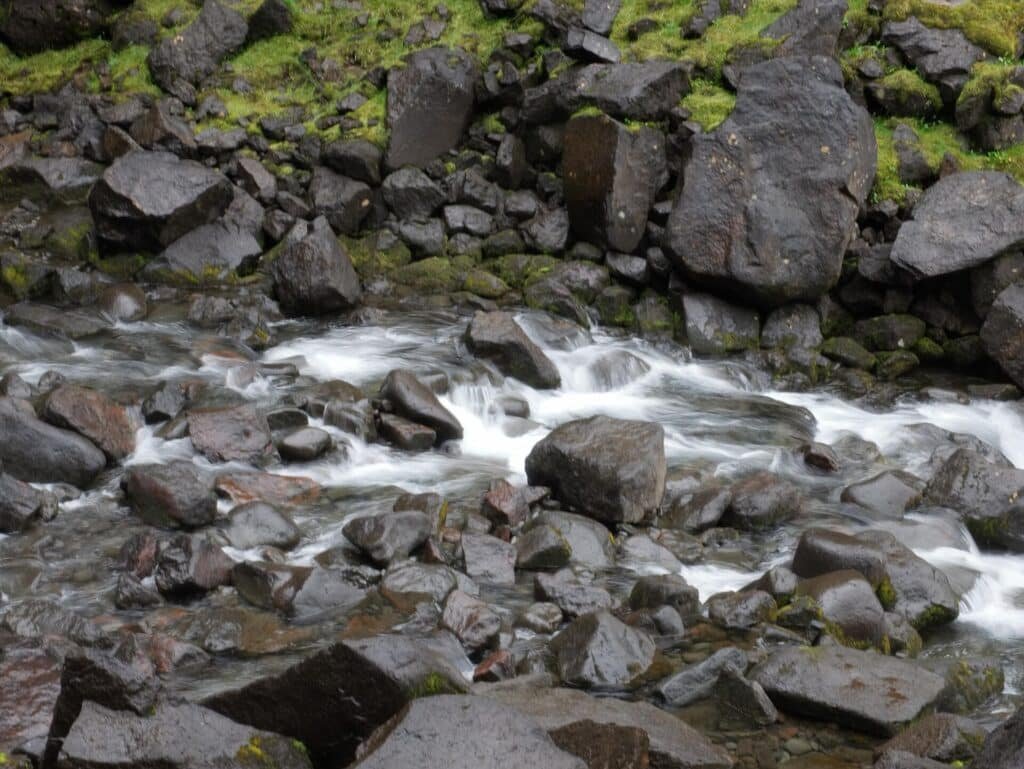
For deeper healing, incorporate trauma-informed variations like 4-7-8 breathing: inhale for four counts, hold for seven, exhale for eight. This activates the parasympathetic nervous system, signaling safety to the body. Peter Levine’s somatic experiencing highlights how breath can discharge stored trauma energy—gentle sighs or extended exhales release tension held in the chest or throat. Practice for just five minutes daily; over weeks, the breath becomes a portable anchor, pulling you back from emotional storms into calm waters.
Body Awareness and Somatic Listening

By Abooyeah – Own work, CC BY-SA 4.0, https://commons.wikimedia.org/w/index.php?curid=170736763
The body holds our stories—tight shoulders from carrying burdens, a knotted stomach from unexpressed grief. Somatic mindfulness invites a gentle return to embodiment, listening without judgment. Start with a body scan: lie down, direct attention from toes to head, noticing sensations like warmth, tingling, or heaviness. If discomfort arises, breathe into it softly or shift to a neutral area.
Inspired by Bessel van der Kolk’s “The Body Keeps the Score,” this practice helps release somatic memories—trauma’s imprints in muscle and tissue. For those with dissociation, ground first: feel feet on the floor, hands on thighs. Over time, somatic listening rebuilds trust in the body as a wise ally, not a threat. Pair it with gentle movement, like swaying or stretching, to encourage flow where stagnation lingers.
Compassionate Witnessing of Emotions

By Thomas Fuhrmann – Own work, CC BY-SA 4.0, https://commons.wikimedia.org/w/index.php?curid=130842368
Emotions are waves, not enemies. The gentle return teaches us to witness them with compassion, creating space between feeling and reaction. When sadness surges, pause and name it: “This is grief visiting.” Follow with self-kindness: “It’s okay to feel this; I’m here with you.”
Kristin Neff’s self-compassion research shows this reduces shame and isolation, common in deep healing. For intense emotions, use RAIN (Recognize, Allow, Investigate, Nurture) from Tara Brach: recognize the feeling, allow it without suppression, investigate its bodily sensations, and nurture with kindness. This practice transforms overwhelm into insight, fostering emotional resilience.
Nature Immersion for Grounding

By Mike Dickison – Own work, CC BY 4.0, https://commons.wikimedia.org/w/index.php?curid=122332236
Nature is a masterful teacher of gentle return—its rhythms remind us we’re part of something larger. Forest bathing (shinrin-yoku), developed in Japan, involves slow, mindful walks in woods, absorbing sights, sounds, and scents. Phytoncides from trees lower cortisol, while the earth’s grounding energy stabilizes the nervous system.
For urban dwellers, a park bench by a pond suffices. Sit, feel the breeze, notice leaves rustling. This immersion shifts focus outward, easing inner chaos. Studies link nature exposure to improved mood and reduced rumination, making it ideal for grief or anxiety. Let nature’s quiet vastness hold your pain; in return, it offers perspective and peace.
Journaling with Kindness

By Evan-Amos – Own work, Public Domain, https://commons.wikimedia.org/w/index.php?curid=71419379
Words can be bridges back to the self. Gentle journaling isn’t about analysis; it’s free-flow witnessing. Set a timer for 10 minutes: “What am I feeling now? What does this part need?” Write without editing—let raw emotions spill.
Julia Cameron’s “Morning Pages” inspire this, clearing mental clutter for clarity. For healing, add compassion: end with affirmations like “I honor this pain; it doesn’t define me.” This practice externalizes inner turmoil, creating distance and insight. Over time, patterns emerge, guiding deeper self-understanding.
Loving-Kindness Meditation (Metta)
By Marko Kafé – Own work, CC BY-SA 4.0, https://commons.wikimedia.org/w/index.php?curid=105626172
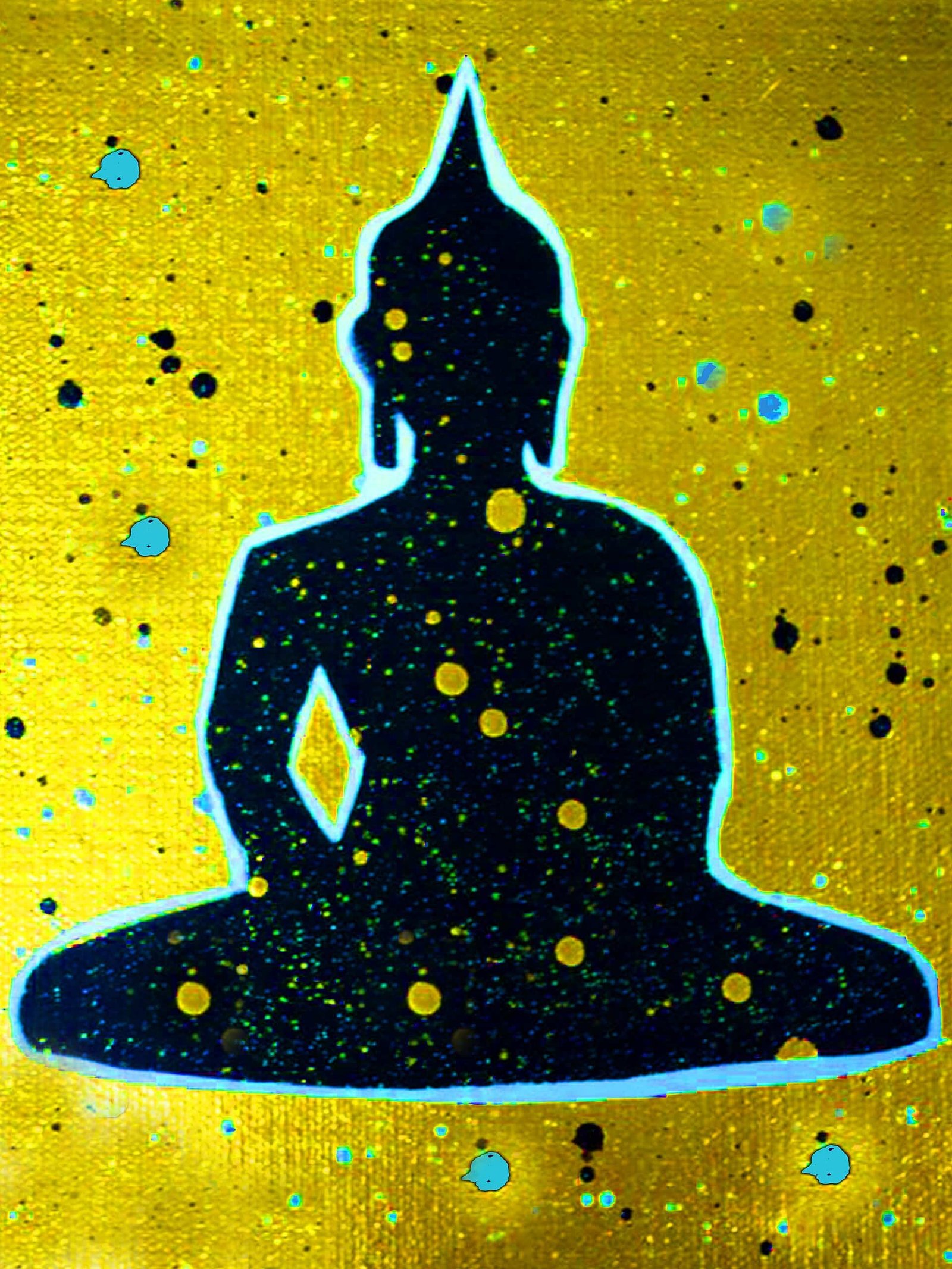
Metta cultivates warmth toward self and others, countering isolation in healing. Begin: “May I be safe. May I be peaceful. May I live with ease.” Extend to loved ones, neutrals, even difficult people.
Sharon Salzberg’s teachings emphasize starting small if self-kindness feels hard—perhaps toward a pet first. This builds oxytocin, fostering connection and reducing self-criticism. For trauma survivors, it rebuilds trust in relationships, starting inwardly.
The Power of Pausing
By Evan-Amos – Own work, Public Domain, https://commons.wikimedia.org/w/index.php?curid=11294343
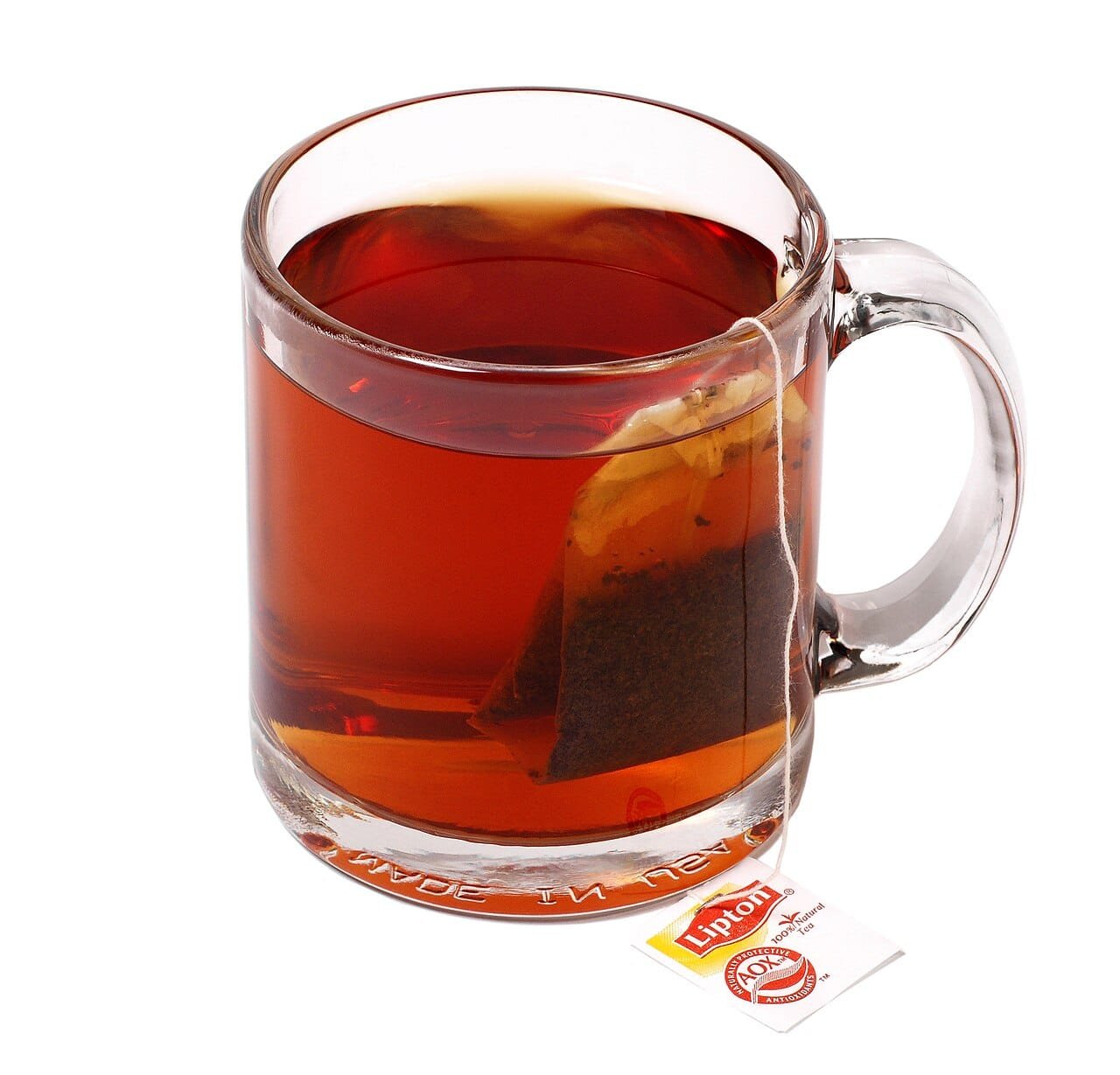
In busyness, we forget to pause. The gentle return thrives in these micro-moments: before responding, take one breath. Ask: “What do I need right now?” This interrupts reactivity, creating choice.
Thich Nhat Hanh’s “mindful pausing” turns everyday acts—like drinking tea—into rituals. These pauses accumulate, weaving mindfulness into life, easing emotional overload.
Integrating Practices into Daily Life
By KlausMiniwolf – Own work, CC BY-SA 4.0, https://commons.wikimedia.org/w/index.php?curid=91154933
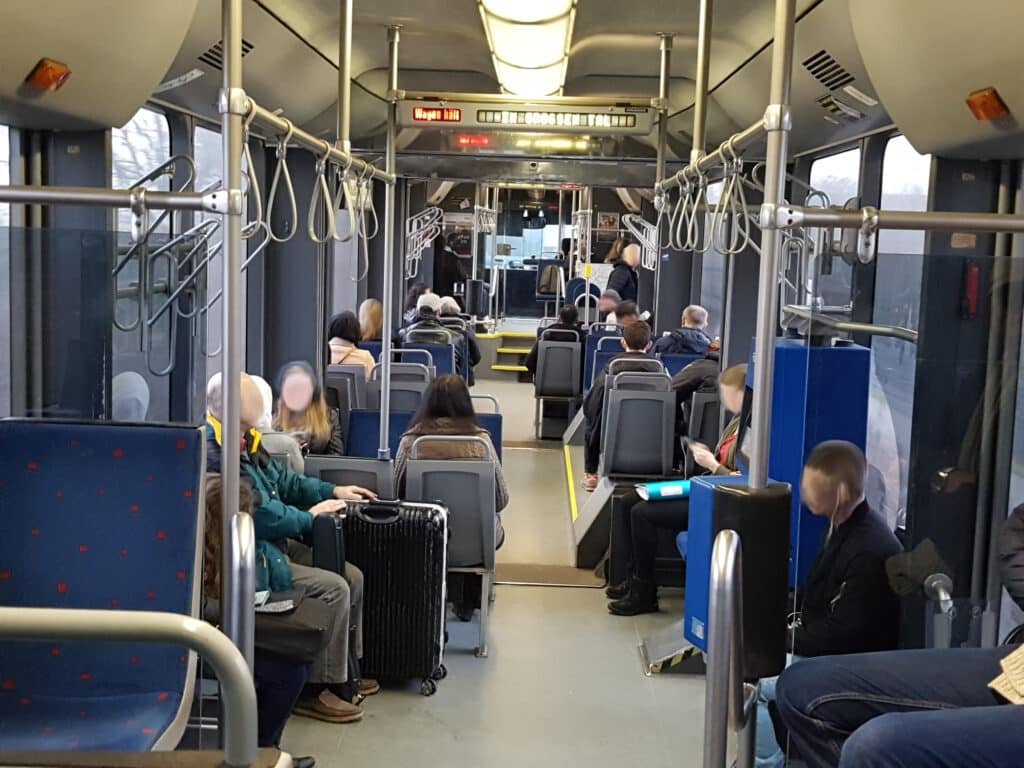
True healing integrates gently. Start with one practice: breath during commutes, body scan before bed. Build routines compassionately—no perfectionism. Track progress softly: “What felt nourishing today?”
Community supports this—join mindfulness groups or apps like Insight Timer. Remember, setbacks are part of the return; meet them kindly.
Embracing the Ongoing Journey

By Barry Lewis – Arrival In Jasper, CC BY 2.0, https://commons.wikimedia.org/w/index.php?curid=27492496
The art of gentle return is lifelong—a spiral deepening with each cycle. As we practice, layers peel, revealing resilience we always held. In this slow dance, we learn: healing isn’t arrival; it’s the tender act of coming home, again and again.