

Healing from deep emotional wounds, trauma, chronic stress, or accumulated grief is not about forcing transformation or rushing toward a fixed endpoint. Instead, it unfolds through small, tender acts of awareness—gentle, non-judgmental noticing that creates breathing room for the heart and nervous system. This mindful approach, supported by trauma-informed practices such as those developed in Mindfulness-Based Stress Reduction (MBSR), Somatic Experiencing, and self-compassion research, helps us meet pain with kindness rather than resistance. When we turn toward our inner experience softly, without demanding it change, something remarkable happens: the body begins to feel safer, emotions lose some of their grip, and a quiet sense of wholeness starts to re-emerge.
These eight gentle ways are invitations, not obligations. They are flexible tools you can adapt to your energy, environment, and readiness on any given day. Some moments you may only manage a single breath or one sensory note—and that is enough. Healing through awareness is cumulative, patient, and deeply personal.
1. Anchor in the Breath

By Diego Delso, CC BY-SA 4.0, https://commons.wikimedia.org/w/index.php?curid=119021772
The breath is our most faithful anchor—always present, always available, requiring nothing from us but attention. Begin with something simple and sustainable: three conscious breaths. Inhale gently through the nose for a slow count of four, feeling the belly softly expand. Exhale through the mouth for a count of six, noticing the gentle release. Pay attention to the cool sensation of air entering the nostrils, the warmth as it leaves. If the mind races to worries, memories, or bodily discomfort, simply note it with a soft mental whisper—“thinking,” “tight chest,” or “restless”—and return to the rhythm of breathing. This tiny practice downregulates the sympathetic nervous system, lowers cortisol, and signals to the body that the present moment can be safe. Over days and weeks, the breath becomes a portable sanctuary you can access anywhere—sitting in traffic, lying awake at night, or during a difficult conversation.
2. The Body Scan: Listening Without Fixing

By jodukrae – https://www.flickr.com/photos/133739127@N04/51153034963/, CC BY 2.0, https://commons.wikimedia.org/w/index.php?curid=180664179
Find a comfortable position—lying down, seated, or even standing if that feels more grounding. Slowly direct attention through the body, starting at the toes and moving upward: feet, ankles, calves, knees, thighs, pelvis, abdomen, chest, back, shoulders, arms, hands, neck, face, and crown. Notice whatever is present—warmth, coolness, tingling, numbness, tension, ease—without trying to “fix” or judge it. If intense sensations arise, you can breathe into them lightly or shift focus to a more neutral area, like the palms or soles of the feet. This classic MBSR practice helps dissolve the dissociation many experience after trauma, gently reintroducing the body as a place of residence rather than alarm.
3. Mindful Walking: Movement as Presence

By © Vyacheslav Argenberg, CC BY 4.0, https://commons.wikimedia.org/w/index.php?curid=116990374
Walking becomes meditation when done with full attention. Step outside if possible, or move slowly indoors. Feel the heel rise, the foot roll forward, the toes pressing into the earth. Sync breath with steps: inhale for two or three steps, exhale for the same. Notice the subtle shift of weight, the air on your skin, the rhythm of your gait. When the mind drifts to past pain or future anxiety, gently label it—“wandering”—and return to the sensation of feet meeting ground. This practice is especially helpful when sitting feels too vulnerable; movement provides containment while still cultivating presence.
4. Name It to Tame It: Labeling Emotions

By Alvesgaspar – Own work, CC BY-SA 3.0, https://commons.wikimedia.org/w/index.php?curid=16126888
Emotions can feel enormous and engulfing until we give them a name. When a wave rises—tight throat, racing heart, heavy sadness—pause and softly say (aloud or internally): “This is fear arriving,” “This is grief,” or “This is overwhelm.” Research shows that labeling activates the prefrontal cortex, creating cognitive distance and reducing amygdala activation. Follow with a compassionate acknowledgment: “This is hard right now, and that’s okay,” or “I’m here with this feeling.” Over time, this builds an inner witness who can hold emotions without being consumed by them.
5. Grounding Through the Senses (5-4-3-2-1)
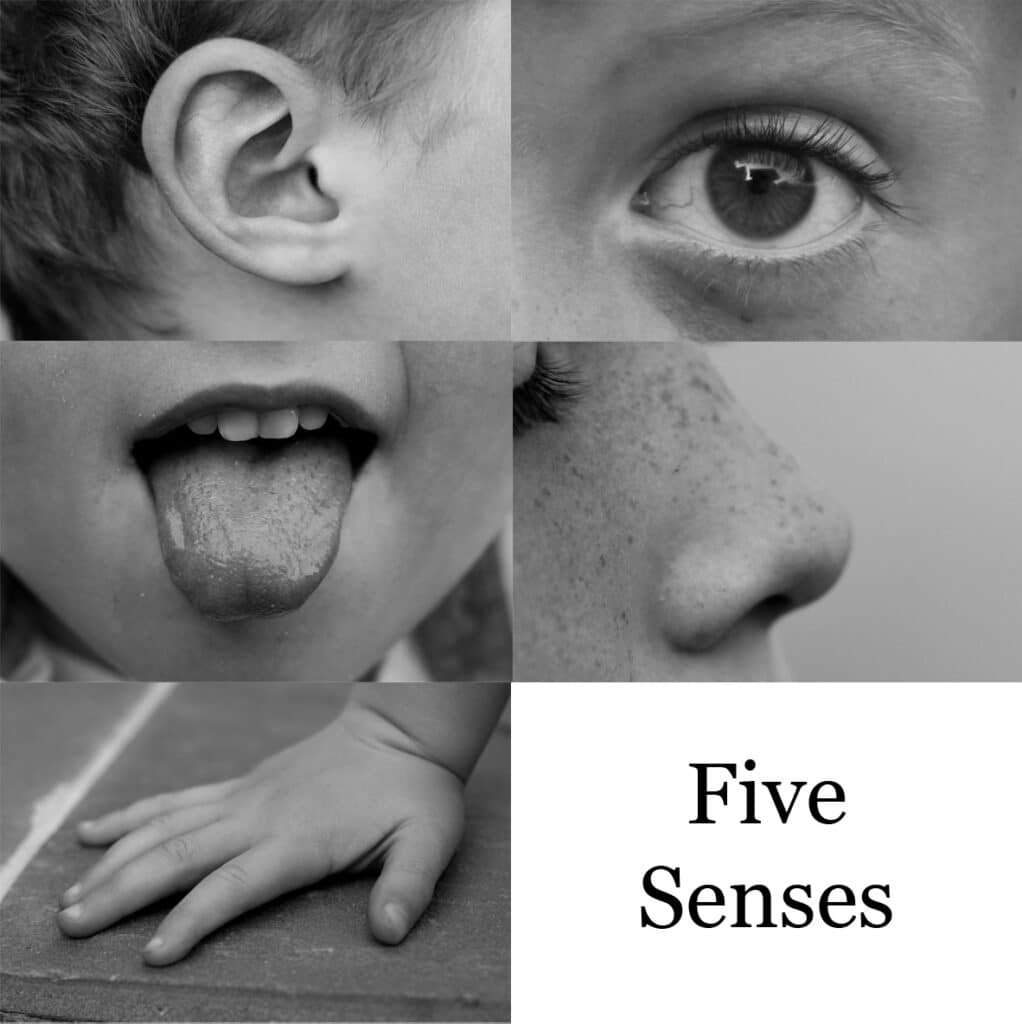
By Nicki Dugan Pogue – https://www.flickr.com/photos/thenickster/3667839998/, CC BY-SA 2.0, https://commons.wikimedia.org/w/index.php?curid=143687453
This technique is a rapid, reliable lifeline when dissociation, flashbacks, panic, or emotional flooding pulls you away from the present. Pause and slowly engage your senses in order. Five things you can see: Look around and name them specifically. Four things you can touch: Feel the softness of fabric against your skin, the coolness of a phone or mug, the pressure of your feet on the floor. Three things you can hear: Tune into subtle sounds—your own breathing, faint traffic, birds, the hum of a refrigerator, wind against a window. Two things you can smell: Notice nearby scents—fresh air, lingering coffee, your soap, rain on pavement, or even the neutral smell of the room itself. One thing you can taste: Notice the aftertaste in your mouth—perhaps mint, the faint sweetness of breakfast, or simply the natural taste of saliva.
Do this slowly and deliberately; it systematically reorients attention outward and downward, interrupting the trauma loop and reaffirming safety in the here-and-now.
6. Loving-Kindness Phrases: Offering Yourself Warmth

By © 2010 Jee & Rani Nature Photography (License: CC BY-SA 4.0), CC BY-SA 4.0, https://commons.wikimedia.org/w/index.php?curid=18406881
Begin with short, sincere phrases directed toward yourself: “May I feel safe,” “May I be at peace,” “May I treat myself with kindness.” If these feel too distant, start even smaller: “May this hurting part of me be held gently.” Resistance is common—notice it with curiosity rather than forcing acceptance. Regular practice gradually softens the inner critic and builds a nurturing internal presence.
7. Journaling with Curiosity, Not Judgment

By Heinrich Böll Stiftung from Berlin, Deutschland – Konferenzeindrücke, CC BY-SA 2.0, https://commons.wikimedia.org/w/index.php?curid=12061460
Create a safe space for 10–15 minutes of free writing. Prompt yourself gently: “What sensations are present in my body right now?” “What emotion is visiting?” “What might this younger part of me need?” Let words flow without correcting grammar, analyzing, or judging. This witnessing practice allows silenced feelings to surface and be met with compassion, fostering integration.
8. The Pause: Creating Space Before Reacting

By PEAK99 – Own work, CC BY-SA 4.0, https://commons.wikimedia.org/w/index.php?curid=77274630
In moments of trigger or stress, insert the sacred pause: one full breath cycle before speaking or acting. Ask quietly, “What’s alive in me right now?” This brief interruption disrupts automatic survival responses, opening space for choice and self-protection.
These eight ways are doorways, not destinations. Return to them as often as needed, with no pressure to “do it right.” Each moment of gentle awareness is a quiet act of love toward the self. In time, the space between pain and reaction widens, revealing the vast, steady awareness that has always been there—holding every feeling like the sky holds every cloud.