

Imagine scrolling through your feed in 2025, where a staggering 68% of Americans report feeling mentally cluttered, according to a recent Pew Research Center survey. That’s up from just a decade ago, when digital overload was only beginning to bite. Amid this haze, more people are seeking spots that promise emotional clarity, mental space, restoration. These aren’t just escapes; they’re deliberate havens where the mind can unclutter itself. From quiet trails to urban oases, such places offer a reset button for overwhelmed souls. As life accelerates, with work emails pinging at all hours and social media demanding constant attention, finding these refuges becomes essential. They remind us that restoration isn’t a luxury. It’s a necessity for navigating modern pressures.
1. Forest Trails
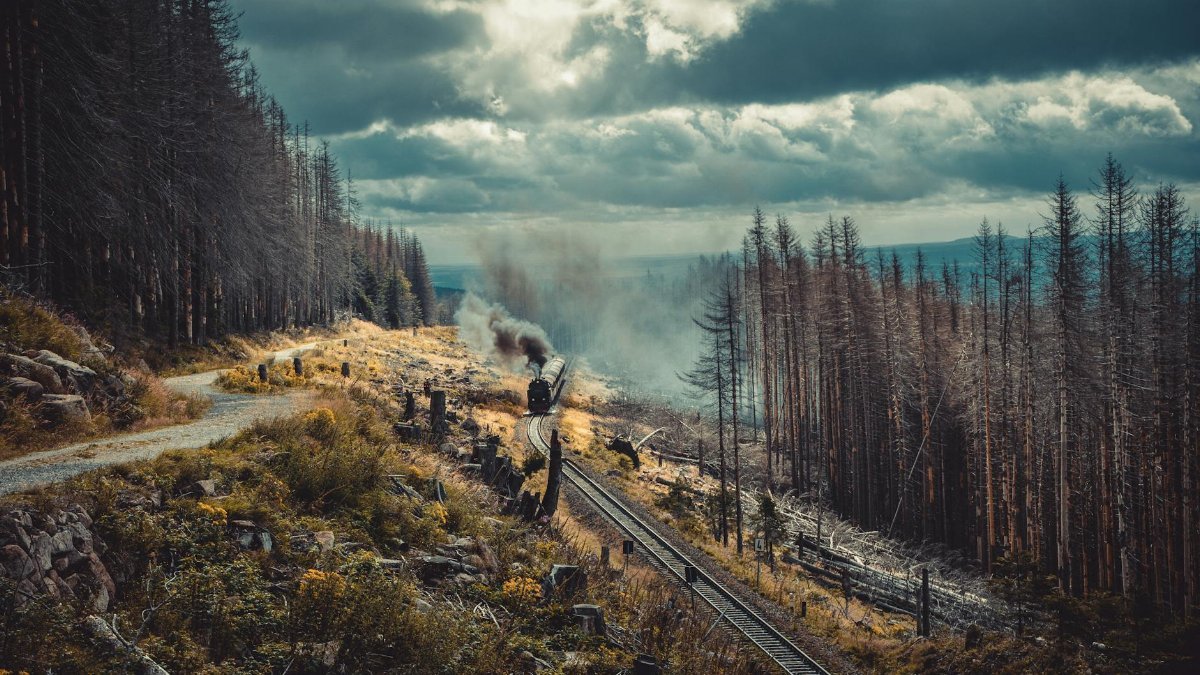
Deep in the woods, the air carries a crisp scent of pine and earth. Leaves rustle softly underfoot. For many, these trails represent a primal return to simplicity. Studies from the National Institutes of Health highlight how forest bathing, a practice originating in Japan but gaining traction in the U.S., reduces stress hormones like cortisol. One hiker in the Pacific Northwest described it as “peeling away layers of worry until only calm remains.” It’s not just about walking. It’s about pausing to notice the way sunlight filters through branches, creating patterns that shift with the breeze. In 2025, with urban sprawl encroaching, places like Washington’s Olympic National Forest draw crowds seeking that mental reset. Yet, the real magic happens in solitude, where thoughts untangle naturally. A NIH study on nature immersion confirms these benefits, showing improved mood and focus after even short exposures.
Consider Sarah, a mid-level manager from Chicago. She escaped to a local trail after a burnout episode. “The trees didn’t judge,” she recalled. “They just stood there, steady.” Her story echoes a common thread in online discussions, where people share how such outings rebuild inner peace.
2. Beach Shores

Waves crash rhythmically, pulling back with a sigh. The horizon stretches endlessly. Beaches have long served as natural therapists, washing away mental debris. Research from the University of California shows that proximity to ocean water boosts serotonin levels, fostering emotional clarity. In coastal states like Florida or California, 2025 sees a surge in “blue mind” retreats, inspired by marine biologist Wallace J. Nichols’ work. Picture sitting on the sand at dawn, feet buried in cool grains, as the salt air clears your head. It’s a space where problems seem smaller against the vast sea.
One anonymous account from a public forum captured it vividly: after a tough divorce, the poster found solace watching tides erase footprints. “It mirrored how I needed to let go,” they wrote. This isn’t escapism. It’s active restoration, grounded in sensory immersion. A UC Davis report on coastal health benefits underscores how these environments promote mental space by reducing anxiety.
3. Urban Parks

Amid city bustle, a green patch emerges like a breath. Benches invite lingering, birds chirp over traffic hum. Central Park in New York or Golden Gate Park in San Francisco exemplify how urban oases carve out mental space. A 2025 trend report from the Trust for Public Land notes a 15% increase in park visits, linked to post-pandemic recovery. Here, people jog, read, or simply stare at foliage, finding restoration amid concrete.
Start with a scene: a retiree feeds ducks, his furrowed brow smoothing as he watches ripples spread. It’s these moments that rebuild emotional clarity. Unlike remote spots, urban parks democratize access, making restoration feasible for busy professionals. The Trust for Public Land’s ParkScore index highlights how quality green spaces correlate with lower depression rates in cities.
4. Libraries

Rows of books whisper possibilities. The hush envelops like a blanket. Libraries aren’t just for reading; they’re sanctuaries for introspection. In an era of digital noise, the American Library Association reports rising attendance for quiet study areas in 2025. Flipping pages, one might stumble upon a quote that crystallizes scattered thoughts, fostering mental space.
Reflect on a young parent who ducks in during lunch breaks. Surrounded by spines of stories, she journals away frustrations. “It’s my mental gym,” she says. This ties into broader patterns where libraries evolve into wellness hubs, offering programs on mindfulness. A ALA resource on libraries and wellness details how these spaces support emotional restoration through community and solitude alike.
5. Mountain Retreats
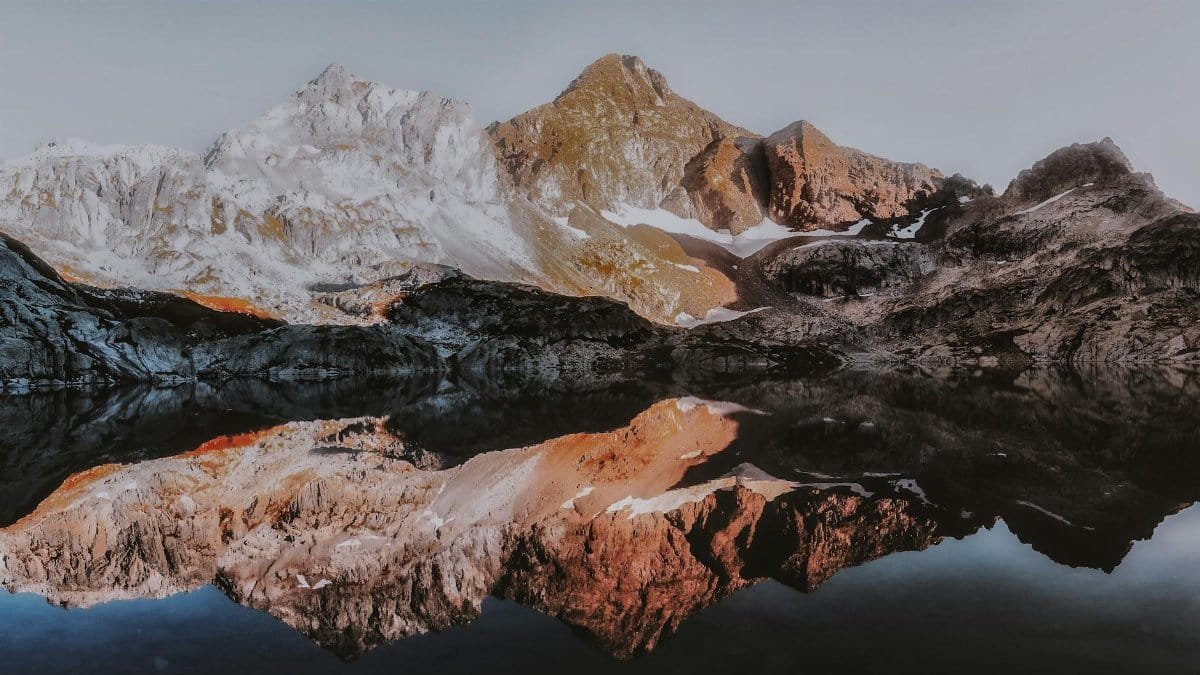
Peaks rise sharply, air thins with altitude. Hiking up, breaths come deeper, minds expand. Colorado’s Rocky Mountains or the Appalachians in the East draw seekers of elevation-induced clarity. A study from Harvard Medical School links high-altitude exposure to enhanced cognitive function, aiding emotional processing.
Envision a group of friends summiting at sunrise. Laughter mixes with awe as vistas unfold. For one, it’s a turning point after job loss: “From up here, my problems shrank.” Such narratives reveal how mountains enforce presence, stripping away distractions. In 2025, eco-tourism booms, emphasizing sustainable restoration. The Harvard Health Publishing article on altitude benefits provides evidence for these restorative effects.
6. Home Sanctuaries

Sometimes, restoration hides in plain sight. A cozy corner with a favorite chair, soft lighting, perhaps a plant or two. Americans in 2025 are redesigning personal spaces for mental health, per a Gallup poll showing home wellness investments up 20%. It’s about curating an environment that invites calm reflection.
Dive into a story: after a long day, Mark lights a candle and sinks into his reading nook. Thoughts that swirled chaotically during commutes now settle. This DIY approach democratizes emotional clarity, mental space, restoration. No travel required. Experts suggest minimalism aids this, reducing visual clutter to free the mind.
7. Art Galleries

Canvases burst with color, sculptures demand contemplation. Galleries provoke without words, stirring inner dialogues. In cities like Chicago’s Art Institute, visitors report “aha” moments of clarity. A 2025 NEA survey indicates arts engagement correlates with lower stress, making these venues unexpected restoration spots.
One visitor lingered before a abstract piece, tears welling as buried emotions surfaced. “It unlocked something,” she shared anonymously online. Galleries encourage lingering, questioning, ultimately restoring mental equilibrium. The National Endowment for the Arts research publications page explores how arts foster emotional health.
8. Lakeside Docks
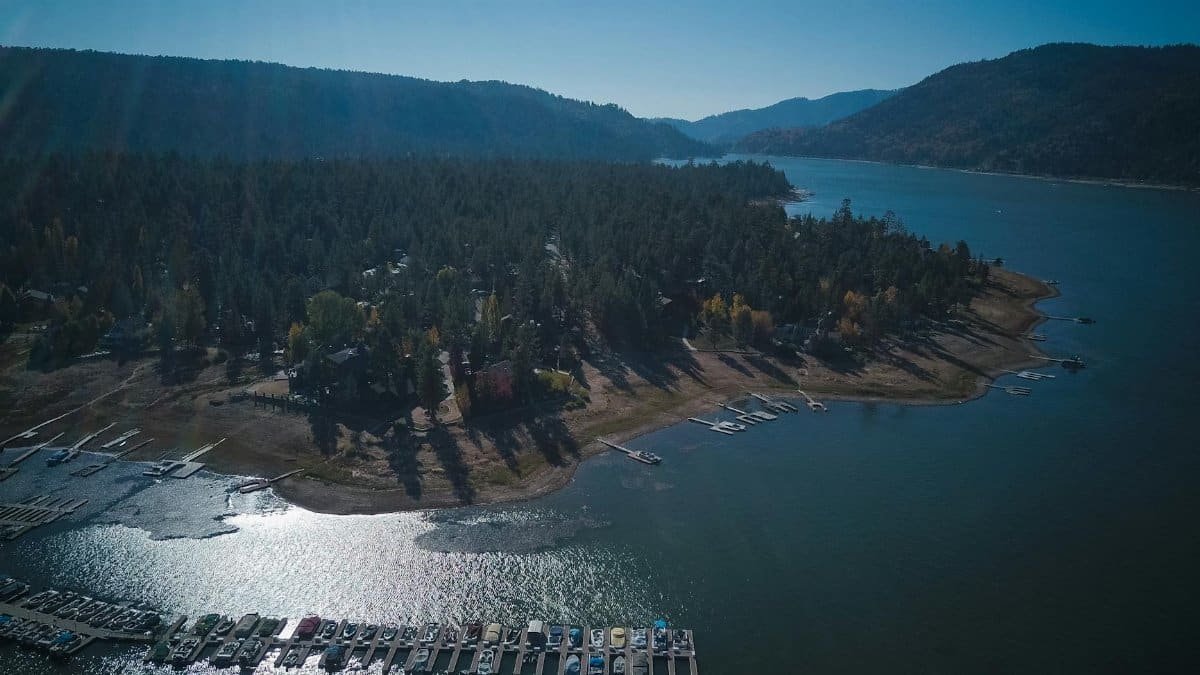
Water laps gently at wooden planks. Fishing lines dangle, or one simply sits, gazing across still surfaces. Lakes in Minnesota or the Great Lakes region offer serene backdrops for introspection. Environmental psychologists note that reflective water bodies mirror internal states, promoting mental space.
Picture an evening where fog rolls in, blurring boundaries. A writer finds words flowing after months of block. “The lake held my silence,” he reflects. In 2025, with climate awareness rising, these spots gain popularity for eco-friendly restoration. Ties to broader wellness trends emphasize sustainable engagement with nature.
9. Yoga Studios

Mats unroll, breaths synchronize. In dimly lit rooms, poses stretch both body and mind. Yoga’s U.S. popularity surges in 2025, with a CDC report showing it aids anxiety reduction. Studios become communal yet personal spaces for emotional clarity.
Begin with a class ending in savasana: participants lie still, minds drifting then clarifying. One regular, battling insomnia, found “the quiet after movement rebuilt my inner world.” This practice weaves physicality with mental restoration, creating lasting space. The CDC’s National Health Statistics Report on yoga affirms its role in mental health.
As these places illustrate, restoration often stems from intentional pauses. In a world that rarely slows, seeking them out can transform overwhelm into clarity.