

A recent study from the Pew Research Center found that nearly 60 percent of Americans now cite overwhelming daily choices as a top stressor, up from 45 percent just a decade ago. This surge highlights a growing battle with mental overload, decision fatigue, and the elusive quest for clarity. In bustling cities like New York or Los Angeles, people juggle endless decisions from what to eat for lunch to how to navigate career paths. Yet, amid this chaos, certain spots emerge as unexpected havens. They offer a break from the constant barrage, allowing minds to reset and priorities to sharpen. As we step into 2025, understanding these locations isn’t just helpful; it’s essential for reclaiming emotional safety over relentless achievement. This piece explores seven such places, drawing on insights from psychology and real-life experiences. Each one provides a unique way to ease the mental strain, fostering moments where decisions feel less daunting and thoughts clearer.
1. Forest Trails Amid Nature

Step onto a winding path in a national park, and the world simplifies. Leaves crunch underfoot, birds call faintly, and the air carries a fresh, earthy scent. Here, mental overload fades as the brain shifts from multitasking to singular focus: one step at a time. Researchers at Stanford University have shown that walking in nature reduces rumination, that endless loop of overthinking tied to decision fatigue. In one study, participants who strolled through green spaces reported sharper clarity afterward, their minds less cluttered by trivial choices.
Consider Sarah, a marketing executive from Chicago. She described her weekly hikes in the nearby forest preserves as a reset button. “It’s like the trees absorb my worries,” she said. No emails pinging, no deadlines looming; just the rhythm of breath and movement. This aligns with findings from the National Institutes of Health, which link nature exposure to lower cortisol levels. In 2025, with urban sprawl intensifying, these trails become vital refuges, reminding us that emotional safety often lies in disconnecting from the grind.
Yet, not every hike is transformative. Crowded paths can add to the noise, so seeking quieter spots enhances the effect. It’s about intentional escape, where decisions dwindle to basics like which fork to take, leading to profound mental relief.
2. Quiet Corners in Libraries

Imagine settling into a worn armchair, surrounded by towering shelves of books. The hush is palpable, broken only by the soft turn of pages. Libraries serve as sanctuaries from decision fatigue, where the pressure to choose recedes into a sea of possibilities without urgency. A report from the American Psychological Association notes that such environments promote cognitive rest, allowing the mind to wander freely and regain clarity.
One anonymous account shared online captured this essence: feeling buried under work emails, the person escaped to a local branch and emerged hours later with renewed focus. “It was like my brain finally exhaled,” they reflected. This echoes broader trends; in cities like Boston, library attendance has spiked among middle-aged professionals seeking solace from digital overload.
Diving deeper, these spaces encourage serendipity over structure. You might pick a book at random, sparking insights without the weight of deliberation. According to a study summarized by the American Psychological Association, reducing external stimuli like this bolsters decision-making resilience. As 2025 brings more remote work demands, libraries stand as timeless allies in the fight for mental clarity.
Of course, the magic lies in the quiet. Noisy study groups can disrupt, but finding that secluded nook turns the visit into a personal ritual for easing overload.
3. Seaside Retreats by the Ocean

The ocean’s roar has a way of drowning out inner turmoil. Waves crash rhythmically, pulling thoughts into a meditative flow. At beaches along the California coast or Florida’s shores, mental overload eases as the vast horizon invites perspective. Decision fatigue, that weariness from constant choices, dissipates amid the salt air and endless blue.
Take the story of a retired teacher from Seattle who visits the shore weekly. “Staring at the water, my to-do list just melts away,” he shared. It’s not escapism; it’s recalibration. Science backs this: research from the University of Exeter indicates that proximity to water enhances well-being and cognitive function, directly combating fatigue.
Why does it work? The sensory immersion—sand between toes, wind on skin—grounds the body, freeing the mind. A linked report from the Centers for Disease Control and Prevention highlights how natural sounds reduce stress, paving the way for clarity. In an era of information overload, these seaside spots remind us that emotional safety thrives in simplicity, far from achievement’s demands.
Challenges arise with crowds, but off-season visits or hidden coves amplify the peace, making clarity feel attainable again.
4. Home-Based Sanctuaries

What if relief from mental overload hides in your own living room? Creating a dedicated corner at home—a cozy chair by a window, perhaps with plants and soft lighting—transforms the familiar into a haven. Here, decision fatigue unravels without leaving the door, as routines simplify and distractions minimize.
Experts from Harvard Medical School emphasize the power of personalized spaces for mental recovery. Their studies show that consistent environments foster habit formation, reducing the cognitive load of daily choices. One middle-aged parent from Texas recounted turning a spare room into a “clarity zone,” free of screens. “It’s where I breathe,” she said, echoing a common sentiment in online discussions about home as refuge.
This approach weaves emotional safety into everyday life. No commutes, no crowds; just intentional quiet. A publication from the Harvard Health Publishing details how such setups lower anxiety, enhancing focus. As remote work blurs boundaries in 2025, these home sanctuaries become crucial for balancing achievement with inner peace.
Still, consistency matters. Neglecting the space can let clutter creep in, so regular upkeep ensures it remains a true escape.
5. Art Galleries and Museums
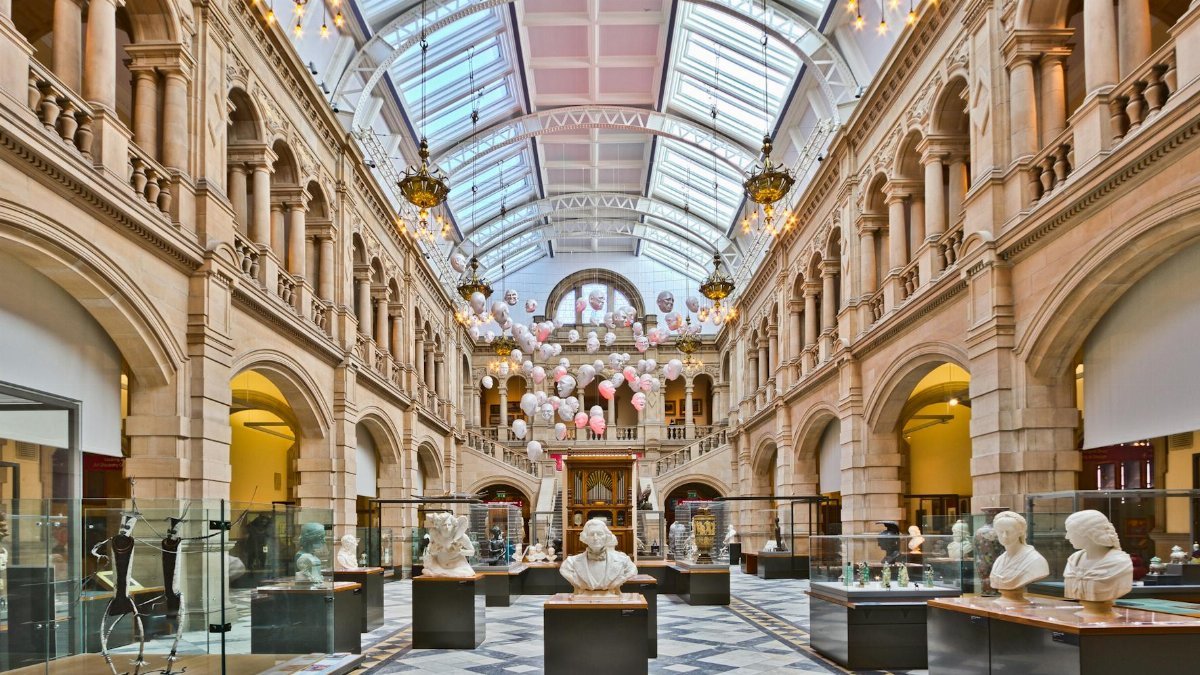
Wandering through hushed halls lined with paintings, time slows. Art galleries offer a visual respite, where mental overload gives way to contemplation. Each piece demands attention, yet without the pressure of judgment, easing decision fatigue into a gentle exploration of clarity.
In places like the Smithsonian in Washington, D.C., visitors often report a mental shift. A gallery-goer from Atlanta described it as “stepping into someone else’s world, leaving mine behind.” This immersion distracts from personal dilemmas, fostering fresh perspectives.
Psychological insights support this: a study in the Journal of Positive Psychology links art exposure to improved mood and reduced cognitive exhaustion. It’s about absorption, not analysis. Delving in, the brain rests from utilitarian choices, embracing ambiguity instead.
Yet, the experience varies. Overly crowded exhibits can heighten stress, so timing visits for quieter hours maximizes benefits. In 2025, with digital art rising, these physical spaces hold unique value for grounding overwhelmed minds.
6. Local Coffee Shops with a Twist

Not the bustling chains, but those tucked-away cafes with mismatched furniture and soft jazz. These spots invite lingering without agenda, where sipping a brew lets mental overload dissolve. Decision fatigue eases as the ambiance encourages people-watching over productivity.
One entrepreneur from Denver frequents such a place, noting how it clears his head. “No rush, just presence,” he explained. Research from the University of Chicago Booth School of Business reveals that moderate ambient noise boosts creativity, aiding clarity amid fatigue.
It’s the subtle community vibe—conversations overheard, yet optional—that provides relief. Unlike home, it offers gentle stimulation without overwhelm. As work-from-anywhere trends evolve in 2025, these cafes emerge as hybrid zones for emotional safety.
Drawbacks include peak-hour crowds, but early mornings or off-days preserve the calm, making them reliable for mental resets.
7. Meditation Centers or Yoga Studios

Enter a dimly lit room, mats aligned, and the air hums with quiet intention. Meditation centers strip away the noise of daily life, directly targeting mental overload and decision fatigue. Through guided sessions, clarity emerges from stillness, as minds learn to observe rather than react.
A participant from San Francisco shared: “After my first class, choices felt lighter.” This mirrors findings from the National Center for Complementary and Integrative Health, which affirm meditation’s role in stress reduction and enhanced focus.
The practice builds resilience, turning potential overload into manageable moments. Instructors often emphasize breath over achievement, aligning with the shift toward emotional safety. With apps and virtual options proliferating in 2025, physical studios offer irreplaceable communal energy.
Beginners might struggle with discomfort, but persistence pays off, revealing these spaces as profound allies in the pursuit of inner clarity.