

Walk down any street in bustling cities like New York or Los Angeles these days, and you might notice a subtle shift. More people seem drawn to pockets of quiet amid the chaos, seeking spaces that foster self-reflection, inner awareness, personal insight. It’s not just a fleeting trend; surveys show Americans increasingly prioritize mental clarity over constant hustle. In 2025, with digital distractions at an all-time high, these locations offer a counterbalance, inviting deeper introspection. Whether it’s the solitude of nature or the hush of a familiar room, such spots remind us that pausing to look inward can reshape how we navigate life. This isn’t about escapism—it’s about grounding oneself in a world that rarely slows down.
1. Secluded Beaches
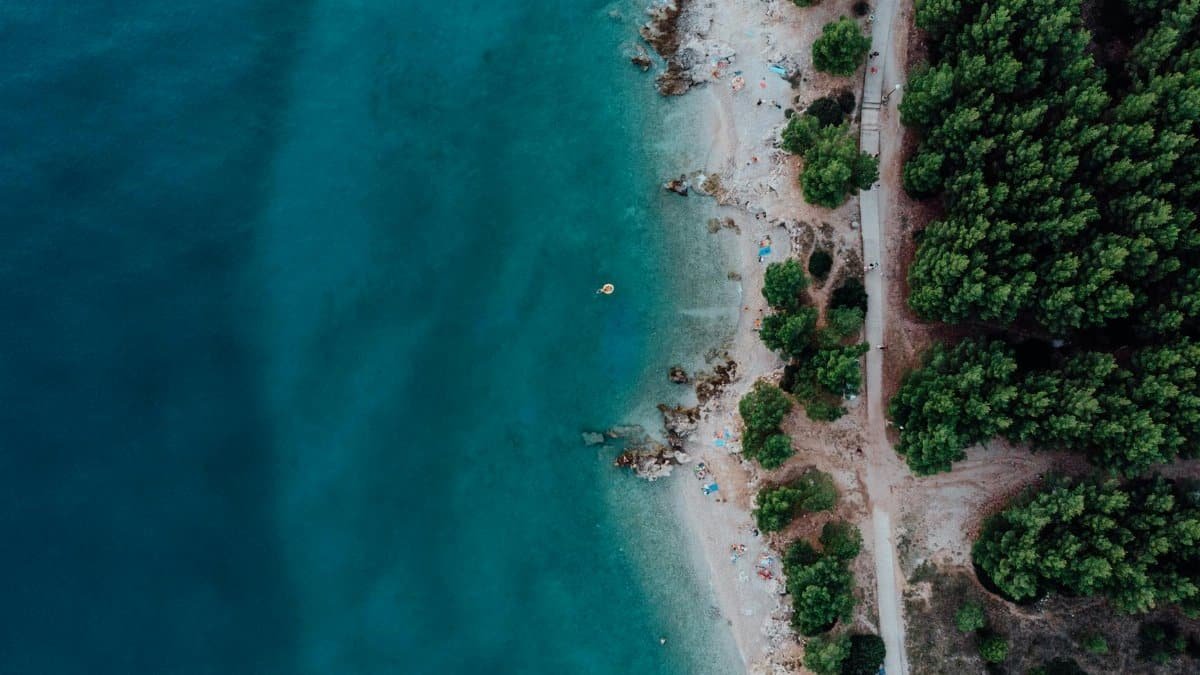
The rhythm of waves crashing against the shore has a way of pulling thoughts inward. On a quiet stretch of coastline, like those along California’s Big Sur, the vast ocean mirrors the expanse of one’s mind. Visitors often find themselves contemplating life’s ebbs and flows, far from the noise of crowds. A woman once shared anonymously online how sitting alone at dawn helped her process a career setback, the salt air sharpening her focus on what truly mattered. Research supports this: studies from the National Institutes of Health highlight how coastal environments reduce stress and enhance mindfulness, key to building inner awareness.
Yet, not every beach visit unfolds smoothly. Fog might roll in, mirroring foggy emotions, forcing a confrontation with unresolved feelings. This unpredictability adds depth, turning a simple outing into a profound exercise in personal insight.
2. Mountain Trails
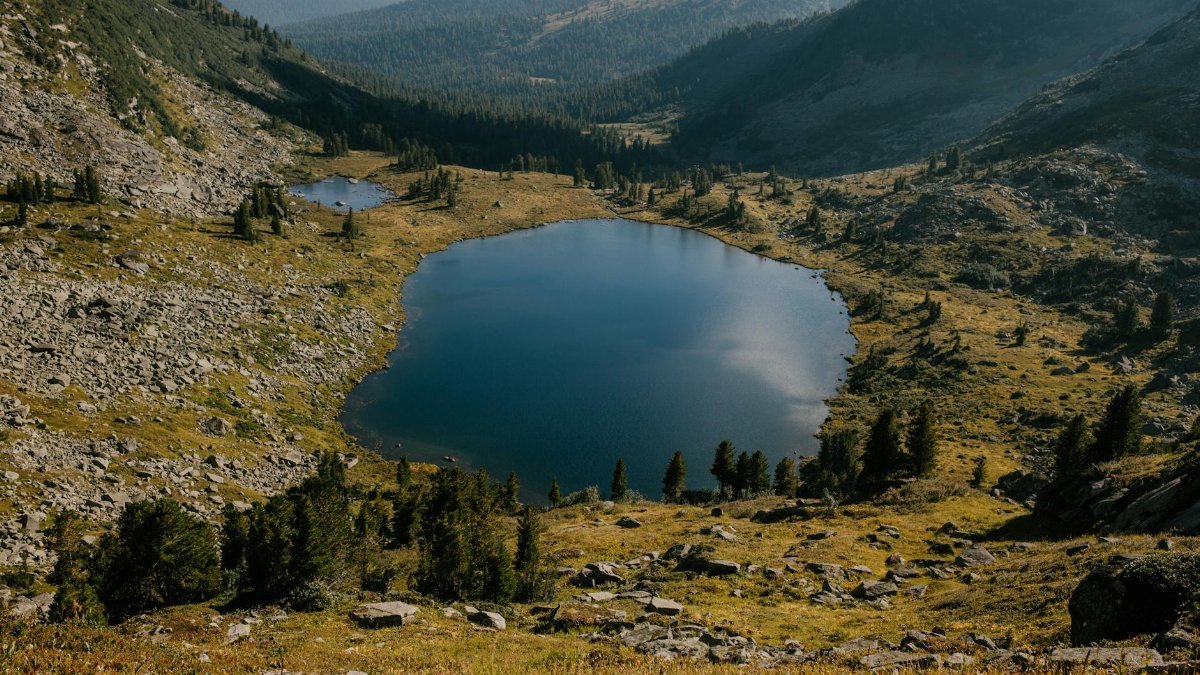
Imagine ascending a trail in the Rockies, each step a deliberate move toward clarity. The elevation gain parallels the mental climb required for self-reflection. Hikers report moments of epiphany amid the pines, where the physical challenge strips away superficial concerns. According to a report from the U.S. Forest Service, time in mountainous areas boosts cognitive restoration, aiding deeper personal insight.
One trekker described pausing at a vista, the wind whispering through the trees, as the catalyst for reevaluating long-held grudges. These paths don’t just offer views; they demand presence, weaving exertion with introspection in ways that linger long after descent.
Challenges arise too, like sudden weather shifts, reminding us that inner awareness often emerges from discomfort.
3. Public Libraries
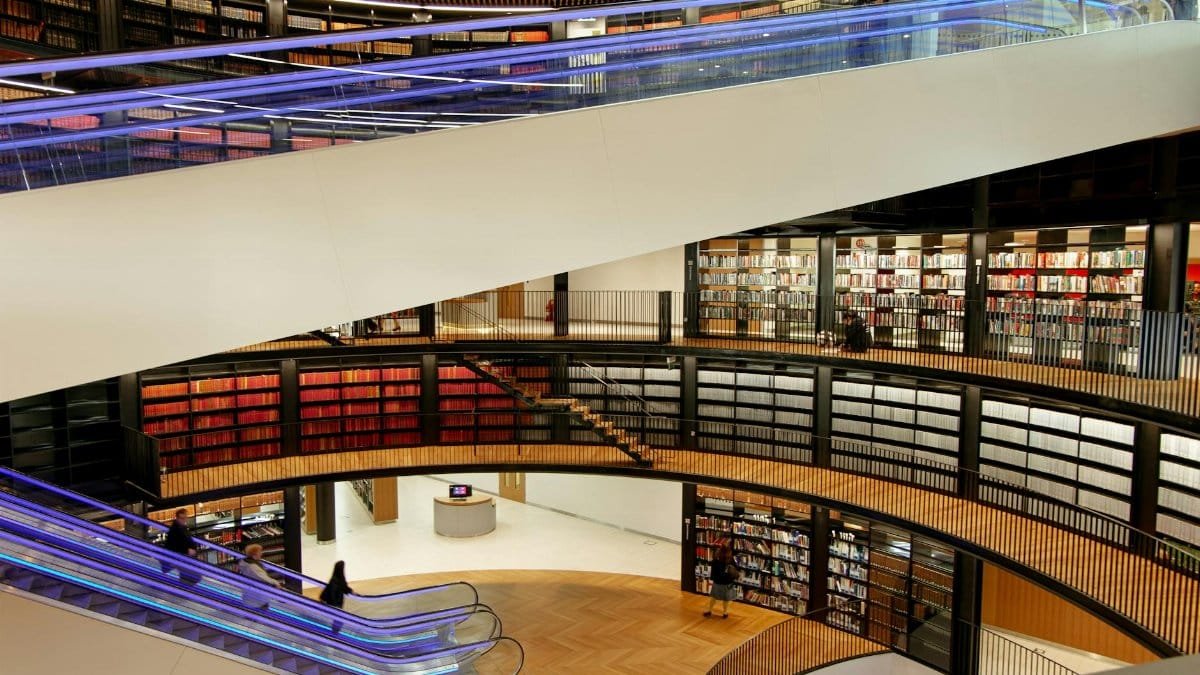
Amid stacks of books, silence reigns, inviting minds to wander freely. In places like the New York Public Library, the weight of accumulated knowledge encourages quiet contemplation. Patrons flip through pages, often stumbling upon ideas that spark self-reflection. A recent Pew Research survey notes that libraries remain vital for personal growth, with many using them for introspective pursuits in 2025.
What if a forgotten memoir on a shelf mirrors your own story? Such serendipity happened to a reader who, browsing aimlessly, found parallels to their life, leading to newfound inner awareness. Libraries democratize this process, accessible to all, blending solitude with subtle community energy.
4. Botanical Gardens

Strolling through vibrant gardens, like those in Atlanta’s botanical haven, the cycle of growth and decay prompts thoughts on personal evolution. Flowers blooming in sequence remind us of life’s phases, fostering personal insight. Sensory details—the scent of earth, the rustle of leaves—ground the experience, making abstract reflections tangible.
An anonymized account from public discussions described how tending to a wilting plant mirrored one’s emotional state, leading to a breakthrough in self-awareness. Evidence from the National Library of Medicine underscores horticultural therapy’s role in enhancing mindfulness and emotional regulation.
Yet gardens aren’t always serene; a sudden rain might disrupt the peace, mirroring life’s interruptions and teaching resilience in introspection.
5. Ancient Temples
Stepping into a temple, such as those in Sedona’s red rock landscape, the air thick with history, urges a turn inward. The architecture itself, designed for contemplation, amplifies inner awareness. Worshippers or visitors alike find the space conducive to pondering existence beyond the everyday.
Consider a traveler who sat in quiet meditation, the stone walls echoing faint chants, unlocking layers of personal insight. Studies from Harvard’s mindfulness programs suggest such sacred sites promote psychological well-being, linked here via their online resilience courses.
The blend of spirituality and solitude can overwhelm, but that’s often where true reflection begins.
6. Dense Forests
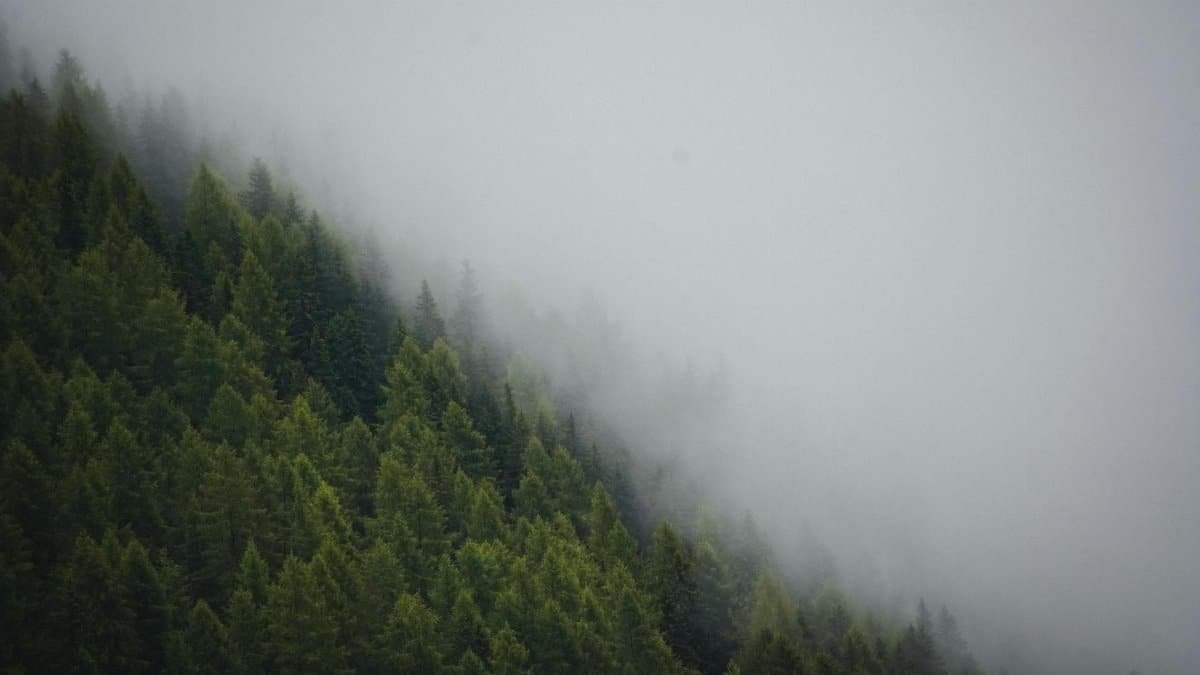
Under a canopy of ancient trees in Washington’s Olympic National Park, the forest floor muffles footsteps, allowing thoughts to surface unchecked. This immersion in nature’s density fosters a profound sense of connection to one’s inner world. Birds call sporadically, punctuating moments of clarity.
One hiker recalled emerging from the woods with a clearer vision of their goals, the seclusion acting as a natural therapist. Forest bathing, or shinrin-yoku, has backing from Japanese studies summarized by the Nature journal, showing reduced cortisol levels and heightened self-reflection.
7. Lakeside Retreats
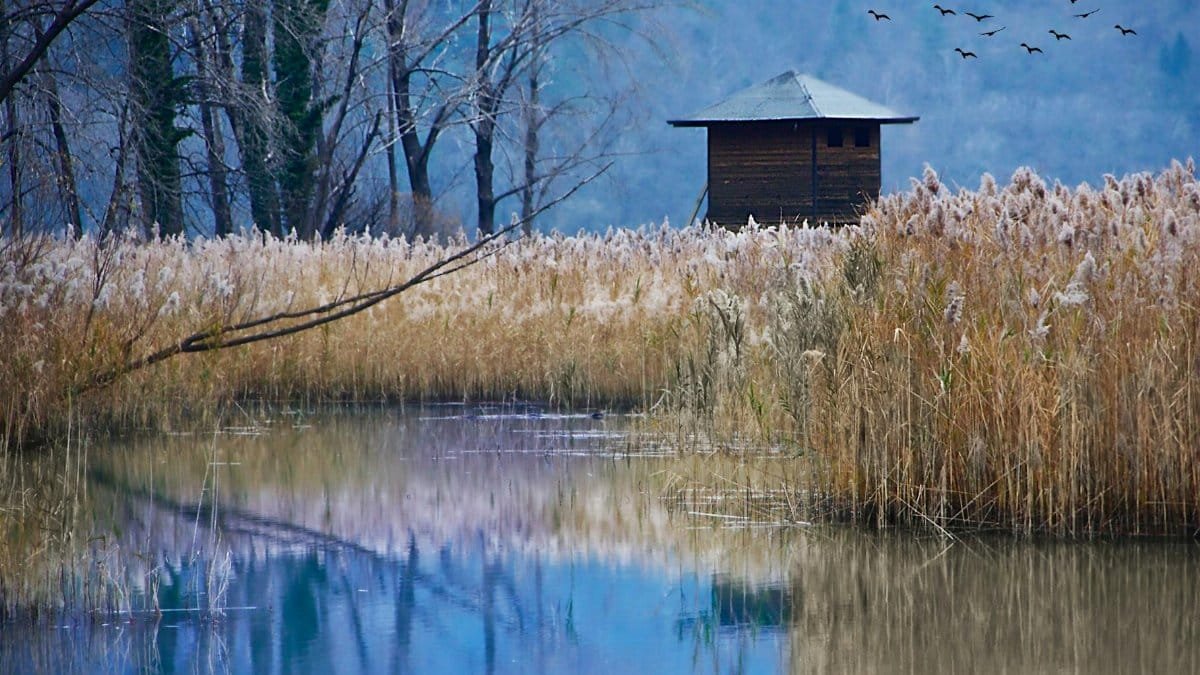
By a still lake in Minnesota’s Boundary Waters, the water’s surface acts as a mirror, both literal and metaphorical. Evenings here invite gazing at reflections, literal ones blending with internal ones. The calm encourages unpacking emotions layer by layer.
A camper shared how watching ripples fade helped process grief, leading to unexpected personal insight. Research from the American Psychological Association links water proximity to improved mood and introspection, accessible via their mindfulness resources.
Winds can stir the water, much like life’s turbulence stirs the mind, yet it all contributes to deeper awareness.
8. Desert Expanses
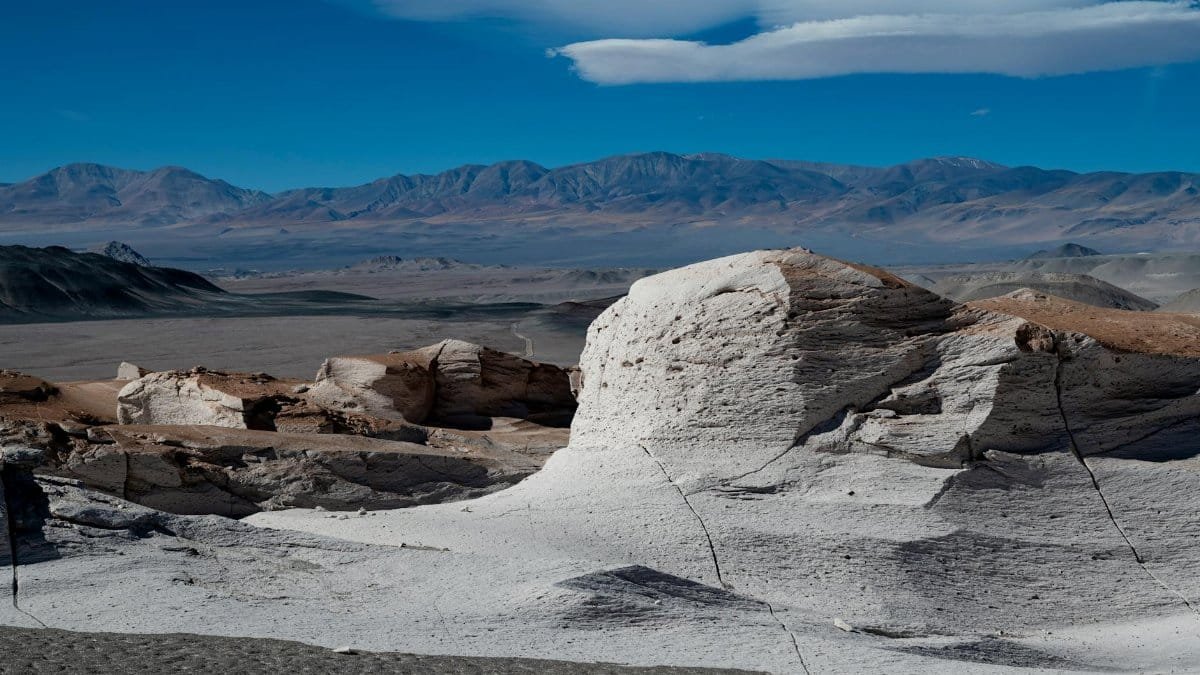
The stark beauty of Utah’s deserts, with endless horizons, strips away distractions, compelling confrontation with the self. Night skies filled with stars amplify feelings of smallness, sparking profound inner awareness.
Someone trekking alone described the silence as deafening at first, then transformative, revealing hidden strengths. NASA even notes the psychological benefits of isolation in extreme environments, paralleled in their analog studies for space missions.
Heat and isolation test limits, but they forge resilience in personal reflection.
9. Cozy Cafes
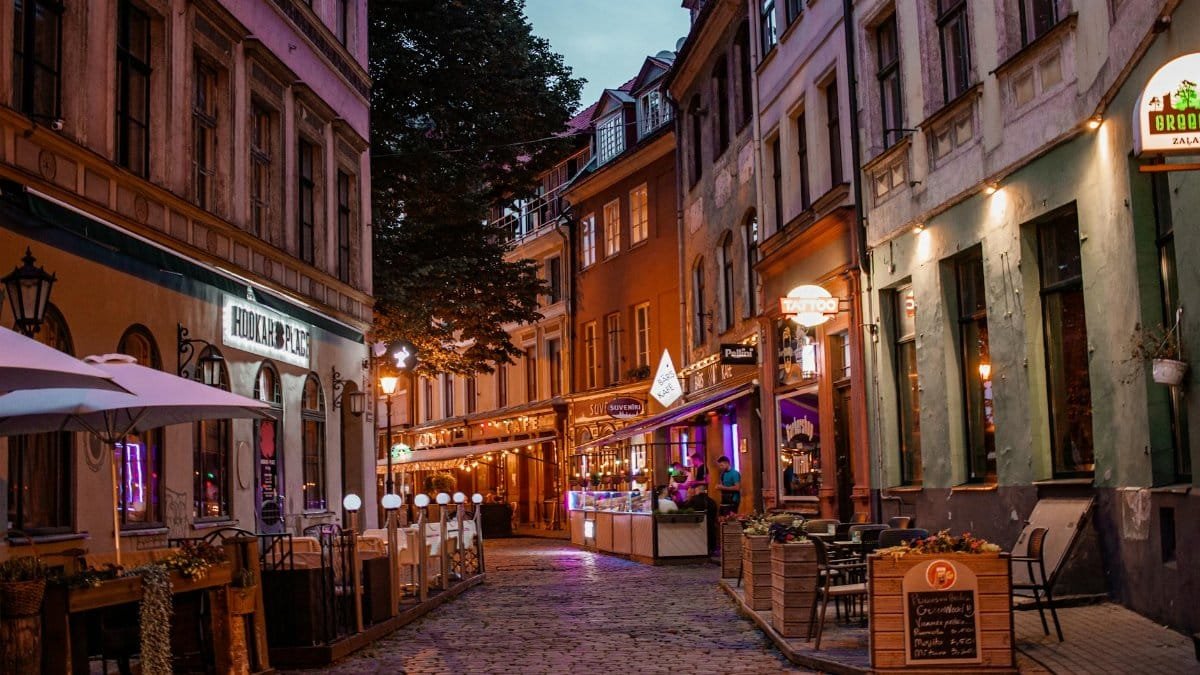
In a dimly lit cafe in Seattle, nursing a coffee, the ambient hum provides just enough background to dive into thoughts without isolation. These urban oases blend solitude with subtle observation, ideal for journaling insights.
A writer overheard snippets of conversation that echoed their dilemmas, prompting a reevaluation. Urban planning studies from MIT suggest such third spaces enhance social and self-reflection, linked through their Department of Urban Studies.
10. Home Sanctuaries

Creating a personal nook at home, perhaps a sunlit corner with cushions, turns the familiar into a haven for self-reflection. No travel required; it’s about carving out space amid daily life.
One individual transformed a spare room into a reflection spot, leading to daily habits of inner awareness. The CDC promotes home-based wellness practices in their mental health guidelines, emphasizing accessibility.
Distractions lurk nearby, but overcoming them builds discipline in personal insight.
11. Yoga Studios

Within the warm glow of a yoga studio in Chicago, poses flow into meditation, guiding practitioners toward deeper self-awareness. The collective energy, yet individual focus, creates a unique environment for insight.
A participant recounted how child’s pose brought tears and revelations about past traumas. The Mayo Clinic endorses yoga for mindfulness, detailed in their health resources.
Instructors vary, and not every session hits the mark, but persistence often yields profound personal growth in 2025’s wellness landscape.