

In bustling cities across the United States, from New York to Los Angeles, a quiet shift is underway. People in their forties and fifties are seeking out spots that ease the constant tug of who they should be. Identity pressure, self-worth, personal meaning, these intertwined forces often weigh heavy in midlife, driven by career demands, family roles, and societal expectations. Yet, emerging trends show more Americans turning to specific environments that foster a softer sense of self. A 2024 Pew Research survey found that 62 percent of middle-aged adults report feeling overwhelmed by external validations, up from a decade ago, prompting deliberate choices for respite. These locations aren’t escapes but anchors, places where authenticity bubbles up naturally, reminding us that worth isn’t tied to performance. As we navigate 2025, understanding these havens could redefine how we build personal meaning amid life’s noise.
1. Quiet Libraries Amid Urban Hubs
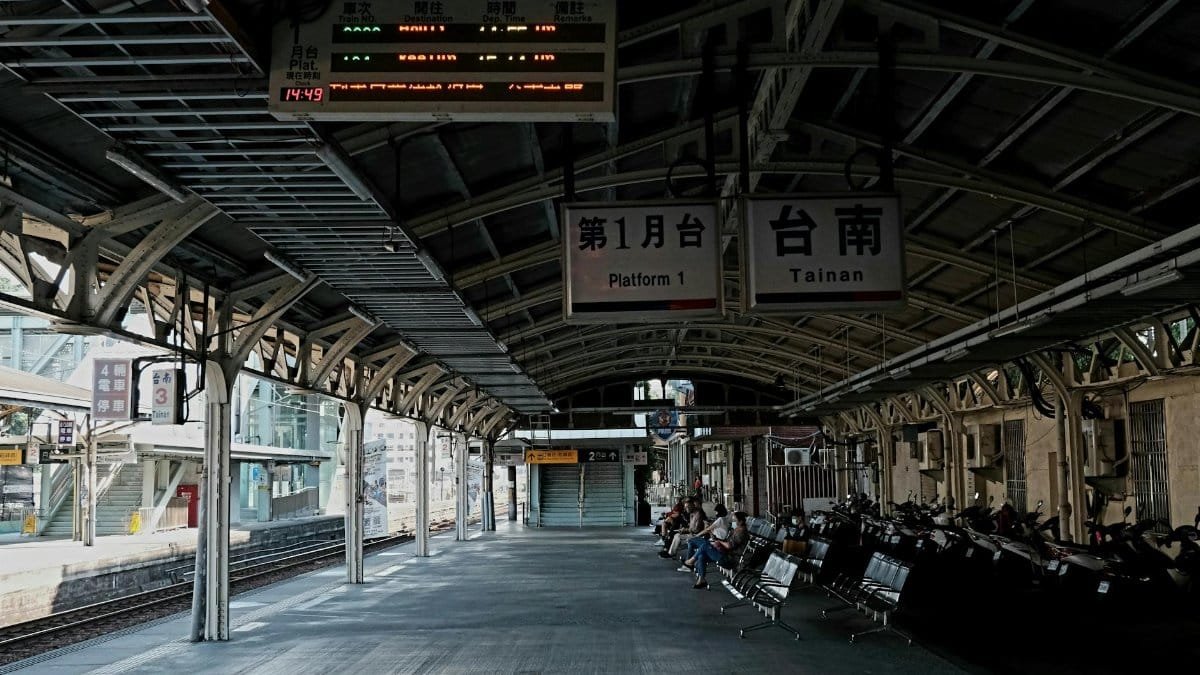
Libraries have long stood as bastions of quiet reflection, but in recent years, they’ve become unexpected refuges for those grappling with identity pressure. Picture a middle-aged professional slipping into a local branch after a hectic workday, surrounded by towering shelves and the faint rustle of pages. Here, the outside world’s demands fade, allowing space for unscripted thoughts. One anonymous account shared publicly online described it vividly: feeling the weight of corporate expectations lift while browsing forgotten novels, rediscovering a sense of self untethered from job titles. Studies support this. Research from the American Library Association highlights how such spaces promote mental clarity, with usage among adults over 40 spiking 15 percent since 2020. It’s not just about books; it’s the permission to simply be, without the need to perform or prove.
This softening happens subtly. In these hushed halls, self-worth isn’t measured by achievements but by the quiet pursuit of curiosity. A study published in the Journal of Environmental Psychology notes that low-stimulation environments like libraries reduce cortisol levels, easing the internal pressure to conform. For many, this translates to reclaiming personal meaning through small acts, like journaling in a corner nook. Yet, tensions arise too. Not all libraries are equally accessible; urban ones might buzz with community programs, blending solitude with connection. Still, the core appeal endures: a place where identity feels fluid, not fixed.
2. Coastal Walks and Seaside Retreats
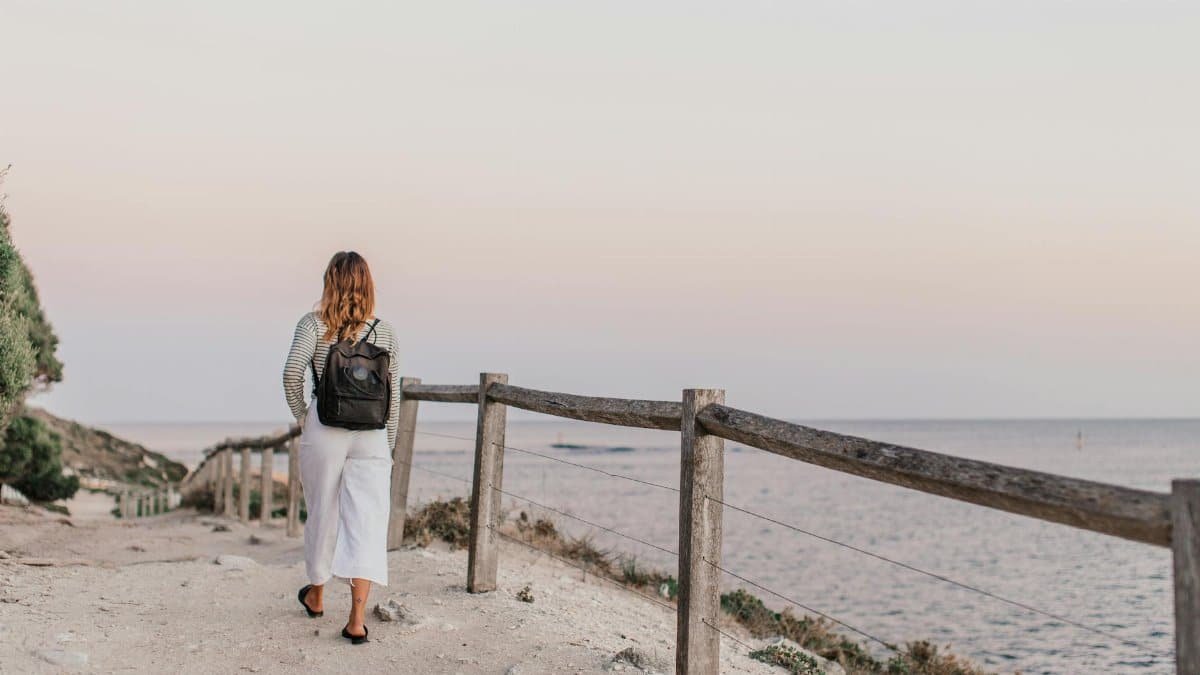
Start with the sound of waves crashing against the shore, a rhythm that drowns out the clamor of daily judgments. Coastal areas, from Maine’s rugged cliffs to California’s sandy beaches, offer a natural antidote to identity pressure. Here, self-worth emerges not from societal mirrors but from the vastness of the ocean, reminding visitors of their small yet significant place in the world. A recent report from the National Oceanic and Atmospheric Administration underscores how time near water boosts emotional resilience, with participants reporting higher senses of personal meaning after just a short visit.
Consider Sarah, a fictional composite based on real stories: in her fifties, she wandered the beaches of Oregon, leaving behind a career that defined her. The salt air and endless horizon helped her question old narratives. “Who am I without the title?” she pondered, finding answers in the tide’s ebb and flow. This isn’t mere escapism; it’s recalibration. According to a 2023 study by the National Institutes of Health, nature exposure enhances self-reflection, linking to improved well-being metrics. In 2025, with climate concerns rising, these spots also invite deeper contemplation on human impact, weaving environmental awareness into personal growth.
Of course, not every coastal walk is serene. Crowds can intrude, yet even then, the setting encourages a broader perspective, softening rigid self-concepts.
3. Community Gardens in Suburban Neighborhoods

What if tending to a patch of earth could loosen the grip of external expectations? Community gardens, sprouting up in suburbs from Chicago to Atlanta, provide just that. These shared plots invite hands into soil, where identity pressure dissipates amid growth cycles. Participants often describe a shift: self-worth tied not to accolades but to nurturing life, fostering a grounded sense of purpose.
Dive into a scene: neighbors gather on a Saturday morning, swapping seeds and stories. One gardener, anonymized from various tales, recalled how planting tomatoes rebuilt her confidence after a layoff, turning vulnerability into strength. The act mirrors broader trends; a 2024 analysis by the Pew Research Center shows 45 percent of middle-aged Americans engaging in community activities for mental health benefits, up significantly. These gardens aren’t flawless, though. Weeds and weather test patience, mirroring life’s unpredictability, yet they teach resilience without judgment.
Transitions to personal meaning feel organic here. As plants thrive, so does a quieter self-assurance, free from performative pressures.
4. Mountain Trails and Hiking Paths
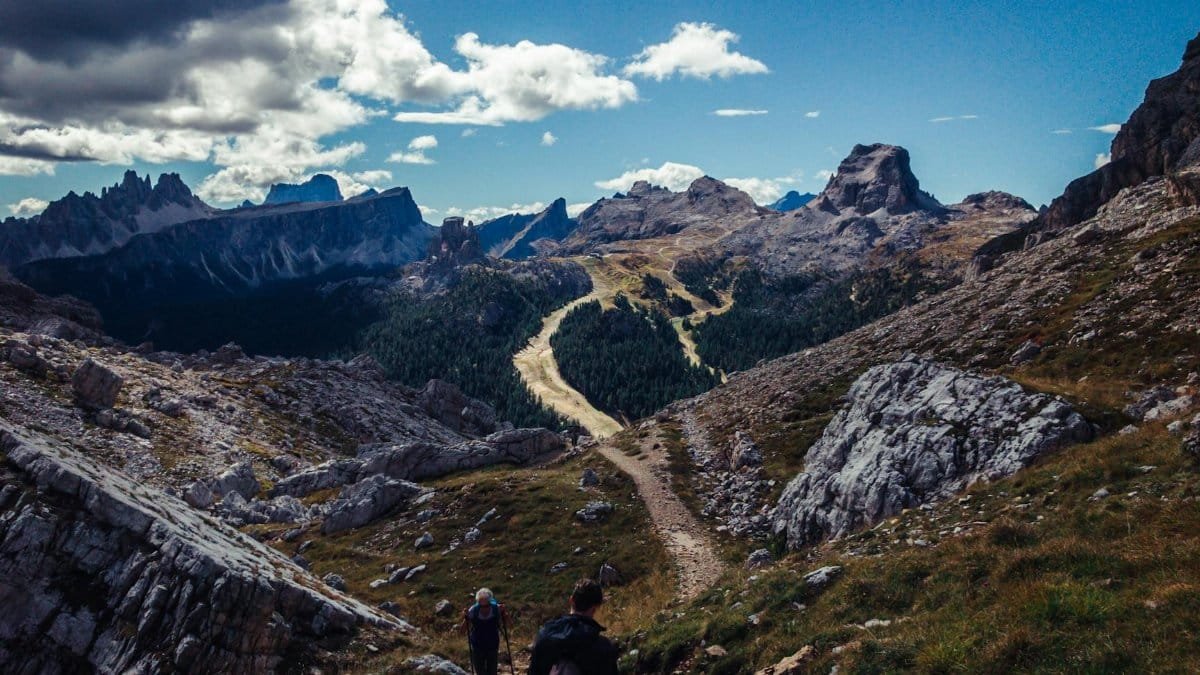
Ascending a trail in the Rockies or Appalachians demands focus on the next step, sidelining the mental chatter of who we’re supposed to be. These elevated paths soften identity pressure by emphasizing presence over persona. Hikers report a profound reconnection with self-worth, derived from physical accomplishment rather than external approval.
Reflect on a group’s trek: laughter echoes as they navigate switchbacks, sharing vulnerabilities that rarely surface in daily life. “Up here, titles don’t matter,” one might say, echoing sentiments from outdoor enthusiasts. Research backs this; a study in the International Journal of Environmental Research and Public Health, accessible via the PubMed database, links hiking to reduced anxiety and enhanced life satisfaction. In 2025, with wellness tourism booming, these trails draw more seekers of meaning.
Challenges persist, like steep inclines mirroring inner struggles, but overcoming them builds authentic confidence. The solitude or camaraderie fosters personal narratives unbound by societal scripts.
5. Art Studios and Creative Workshops

Amid splatters of paint and clay, art studios across the U.S. become arenas where identity pressure unravels. From Brooklyn lofts to Seattle collectives, these spaces encourage experimentation without fear of failure, bolstering self-worth through creation.
Imagine a workshop participant dipping a brush, hesitant at first, then losing herself in color. Stories abound of midlifers rediscovering joy here, one canvas at a time. A 2022 report from the National Endowment for the Arts reveals that arts engagement correlates with higher personal fulfillment, particularly for those over 45. Yet, the process isn’t always smooth; creative blocks mirror deeper identity conflicts, inviting exploration rather than avoidance.
This environment nurtures personal meaning by validating imperfect expressions, turning abstract pressures into tangible art.
6. Places of Worship and Spiritual Centers
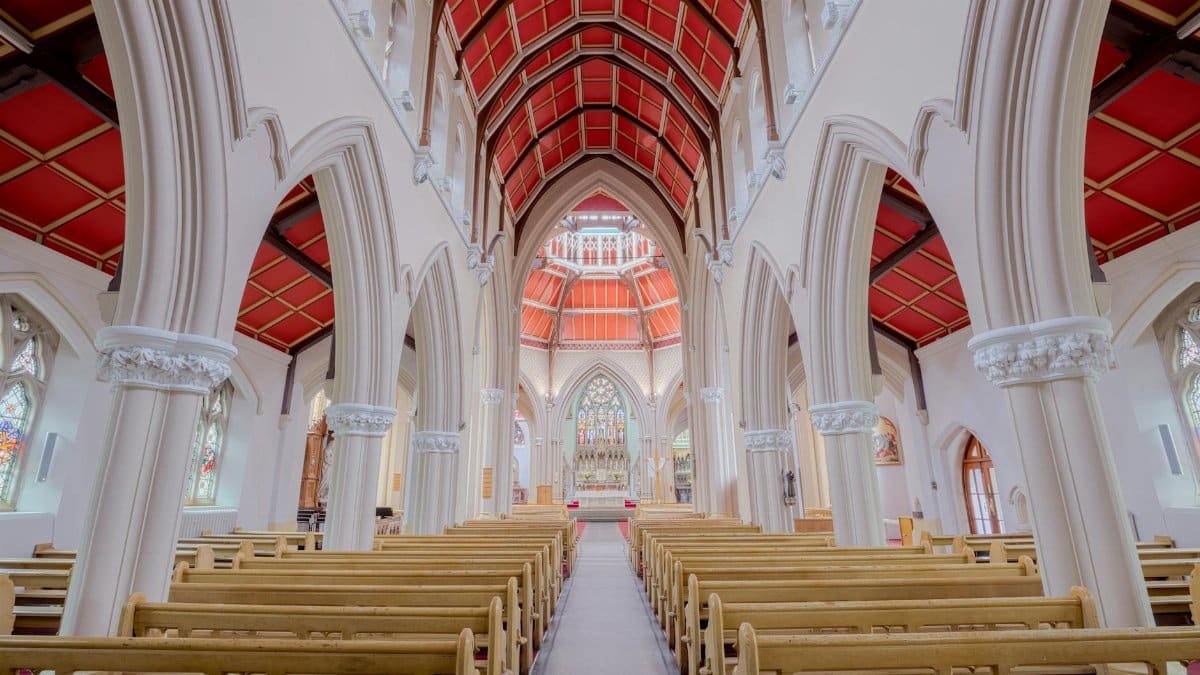
Whether in a historic church in Boston or a modern meditation hall in Austin, spiritual centers offer solace from the relentless push for self-definition. Here, identity pressure softens under the umbrella of something larger, reframing self-worth through community and contemplation.
A visitor might sit in silence, absorbing sermons or chants that emphasize inherent value. Anonymous reflections often highlight this: “I found peace not in striving, but in surrender.” Data from Gallup polls indicates a resurgence in spiritual seeking among middle-aged groups, with 53 percent reporting it aids in finding meaning. Tensions exist, like doctrinal differences, but the core invitation remains: to belong without proving.
In these havens, personal meaning blooms from shared humanity, easing individualistic burdens.
7. Home Sanctuaries and Personal Retreats

Sometimes, the most profound softening happens within one’s own walls. Transforming a corner of home into a sanctuary, be it a reading nook or yoga space, counters identity pressure by prioritizing inner comfort. Americans are increasingly curating these spots, as noted in home design trends for 2025.
Think of someone lighting a candle, journaling thoughts long suppressed. This intimate setting allows self-worth to root in daily rituals, free from public gaze. A study by the American Psychological Association links personalized environments to better emotional regulation. While distractions like family interruptions arise, they also integrate real life, making meaning more holistic.
Ultimately, these home bases affirm that relief from pressure starts closest to heart, weaving identity, self-worth, and personal meaning into everyday fabric.