

A recent study from the American Psychological Association revealed that nearly 40% of U.S. adults reported experiencing high levels of emotional exhaustion in the past year, a spike attributed to ongoing societal pressures and work demands. This figure, up from 32% just five years ago, underscores a growing recognition of the need for deliberate recovery spaces. As we navigate 2025, more Americans are seeking out environments that facilitate the healing phase, emotional exhaustion, recovery—those quiet corners where burnout can finally give way to renewal. It’s not just about escaping; it’s about finding spots that actively support emotional rebuilding, from serene natural retreats to unexpected urban havens. These places offer a balm for the weary, reminding us that healing often begins with intentional surroundings.
1. Coastal Retreats and Their Calming Waves

Along the rugged shores of Maine or the sun-drenched beaches of California, coastal areas have long served as sanctuaries for those in the throes of emotional depletion. Picture a foggy morning in Acadia National Park, where the crash of waves against granite cliffs drowns out the mental noise accumulated from months of relentless stress. Researchers at the University of California have explored how ocean proximity reduces cortisol levels, essentially kickstarting the body’s recovery mechanisms. One visitor, recalling her time there, described it as “the first deep breath I’d taken in years,” her words echoing a sentiment shared in countless anonymous online reflections about rediscovering peace by the sea.
This isn’t mere escapism. Studies show that blue spaces—bodies of water like oceans or lakes—enhance mood and cognitive function, particularly during the healing phase, emotional exhaustion, recovery. A report from the American Psychological Association highlights how such environments foster mindfulness, allowing individuals to process grief or burnout without the distractions of daily life. Yet, not everyone finds solace in isolation; some thrive on the subtle community of fellow wanderers, sharing silent nods along the shoreline. The key lies in the rhythm of tides, a natural metaphor for the ebb and flow of emotional states, pulling one toward equilibrium.
Of course, accessibility varies. For urban dwellers, even a day trip to a local beach can mimic these benefits, proving that grandeur isn’t always necessary. What matters is the intentional pause, letting the salt air seep into weary bones.
2. Forest Trails Offering Quiet Solitude
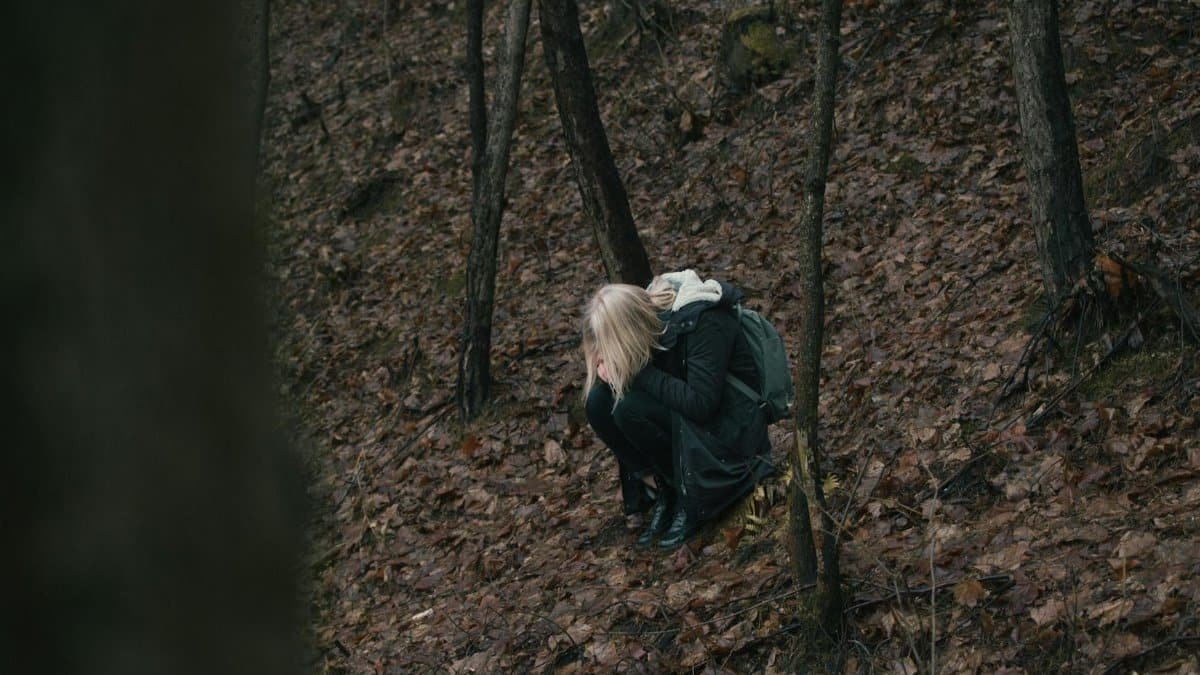
Deep in the Appalachian Mountains or the vast redwood groves of the Pacific Northwest, forests stand as timeless allies in combating emotional fatigue. Start with a simple hike: boots crunching on fallen leaves, the canopy filtering sunlight into gentle patterns on the path. This immersion, often called forest bathing or shinrin-yoku, originated in Japan but has gained traction in the U.S., with programs now offered in national parks nationwide.
Evidence from the U.S. Forest Service suggests that time in wooded areas lowers blood pressure and boosts immune function, directly aiding recovery from emotional exhaustion. One anonymized account from a public forum captured this vividly: a hiker shared how, after a career meltdown, the stillness of the trees helped unravel the knots of anxiety, turning overwhelming thoughts into manageable whispers. It’s these personal breakthroughs that highlight forests’ role in the healing phase, emotional exhaustion, recovery—providing a space where vulnerability meets nature’s indifference, fostering resilience.
But forests aren’t without their challenges. Weather can turn a restorative walk into a test of endurance, reminding us that healing isn’t always comfortable. Still, the biodiversity—birds calling, streams murmuring—creates a sensory tapestry that distracts from inner turmoil, gradually rebuilding emotional reserves. In 2025, with apps guiding users to lesser-known trails, access feels more democratized than ever.
Transitioning from the trail, one often emerges with a clearer mind, ready to face what lies beyond the woods.
3. Urban Sanctuaries in Bustling Cities
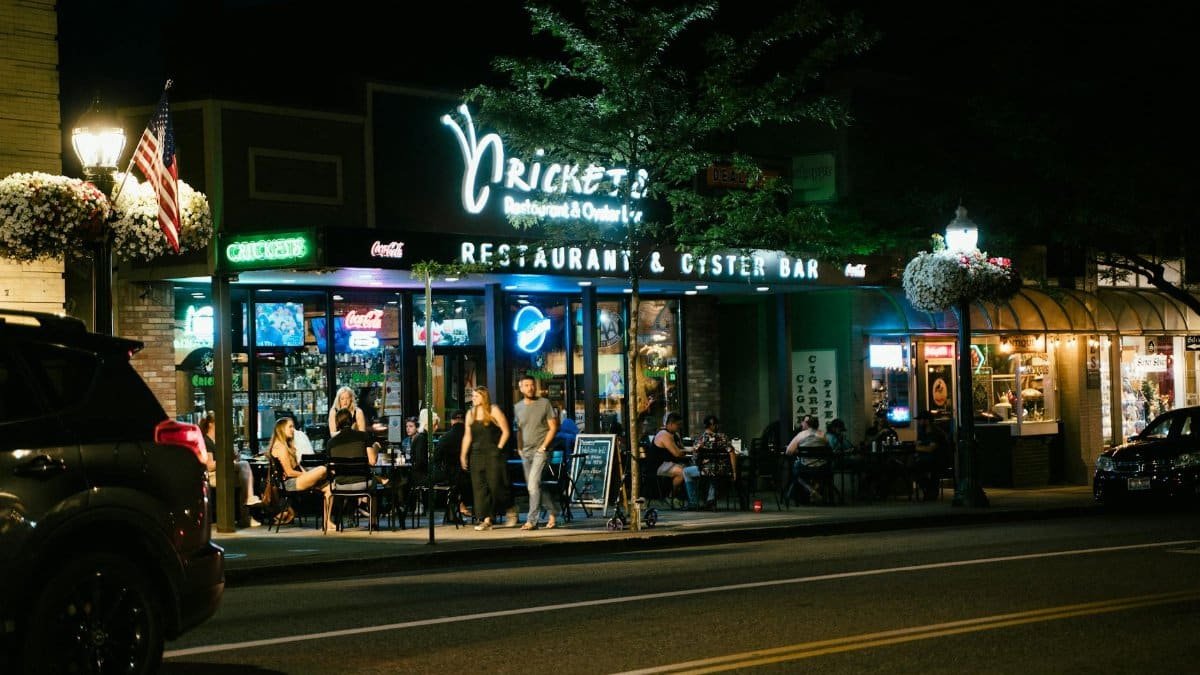
Who says healing requires leaving the city? In the heart of New York or Chicago, pockets of tranquility emerge amid the chaos—think rooftop gardens or hidden courtyards in public libraries. These urban oases flip the script on traditional recovery narratives, proving that solace can hide in plain sight. Consider the High Line in Manhattan: once an abandoned rail line, now a elevated park where wildflowers bloom alongside skyscrapers, offering a brief respite for the emotionally drained.
A study by the National Institutes of Health links urban green spaces to reduced symptoms of depression and anxiety, key elements in navigating the healing phase, emotional exhaustion, recovery. It’s fascinating how a bench overlooking traffic can become a vantage point for reflection, as one city dweller put it in a shared story: “Amid the honks and hustle, that patch of green felt like my personal reset button.” Such spots democratize healing, making it feasible for those without the luxury of travel.
Yet, these spaces demand a certain mindset. Distractions abound—street vendors, passersby—so focus becomes part of the practice. In blending nature with urban energy, they teach adaptability, a crucial skill in recovery. As cities evolve in 2025, more initiatives like community gardens are popping up, turning concrete jungles into supportive networks.
4. Wellness Retreats with Structured Programs
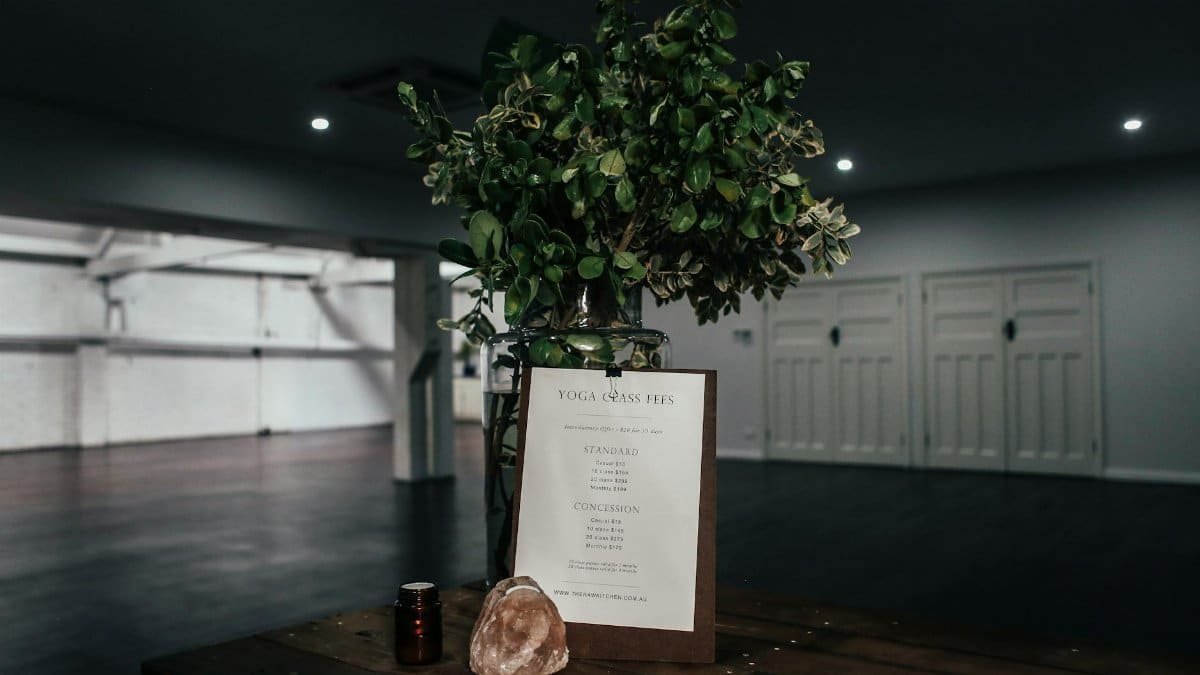
For those craving guidance, wellness retreats across the U.S.—from the deserts of Arizona to the hills of Vermont—provide structured paths out of emotional exhaustion. Imagine arriving at a place like Miraval or Canyon Ranch, where days blend yoga sessions with therapy circles, all designed to unpack the layers of burnout. These aren’t vacations; they’re intentional interventions, often backed by licensed professionals.
Research from the Centers for Disease Control and Prevention emphasizes how such programs improve mental health outcomes, particularly through mindfulness and group support. During the healing phase, emotional exhaustion, recovery, participants report profound shifts, like one who described emerging “lighter, as if the weight of unspoken worries had been lifted through shared stories.” The communal aspect amplifies individual efforts, creating a ripple effect of empathy.
Critics might argue these retreats cater to the affluent, but scholarships and local alternatives are bridging gaps. The real draw? A schedule that enforces rest, countering the always-on culture that fuels exhaustion. Leaving such a place, many carry tools for sustained recovery, weaving them into everyday life.
This structured approach contrasts with solitary pursuits, yet both underscore the multifaceted nature of healing.
5. Home as a Personal Haven

Sometimes, the most powerful place for recovery is right at home, transformed into a sanctuary through small, deliberate changes. Dim the lights, add plants, curate a corner for journaling—these acts turn familiar walls into allies against emotional drain. In suburbs from Texas to Oregon, people are reimagining their spaces, drawing on principles of hygge or minimalism to foster calm.
A Pew Research Center analysis notes that with remote work persisting into 2025, home environments increasingly influence well-being, with many reporting better recovery when personalizing their spaces. Tying into the healing phase, emotional exhaustion, recovery, this DIY approach empowers individuals, as evidenced by a public anecdote where someone revamped their bedroom into a “no-work zone,” finally sleeping through the night after months of insomnia. It’s intimate, cost-effective, and deeply personal.
Challenges arise, though—distractions like family or chores can intrude. Overcoming them builds agency, turning home into a lab for emotional experiments. Experts suggest starting small: a daily ritual, perhaps, to signal the shift from exhaustion to renewal. Ultimately, this place reminds us that healing often circles back to where we began, fortified by intention.
As these varied locales illustrate, recovery thrives in environments that resonate personally, each offering unique threads in the tapestry of emotional restoration.