

A recent survey from the Pew Research Center found that nearly 40% of Americans who relocated in the past five years cited a desire for better work-life balance as their top reason, up from just 25% a decade ago. This shift underscores a growing trend where major transitions, life change, adaptation often lead people to prioritize personal wellbeing over career ambitions. In an era of burnout and reevaluation, individuals are seeking out new environments that foster healing and growth. Whether prompted by job loss, divorce, retirement, or simply a midlife awakening, these moves reflect a deeper quest for spaces that support emotional and physical renewal. As we navigate 2025’s uncertainties, understanding these chosen locations offers insights into how people are adapting to life’s upheavals, trading high-stakes urban hustle for calmer, more intentional settings.
1. Coastal Retreats
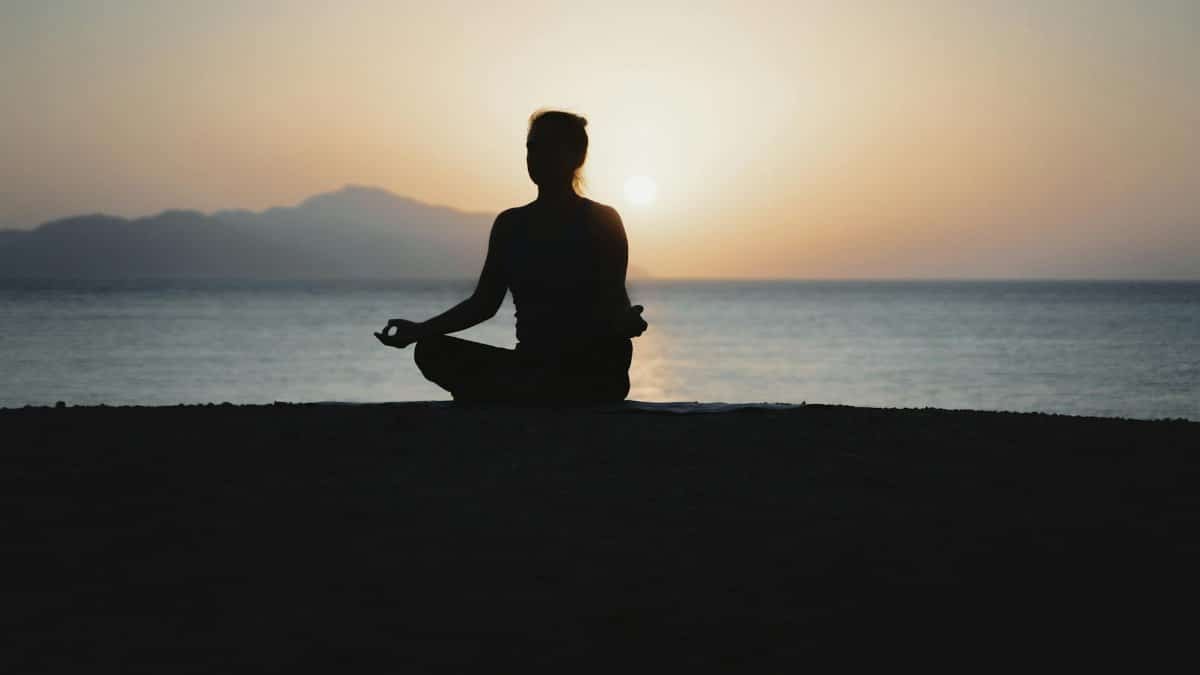
Along the rugged shores of Maine or the sun-drenched beaches of California, many find solace during times of upheaval. These coastal spots draw those weary from corporate ladders, offering the rhythmic crash of waves as a backdrop for reflection. One woman, after a messy divorce, described packing up her city apartment and heading to a small Oregon town where the ocean air seemed to wash away years of stress. She walked the beaches daily, letting the salt sting her skin and the horizon expand her perspective. Studies show such environments can lower cortisol levels, aiding adaptation. A report from the National Institutes of Health highlights how proximity to water correlates with improved mental health, making these retreats ideal for navigating life changes.
Yet it’s not all serene; adapting to isolation can challenge newcomers. Still, the pull of the sea often outweighs the hurdles, fostering resilience in unexpected ways.
2. Mountain Cabins
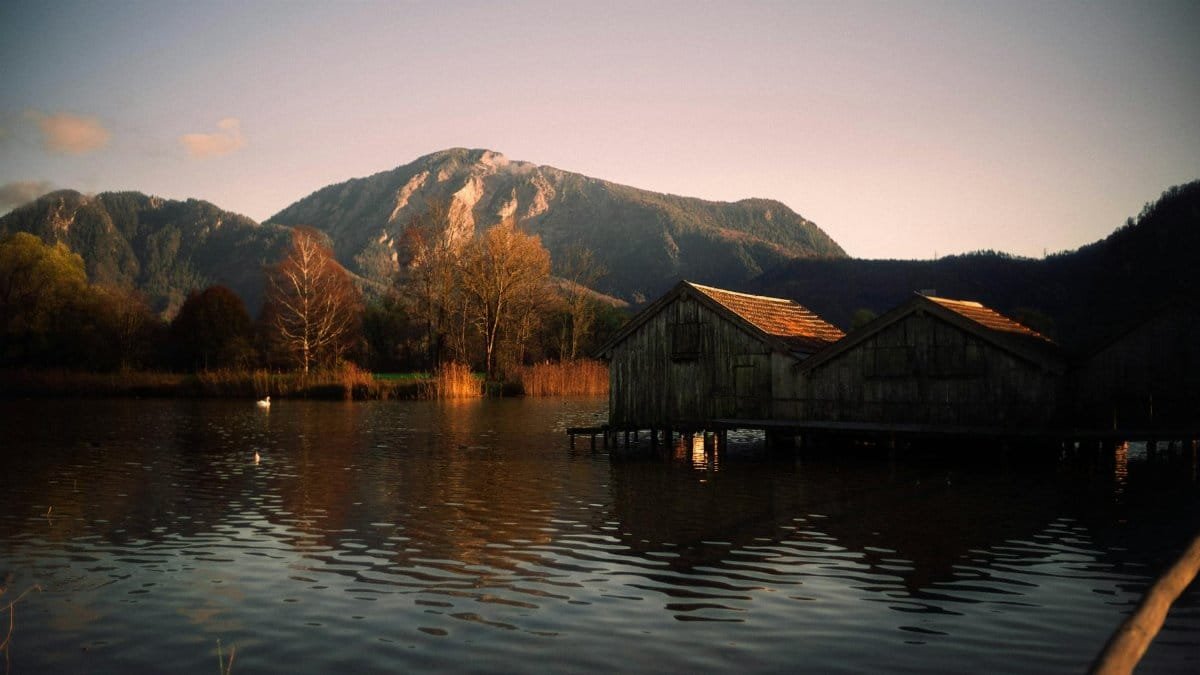
High in the Rockies or the Appalachians, cabins tucked among pines become sanctuaries for those shedding old identities. Imagine a former executive, briefcase swapped for hiking boots, breathing crisp air that sharpens the mind. He might chop wood at dawn, the axe swings echoing his internal shifts. This isn’t mere escape; it’s deliberate recalibration. Research from the U.S. Forest Service indicates forest immersion reduces anxiety, supporting major transitions through nature’s quiet therapy.
Challenges arise, like harsh winters testing resolve, but many emerge stronger, their adaptations woven into the landscape’s timeless cycles.
3. Rural Farms
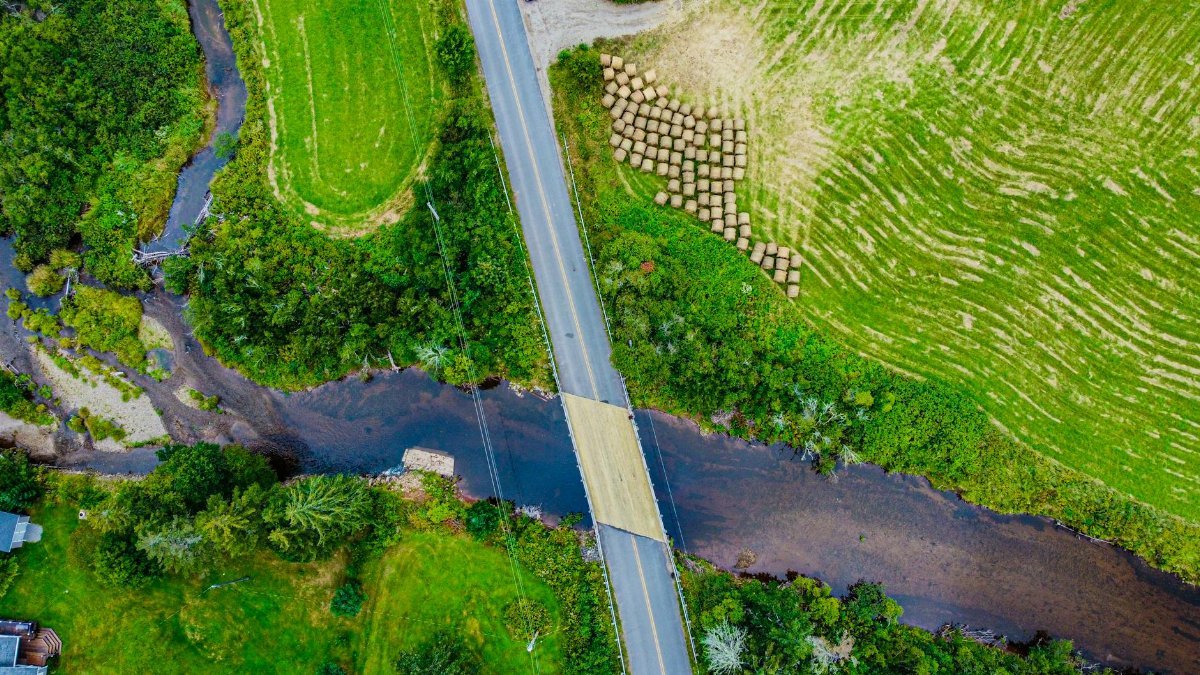
What prompts someone to trade skyscrapers for silos? For many in flux, rural farms represent a return to roots, literally and figuratively. Picture a family uprooted by economic downturn, settling on a Midwest plot where soil under fingernails replaces keyboard taps. They plant seeds, watch crops grow, mirroring their own gradual rebirth. Online discussions often reveal stories of such shifts, with one account noting how tending chickens brought unexpected joy amid grief. A study by the Centers for Disease Control and Prevention points to lower depression rates in rural areas, linked to community ties and purposeful labor.
Of course, the isolation can bite, but the rhythm of farm life often cultivates profound personal growth.
4. Suburban Enclaves
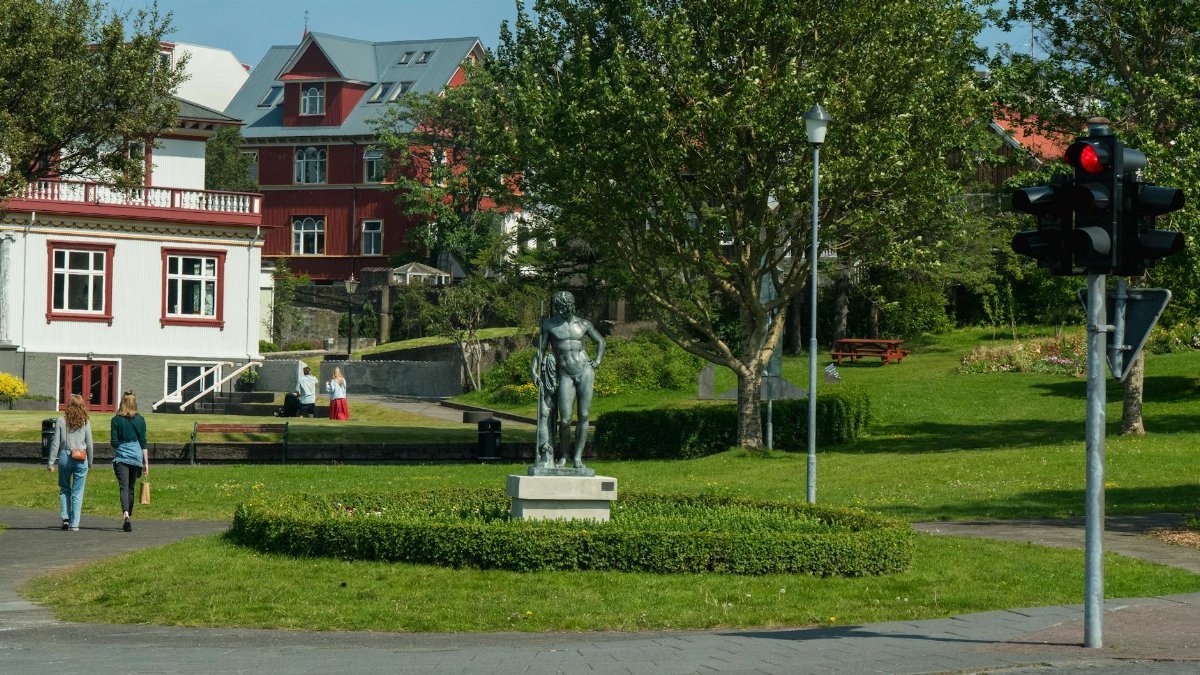
Not all transitions scream adventure; some whisper stability in tree-lined suburbs. Here, amid cul-de-sacs and community parks, people rebuild after loss. A widower might choose a quiet neighborhood in Texas, where neighbors wave and porches invite conversation. It’s a soft landing, far from the chaos of city lights. The Pew Research Center notes a surge in suburban moves post-pandemic, driven by desires for space and security during life changes.
Critics call it bland, but for adapters, it’s a canvas for quiet reinvention.
5. Urban Lofts
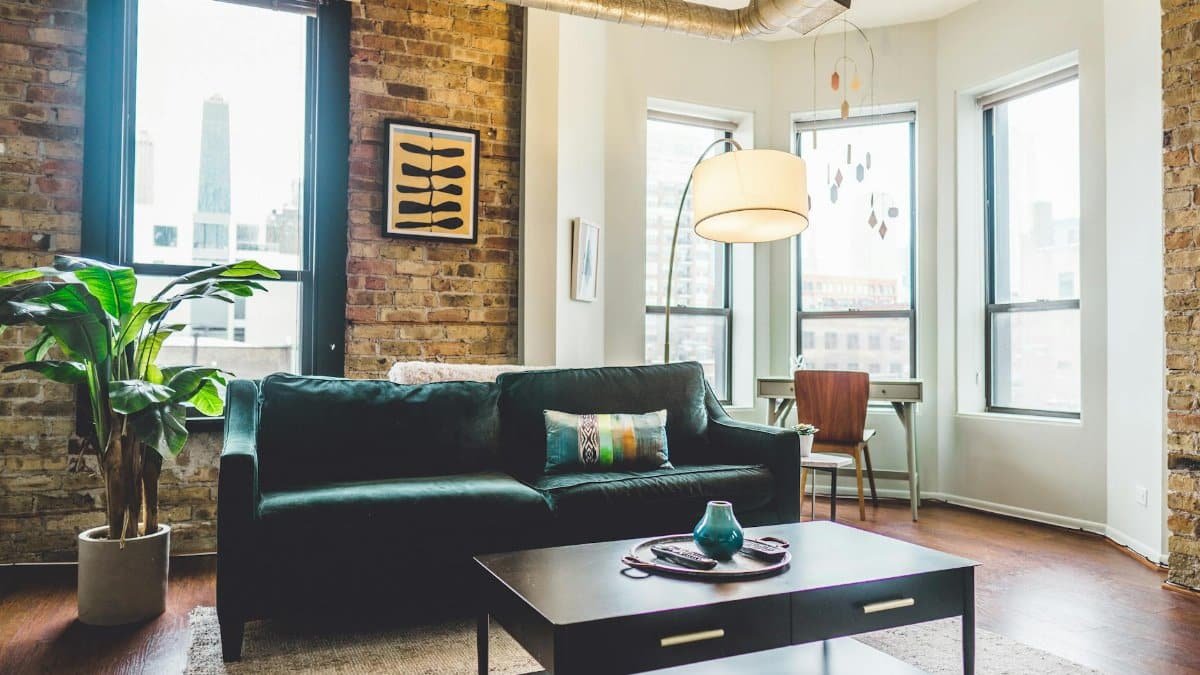
Paradoxically, some seek the buzz of cities during transitions, opting for minimalist lofts in places like Brooklyn or Seattle. Why? The energy fuels creativity amid upheaval. A young professional, post-burnout, might strip life to essentials in a high-ceilinged space, surrounded by street art and cafes. Mornings bring coffee aromas wafting up, blending with newfound routines. Yet urban density demands quick adaptation, turning chaos into catalyst.
It’s a reminder that major transitions, life change, adaptation thrive in diverse settings, each offering unique tools for growth.
6. Desert Oases
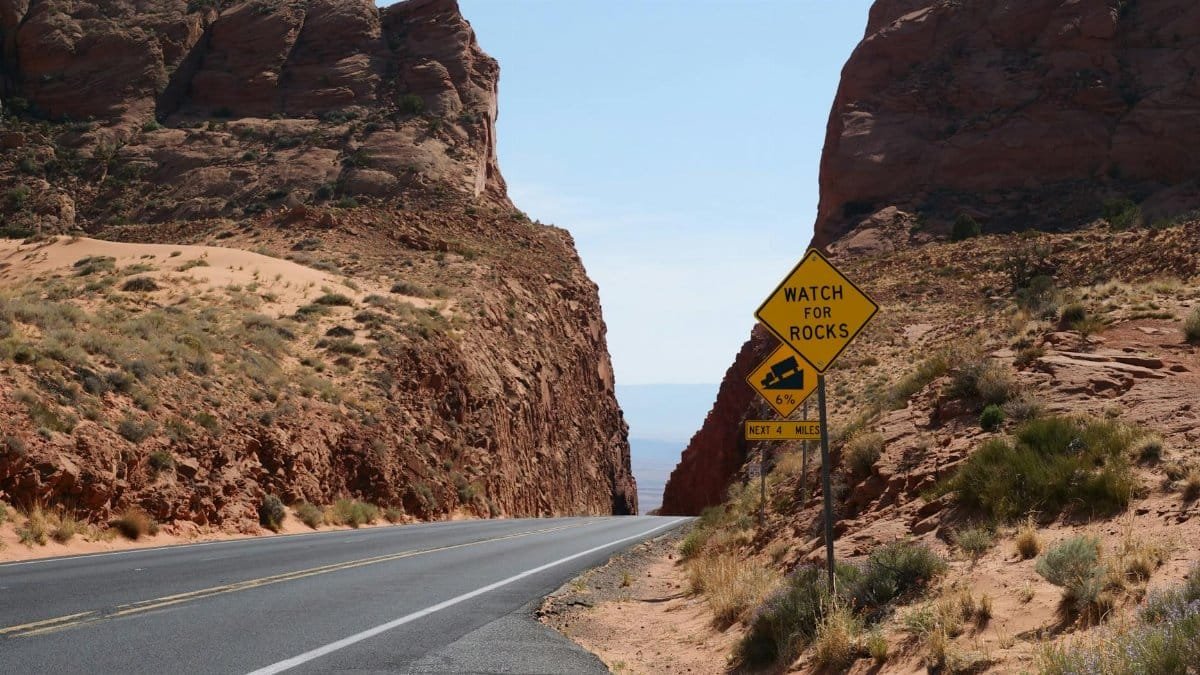
In the vast expanses of Arizona or New Mexico, desert towns lure those craving clarity. The stark beauty—red rocks glowing at sunset—forces introspection. One man, after career implosion, drove into the heat, finding solace in silent hikes where mirages mirrored his illusions. The dryness strips away excess, much like the transitions themselves. Wellness experts link such arid escapes to mindfulness benefits, echoing findings from environmental psychology.
Water scarcity poses real tests, but survivors often speak of emerging renewed, their adaptations as resilient as cacti.
7. Island Havens
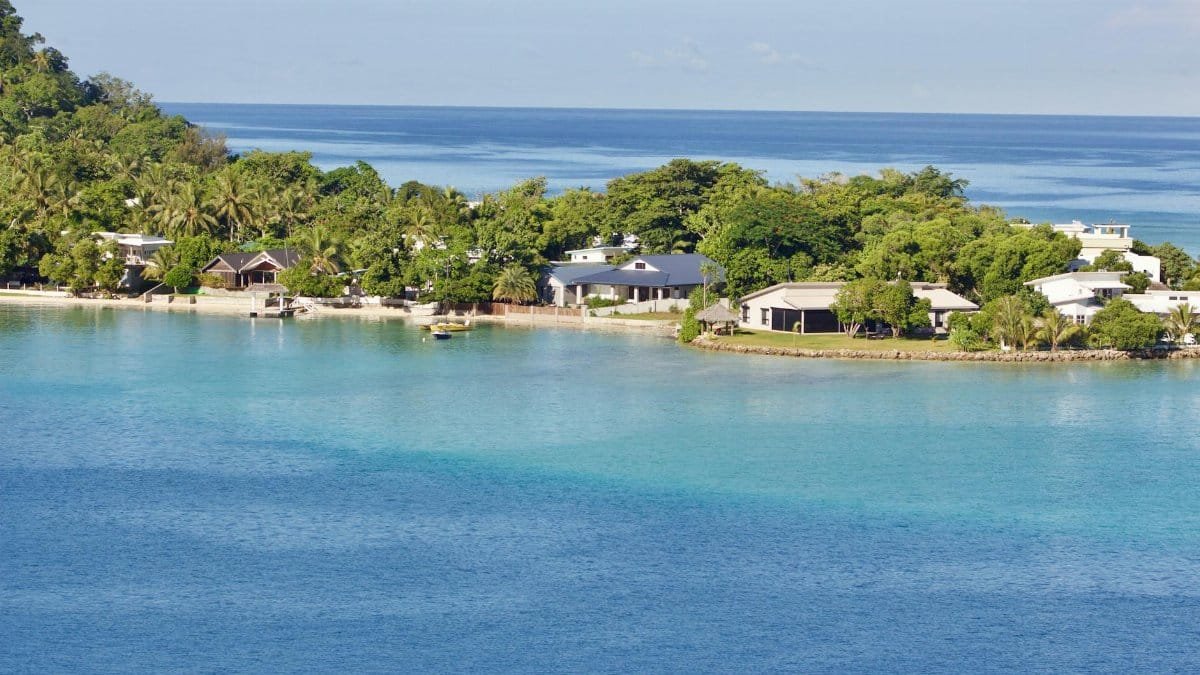
From Hawaii’s shores to the Florida Keys, islands promise insulation from mainland madness. During major life shifts, they offer literal and metaphorical separation. Envision a couple fleeing marital strife, arriving where palm fronds sway and tides dictate time. They rebuild slowly, snorkeling through coral reefs that symbolize submerged emotions surfacing. Isolation aids focus, but hurricanes remind of vulnerability.
Still, the island pace nurtures adaptation, turning isolation into strength.
8. Forest Communities
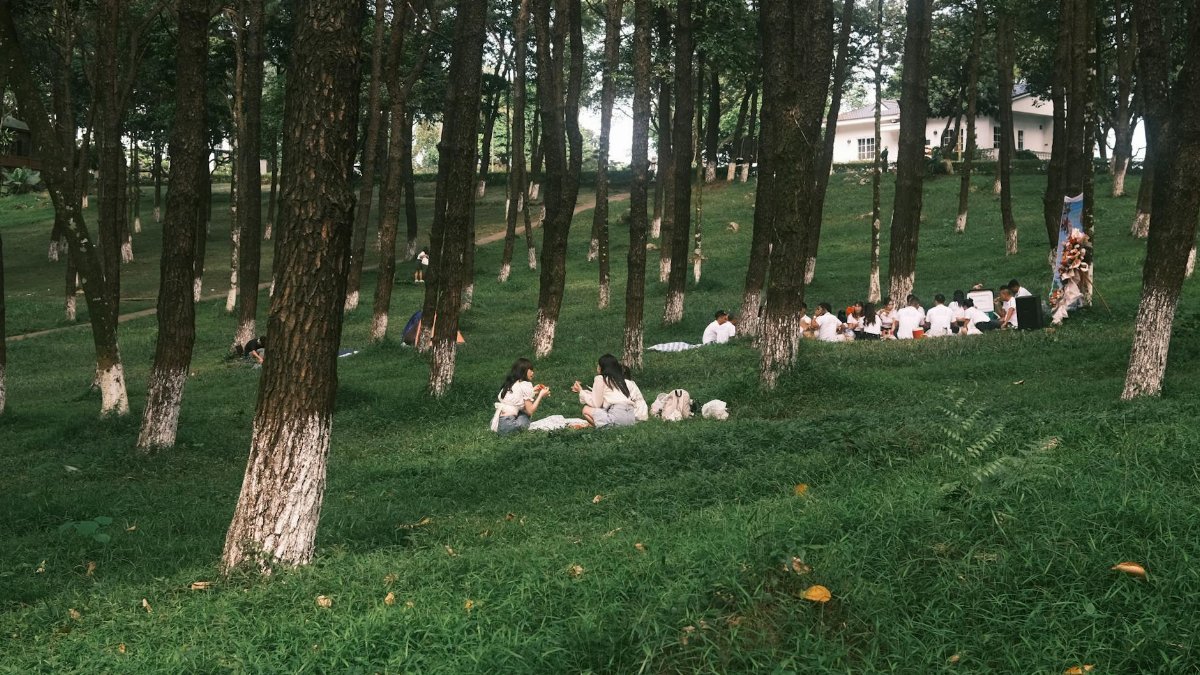
Deep in Washington’s evergreens or Vermont’s woods, intentional communities form around shared values. These spots attract transitioners seeking connection. A group of retirees might join, trading solitude for communal meals under canopy light. Laughter echoes through trees, weaving new bonds. Studies suggest such settings boost social wellbeing, vital for life change.
Tensions flare in close quarters, yet the forest’s embrace often heals divides.
9. Lakeside Towns
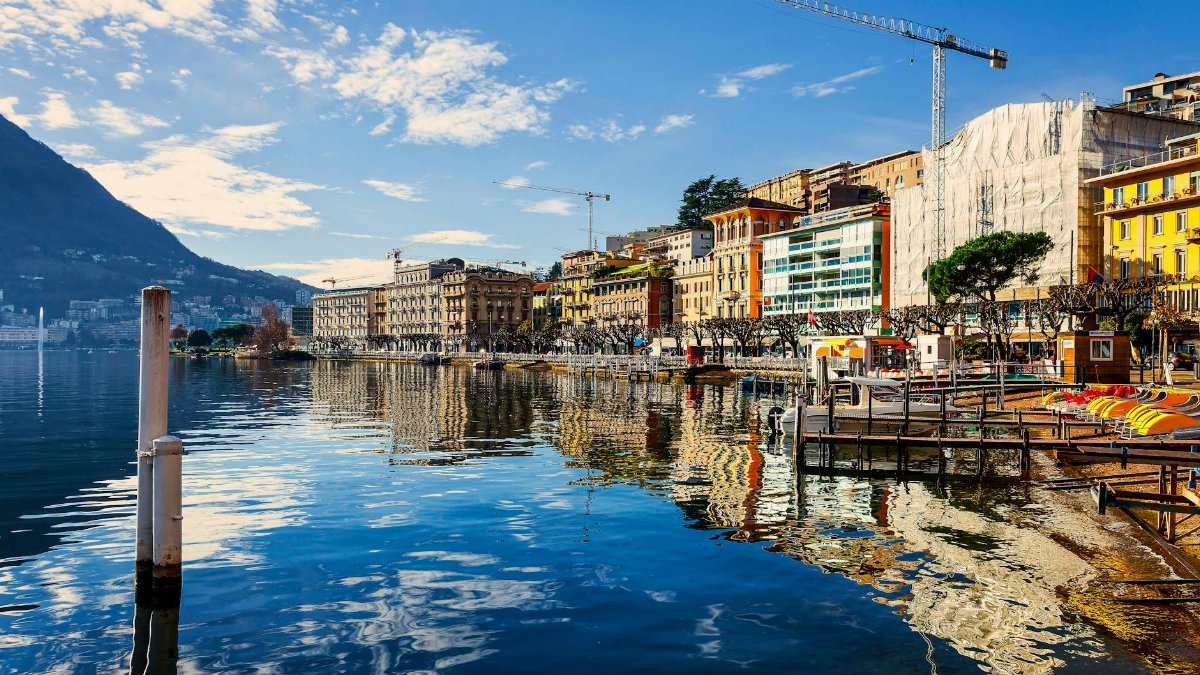
By the Great Lakes or smaller ponds in Minnesota, water’s calm draws the weary. Mornings mist over docks, inviting quiet paddles that mirror internal journeys. A teacher, post-retirement, settles here, fishing lines cast into depths of self-discovery. The seasonal changes—ice to thaw—parallel adaptation’s phases.
Winters can isolate, but spring’s renewal reinforces hope.
10. Historic Districts

In preserved neighborhoods of Charleston or New Orleans, history provides grounding. Transitions feel less daunting amid cobblestone streets and antebellum homes. A writer, escaping urban frenzy, finds inspiration in wrought-iron balconies, where past echoes inform present shifts. The blend of old and new fosters balanced adaptation.
Preservation rules constrain, but the timelessness offers anchor.
11. Eco-Villages

Finally, sustainable communities in California or Oregon embody forward-thinking escapes. Here, solar panels and permaculture gardens symbolize rebirth. One resident, after health scares, integrates into the fold, hands in earth planting futures. It’s adaptation embodied, prioritizing planet and self. Emerging trends in 2025 highlight these as hotspots for wellbeing-focused moves.
Ideals clash with realities, yet the commitment often yields profound personal evolution.
These locations, chosen amid major transitions, life change, adaptation, illustrate a broader cultural pivot. As ambition yields to wellbeing, Americans are redefining success through spaces that heal and inspire. In reflecting on these paths, we see not just geography, but the human capacity for resilient reinvention.