

In the chaos of daily life, emotional clarity, mental space, restoration often feels like a quiet harbor amid a storm, a place where thoughts settle and true feelings emerge without the noise. It’s that essential pause, allowing us to navigate stress with renewed focus. Americans today, juggling work demands and digital overload, increasingly seek such havens. A recent survey showed that over 60 percent report higher stress levels than a decade ago, pushing many toward intentional retreats. These spots aren’t just escapes; they foster deeper self-awareness. As we step into 2025, with wellness trends emphasizing mental reset, exploring specific places that aid this process becomes vital. From natural landscapes to urban nooks, they offer paths to reclaim inner peace.
1. National Parks

National parks stand as vast canvases for the mind, where towering trees and open skies invite a mental exhale. Visitors often describe the experience as stepping into a world stripped of urban clamor. Take Yellowstone, for instance, where geothermal wonders bubble up reminders of nature’s raw power. Here, one can wander trails, letting worries dissolve amid the steam. Research from the National Park Service highlights how such immersion reduces cortisol levels, promoting emotional balance. A study linked time in these parks to improved mood and clarity. One hiker shared anonymously online that after a day in the Rockies, fragmented thoughts aligned, like puzzle pieces clicking into place. It’s not just scenery; it’s a reset button for the soul.
Yet, the appeal goes beyond solitude. Group programs in parks like Yosemite encourage reflective discussions, blending community with introspection. This duality addresses a common tension: the pull between isolation and connection in seeking restoration. Shorter visits work too, with picnic spots offering quick respites. In 2025, as remote work blurs boundaries, these parks see rising attendance, per recent data. They remind us that space isn’t just physical; it’s mental territory reclaimed.
2. Beaches

Picture the rhythmic crash of waves, a sound that lulls the mind into tranquility. Beaches provide that elemental pull, where sand underfoot grounds scattered emotions. Along California’s coastline, places like Big Sur draw those craving mental space. The horizon stretches endlessly, mirroring the vastness within us. Experts note how ocean proximity triggers a relaxation response, akin to meditation. A report from the National Institutes of Health explores how blue spaces enhance well-being, linking them to lower anxiety.
One woman’s account, shared publicly without specifics, described sitting by the shore as the moment her grief untangled, wave by wave. It’s a narrative echoed in many lives, where the tide’s ebb and flow symbolizes letting go. But beaches aren’t always serene; stormy days add drama, teaching resilience. This variety keeps the experience fresh, preventing routine from dulling the restorative edge. As coastal tourism evolves in 2025, these spots remain accessible anchors for emotional clarity.
3. Libraries

What if silence itself could heal? Libraries offer hushed realms where pages turn and thoughts align. In bustling cities like New York, the public library’s reading rooms become sanctuaries from the din outside. Patrons sink into armchairs, surrounded by knowledge that sparks introspection. A Pew Research study found that library visits correlate with reduced stress, as they foster focused reflection. It’s a subtle shift, from digital overload to analog calm.
Delve deeper, and you’ll find programs like quiet reading hours that amplify this effect. One regular visitor recounted how browsing shelves cleared mental fog, revealing priorities long buried. Yet, libraries evolve; some now include meditation corners, blending tradition with modern needs. This adaptation highlights a broader trend: institutions adapting to mental health demands. In an era of constant connectivity, these spaces enforce boundaries, carving out room for restoration without fanfare.
4. Yoga Studios

Yoga studios hum with intentional breath, guiding practitioners toward inner stillness. In places like Los Angeles, classes emphasize poses that release emotional tension. The mat becomes a metaphor for stability amid life’s flux. Instructors often weave mindfulness into sessions, helping attendees cultivate mental space. According to a study in the Journal of Clinical Psychology, regular practice boosts emotional regulation, offering tools for clarity.
Start with a class observation: bodies flowing in unison, yet each person on a private journey. One participant whispered post-session that the practice untied knots of doubt, restoring a sense of self. Tensions arise too; beginners might feel exposed, but that’s part of the growth. Studios vary, from heated rooms to serene lofts, catering to different paths. As wellness integrates into daily routines in 2025, these venues democratize restoration, making it a communal pursuit.
5. Art Museums

Art museums invite wandering eyes and wandering minds, where masterpieces prompt quiet revelations. Washington’s National Gallery, with its echoing halls, allows visitors to lose themselves in color and form. A single painting can evoke forgotten emotions, clearing mental clutter. Curators note how art therapy elements seep into casual visits, supported by findings from the American Psychological Association on creativity’s role in emotional processing.
Imagine standing before a Rothko, the abstract depths pulling you inward. An anonymous online reflection described this as a breakthrough, where art mirrored inner chaos and then resolved it. Not every exhibit soothes; provocative works stir debate, adding layers to restoration. This complexity enriches the experience, encouraging repeated visits. In a visually saturated world, museums offer curated pauses, fostering the mental space needed for true clarity.
6. Coffee Shops

Coffee shops buzz with low-key energy, yet carve out corners for solitary reflection. In Seattle’s indie cafes, the aroma of fresh brews mingles with the scratch of pens on paper. These spots blend community and solitude, ideal for sorting thoughts. A Harvard study links moderate caffeine with enhanced focus, indirectly aiding emotional clarity. It’s a daily ritual turned restorative.
Observe a patron nursing a latte, journaling amid the hum. One such story, drawn from public shares, detailed how this routine dissolved workday stress, restoring perspective. Challenges exist; crowded hours can overwhelm, but off-peak times shine. As remote work persists into 2025, these hubs adapt with quiet zones. They prove that restoration doesn’t require grandeur; sometimes, it’s in the familiar steam of a mug.
7. Home Sanctuaries

Home sanctuaries transform personal spaces into havens of peace, no travel required. A cozy corner with plants and soft lighting can rival any retreat. In suburban homes across the Midwest, people curate these nooks for daily unwinding. Design experts emphasize minimalism’s role in mental decluttering, echoed in wellness guides from the Centers for Disease Control and Prevention.
Begin with a simple setup: a chair by the window, perhaps with a journal. An individual’s account highlighted how this space mended relational strains, offering mental space for empathy. Tensions? Distractions from family life intrude, yet boundaries help. This personalization makes it potent, evolving with needs. In 2025’s hybrid lifestyles, home becomes the ultimate restoration site, blending comfort with intention.
8. Mountain Trails

Mountain trails challenge and soothe, where elevation mirrors emotional highs. Colorado’s Rockies offer paths that demand presence, step by step. Hikers report a cathartic release, as exertion clears the mind. Studies from outdoor recreation journals confirm hiking’s benefits for mental health, reducing rumination.
Trace a journey: ascending through pines, breaths syncing with strides. One trekker shared that summiting dissolved lingering resentments, restoring inner harmony. But trails test limits; weather turns, forcing adaptability. This builds resilience, a key to sustained clarity. With adventure travel booming in 2025, these routes attract seekers of profound mental space, far from daily grind.
9. Botanical Gardens
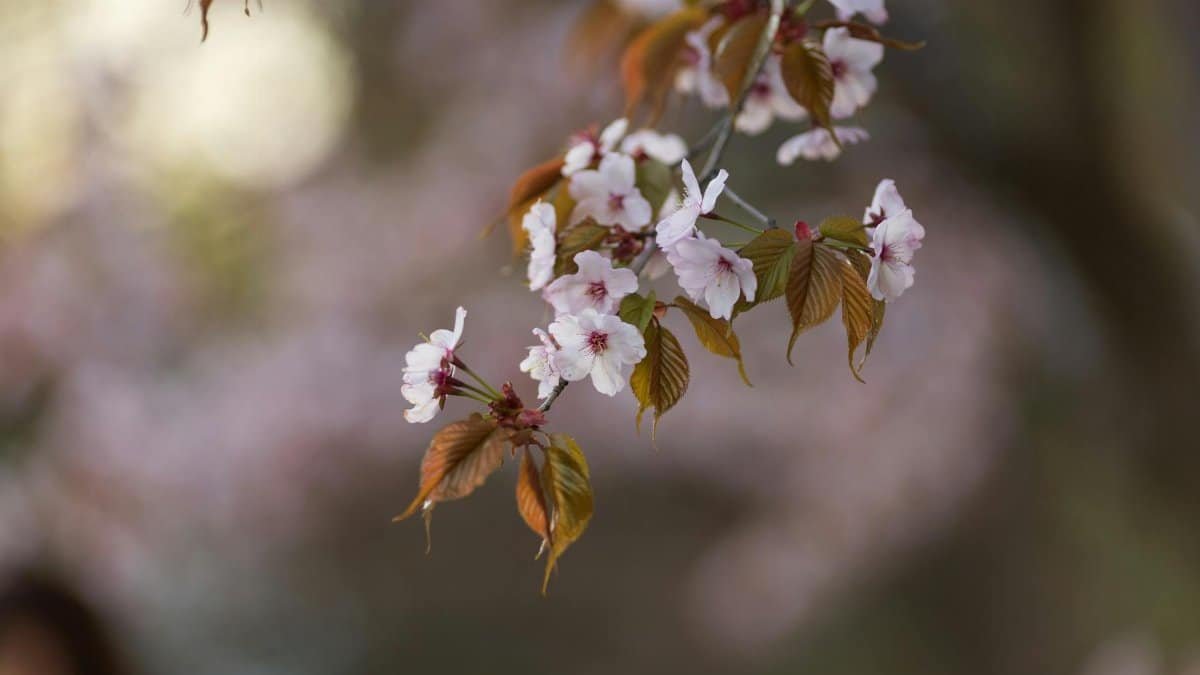
Botanical gardens bloom with life, a living tapestry for contemplation. New York’s famed gardens provide winding paths amid exotic flora, inviting slow strolls. The scents and colors stimulate senses, fostering emotional clarity. Research from environmental psychology points to green spaces’ restorative power, as detailed in urban planning reports.
Dive into a visit: butterflies flit, and worries fade. A public anecdote described how tending a small plot at home, inspired by such gardens, rebuilt confidence after loss. Yet, seasonal changes add unpredictability, mirroring life’s flux. Gardens teach acceptance, enhancing restoration. As sustainability trends grow in 2025, these oases gain popularity, offering accessible paths to mental renewal.