

Walk down the bustling streets of Seattle these days, and you might spot a growing number of folks packing up their lives, trading high-rise offices for quieter corners that promise renewal. It’s a subtle shift, driven by the upheavals of midlife—career pivots, empty nests, or health wake-up calls. A recent Pew Research Center study highlights this: nearly 40% of Americans over 40 have considered relocating in the past year, often seeking spaces that ease major transitions, life change, adaptation. This isn’t just about geography; it’s about finding environments that nurture resilience amid flux. From coastal escapes to mountain hideaways, these choices reflect a deeper quest for balance, where wellbeing edges out relentless ambition. As one anonymous online account put it, the move felt like “shedding an old skin,” capturing that raw process of recalibrating. In 2025, with remote work still reshaping possibilities, such decisions are becoming less exceptional and more essential.
1. Coastal Towns for Reflection

Coastal towns often draw those navigating divorce or loss, offering the steady rhythm of waves as a backdrop for introspection. Imagine Sarah, a 52-year-old teacher from Chicago, who after her marriage ended, rented a small bungalow in Maine. The salt air and endless horizons helped her process grief, turning walks along the shore into daily rituals of healing. Research from the American Psychological Association underscores how natural settings like these foster emotional adaptation, reducing stress hormones and promoting mindfulness. It’s not always serene; storms can mirror inner turmoil. Yet, many report a gradual shift, where the ocean’s vastness puts personal upheavals in perspective. In these spots, adaptation unfolds slowly, one tide at a time, blending solitude with community gatherings at local cafes.
Of course, not everyone arrives ready. Some struggle with isolation at first, but local support groups often bridge that gap, turning newcomers into fixtures. This location choice highlights how physical relocation can catalyze internal growth during major transitions.
2. Mountain Retreats for Solitude

“I needed space to breathe,” one hiker shared in a public forum, describing their move to Colorado’s Rockies after a corporate burnout. Mountain retreats appeal to those craving solitude amid career shifts, where crisp air and rugged trails demand focus and rebuild strength. Studies from the U.S. Forest Service show that time in elevated terrains boosts cognitive function, aiding adaptation to new life phases. Picture winding paths that lead to unexpected vistas, mirroring the unpredictable paths of change. Here, adaptation might involve learning survival skills, like foraging or hiking, which translate to emotional tools for handling uncertainty.
Challenges arise, though—harsh winters test resolve. But for many, these prove transformative, forging a quieter confidence. In 2025, with mental health awareness rising, such retreats are seeing influxes of midlifers seeking not escape, but recalibration.
3. Suburban Neighborhoods for Stability
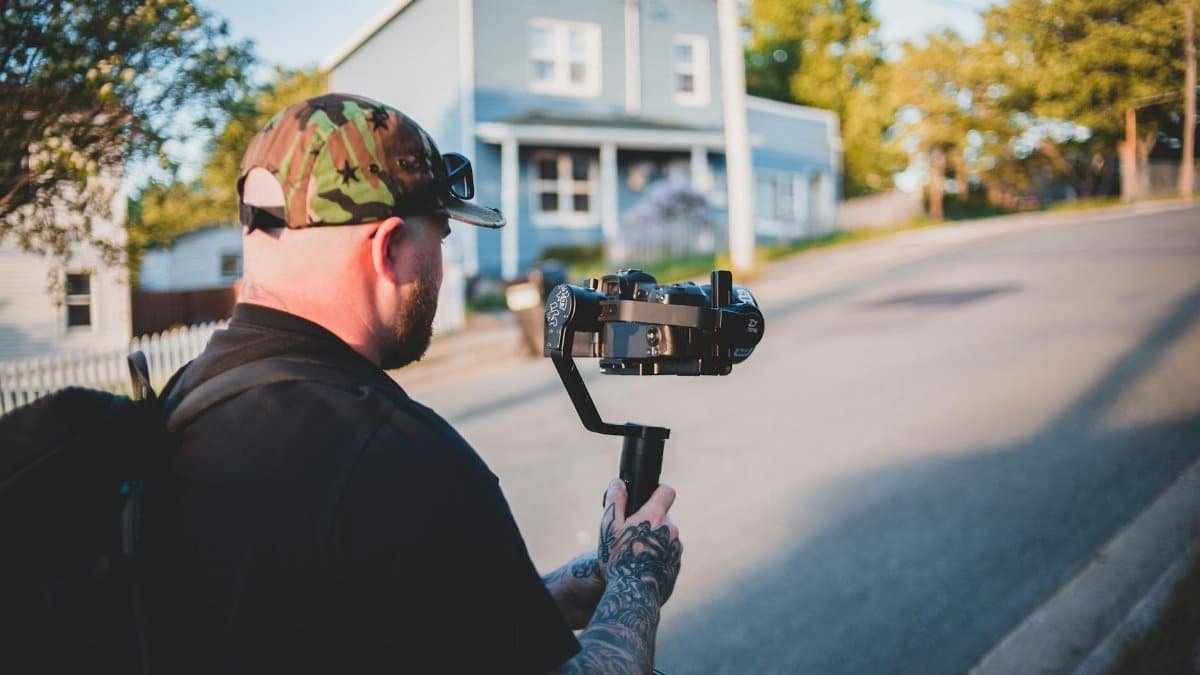
Suburban neighborhoods provide a soft landing for families facing empty nests or relocations, emphasizing routine and community ties. Take the case of a couple from New York who swapped city chaos for a cul-de-sac in Texas, finding solace in backyard barbecues and school events. Data from the U.S. Census Bureau indicates a 15% uptick in suburban migrations since 2020, often tied to life stage adjustments. These areas offer predictability, with green spaces that encourage daily walks and neighborly chats, easing the adaptation process.
Yet, it’s not without friction; some miss urban energy. Over time, though, the stability nurtures new hobbies, like gardening, symbolizing rooted growth amid change. This choice underscores how familiar settings can anchor major transitions.
4. Urban Apartments for Reinvention

What draws someone to a buzzing urban apartment during a midlife career pivot? The energy of city life, perhaps, fueling reinvention. In places like San Francisco, compact lofts become hubs for networking and classes, as one former executive discovered after downsizing. A report by Pew Research Center notes urban areas attract those in flux, with diverse opportunities aiding quick adaptation. Streets alive with markets and art scenes inspire fresh starts, turning anonymity into a canvas for new identities.
Noise and pace can overwhelm, but many adapt by curating routines, like morning runs in nearby parks. This environment thrives on dynamism, perfectly suiting those embracing life change with bold steps.
5. Rural Countryside for Simplicity
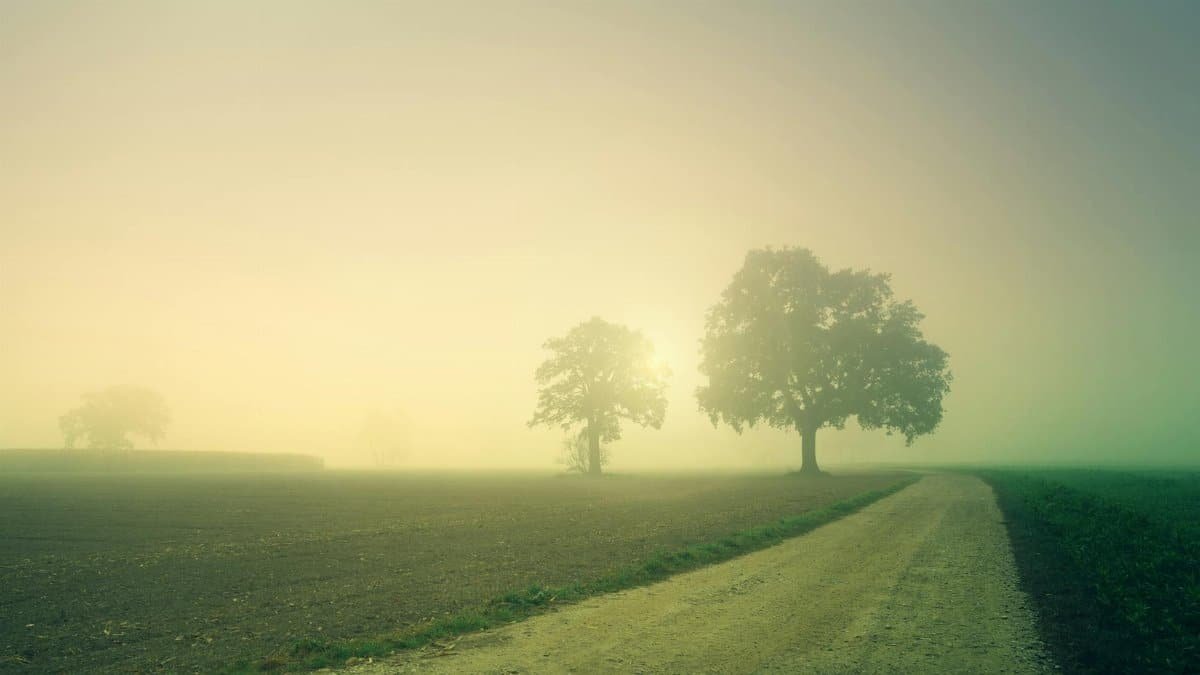
Rural countryside beckons those weary of hustle, offering vast fields and quiet nights for simplification. After losing a job, Mark moved to Iowa’s farmlands, trading suits for overalls and finding purpose in community farming. Insights from the National Institutes of Health link rural living to lower anxiety levels, supporting adaptation through nature immersion. Here, days revolve around harvests and local fairs, rebuilding a sense of control.
Isolation poses hurdles, yet it often leads to deeper self-reliance. In this setting, major transitions feel less daunting, wrapped in the earth’s steady cycles.
6. Foreign Countries for Cultural Immersion

Venturing abroad, like to Portugal’s sunlit coasts, appeals to retirees or divorcees seeking cultural immersion. One woman’s story: leaving Florida for Lisbon, she immersed in language classes and festivals, accelerating her adaptation. The U.S. Department of State tracks rising expat numbers, highlighting how new cultures spark personal growth. Challenges like language barriers test resilience, but rewards include broadened perspectives.
Over months, habits form—sipping coffee at plazas becomes a ritual of renewal. This bold move amplifies life change, turning adaptation into an adventure.
7. Family Hometowns for Roots
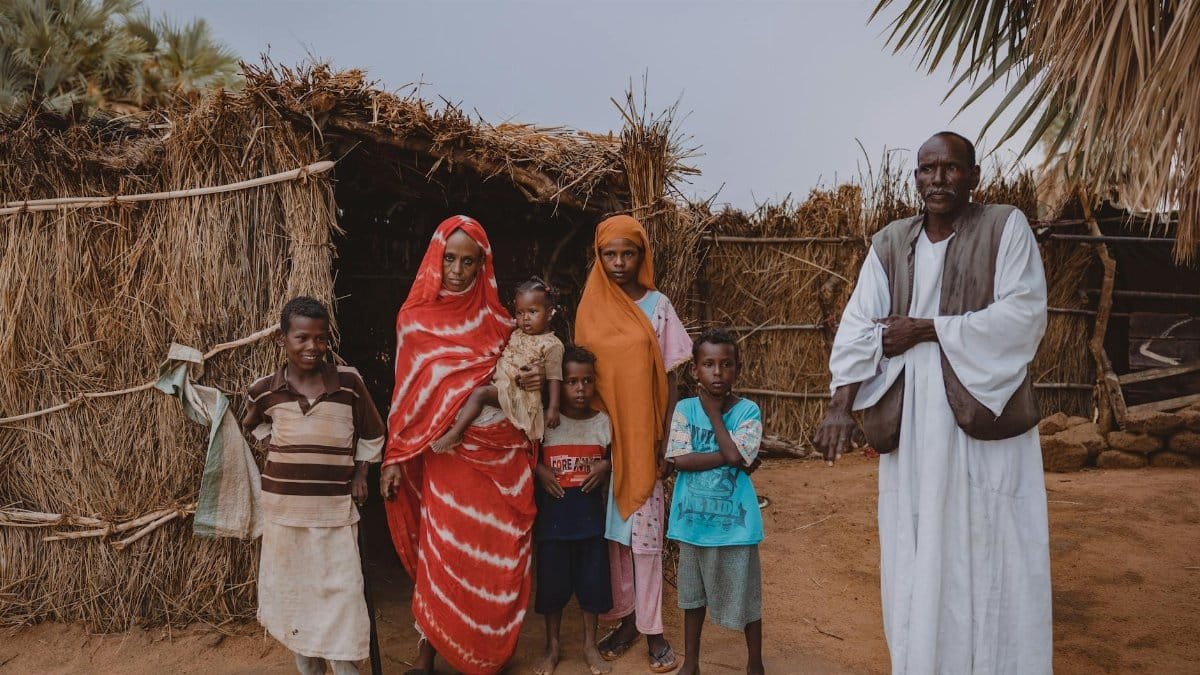
Returning to family hometowns provides comfort during upheavals, like after a parent’s passing. In small-town Ohio, familiar streets and relatives offer a safety net. Census data shows a spike in such returns, aiding emotional stability. Adaptation here involves reconnecting with heritage, perhaps through old recipes or community events.
Tensions with past memories surface, but they often resolve into healing. This choice roots major transitions in legacy, fostering gentle adaptation.
8. Eco-Villages for Sustainability
Eco-villages attract those prioritizing sustainability amid environmental awakenings. In California’s intentional communities, shared gardens and solar setups build communal bonds. Research from environmental groups notes improved wellbeing in these setups. One resident described the shift as “aligning values with daily life,” easing adaptation.
Group dynamics challenge, yet they teach cooperation. Here, life change integrates with planetary care, creating purposeful transitions.
9. Artist Colonies for Creativity

Artist colonies, like those in New Mexico, inspire creative rebirth post-burnout. Workshops and galleries spark ideas, as a painter found after relocating. Studies link artistic environments to enhanced problem-solving. Adaptation flows through expression, turning pain into art.
Competition exists, but collaboration prevails. This haven nurtures innovation during major transitions.
10. Wellness Retreats for Healing

Wellness retreats offer structured healing for health crises, with yoga and therapies in serene spots. In Arizona’s spas, programs guide introspection. NIH findings support mindfulness benefits. One attendee noted profound shifts in outlook.
Intensity varies, but outcomes include renewed vitality. These spots facilitate deep adaptation.
11. Nomadic Lifestyles for Freedom
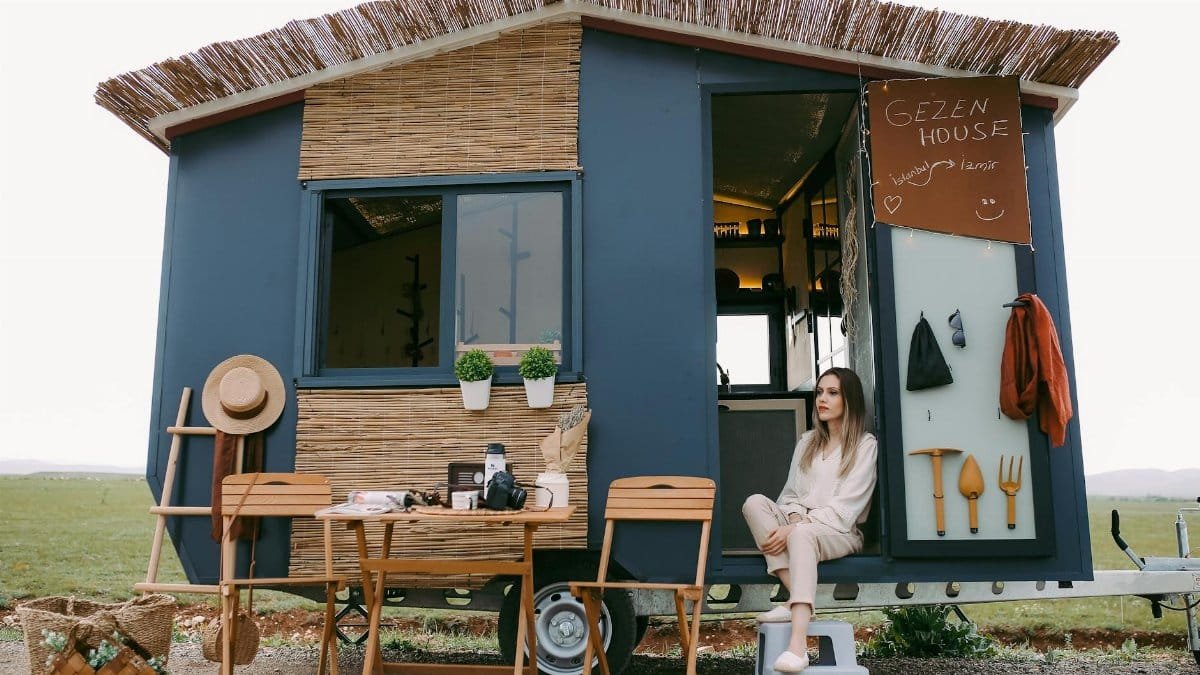
Nomadic lifestyles, via van life across national parks, suit those fleeing routine. Freedom on wheels allows flexible adaptation, as Census mobility data suggests. Challenges like weather build grit.
Connections form at campsites, enriching the journey. In 2025, this path embodies fluid life change, prioritizing experiences over permanence.