

In a nation where mobility has long defined the American dream, recent data paints a telling picture. According to a 2024 survey by the Pew Research Center, nearly 40 percent of adults who underwent significant life shifts, like job loss or divorce, reported relocating within a year, often prioritizing personal renewal over career climbs. This surge, up from 25 percent a decade ago, underscores a broader pivot toward wellbeing amid major transitions, life change, adaptation. No longer just about chasing promotions or paychecks, these moves reflect a deliberate quest for environments that foster healing and growth. As economic pressures mount and remote work blurs boundaries, more middle-aged Americans are reimagining their paths, choosing spots that promise solace and self-discovery over relentless ambition. It’s a quiet revolution, reshaping how we navigate upheaval in 2025.
1. Coastal Havens for Reflection

Along the rugged shores of Maine or the sun-drenched beaches of California, many find themselves drawn during times of profound change. These coastal spots offer more than scenic views; they provide a rhythmic backdrop of waves that mirrors the ebb and flow of personal reinvention. Consider Sarah, a former marketing executive in her fifties who, after a corporate burnout, packed up and headed to a small town on the Oregon coast. “The ocean doesn’t rush you,” she shared in an online reflection, capturing a sentiment echoed by others seeking pause. Here, adaptation unfolds slowly, through long walks and quiet contemplation, allowing space for major transitions to settle without the clamor of urban demands.
Research supports this pull. A study from the University of Exeter highlighted how proximity to blue spaces enhances mental health, reducing stress by up to 20 percent.University of Exeter BlueHealth Project. In these havens, ambition takes a backseat to restoration, as individuals rebuild identities amid the salt air and horizon lines. It’s not escape, but a strategic retreat, where the vastness of the sea encourages broader perspectives on life’s inevitable shifts.
Yet, not all coastal moves are idyllic. Storms can disrupt the calm, much like unresolved emotions surface unexpectedly. Still, for many, this setting becomes a catalyst, turning adaptation into a tangible process, one tide at a time.
2. Mountain Retreats for Solitude

High in the Rockies or the Appalachians, elevation offers more than fresh air; it delivers isolation that sharpens focus during upheaval. Picture a widower in his forties trading city lights for a cabin in Colorado, where the stark peaks demand resilience. Such choices stem from a desire to confront inner turmoil head-on, away from distractions. A report from the National Park Service notes a 15 percent uptick in backcountry permits since 2020, often linked to personal quests for clarity.National Park Service Backcountry Resources.
This isn’t mere escapism. Hiking trails become metaphors for navigating major transitions, life change, adaptation, each step building endurance. One anonymous account from a public forum described the mountains as “a place where ambition whispers instead of shouts,” highlighting how these locales prioritize emotional grounding. Wellbeing emerges through simple routines: chopping wood, stargazing, reconnecting with nature’s unyielding pace.
Challenges arise, though. Harsh winters test resolve, mirroring the grit needed for true change. But in these heights, many discover a quieter strength, adapting not by conquering peaks, but by harmonizing with them.
3. Urban Reinventions in Bustling Cities

What draws someone to the thrum of New York or Chicago amid personal flux? For some, it’s the anonymity and energy that fuel reinvention. A divorced teacher relocating to Seattle found the city’s vibrant neighborhoods a canvas for new beginnings, blending into crowds while exploring fresh opportunities. Urban settings, with their diverse communities, facilitate adaptation by offering endless stimuli, from art scenes to networking hubs, without the isolation of rural spots.
Data from the U.S. Census Bureau shows urban migration spiking among midlifers post-crisis, with 28 percent citing “personal growth” as a key motivator.U.S. Census Bureau Migration Data. Here, major transitions unfold amid coffee shops and subways, where ambition softens into balanced pursuits. It’s a place to experiment, perhaps starting a side hustle or joining a support group, all while the city’s pulse keeps stagnation at bay.
Of course, the noise can overwhelm. Traffic jams and high costs remind us that adaptation requires boundaries. Yet, for those craving connection, cities provide a dynamic stage, turning life change into communal evolution.
4. Rural Escapes for Simplicity
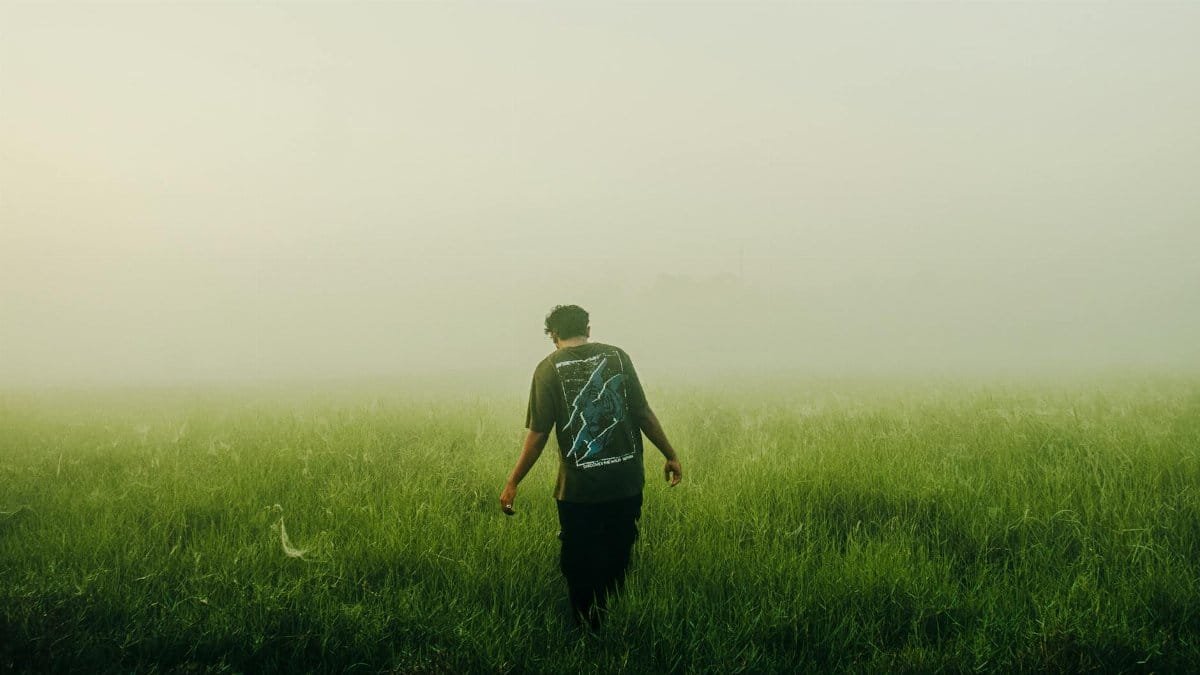
In the heartland’s rolling fields or quiet Midwest towns, simplicity beckons those weary of complexity. Imagine a couple in their fifties downsizing to a farm in Iowa after empty-nesting, trading boardrooms for barns. These rural havens strip away excess, emphasizing self-sufficiency and community ties that nurture during major transitions, life change, adaptation.
A study by the USDA reveals rural populations stabilizing as urbanites seek respite, with wellbeing metrics improving in such moves.USDA Rural Economy and Population. Gardening and local markets replace corporate ladders, fostering a grounded sense of purpose. One shared story online spoke of “finding rhythm in the soil,” a nod to how these locales realign priorities toward inner peace over external accolades.
Isolation can bite, with limited services testing adaptability. But in the quiet, many unearth resilience, weaving new narratives from the earth’s unhurried wisdom.
5. International Sojourns for Cultural Immersion

Crossing borders, some embrace entirely new worlds, like moving to Mexico’s vibrant pueblos or Europe’s historic cities. A retired engineer heading to Portugal post-layoff discovered in the unfamiliar a mirror for his own transformations. These international shifts amplify adaptation, forcing cultural navigation that deepens self-awareness and diminishes ego-driven goals.
Global mobility reports from the Migration Policy Institute indicate a rise in midlife expatriates, often for lifestyle resets.Migration Policy Institute International Migration. Language barriers and customs become tools for growth, where wellbeing blooms through humility and exploration. Ambition fades against the backdrop of ancient ruins or bustling markets, replaced by a fuller appreciation of global interconnectedness.
Visa hurdles and homesickness add layers, yet they hone flexibility. For many, these journeys redefine major transitions as adventures in empathy.
6. Returning to Family Roots
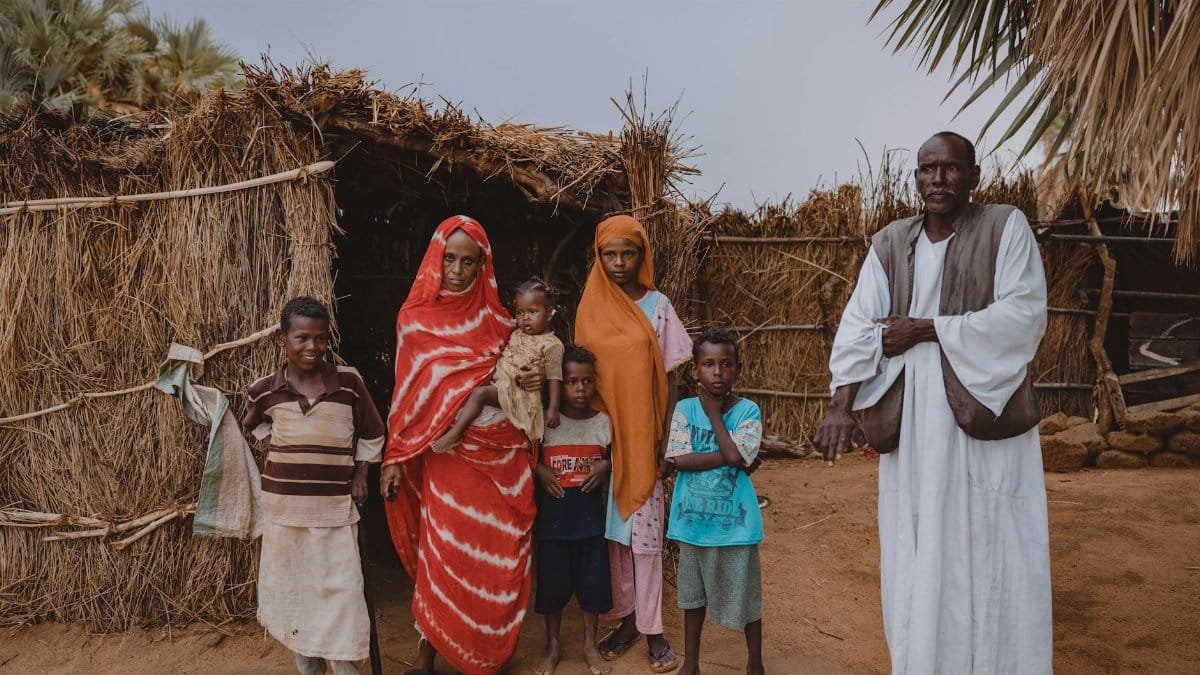
Sometimes, the pull is backward, to childhood homes in the South or Midwest suburbs. A woman in her late forties, facing health scares, moved back to her Georgia hometown, finding solace in familiar streets and kin. This return taps into roots, offering stability amid flux, where family networks buffer the shocks of life change.
Demographic trends from the Brookings Institution show boomerang migrations increasing, with emotional support as a prime driver.Brookings Institution Demographics. Here, adaptation involves reconciling past and present, often prioritizing relational wellbeing over solitary ambition. Conversations around dinner tables heal old wounds, fostering a collective resilience.
Generational clashes can stir tension, demanding negotiation. Still, in these nests, many rediscover belonging, turning transitions into shared triumphs.
7. Spiritual Centers for Inner Quest

From ashrams in New Mexico to retreat centers in upstate New York, spiritual hubs attract those seeking profound inner work. A former lawyer, disillusioned after a scandal, joined a meditation community in California, where silence and rituals guided his rebirth. These spaces strip away worldly distractions, centering major transitions, life change, adaptation on soulful exploration.
Insights from the NIH underscore meditation’s role in stress reduction, with participation rising 30 percent in recent years.NIH Meditation and Mindfulness. Ambition yields to introspection, through yoga or group reflections, building a foundation for authentic living. One anonymous online tale described it as “shedding layers to reveal the core,” encapsulating the transformative power.
Doubts and dogma can challenge commitment, but perseverance often yields clarity. In these sanctuaries, adaptation becomes a sacred path, harmonizing body, mind, and spirit.