

In a nation where hustle defines success, a startling shift is underway. A 2023 survey by the American Psychological Association found that 62 percent of adults report high levels of stress from performance pressure, up from 50 percent a decade ago. This surge ties into what experts call comparison fatigue, the exhaustion from constantly measuring oneself against others in a social media-saturated world. Yet, amid this, ego awareness is emerging as a quiet counterforce, encouraging people to step back and observe their drives without judgment. For many, escaping the performative grind means seeking out spaces that foster genuine presence. These locations, scattered across the U.S., offer respite where authenticity trumps achievement, allowing one to breathe easier and reconnect with what truly matters.
1. National Parks: Nature’s Unscripted Stage
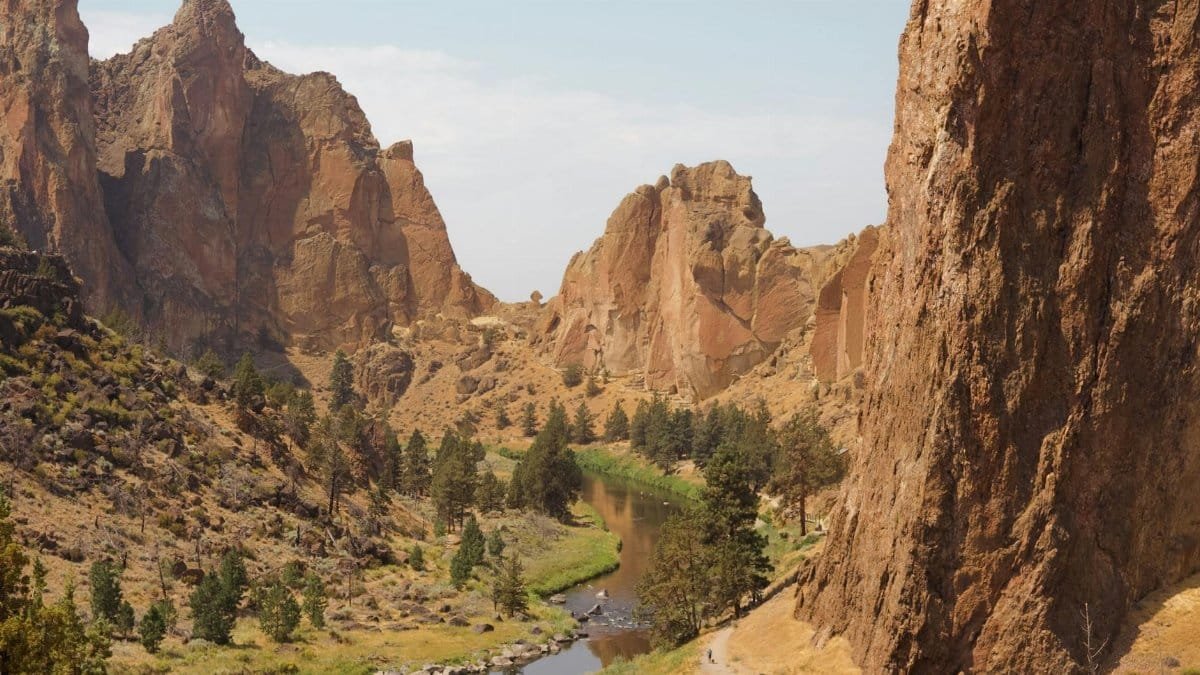
Step into Yellowstone or the Grand Canyon, and the weight of daily expectations begins to lift. Here, amid towering pines and vast canyons, performance pressure fades against the backdrop of timeless landscapes. Visitors often describe a sense of smallness that humbles the ego, making room for awareness without the noise of comparison. One hiker in Yosemite recently shared anonymously online how the trails stripped away her need to prove herself, revealing instead a simple joy in being present.
This isn’t just anecdotal. Research from the National Park Service highlights how time in these areas reduces cortisol levels, directly combating stress from comparison fatigue. A study linked from Stanford University explores how nature immersion enhances mindfulness, key to ego awareness. It’s no wonder attendance spiked in 2024, with millions seeking solace from urban demands.
Picture a family from Chicago arriving at Great Smoky Mountains. The parents, usually glued to work emails, watch their kids splash in a stream. No agendas, no metrics of success. The shift happens organically, as conversations turn from achievements to shared wonder. Yet, challenges arise; overcrowding can sometimes reintroduce that competitive edge, like vying for the best campsite. Still, the core appeal endures: nature demands nothing but your attention.
In 2025, with climate concerns mounting, these parks also prompt reflection on collective responsibility, deepening ego awareness beyond the self.
2. Quiet Libraries: Sanctuaries of Solitude

Amid the hush of shelves lined with books, like those in the New York Public Library, one finds a rare escape from the spotlight. Here, performance pressure dissolves as readers lose themselves in pages, free from the gaze of others. Comparison fatigue? It’s hard to sustain when surrounded by stories of human imperfection, fostering a gentle ego awareness that values inner growth over external validation.
Experts at the Library of Congress note how such spaces promote cognitive rest, backed by findings from a American Psychological Association mindfulness resource. Another report from Harvard’s library system details reduced anxiety in quiet study environments, linking directly to alleviating daily pressures.
Consider a young professional from Seattle ducking into the Seattle Public Library during lunch. Surrounded by whispers and turning pages, she sets aside her phone’s endless scroll. For an hour, ego takes a backseat, replaced by curiosity. It’s a subtle rebellion against the performative culture outside. Of course, not every visit is idyllic; distractions like noisy patrons can intrude, but the intent remains a haven for unhurried thought.
As digital overload intensifies in 2025, libraries evolve, offering more wellness programs that tie into this theme, blending literature with mindfulness practices.
3. Coastal Beaches: Waves of Release
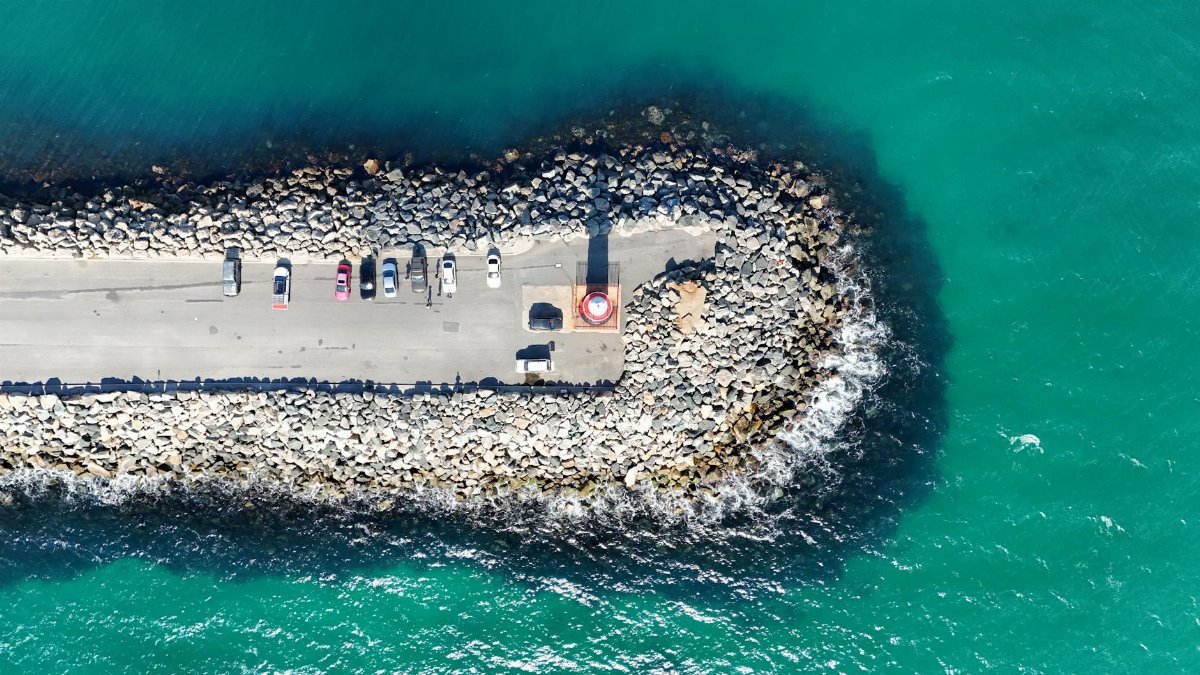
Along the shores of California’s Big Sur or Florida’s Gulf Coast, the ocean’s rhythm washes away the need to perform. The endless horizon invites a pause, where comparison fatigue ebbs with each tide. Ego awareness sharpens as one confronts the vastness, realizing personal strivings are but grains of sand.
A Pew Research Center analysis on leisure trends shows coastal visits correlating with improved mental health, especially among those battling work-related stress. Dive deeper via a NIH study on nature exposure and mental health, which underscores reduced fatigue from social comparisons.
Imagine a retiree from Texas walking barefoot on Galveston Beach at dawn. The salt air clears his mind, memories of corporate ladders fading. He sits, watches surfers ride waves without applause, and feels a rare contentment. Tensions emerge with tourist crowds, yet off-season solitude amplifies the effect. It’s about surrendering to the moment, not curating it for likes.
Looking to 2025, with rising sea levels in focus, these spots also stir environmental ego awareness, urging sustainable appreciation.
4. Meditation Retreats: Intentional Stillness

Centers like those in upstate New York or California’s Esalen Institute provide structured escapes from the grind. Participants engage in silence and reflection, directly addressing performance pressure through guided practices. Comparison fatigue lessens as group dynamics emphasize shared humanity, heightening ego awareness in a supportive setting.
Evidence from the University of California, Davis, via their mindfulness research page, shows retreats lowering stress hormones. Complement this with a CDC overview on meditation’s benefits for fatigue management.
A narrative unfolds: A tech worker from San Francisco arrives frazzled, her days defined by metrics. Over days of sitting and walking meditation, she observes her ego’s demands without judgment. Conversations with others reveal universal struggles, forging connections beyond competition. Drawbacks include the intensity, which can overwhelm newcomers, but the payoff is profound clarity.
In 2025, virtual hybrids make these experiences more accessible, broadening their reach to counter everyday performativity.
5. Small Rural Towns: Community Without Competition

In places like Marfa, Texas, or Asheville, North Carolina, life unfolds at a gentler pace. Here, performance pressure gives way to neighborly interactions, where comparison fatigue is muted by genuine connections. Ego awareness grows through community events that celebrate presence over prestige.
Studies from the Rural Health Information Hub indicate lower stress in such settings, supported by a Pew Research report on rural-urban trends. This ties into broader data on social bonds reducing ego-driven fatigue.
Envision a family relocating from bustling Atlanta to a quiet Vermont village. Evenings involve porch chats, not status updates. The shift reveals how much energy went into appearances before. Challenges like limited amenities test adaptability, yet the authenticity fosters deeper self-understanding.
As remote work surges in 2025, these towns attract more seekers of balanced living, amplifying their role in inner growth.
6. Art Galleries and Museums: Creative Contemplation
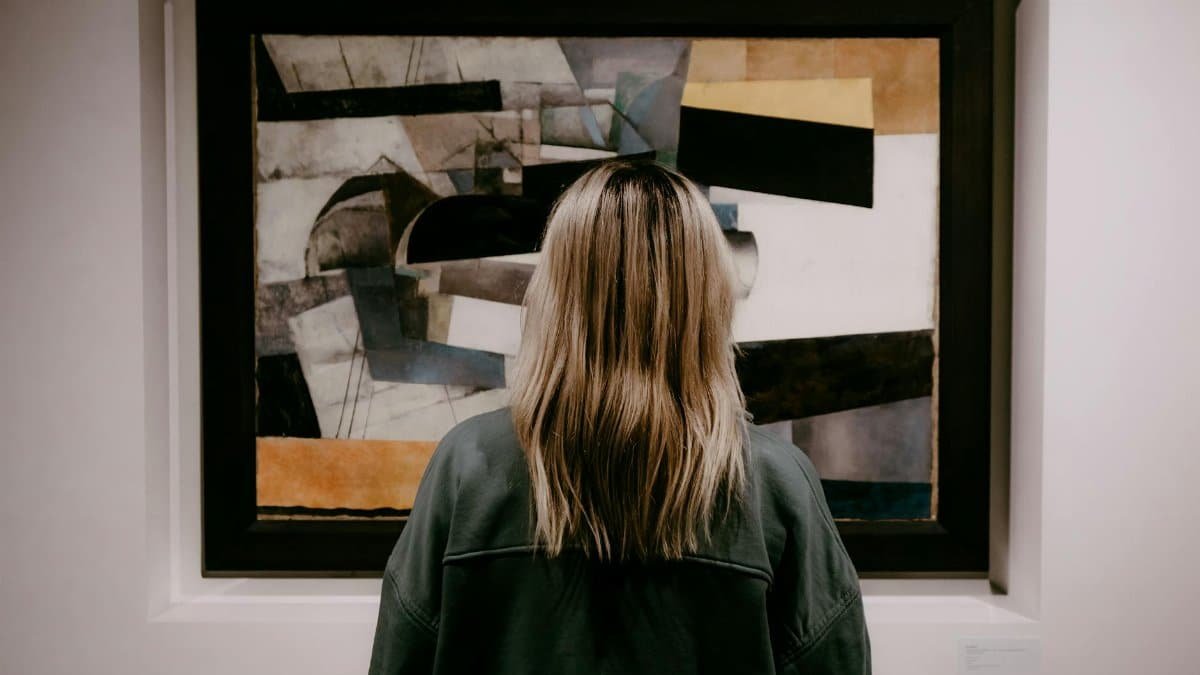
Venues such as the Museum of Modern Art in New York or the Getty Center in Los Angeles invite viewers to engage without performing. Art confronts performance pressure by evoking personal responses, easing comparison fatigue through diverse expressions. Ego awareness deepens as one ponders the artist’s vulnerabilities.
A Smithsonian report on cultural engagement links museum visits to enhanced empathy, with backing from psychological studies. Reference a NCBI article on art and mental health for evidence on reducing stress.
Take an artist from Chicago wandering the halls of the Art Institute. A painting stops her, mirroring her inner turmoil. No need to critique or compete; it’s about absorption. Crowds can disrupt, but quiet hours offer intimacy. This space nurtures reflection, turning observation inward.
With digital exhibits expanding in 2025, access grows, making art a widespread tool against performative exhaustion.
7. Personal Homes: The Ultimate Refuge

Surprisingly, one’s own living space can be the most potent antidote. By curating a home environment in cities like Denver or suburbs of Boston, individuals craft zones free from external judgments. Performance pressure, comparison fatigue, and ego awareness converge here, as intentional design promotes self-compassion.
Home wellness trends, per a CDC household health survey, show personalized spaces aiding mental recovery. A APA article on nature in homes extends this to indoor plants reducing fatigue.
Reflect on a single parent in Philadelphia transforming her apartment into a sanctuary with soft lighting and no screens after dinner. Mornings become rituals of quiet coffee, observing thoughts without rush. It’s not always easy; life intrudes, but reclaiming home shifts the dynamic. This location underscores that relief starts within.
In 2025, smart home tech integrates mindfulness apps, enhancing this personal escape from societal demands.