

Introduction

Walk down any bustling avenue in Seattle these days, and you might spot more people pausing amid the coffee shops and tech hubs, journals in hand or eyes fixed on distant horizons. This subtle shift points to a growing embrace of self-reflection, inner awareness, personal insight—practices that help navigate the chaos of modern life. In a world saturated with notifications and demands, Americans are seeking spots that foster quiet introspection. From serene natural escapes to unexpected urban nooks, certain locations seem tailor-made for turning inward. They offer not just scenery, but a canvas for personal growth. As 2025 unfolds, with mental health conversations gaining traction, these places remind us that stepping away can lead to profound clarity. Whether it’s the hush of a forest or the rhythm of waves, such environments encourage pausing to examine thoughts and emotions.
1. National Parks Like Yosemite
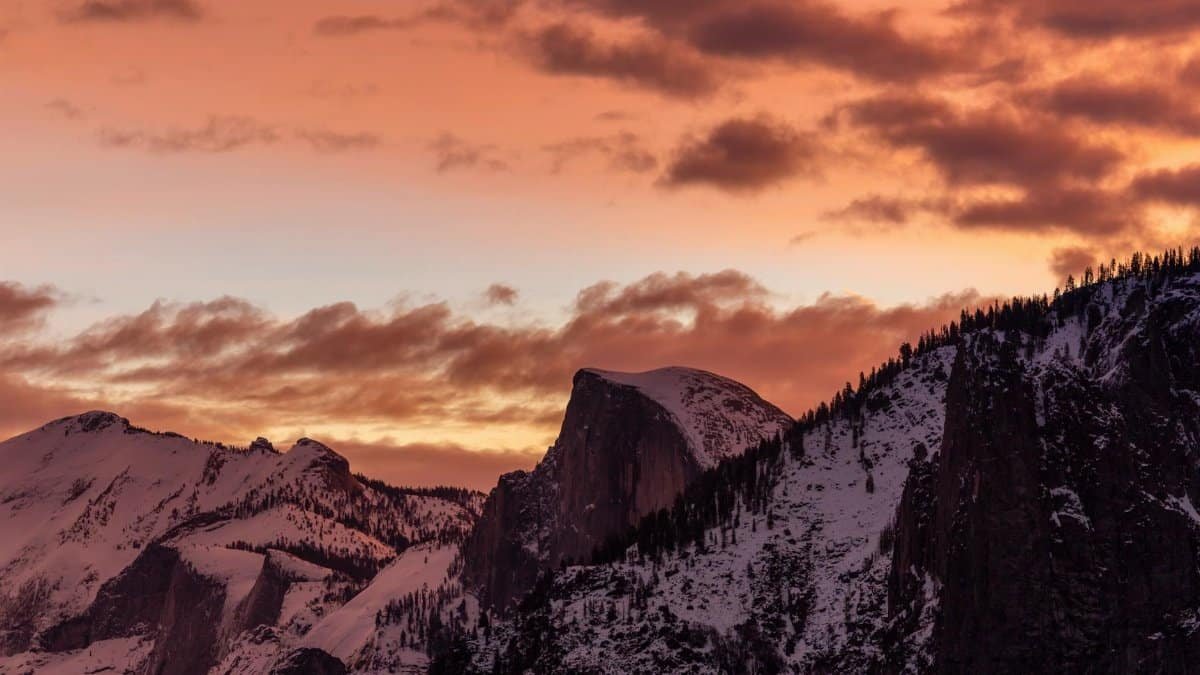
A hiker stands at the base of El Capitan, craning her neck to take in the granite face that towers above. In places like Yosemite National Park, the sheer scale of nature dwarfs everyday worries, prompting a reevaluation of one’s place in the world. Visitors often describe moments where the vast valleys and ancient sequoias spark questions about life’s priorities. A study from the National Park Service highlights how time in such settings boosts emotional well-being, with participants reporting heightened self-awareness after just a few hours.National Park Service Health Benefits Report details these effects, linking immersion in wilderness to reduced stress and clearer thinking. It’s no wonder that in 2025, park attendance surges among those seeking solitude. One anonymous account shared publicly online captured this: feeling overwhelmed by city life, the person found solace under the stars, jotting down insights that reshaped their career path. These parks aren’t just for adventure; they’re sanctuaries for the mind.
Yet, the experience varies. Some arrive with heavy backpacks and heavier hearts, only to leave with lighter steps. The trails wind through meadows where wildflowers nod in the breeze, each step inviting contemplation. Contrast that with the crowded viewpoints—even there, a quiet corner can become a personal retreat. This blend of grandeur and intimacy makes Yosemite a prime spot for inner dialogue.
2. Quiet Beaches on the Oregon Coast

Imagine the salt spray misting your face as waves crash rhythmically against jagged rocks. On Oregon’s coastline, beaches like Cannon Beach provide a soundtrack for introspection, far from the tourist throngs of summer. The endless horizon encourages thoughts to stretch out, mirroring the vast Pacific. Research from the National Institutes of Health suggests proximity to water enhances mindfulness, with blue spaces fostering deeper personal insight. In these spots, people often sit for hours, watching tides ebb and flow, much like life’s uncertainties.
Take a local retiree who frequents these shores. He arrives at dawn, notebook in tow, reflecting on decades of choices. The fog rolls in, blurring the line between sea and sky, and suddenly, regrets feel less sharp. Such scenes play out daily, turning these beaches into natural therapy sessions. As climate conversations heat up in 2025, these coastal havens also prompt awareness of environmental interconnectedness, blending personal and planetary reflection.
3. Mountain Trails in the Rockies
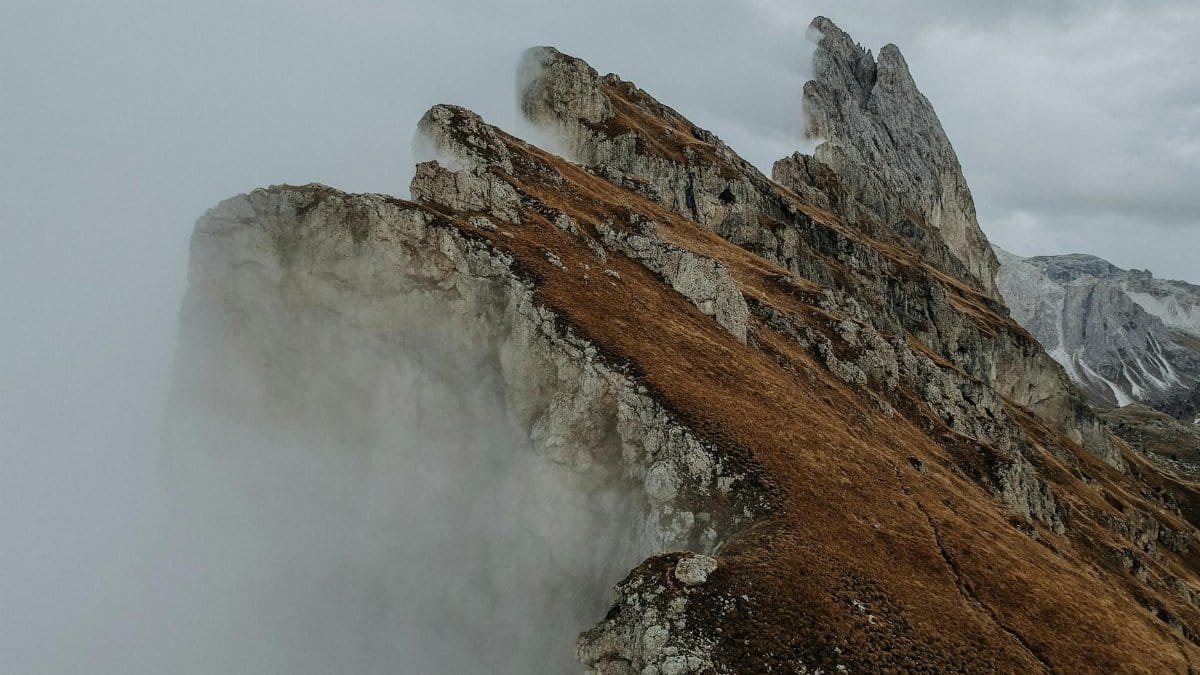
What draws climbers to the steep paths of Colorado’s Rocky Mountains? Beyond the physical challenge, it’s the altitude that elevates thoughts. Summiting a peak like Longs Peak forces a confrontation with limits, both bodily and mental. A report from the Pew Research Center on outdoor activities notes a spike in Americans turning to hiking for mental clarity, with many citing improved self-perception post-trek.
The air thins, breaths shorten, and distractions fade. One group of friends recounted pausing at a vista, sharing vulnerabilities they rarely voice in daily life. Snow-capped summits frame these confessions, making them feel monumental yet manageable. In winter, the silence is profound, broken only by crunching boots—ideal for pondering future paths. These mountains don’t just test endurance; they build resilience through quiet revelation.
4. Urban Libraries in New York City
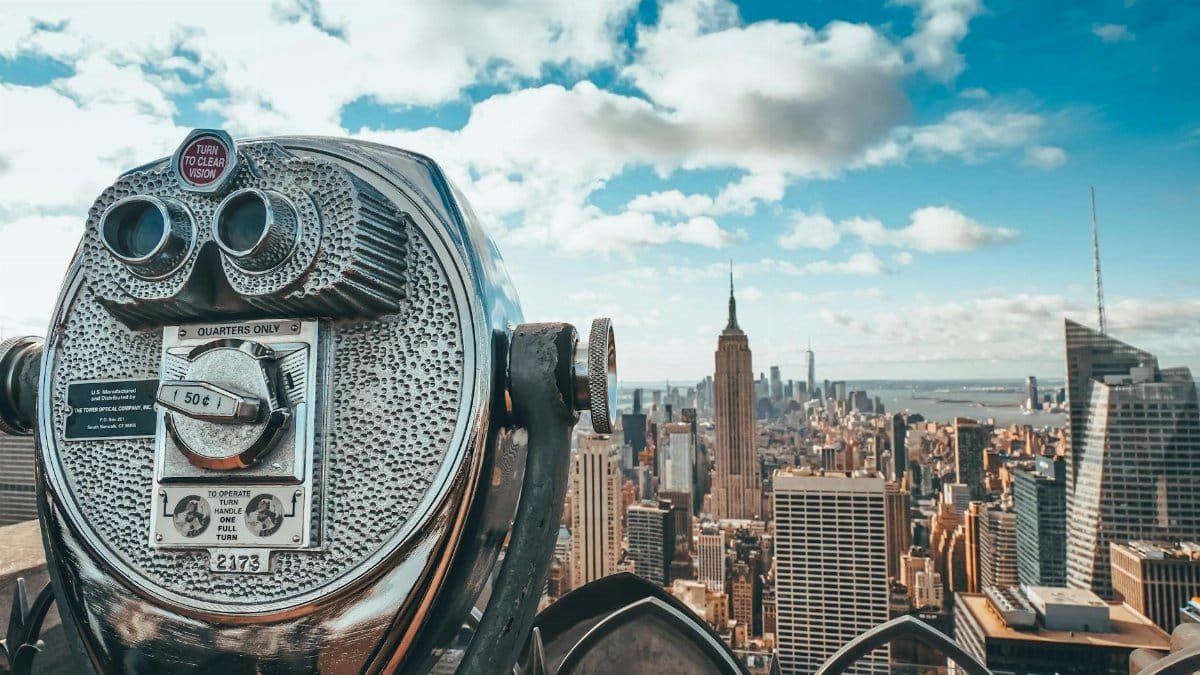
Amid the hum of Manhattan, the New York Public Library’s reading rooms offer a surprising oasis. Patrons sink into armchairs, surrounded by towering bookshelves that whisper stories of human experience. This setting naturally invites self-examination, as flipping through pages often leads to internal queries. Studies from the American Library Association underscore libraries’ role in fostering cognitive growth, with data showing regular visitors gain better emotional insight.American Library Association Research supports this, linking quiet study spaces to enhanced introspection.
A young professional might wander in during lunch, pulling a volume on philosophy that sparks a reevaluation of work-life balance. The arched ceilings and soft lighting create a cocoon, where time slows. Even in a city that never sleeps, these halls encourage pausing to listen to one’s inner voice, proving reflection thrives in unexpected urban pockets.
5. Botanical Gardens in Atlanta
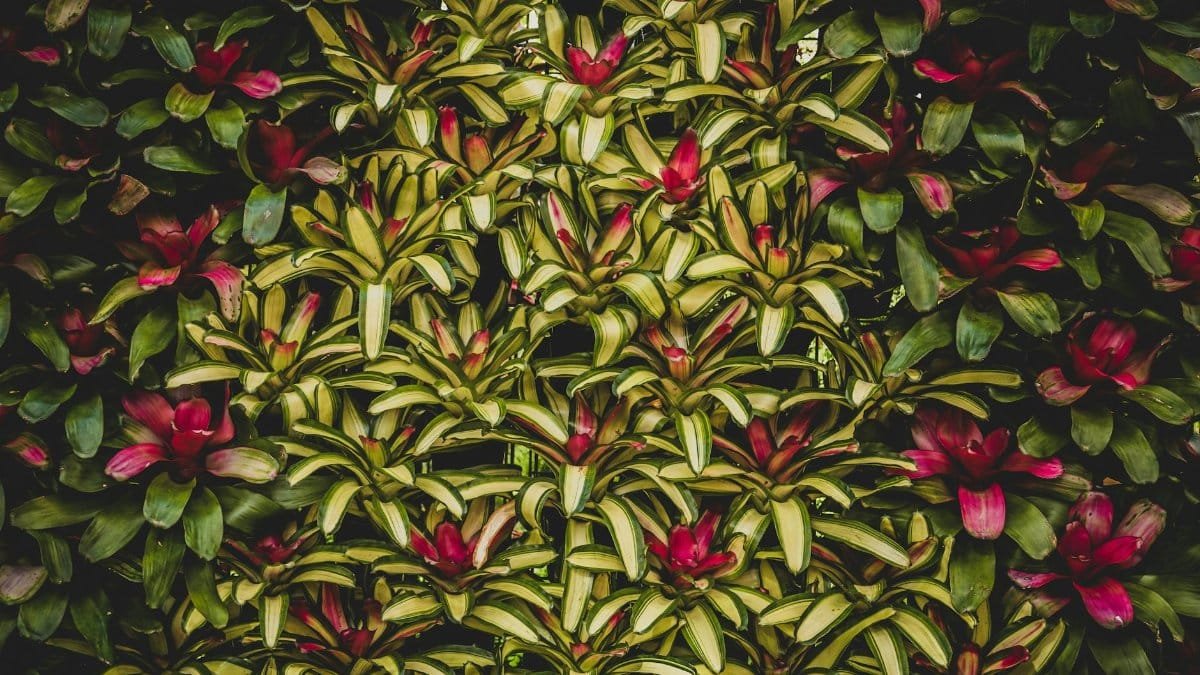
Strolling through the Atlanta Botanical Garden, the vibrant blooms and winding paths guide visitors toward tranquility. Orchids unfurl delicately, a reminder of patience in growth—much like personal development. The garden’s design, with secluded benches amid foliage, facilitates moments of inner awareness. According to a NIH study on horticultural therapy, such environments significantly aid mental reflection, reducing anxiety and promoting insight.
Picture a couple meandering hand-in-hand, discussing dreams deferred. The scent of earth and flowers grounds their conversation, turning abstract thoughts into tangible plans. In spring, when azaleas explode in color, the sensory overload paradoxically calms the mind, inviting deeper self-exploration. As urban green spaces expand in 2025, these gardens stand as vital refuges for the soul.
6. Historic Churches in New England
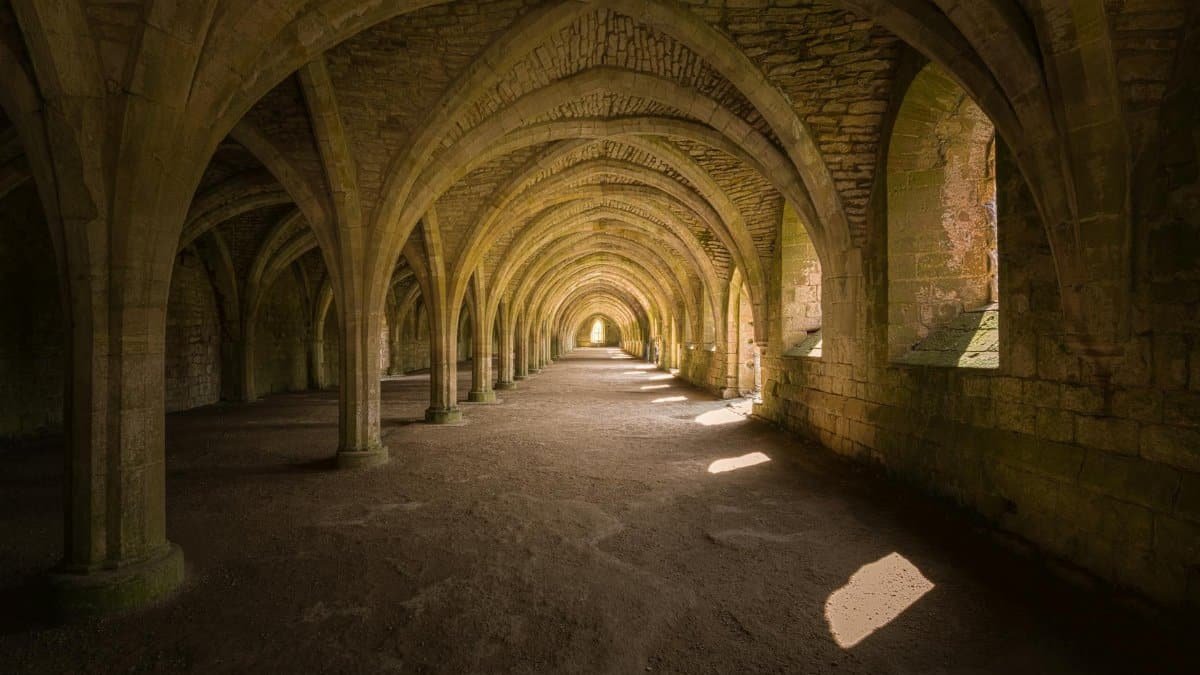
The creak of wooden pews in a colonial church in Boston echoes centuries of contemplation. These structures, with their stained-glass windows casting colorful light, draw seekers of all faiths for quiet reflection. The architecture itself seems to encourage humility and insight, as noted in historical analyses from institutions like Harvard Divinity School.
One visitor, escaping a hectic schedule, sits in silence, letting the stillness unpack buried emotions. Bells toll softly outside, marking time in a way that prompts life reviews. Even non-religious individuals find the atmosphere conducive to personal insight, blending history with present mindfulness. In an era of digital overload, these sanctuaries offer analog peace.
7. Desert Landscapes in Arizona

The stark beauty of Arizona’s Sonoran Desert strips away illusions, leaving room for raw self-assessment. Cacti stand sentinel under endless skies, their resilience mirroring human adaptability. Trekkers report profound shifts in perspective here, supported by wellness research emphasizing arid environments’ meditative qualities.
A solo traveler camps under stars, journaling by firelight about past mistakes. The night’s chill sharpens focus, turning solitude into a teacher. As dawn breaks over red rocks, clarity emerges. In 2025, with wellness tourism booming, these deserts beckon those craving unfiltered inner dialogue.
8. Lakeside Retreats in Minnesota

Minnesota’s thousands of lakes provide glassy mirrors for the soul. At spots like Lake Superior’s shores, the calm waters reflect not just scenery but inner states. Boating or simply gazing out fosters awareness, as environmental psychologists have observed in regional studies.
Families gather at cabins, sharing stories around bonfires that illuminate personal growth. One account describes a breakthrough during a rainy afternoon, watching ripples distort reflections—much like life’s distortions. These retreats blend nature’s rhythm with emotional depth, ideal for insight.
9. Art Museums in Chicago

In the Art Institute of Chicago, masterpieces provoke internal monologues. Standing before a Van Gogh, viewers often question their own narratives. Museum programs highlight art’s role in self-reflection, with attendance data showing therapeutic benefits.
A student lingers in a gallery, inspired by abstract forms to unpack creativity blocks. The hushed halls amplify thoughts, turning observation into introspection. As cultural institutions evolve in 2025, they remain key for personal enlightenment.
10. Forest Bathing Spots in California
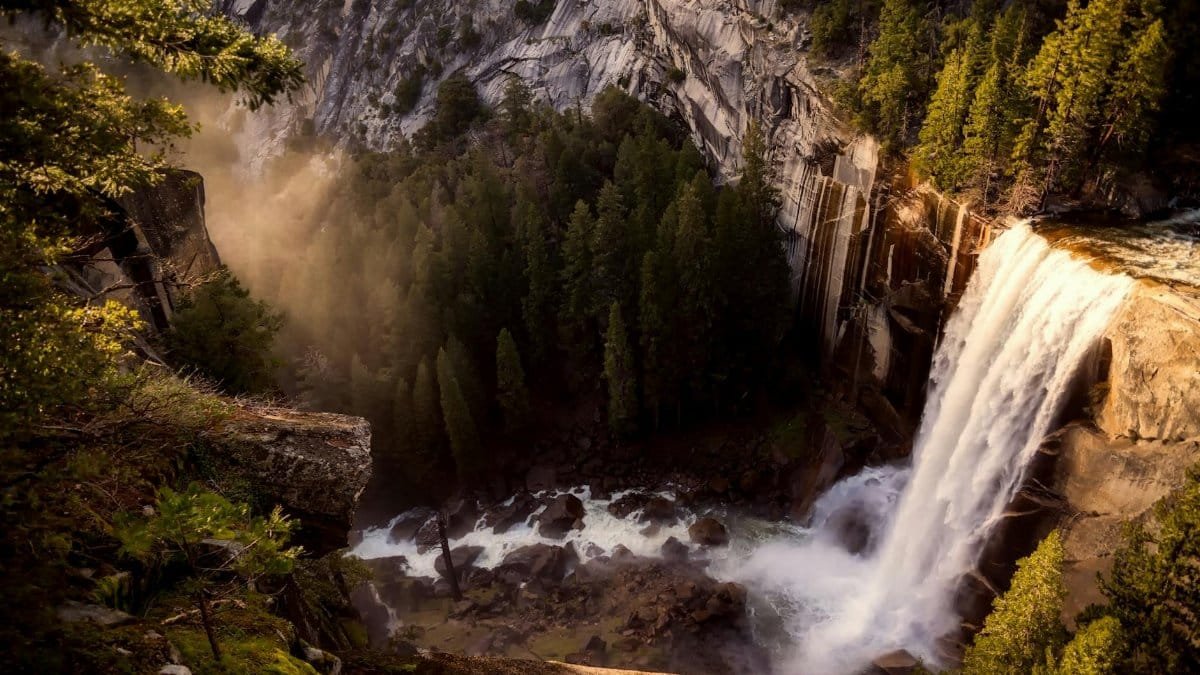
California’s redwood forests invite “shinrin-yoku,” or forest bathing, a practice proven to enhance mindfulness. The towering trees envelop walkers in green hush, slowing the mind for deeper awareness.
Groups practice guided sessions, emerging with renewed perspectives. Research confirms lowered cortisol levels, aiding insight. These woods offer a timeless escape, vital in our fast-paced world.
11. Home Balconies Across Suburbia
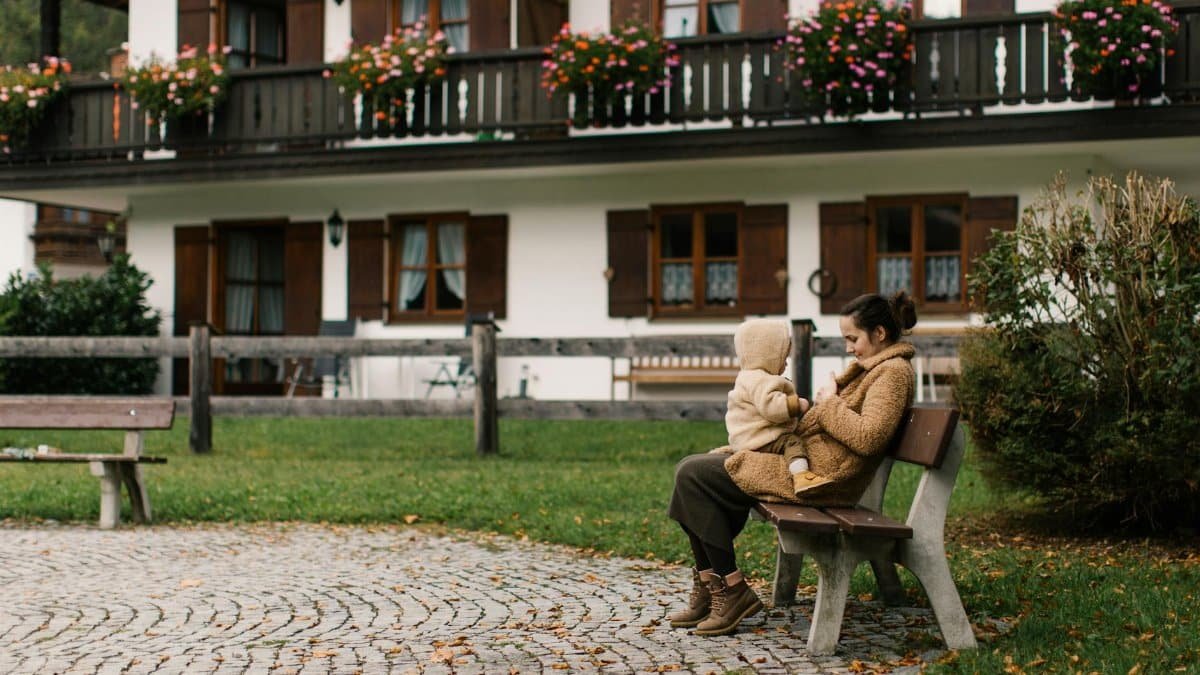
Even a simple balcony in suburban America can transform into a reflection nook. With a chair and sunset view, it becomes a personal sanctuary, accessible without travel.
Residents sip coffee, pondering daily rhythms. Studies on micro-habits show such spaces boost routine introspection. In 2025, as remote work persists, these spots underscore that insight starts at home.