

A recent study from the American Psychological Association revealed that 77% of Americans experience stress that impacts their physical health, a figure that’s climbed steadily over the past decade. Amid this rising tide, more people are seeking out natural havens for daily stress, emotional relief, slower living. These aren’t just escapes; they’re deliberate pauses in a world that demands constant motion. From quiet woodlands to serene shorelines, certain places have an innate ability to dial down the chaos. They invite a gentler rhythm, where the mind can unclench and emotions find space to breathe. In 2025, as urban life accelerates, turning to these spots isn’t indulgence—it’s necessity. This article explores nine such locations across the U.S., each offering unique ways to reclaim calm.
1. National Forests Like the Pacific Northwest’s Olympic
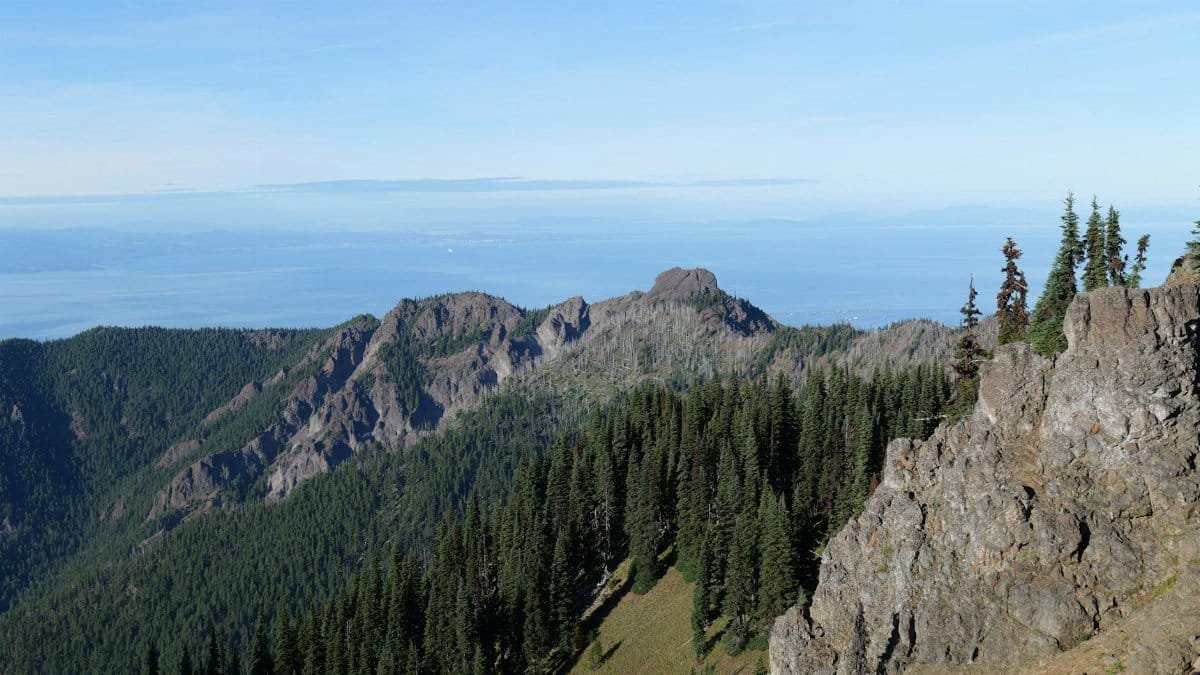
Deep in Washington’s Olympic National Forest, the air carries the scent of damp earth and evergreen needles. Visitors often describe a palpable shift upon entering—heart rates slow, shoulders drop. This isn’t coincidence. Research from the University of Michigan shows that spending time in forested areas can lower cortisol levels by up to 16%, promoting emotional relief through phytoncides, natural compounds released by trees. One hiker, sharing anonymously in an online reflection, noted how the forest’s hush dissolved her workday anxieties, leaving her with a rare sense of presence. It’s slower living embodied: trails wind without hurry, encouraging mindful steps over rushed agendas. For middle-aged professionals juggling careers and family, a weekend here resets the internal clock. The forest’s vastness reminds us that not everything needs solving in an instant.
Beyond the science, there’s a narrative pull. Imagine a family from Seattle driving in, leaving traffic snarls behind. They unpack at a trailhead, and soon, the only sounds are rustling leaves and distant bird calls. Such moments foster deeper connections, too—conversations flow without digital interruptions. According to a report from the U.S. Forest Service, visits to national forests surged 20% in recent years, reflecting a collective yearning for these stress buffers. Yet, access isn’t uniform; urban dwellers might need to plan ahead. Still, the payoff is profound, turning fleeting visits into lifelong habits of seeking solace in green expanses.
2. Coastal Beaches Along California’s Big Sur
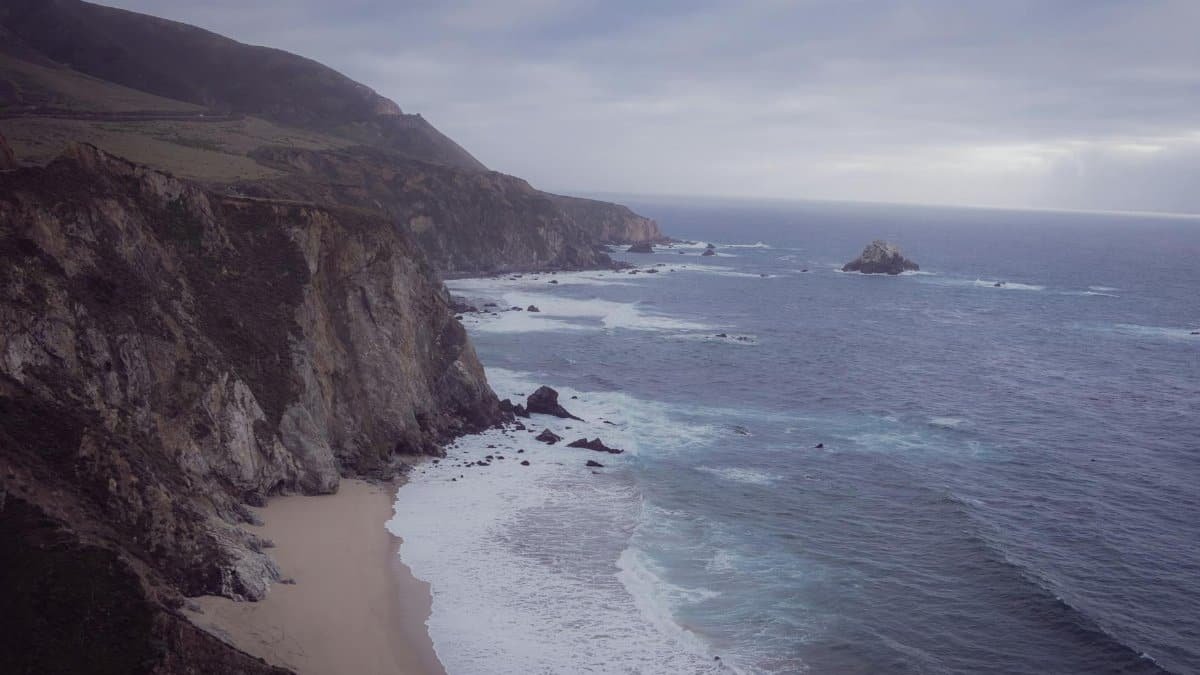
Waves crash rhythmically against rugged cliffs, a soundtrack that lulls the mind into repose. Big Sur’s coastline, with its dramatic vistas, exemplifies how ocean proximity can erode daily stress. A study published in the journal Health & Place found that people living near blue spaces report 10% lower psychological distress, attributing it to the horizon’s expansive view and negative ions in sea air. This ties directly into emotional relief, as the endless water mirrors an invitation to let go of petty worries.
Picture a retiree from Los Angeles, escaping the city’s hum for a day trip. She sits on the sand, watching seals bob in the surf, and feels the tightness in her chest ease. It’s not magic; it’s biology, with the repetitive wave patterns syncing brain waves to a calmer state. In 2025, as remote work blurs boundaries, these beaches offer a counterpoint—slower living through unstructured time. No agendas, just the tide’s ebb and flow. Online accounts echo this: one anonymous post described how a foggy morning walk here mended a frayed relationship, the shared silence more healing than words.
3. Mountain Retreats in Colorado’s Rockies
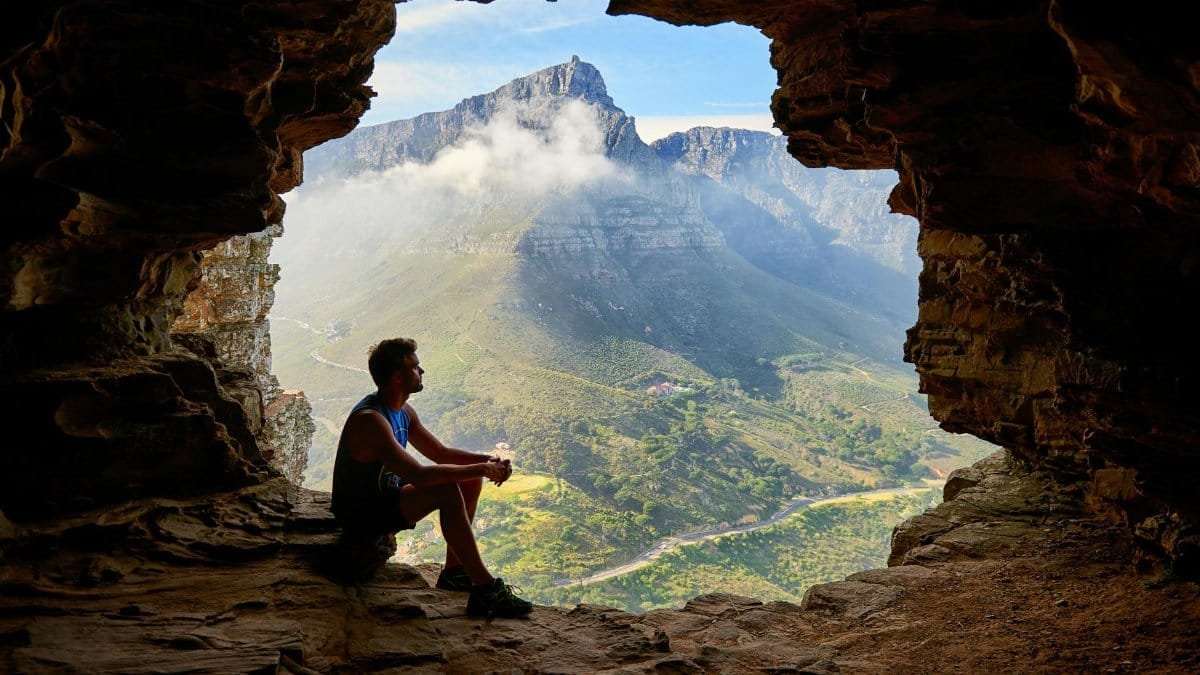
High altitudes bring clarity, both literal and figurative. In places like Rocky Mountain National Park, the thin air and sweeping views compel a slower pace, ideal for those overwhelmed by urban demands. Data from the National Park Service indicates that mountain exposure reduces anxiety symptoms, thanks to increased endorphins from light hiking and fresh oxygen.
One might encounter a group of friends from Denver, ascending a trail at dawn. Laughter punctuates their climb, but so does quiet awe at snow-capped peaks. This environment fosters emotional relief by dwarfing personal troubles against nature’s scale. It’s a reminder that life’s pressures aren’t as monumental as they seem. For middle-aged readers navigating midlife transitions, these retreats provide a narrative arc: arrival tense, departure renewed. The key is accessibility—many trails suit varying fitness levels, making slower living achievable without extreme effort.
4. Urban Parks Such as New York’s Central Park
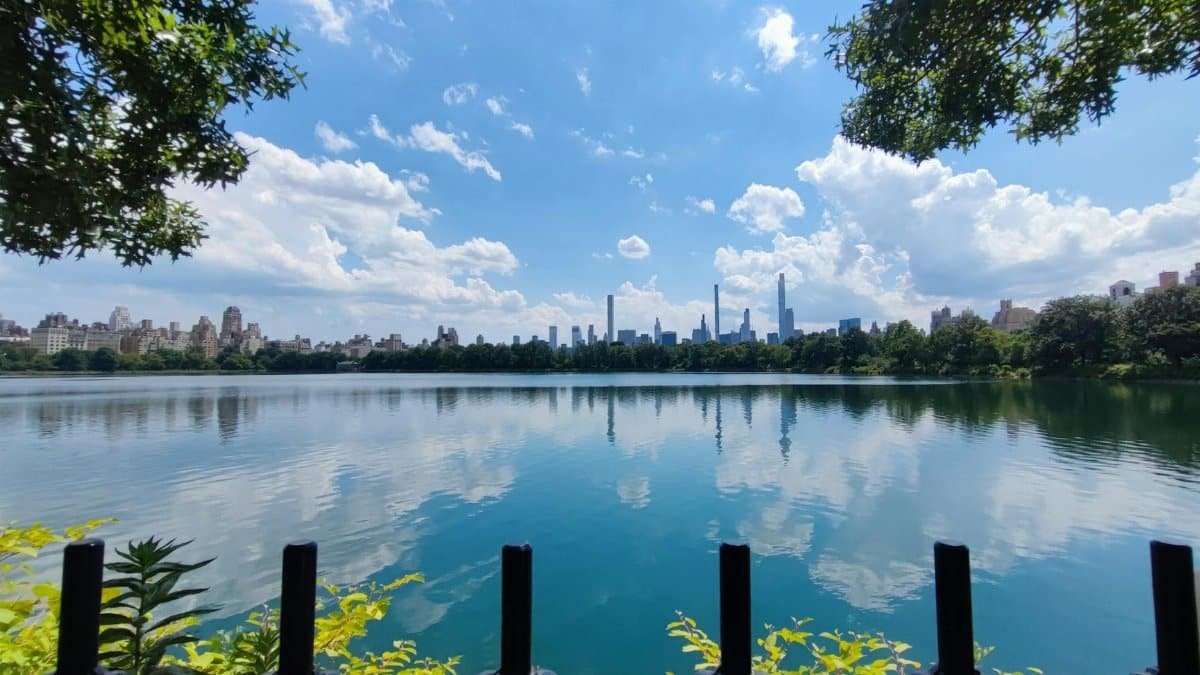
Even in the heart of Manhattan, green oases like Central Park carve out space for respite. Amid skyscrapers, its lawns and ponds offer a surprising antidote to daily stress. A Pew Research Center survey notes that 62% of city dwellers use parks for mental health benefits, with activities like people-watching or picnicking promoting slower living.
Consider a banker slipping away during lunch, finding a bench under blooming cherry trees. The park’s design—intentional paths and hidden groves—encourages wandering without purpose, leading to emotional relief. It’s not about isolation; the mix of joggers and families adds a communal layer, subtly connecting strangers in shared calm. In 2025, as hybrid work models persist, these urban refuges become vital, blending convenience with nature’s balm. Studies from Central Park Conservancy highlight biodiversity’s role in mood elevation, proving that relief is often steps away.
5. Desert Landscapes in Arizona’s Sonoran
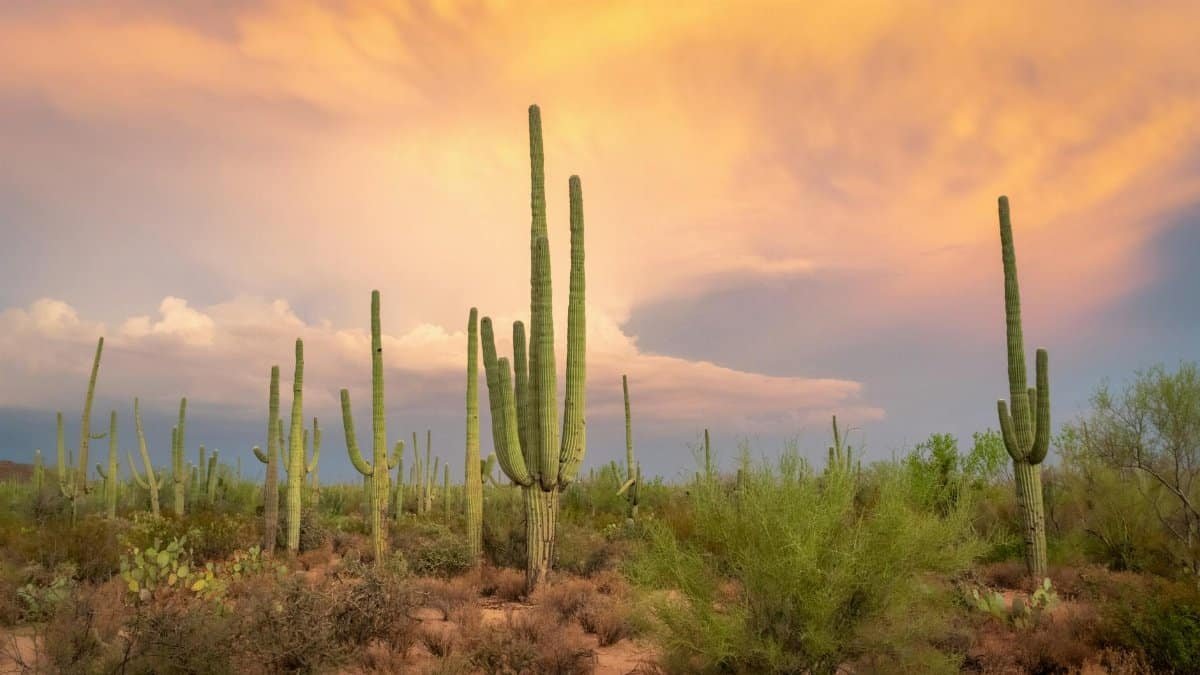
The Sonoran’s vast, arid expanses challenge notions of calm, yet they deliver profound stillness. Sunsets paint the cacti in golden hues, inviting reflection amid minimal distractions. Research from the University of Arizona links desert immersion to reduced rumination, with the open space allowing thoughts to dissipate like morning mist.
A solo traveler from Phoenix might drive out, parking to watch stars emerge. The silence amplifies inner quiet, facilitating emotional relief from accumulated stress. This slower living thrives in the desert’s timelessness—no rushing rivers, just enduring rock formations. It’s particularly resonant for those in high-stakes jobs, offering a stark contrast to digital overload. Anonymous online shares often mention breakthroughs here, like realizing work ambitions pale against nature’s indifference.
6. Lakeside Shores in Minnesota’s Boundary Waters
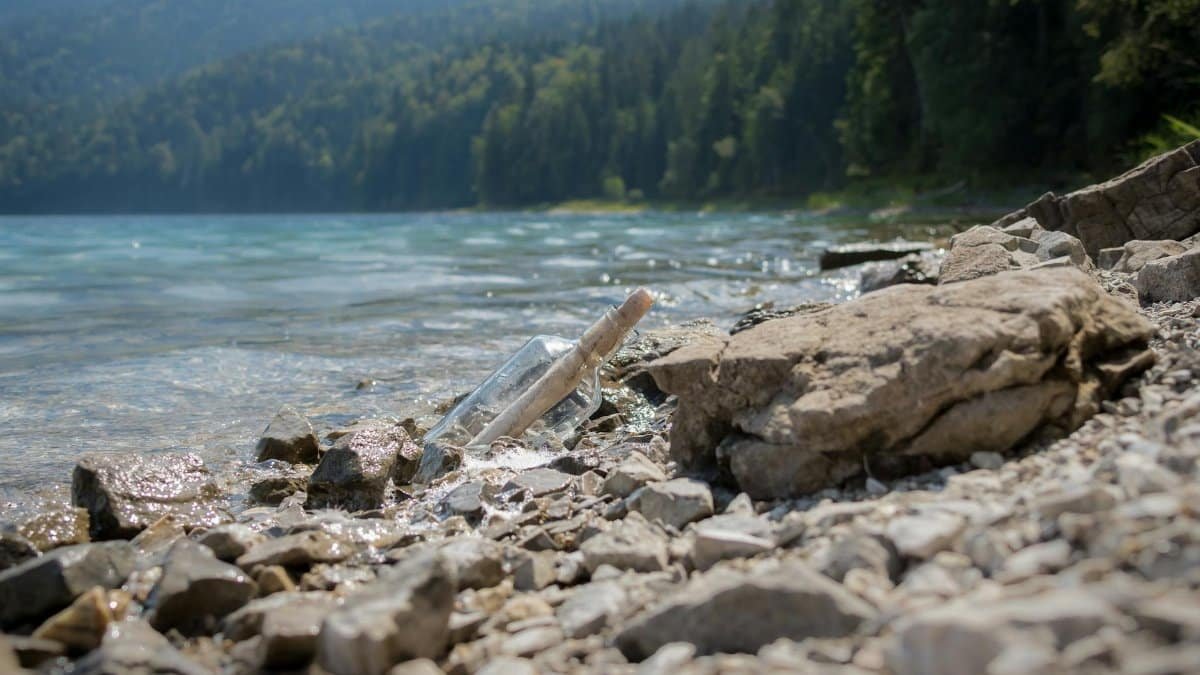
Paddling across glassy lakes, the Boundary Waters Canoe Area Wilderness enforces a deliberate slowness. This northern gem, with its interconnected waterways, naturally curbs haste—portages demand patience. A study in Environmental Health Perspectives found lake proximity lowers blood pressure, aiding daily stress reduction through rhythmic activities like canoeing.
Envision a couple from Minneapolis, gliding through mist-shrouded waters. Their conversations deepen, unhurried by notifications, embodying emotional relief. In 2025, as mental health awareness grows, such places gain traction for their isolation from modernity. The U.S. Forest Service reports increased permits, signaling a trend toward intentional disconnection.
7. Botanical Gardens Like Atlanta’s

Atlanta’s Botanical Garden blooms with intentional beauty, where curated paths guide visitors through floral symphonies. The sensory overload—fragrant roses, rustling bamboo—paradoxically soothes, as per findings from the American Horticultural Therapy Association, which link gardening to 25% drops in stress markers.
A visitor might linger by a koi pond, watching fish dart lazily. This microcosm of slower living allows emotions to surface gently, without judgment. For families, it’s a shared escape, weaving bonds through simple wonder.
8. Rural Farms in Vermont’s Countryside
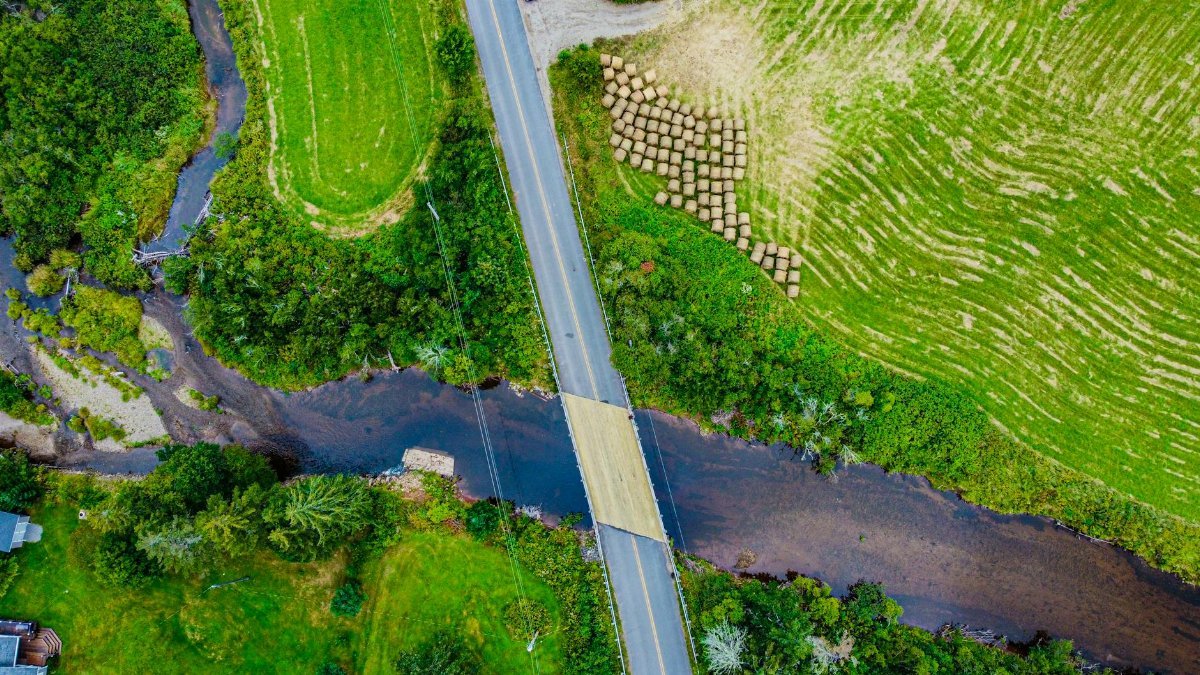
Vermont’s rolling farms, with their barns and pastures, evoke a pastoral rhythm lost in cities. Picking apples or strolling fields taps into agrarian calm, supported by NIH research showing rural exposure enhances well-being via lower sensory input.
Think of a teacher from Boston, volunteering on a farm stay. The repetitive tasks—milking cows, harvesting—ground her, providing emotional relief. It’s slower living at its core, aligning with seasonal cycles over quarterly reports.
9. Hot Springs in Arkansas’s Ouachita Mountains

Soaking in natural hot springs, like those in Hot Springs National Park, melts tension from the body. The mineral-rich waters, as detailed in a National Park Service overview, promote relaxation through thermal therapy, reducing inflammation and stress.
A group from Little Rock might gather, steam rising as worries evaporate. This communal ritual fosters connections, rounding out the pursuit of daily stress, emotional relief, slower living in a warming embrace.