

In bustling cities like New York or Chicago these days, a quiet shift is underway. People in their forties and fifties are seeking out spots that dial back the relentless push to define themselves through jobs, social media, or family roles. It’s a response to what experts call identity pressure, self-worth, personal meaning – that nagging sense of who we are versus who we think we should be. Middle-aged Americans, juggling careers and caregiving, often feel this strain most acutely. Yet, certain locations offer respite, places where the noise fades and a deeper sense of value emerges. These aren’t escapes but anchors, helping folks rediscover meaning without the weight of expectations. As trends show, more are turning to such havens in 2025, prioritizing inner growth over external validation.
1. National Parks

Step into a place like Yellowstone or the Grand Canyon, and the vastness hits you. Suddenly, personal ambitions feel smaller against ancient rock formations and endless skies. For many, this is where identity pressure begins to ease. A hiker once shared how the solitude of trails stripped away the need to perform, revealing a core self-worth tied to simply being. Studies from the National Park Service highlight how time in nature boosts mental clarity, with one report noting reduced stress levels in visitors. It’s not just scenery; it’s a reset. In these spaces, personal meaning often surfaces through quiet reflection, far from urban demands.National Park Service on Mental Health Benefits underscores this, linking outdoor immersion to improved self-perception.
Imagine a middle-aged accountant from Denver, boots crunching on a path in Rocky Mountain National Park. She described feeling the weight of corporate ladders lift, replaced by a profound connection to the land. Such stories aren’t rare. They illustrate how these protected lands foster a gentler self-dialogue, where worth isn’t measured in promotions but in moments of awe.
2. Local Libraries
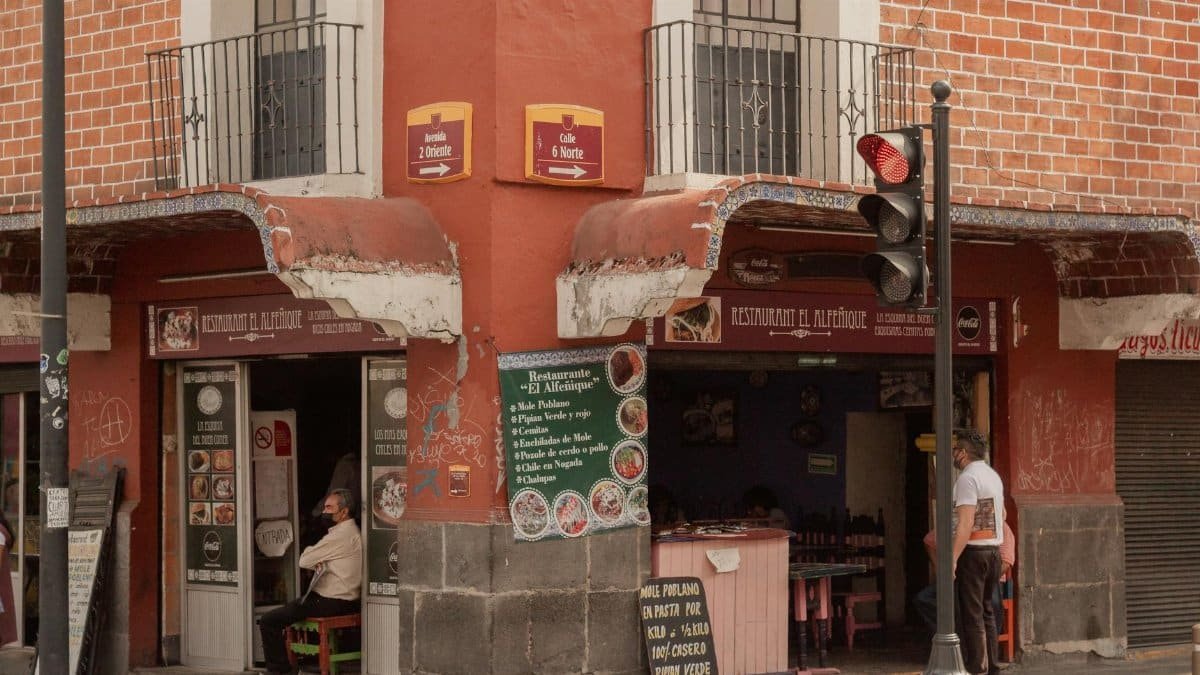
Amid shelves of forgotten stories, libraries serve as sanctuaries from the hustle. Here, there’s no rush to prove anything. Patrons flip through pages, losing themselves in narratives that mirror their own quests for meaning. One anonymous account from an online discussion captured it: feeling adrift in midlife, only to find solace in a quiet reading nook, piecing together fragments of identity without judgment. This aligns with findings from the American Library Association, which reports increased visits for personal development programs. Libraries democratize access to knowledge, subtly reinforcing self-worth through exploration.
Picture a group in a small-town branch in Ohio, gathered for a book discussion. Conversations drift from plot to personal insights, easing the pressure to conform. It’s grounding, this communal yet solitary pursuit, reminding us that meaning often hides in the margins of a well-worn novel.
3. Community Gardens

Digging into soil at a neighborhood plot can unearth more than vegetables. These green spaces invite collaboration without competition, softening the edges of self-doubt. Gardeners report a surge in personal meaning as they nurture growth, mirroring their own journeys. A Pew Research survey on community involvement shows how such activities enhance feelings of belonging, particularly among older adults.Pew Research on Community Life details this, noting ties to improved well-being. Identity pressure fades when hands are dirty and successes are shared.
Consider a retiree in Atlanta, tending tomatoes alongside strangers. What starts as small talk evolves into deeper exchanges about life’s turns. These interactions build a sense of worth rooted in contribution, not accolades.
4. Art Studios
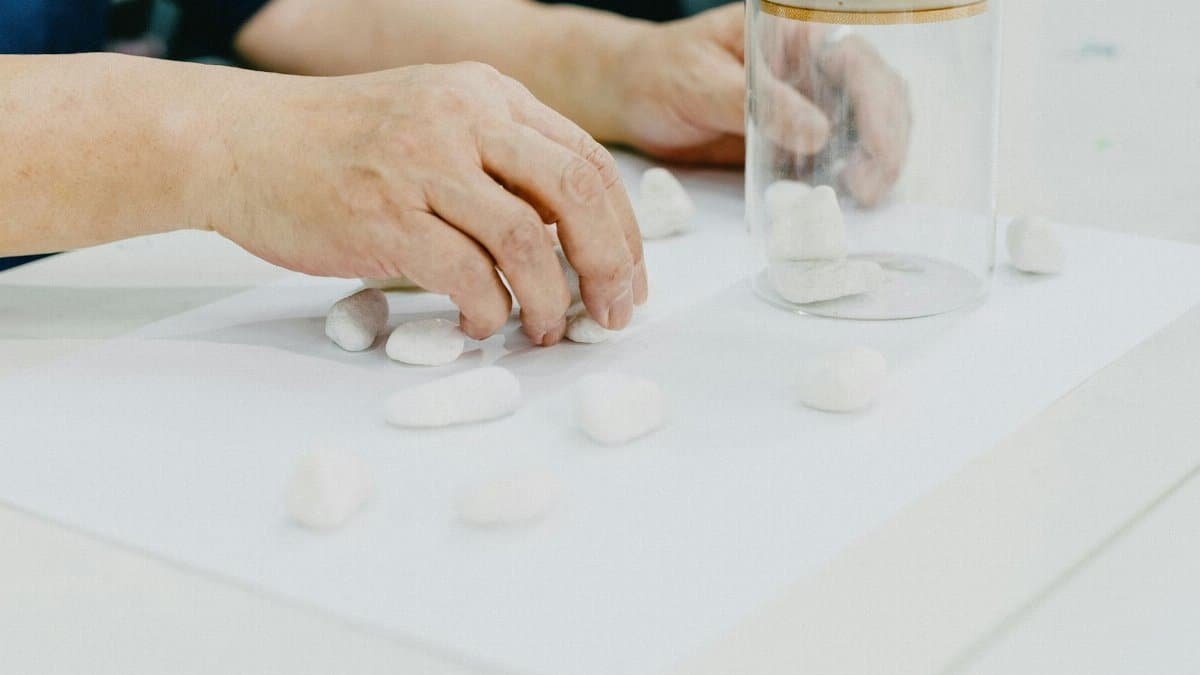
Brushstrokes on canvas offer a canvas for the soul. In community art spaces, like those in San Francisco’s vibrant districts, participants experiment without fear of failure. This creative freedom directly counters identity pressure, allowing self-worth to bloom through expression. Experts from the National Endowment for the Arts emphasize art’s role in personal fulfillment, with data showing therapeutic benefits. It’s a place where meaning is crafted, one color at a time.
A workshop attendee recalled splashing paint freely, shedding layers of societal expectations. Such moments reveal how art studios transform vulnerability into strength, fostering a narrative of growth over perfection.
5. Yoga Retreats

On mats in serene settings, breath becomes a bridge to inner peace. Retreats in places like California’s Big Sur provide structured yet flexible environments where body and mind align. Participants often describe a release from self-imposed pressures, discovering meaning in presence. The NIH has documented yoga’s impact on stress reduction and self-esteem.NIH on Yoga Benefits supports this, highlighting its role in enhancing personal well-being. Here, identity softens into acceptance.
Envision a session at dawn, where a group moves in unison. One woman shared how the practice unraveled her need for external approval, replacing it with quiet confidence.
6. Volunteer Centers

Helping others at soup kitchens or animal shelters shifts focus outward, easing inward turmoil. In cities like Boston, these hubs connect people to causes larger than themselves, bolstering self-worth through action. A CDC study links volunteering to lower depression rates, tying it to a sense of purpose. Identity pressure diminishes when contributions feel tangible and appreciated.
A volunteer in a Chicago food bank recounted the joy of service, how it redefined her value beyond her resume. These centers weave personal stories into community tapestries, revealing meaning in shared humanity.
7. Beaches

Waves crashing on shores like those along Florida’s coast invite contemplation. The rhythm of tides mirrors life’s ebbs, softening rigid self-concepts. Beachgoers often find solace in the expanse, where personal meaning emerges from simplicity. Research from coastal studies emphasizes the restorative power of ocean environments.CDC on Blue Spaces and Health notes benefits for mental health, including reduced anxiety.
Strolling at sunset, a visitor might ponder life’s turns, feeling pressures wash away with the surf. It’s a natural therapy, grounding self-worth in the vastness of nature.
8. Mountain Trails
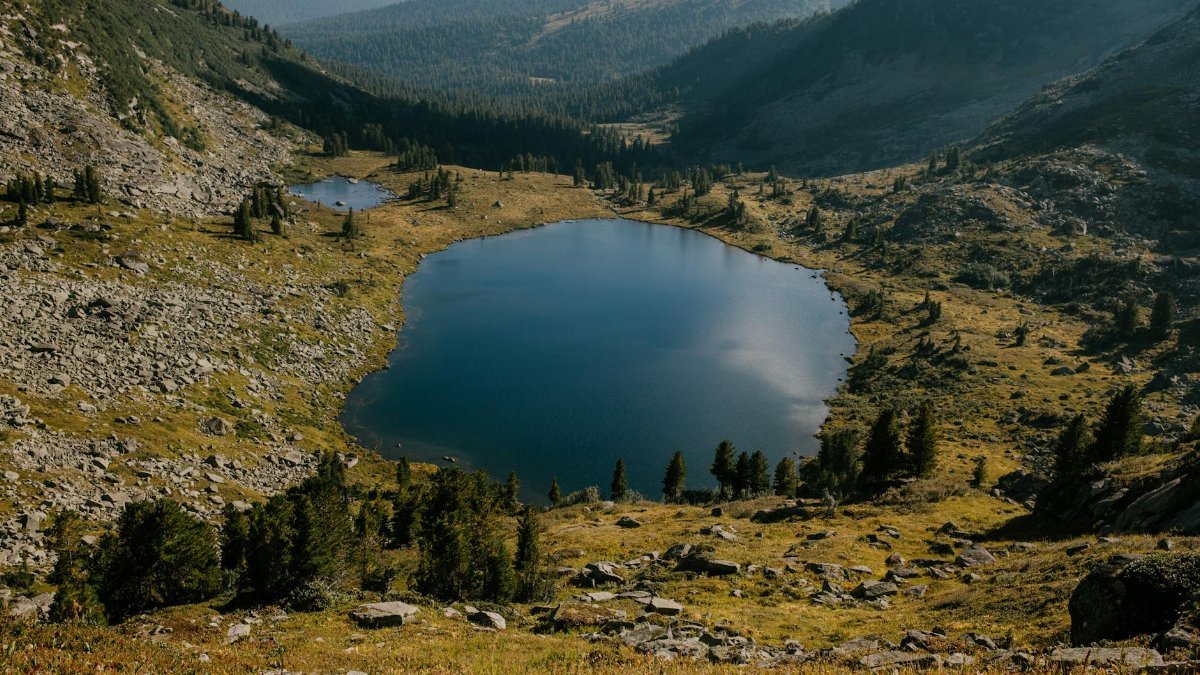
Ascending peaks in the Appalachians demands presence, pushing aside distractions. Hikers conquer not just elevations but internal doubts, finding worth in perseverance. Personal meaning often crystallizes at summits, offering fresh perspectives. The U.S. Forest Service reports on trails’ psychological perks, aligning with broader wellness trends in 2025.
One trekker described the climb as a metaphor for life’s challenges, emerging with a renewed sense of identity. These paths encourage introspection, where pressure yields to triumph.
9. Book Clubs

Gathering in cozy cafes or homes, book clubs dissect stories that resonate with personal journeys. Discussions peel back layers of identity pressure, fostering connections that affirm self-worth. Meaning arises from shared interpretations, as members navigate themes together.
In a Seattle group, debates over a novel sparked revelations about midlife shifts. Such circles provide a supportive arena for exploring inner landscapes without judgment.
10. Therapy Offices

Within the confidential walls of a counselor’s room, conversations unpack the burdens of self-expectation. In urban centers like Los Angeles, therapy sessions help reframe narratives, enhancing personal meaning. The APA underscores therapy’s efficacy in building resilience. It’s a dedicated space for softening identity’s hard edges.
A client reflected on sessions as turning points, where vulnerability led to strength. These offices serve as anchors in turbulent times.
11. Home Sanctuaries

Finally, one’s own living space, transformed into a haven with intentional touches like plants or reading corners, offers daily respite. In suburbs across the Midwest, people curate environments that nurture self-worth away from external gazes. Personal meaning flourishes in these personalized retreats, as routines align with authentic desires.
Think of a quiet evening in a customized den, journaling thoughts. It’s here, in familiarity, that identity pressure truly softens, allowing for sustained inner growth.