

Recent surveys paint a telling picture of American life in 2025. A study from the Pew Research Center found that nearly 60% of adults now report incorporating some form of mindfulness practice into their routines, up from just 40% a decade ago, as people seek ways to counter the relentless pace of digital distractions. This surge points to a growing hunger for self-reflection, inner awareness, personal insight amid economic uncertainties and social shifts. From bustling cities to quiet corners, individuals are turning to specific places that foster this internal exploration. These locations aren’t just backdrops; they actively invite pauses for thought, helping people reconnect with their deeper selves. Whether through the hush of nature or the echo of history, they offer spaces where clarity emerges naturally. As one might wander these spots, the noise of everyday demands fades, making room for genuine introspection.
1. National Parks Amid Towering Trees
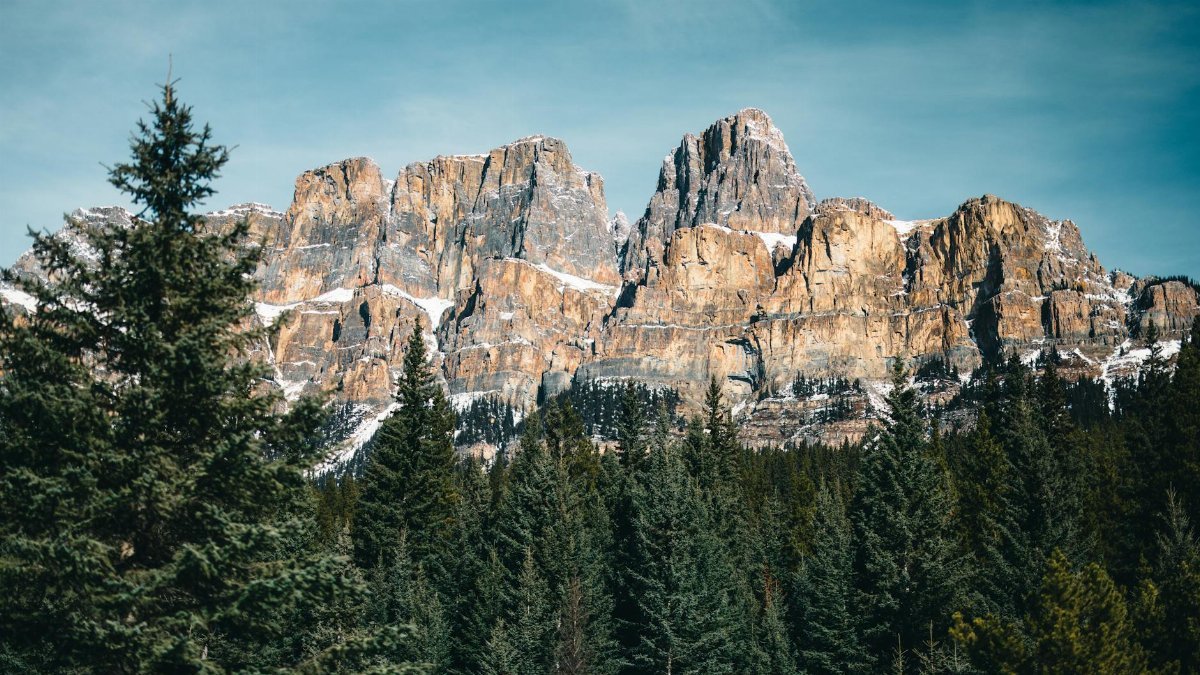
In the vast expanses of places like Yosemite National Park, the sheer scale of ancient sequoias forces a kind of humility. Visitors often describe standing beneath these giants, feeling the rough bark under their fingers, as a moment that strips away superficial worries. It’s not uncommon to hear someone say, after a hike along the misty trails, that the solitude sparked unexpected revelations about their career choices or family ties. Research supports this: a report from the National Park Service highlights how time in such environments boosts mental clarity, with participants in guided programs showing marked improvements in stress reduction. One hiker, anonymized from online discussions, shared how the quiet rustle of leaves prompted a long-overdue acknowledgment of burnout, leading to a life pivot. These parks, with their unfiltered air and endless horizons, create a canvas for personal narratives to unfold without interruption.
The experience varies by season. In autumn, the changing leaves add a layer of impermanence, mirroring life’s transitions. Studies from the National Park Service emphasize how such immersion enhances emotional resilience, drawing on data from visitor surveys. Yet, it’s the unplanned moments—like spotting a deer at dawn—that often deliver the deepest insights. Here, self-reflection isn’t forced; it seeps in gradually, encouraged by the park’s raw beauty.
2. Coastal Beaches at Dawn
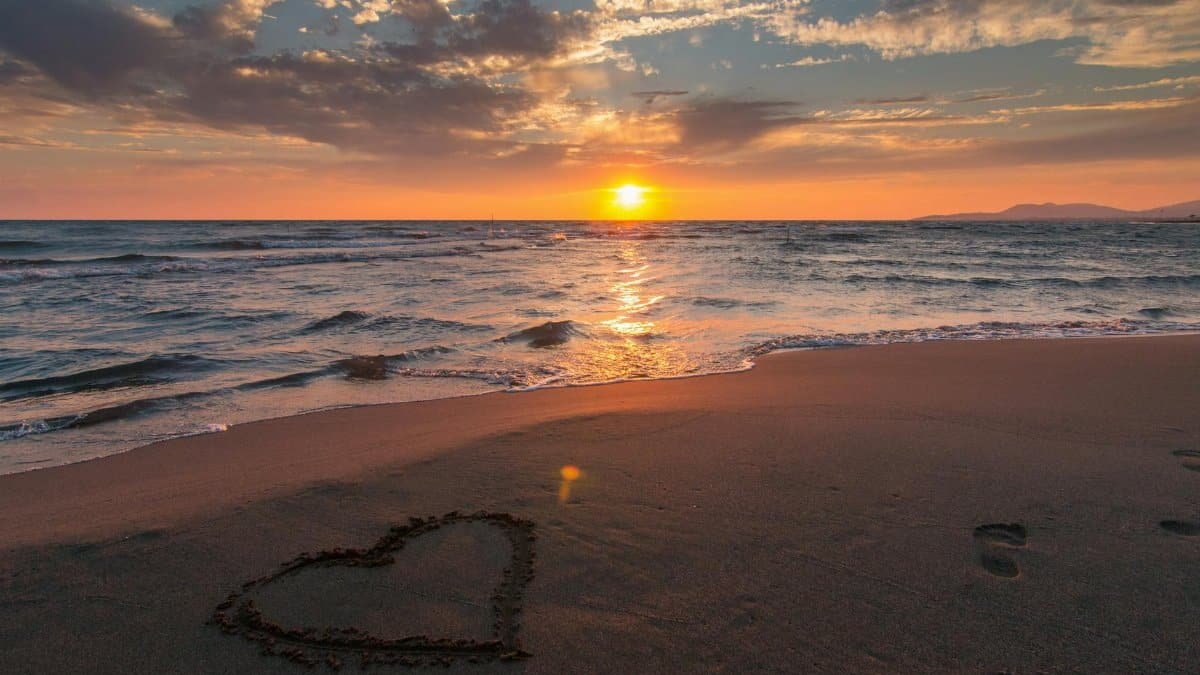
Picture the sun edging over the horizon on a stretch like Cape Cod’s shores, where waves lap rhythmically against the sand. Early risers find themselves alone with the gulls, the salty breeze carrying away mental clutter. This setting has long drawn those grappling with loss or change, offering a rhythmic backdrop for contemplation. A brief story comes to mind of a widow who returned annually to these beaches, finding solace in the tide’s ebb and flow, which mirrored her grieving process. According to findings from the American Psychological Association, proximity to water can lower cortisol levels, fostering a state conducive to inner awareness.
But challenges arise too. Crowds later in the day can disrupt the peace, reminding us that timing matters. Still, in those quiet hours, personal insight emerges from watching the ocean’s vastness, a reminder of one’s small place in the world. The American Psychological Association’s research on blue spaces underscores this, linking coastal visits to improved mood and introspection.
3. Quiet Libraries in Urban Hubs

Amid the stacks of a place like the New York Public Library, the air thick with the scent of aged paper, minds wander freely. Patrons settle into worn chairs, surrounded by volumes that whisper stories of human endeavor. It’s here that many encounter unexpected epiphanies, perhaps while flipping through a philosophy text that challenges long-held beliefs. One anonymous account from public forums described stumbling upon a book on mindfulness during a lunch break, which unraveled years of suppressed emotions. Libraries serve as sanctuaries in the city’s chaos, promoting focus without the pull of notifications.
The architecture itself plays a role, with grand reading rooms evoking a sense of timelessness. Data from the Institute of Museum and Library Services shows increased visits correlate with community well-being initiatives. Delving deeper, these spaces encourage a dialogue with oneself, where questions about purpose surface amid the hush. Transitions to daily life feel smoother after such visits, as if the borrowed wisdom lingers.
4. Mountain Trails with Sweeping Views
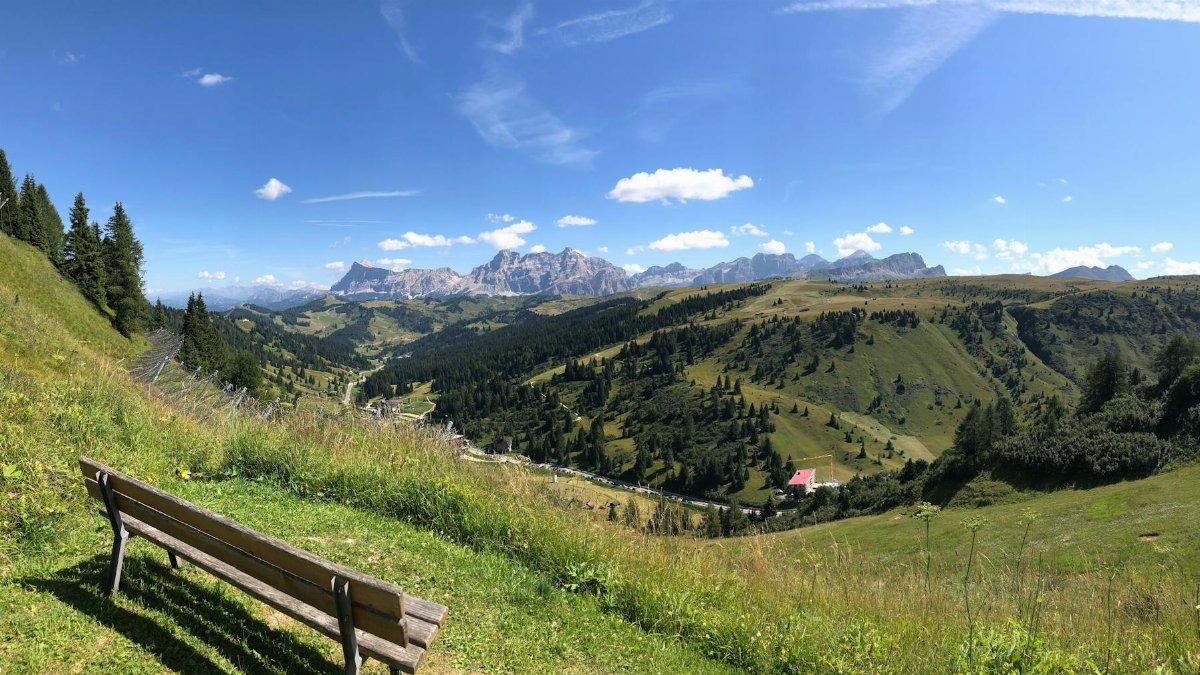
Scaling paths in the Rockies, breath coming in sharp bursts, hikers often pause at overlooks where valleys stretch endlessly below. This physical exertion pairs with mental release, as endorphins flood and thoughts clarify. A group of friends once recounted reaching a summit during a storm’s aftermath, the cleared skies symbolizing their own breakthroughs in resolving conflicts. Such trails demand presence, pulling attention to the immediate step while allowing broader reflections to bubble up.
Not every trek is triumphant; slips and fatigue test resolve, mirroring inner struggles. Yet, a study published in the Journal of Environmental Psychology notes that high-altitude experiences enhance self-perception. Linking to broader trends, in 2025, more Americans are seeking these escapes, per reports from outdoor organizations. The reward? A heightened sense of personal insight, earned through sweat and scenery.
5. Historic Museums Echoing the Past

Stepping into the Smithsonian’s halls, artifacts from bygone eras prompt questions about legacy and growth. Visitors linger before exhibits, imagining the lives behind glass cases, which often leads to parallels with their own journeys. Consider a teacher who, viewing Civil War relics, gained clarity on her role in fostering empathy among students. Museums like this blend education with introspection, turning history into a mirror for the present.
The dim lighting and curated silence amplify this effect. According to the Smithsonian Institution, engagement with cultural sites boosts cognitive empathy. Nuances emerge in how different eras handled adversity, offering lessons for today’s challenges. It’s a space where self-reflection feels like a conversation across time.
6. Sacred Sites in Serene Settings
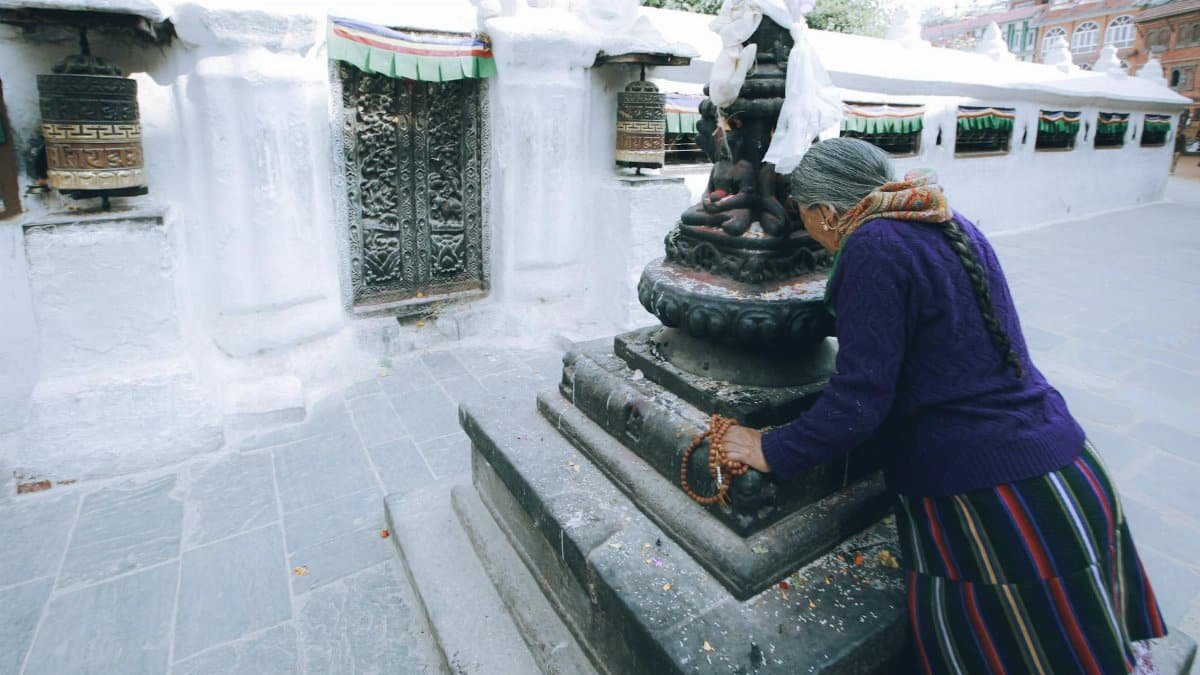
Within the walls of a cathedral like St. Patrick’s in New York or a secluded chapel in the Southwest, candlelight flickers, inviting quiet communion. Diverse visitors, from the devout to the curious, find common ground in the stillness. A young professional once shared how sitting in such a space unraveled knots of anxiety about ambition, leading to a more balanced path. These sites transcend religion, serving as anchors for universal quests for meaning.
Architectural elements, like soaring arches, evoke awe that quiets the mind. Research from Harvard Divinity School explores how sacred spaces facilitate transcendence. In an era of rapid change, they provide continuity, fostering inner awareness through ritual or simple presence. The experience lingers, subtly shifting perspectives long after departure.
7. Personal Sanctuaries at Home

Finally, consider the corner of one’s own living room, perhaps with a favorite chair by a window overlooking a garden. Here, without travel, self-reflection unfolds in familiar comfort. Mornings with a journal or evenings with soft music allow thoughts to surface organically. A parent described transforming a spare room into such a spot, where insights about work-life balance emerged during quiet hours. Home-based practices are accessible, democratizing the pursuit of personal insight.
Customization is key; some add plants for vitality, others dim lights for calm. A National Institutes of Health overview on journaling ties it to better mental health, though focused on specific conditions, the principles apply broadly. In 2025, with remote work norms, these personal oases are more vital than ever, blending convenience with depth. They remind us that profound awareness often starts closest to home.