
Introduction

A recent poll by the Pew Research Center showed that 45% of Americans undergoing significant life shifts in the past year prioritized relocation as a key step toward better mental health, up from 32% a decade ago. This surge highlights how major transitions, life change, adaptation often push people toward new environments that foster healing over hustle. In a nation where career ambitions once dominated decisions, more individuals now seek places that nurture wellbeing. From quiet coastal havens to bustling city resets, these choices reflect a deeper quest for balance amid upheaval. As economic pressures and personal reckonings intensify in 2025, understanding these patterns reveals much about our evolving priorities. It’s not just about moving; it’s about recalibrating life itself.
1. Coastal Retreats for Solace

Along the foggy shores of Maine, waves crash rhythmically against jagged rocks, offering a soundtrack to introspection. Many navigating major transitions find themselves drawn here, trading urban chaos for the steady pulse of the ocean. Take Sarah, a former marketing executive from Chicago who, after a divorce, packed her life into a van and headed east. “The sea doesn’t judge,” she later shared in an anonymous online account, describing how daily walks helped her process grief. This isn’t uncommon. Coastal areas provide a natural buffer, allowing space to breathe amid life change.
Research backs this pull. A study from the American Psychological Association links proximity to water with reduced stress levels, noting that blue spaces enhance emotional resilience during adaptation periods. In 2025, with remote work enabling such shifts, coastal towns like Bar Harbor see influxes of mid-lifers seeking renewal. Yet, it’s not all serene; rising sea levels pose adaptation challenges of their own, forcing newcomers to confront environmental realities alongside personal ones.
These retreats often spark unexpected growth. One might start with solitary beachcombing, only to join local art collectives, weaving new social threads. The transition feels gradual, like tides reshaping sand dunes.
2. Mountain Hideaways for Reflection
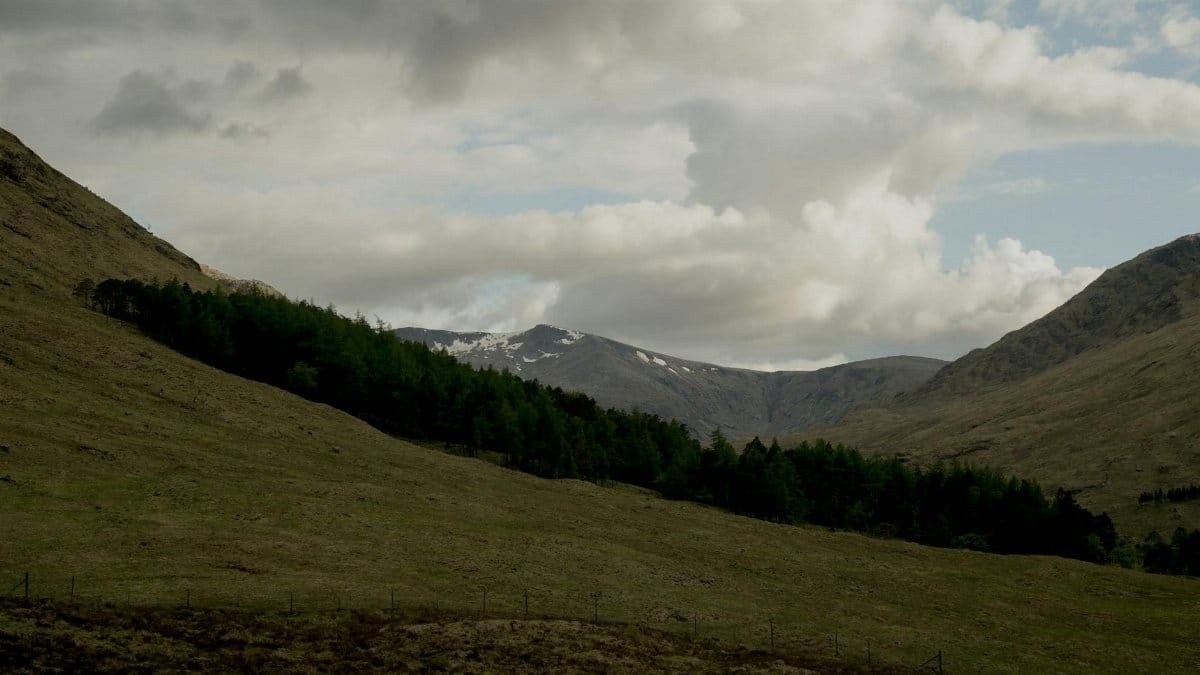
What draws someone to the rugged peaks of Colorado during a career burnout? It’s the elevation, both literal and metaphorical, that promises clarity. High up in Aspen or Boulder, the thin air sharpens focus, stripping away distractions from old routines. A tech worker from Silicon Valley, reeling from layoffs, recounted hiking trails where “every step upward mirrored climbing out of my rut.” Such stories illustrate how mountains facilitate major transitions, life change, adaptation by imposing a physical metaphor for overcoming obstacles.
Evidence from the U.S. Forest Service Research indicates that time in forested elevations boosts cognitive function and mood, aiding those in flux. In recent years, these spots have become hotspots for digital nomads adapting to post-pandemic work life. But solitude can turn isolating; many form impromptu communities around campfires, sharing tales of reinvention.
The rhythm varies: mornings of crisp air and birdsong, afternoons pondering vistas. It’s a place where ambition yields to quiet ambition—perhaps starting a small guiding business instead of chasing corporate ladders.
3. Urban Resets in Vibrant Cities

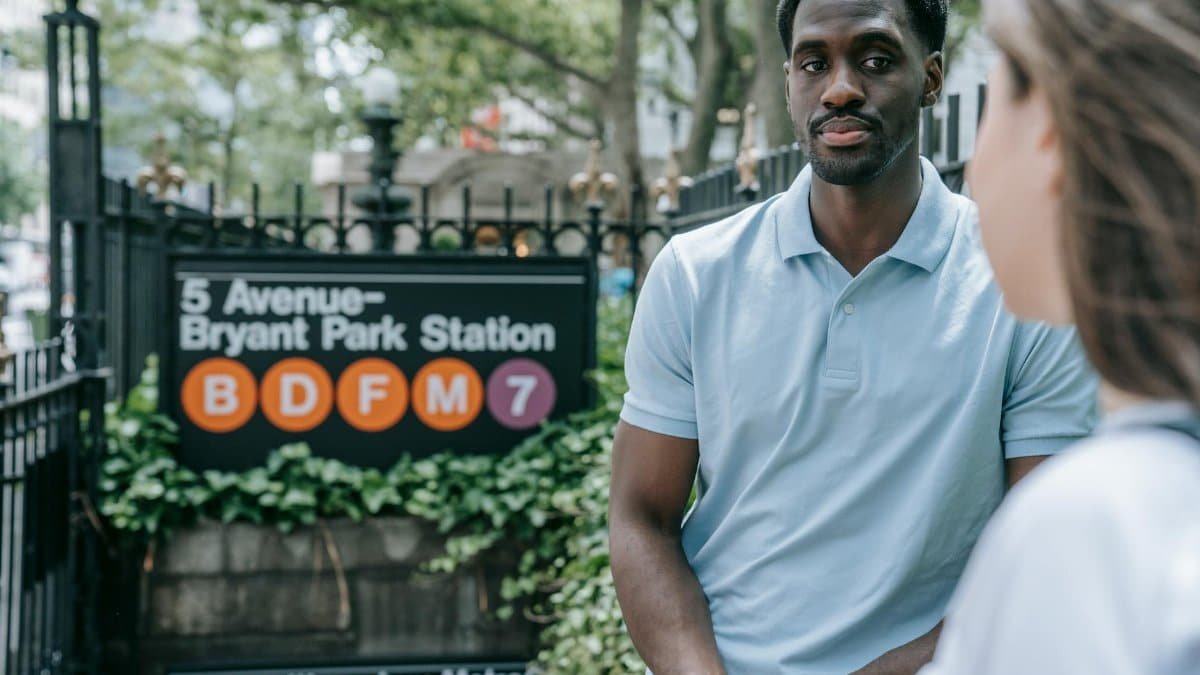
Amid the neon buzz of New York City’s streets, a fresh start unfolds in unexpected corners. For those fleeing stagnant suburbs after a job loss, the city’s energy acts as a catalyst. Picture a single parent from the Midwest, apartment-hunting in Brooklyn, discovering street markets that ignite forgotten passions for cooking. This urban immersion accelerates adaptation, turning anonymity into opportunity.
According to a report by the Brookings Institution, metropolitan areas like NYC absorb 60% of internal migrants during life upheavals, offering diverse networks that ease transitions. In 2025, with hybrid jobs on the rise, these hubs prioritize wellbeing through accessible therapy and wellness hubs. Challenges persist, though—high costs demand financial savvy, testing one’s adaptive skills anew.
Evenings might involve jazz clubs or rooftop yoga, blending old selves with emerging identities. It’s chaotic, yet profoundly alive, proving cities can heal as much as they hustle.
4. Rural Escapes for Simplicity
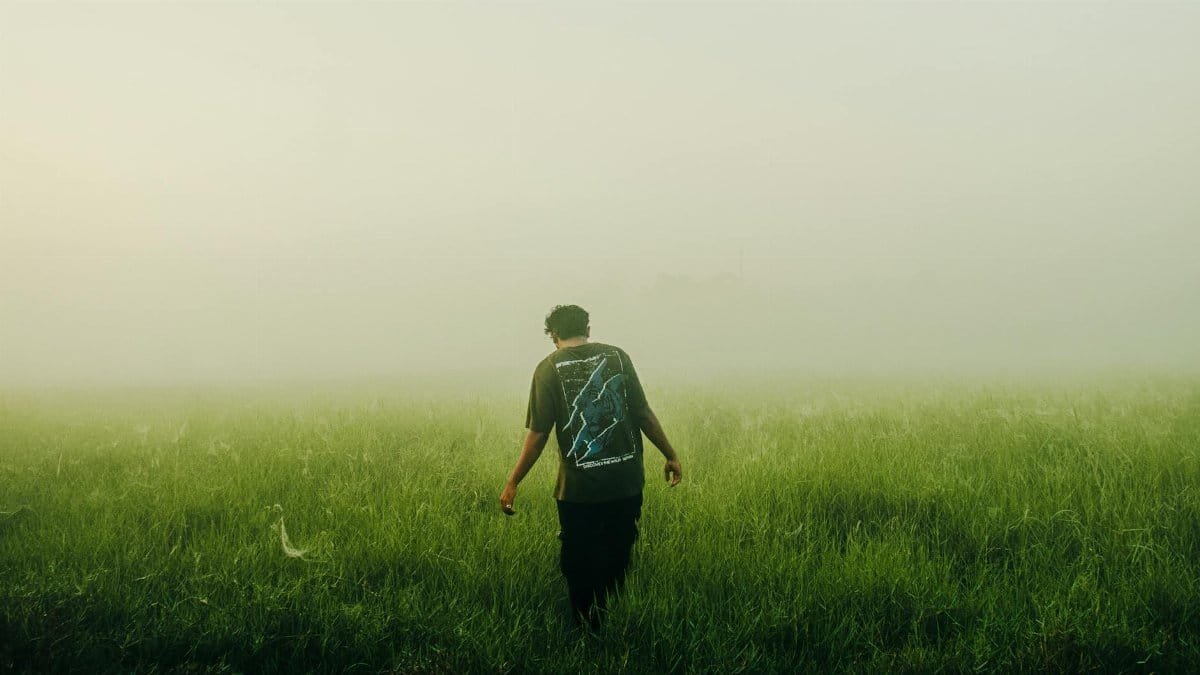
In the rolling fields of Iowa, barns dot the horizon like steadfast guardians. People in major transitions often choose such pastoral settings to strip life back to essentials. After a health scare, a teacher from Los Angeles moved to a farmstead, trading traffic for tractor rhythms. “The quiet let me hear my own thoughts again,” she reflected, embodying the adaptation that rural life demands and rewards.
Findings from the Centers for Disease Control and Prevention highlight lower anxiety rates in rural populations, attributing it to community bonds and nature’s pace. As remote work blurs boundaries in 2025, these areas attract those ditching ambition for sustainable living. Yet, isolation requires proactive outreach—think joining harvest festivals to build ties.
Days unfold with garden tending and starlit nights, fostering a grounded resilience. Here, change feels organic, like seasons turning soil.
5. Suburban Sanctuaries for Stability
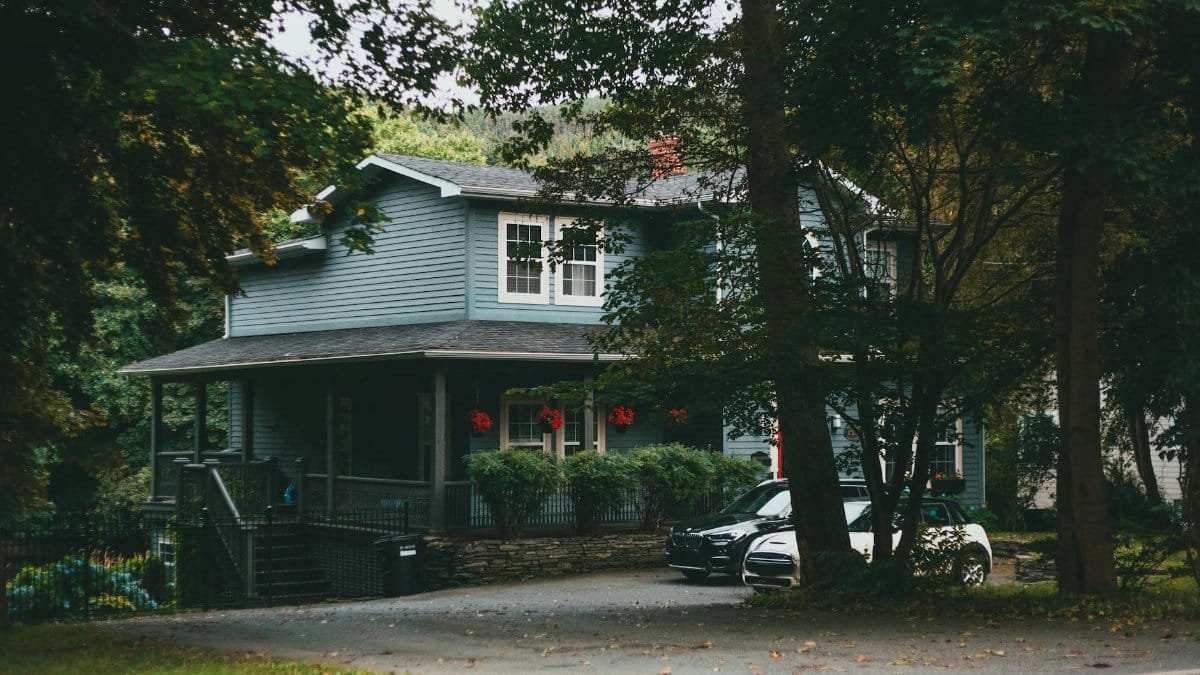
Neat lawns and cul-de-sacs in places like suburban Atlanta offer a middle ground for those overwhelmed by extremes. During family expansions or empty-nest phases, these spots provide predictable rhythms amid flux. A couple relocating after retirement found solace in neighborhood potlucks, where shared stories eased their life change.
A Pew Research Center analysis notes that suburbs house 52% of Americans in transition, valuing their blend of accessibility and calm. In 2025, with housing markets stabilizing, they appeal for affordable adaptation. But sameness can stifle; many counter it by starting home-based ventures, injecting novelty.
Mornings of coffee on porches lead to afternoons exploring local trails. It’s a subtle shift, prioritizing wellbeing through familiar comforts.
6. International Havens for Cultural Shifts
Across the border in Mexico’s colorful pueblos, expatriates chase profound reinvention. For those burned out on American grind, places like San Miguel de Allende promise cultural immersion as a path to adaptation. An artist from Texas, post-breakup, immersed in local festivals, finding “colors and chaos that mirrored my inner storm, then calmed it.”
Global migration data from the Migration Policy Institute shows a 20% uptick in U.S. citizens relocating abroad during personal crises, seeking affordable healthcare and fresh perspectives. In 2025, digital visas facilitate this, though cultural adjustments test resilience—language barriers become bridges to empathy.
Evenings of street tacos and mariachi blend with reflective journaling. Such moves redefine ambition, emphasizing global citizenship over status.
7. Eco-Communities for Purposeful Living

Nestled in Oregon’s forests, intentional communities buzz with shared gardens and solar panels. During environmental awakenings or midlife crises, these spots draw those aligning life with values. A former banker, disillusioned by corporate excess, joined one, trading suits for soil-stained hands. “It was about adapting to a world that sustains,” he noted, capturing the essence of major transitions, life change, adaptation in collective settings.
Studies from the Environmental Protection Agency underscore how eco-living reduces ecological footprints while boosting communal wellbeing. As climate concerns peak in 2025, these communities swell, offering workshops on sustainable skills. Conflicts arise over shared resources, yet they forge deeper bonds.
Routines involve communal meals and stargazing discussions. Here, transitions foster not just personal growth, but planetary harmony, placing wellbeing at the heart of change.